1.Gender as Performance
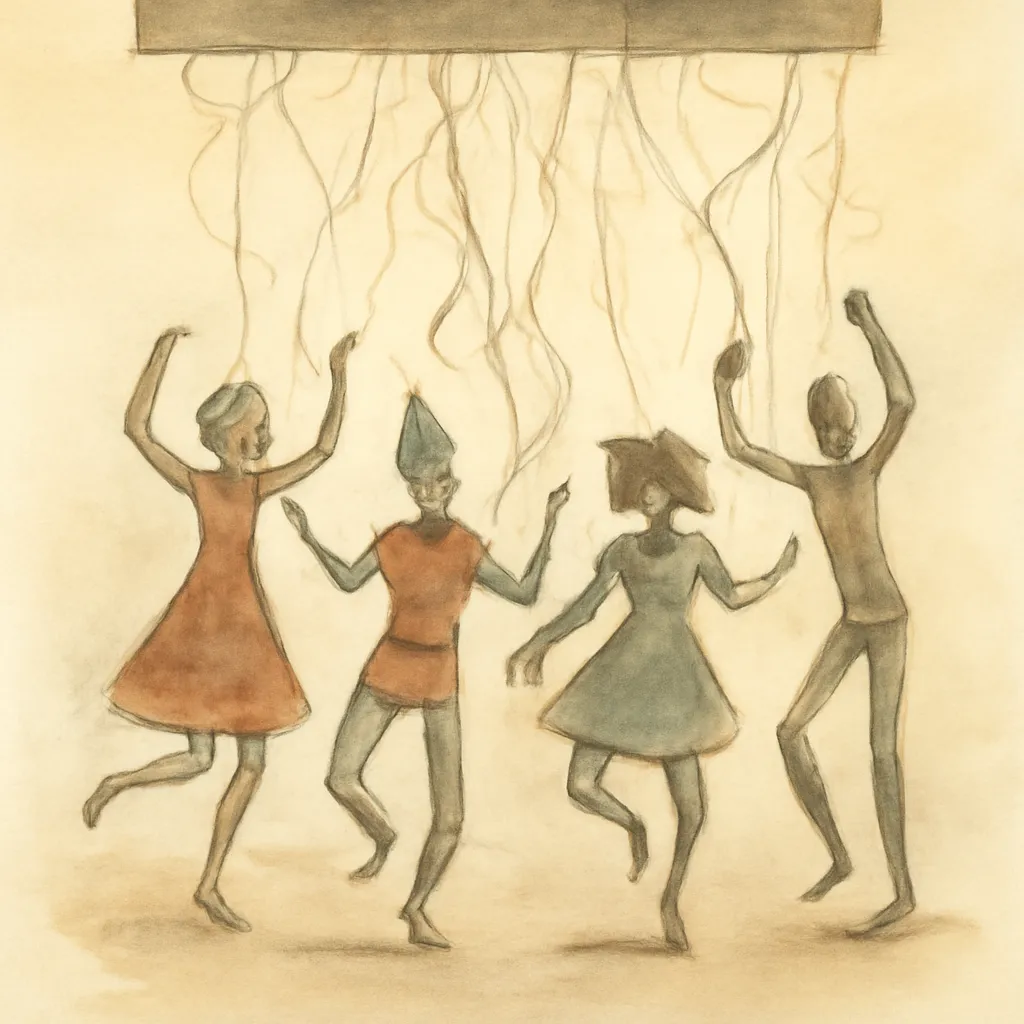
Butler’s most influential idea is that gender is not a fixed or innate quality, but something we do—an ongoing performance shaped by social expectations. Rather than expressing a pre-existing identity, our gendered behaviors create the illusion of stable identities. This means that what we take for granted as 'masculine' or 'feminine' is actually produced by repeated acts, gestures, and language, not by biology or a true self.
2.Critique of Essentialism
Butler argues against the notion that there is an essential 'womanhood' or 'manhood' underlying our identities. She critiques strands of feminism that assume a universal female experience, showing how such assumptions can exclude or marginalize people who don’t fit normative categories. For Butler, clinging to essentialist ideas limits the political possibilities for gender liberation.
3.Destabilizing the Sex/Gender Distinction
Traditional feminist theory often distinguishes between 'sex' (biological) and 'gender' (social). Butler complicates this by suggesting that even sex is not a pure, pre-social fact, but is itself constructed through language and culture. This radical move destabilizes the foundations of how we talk about bodies and identities.
4.Subversion and Agency
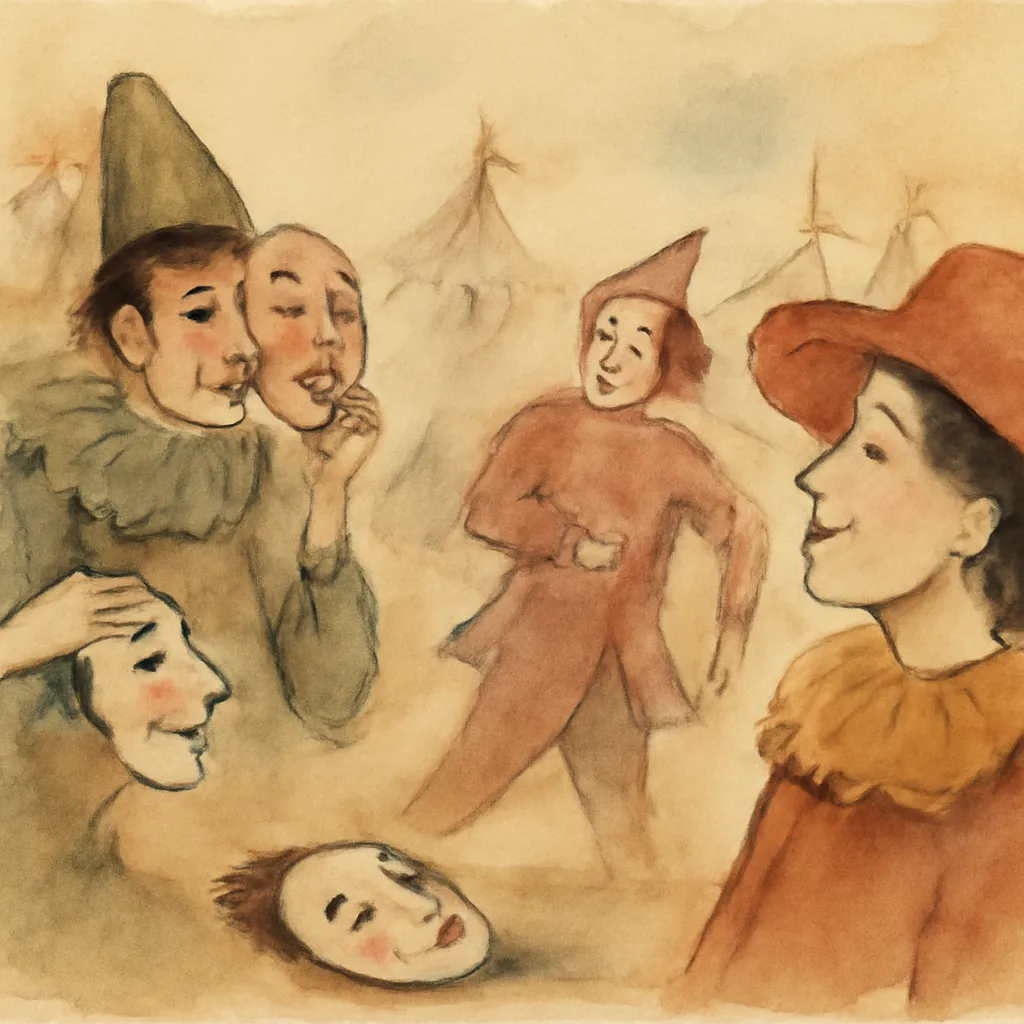
Butler sees potential for resistance in the very instability of gender. Because gender is performed, it can also be performed differently—parodied, subverted, or reimagined. She points to drag as an example of how gender norms can be exposed and challenged, opening up new ways of living and understanding identity.
5.The Limits of Representation
Gender Trouble interrogates who gets to speak for 'women' or any identity group, warning against attempts to define or represent a unified subject. Butler urges us to be wary of political strategies that rely on fixed identities, since these can reinforce the very hierarchies they seek to dismantle.
6.Language and Power
Butler draws on poststructuralist thinkers to show how language shapes our sense of self. The terms and categories available to us are not neutral—they are sites of power that determine who is recognized and who is excluded. Understanding this helps us see how gender norms are enforced and how they might be transformed.