1.The Allure of Antiquity
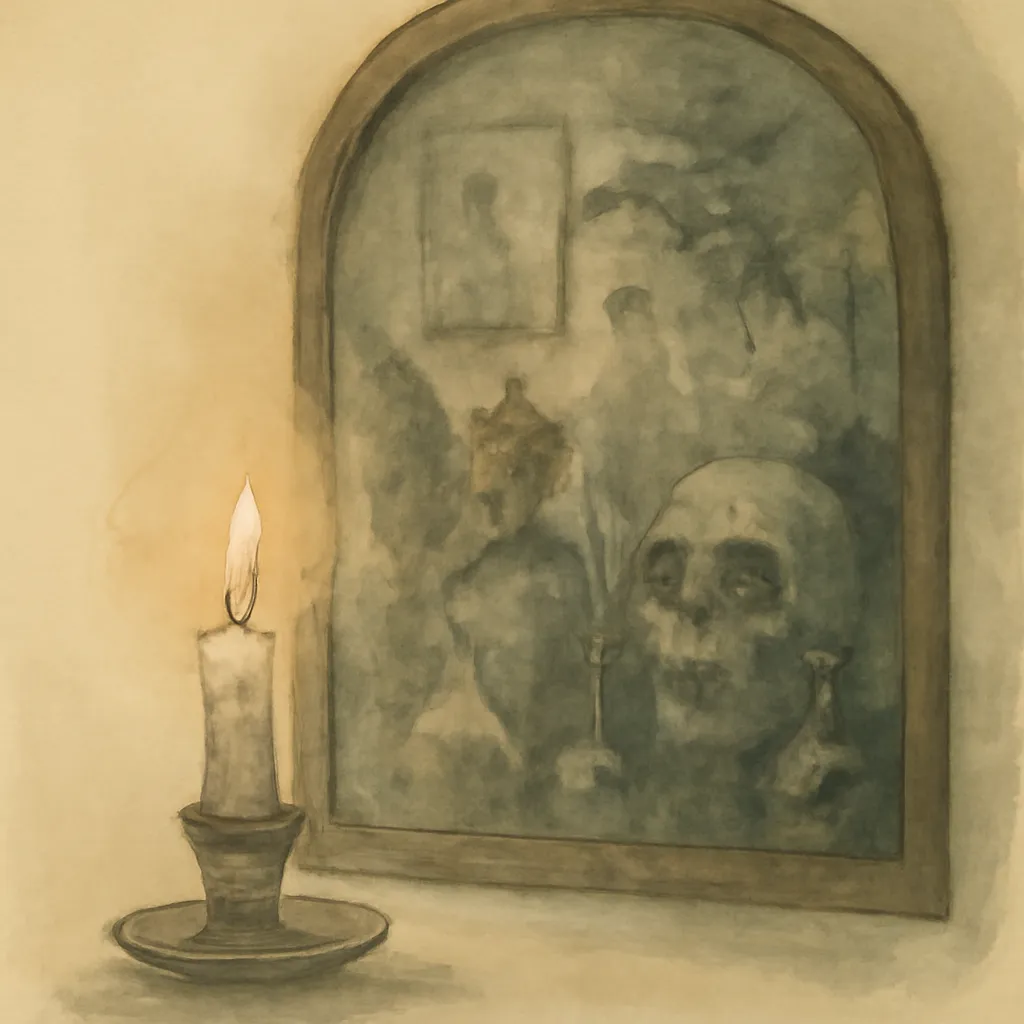
M. R. James’s stories are steeped in a profound appreciation for antiquities and the stories they hold. In 'Canon Alberic’s Scrap-book,' the protagonist's fascination with the past leads him to a remote church where he encounters a spectral presence tied to a hidden treasure. This intertwining of historical artifacts with the supernatural not only heightens the suspense but also evokes a sense of nostalgia for lost knowledge. The characters' quests for ancient objects often serve as a metaphor for humanity's search for meaning in history, illustrating how the past can haunt and inform the present. James's detailed descriptions of antiquities serve to ground the supernatural elements in a reality that feels both tangible and unsettling, inviting readers to reflect on their own relationship with history.
2.The Chilling Nature of the Unknown
James masterfully captures the fear of the unknown, which is a recurring theme throughout his stories. In 'Lost Hearts,' the protagonist, a young boy, discovers that the seemingly idyllic world around him harbors dark secrets and malevolent forces. The chilling twist reveals that the boy's innocence is preyed upon by vengeful spirits seeking retribution. This encounter forces readers to confront their own fears about the unseen world, suggesting that what lies beyond our understanding can be far more terrifying than the known. James skillfully builds tension through atmospheric descriptions and gradual revelations, ensuring that the reader is left in suspense until the very end. The fear of the unknown becomes a powerful narrative tool, illustrating how easily the familiar can transform into the frightening.
3.The Moral Consequences of Curiosity
Curiosity, often portrayed as a virtue, takes on a darker shade in James’s narratives. In 'The Mezzotint,' the protagonist's quest to uncover the truth behind a mysterious painting leads to horrifying revelations. His relentless pursuit of knowledge ultimately results in dire consequences, illustrating the notion that some truths are better left undiscovered. This theme resonates with the age-old adage that curiosity killed the cat, suggesting that the thirst for knowledge can lead one down perilous paths. James’s characters frequently grapple with their insatiable desire to understand the supernatural, only to find themselves ensnared by the very mysteries they sought to unravel. This moral undertone serves as a cautionary tale about the potential dangers of unchecked curiosity and the ethical implications of uncovering hidden truths.
4.The Interplay of Science and the Supernatural
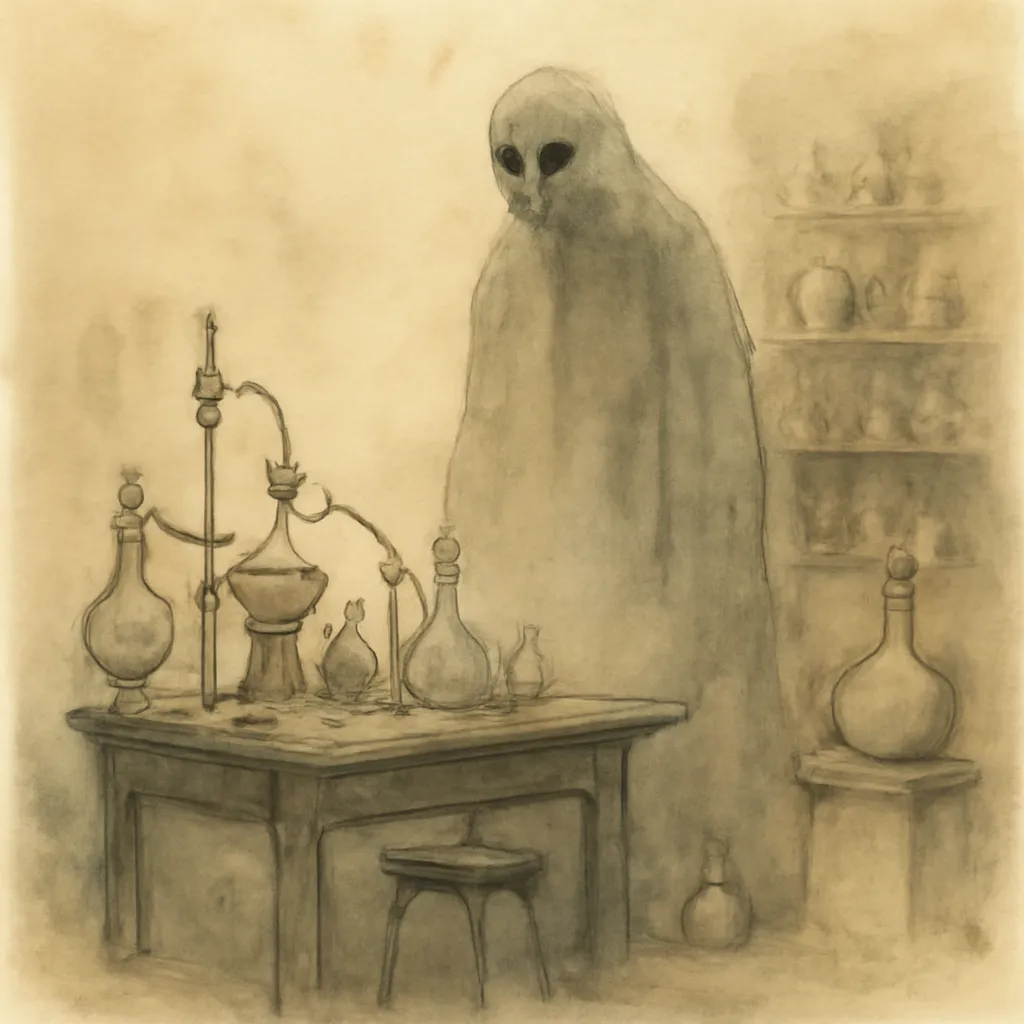
James deftly weaves elements of scientific inquiry into his ghost stories, creating a tension between rationality and the supernatural. In 'Number 13,' the protagonist's skepticism is challenged by inexplicable events that defy logical explanation. The story highlights the struggle between modernity and tradition, where scientific advancements clash with ancient beliefs. This interplay raises questions about the limits of human understanding and the potential for the supernatural to exist alongside empirical knowledge. James’s background as an antiquarian and scholar lends credibility to his exploration of these themes, as he presents a world where science and the supernatural coexist, leaving readers to ponder the boundaries of rational thought. The tension between these two realms serves to enhance the eerie atmosphere, inviting readers to question their own perceptions of reality.
5.The Role of Setting in Creating Atmosphere
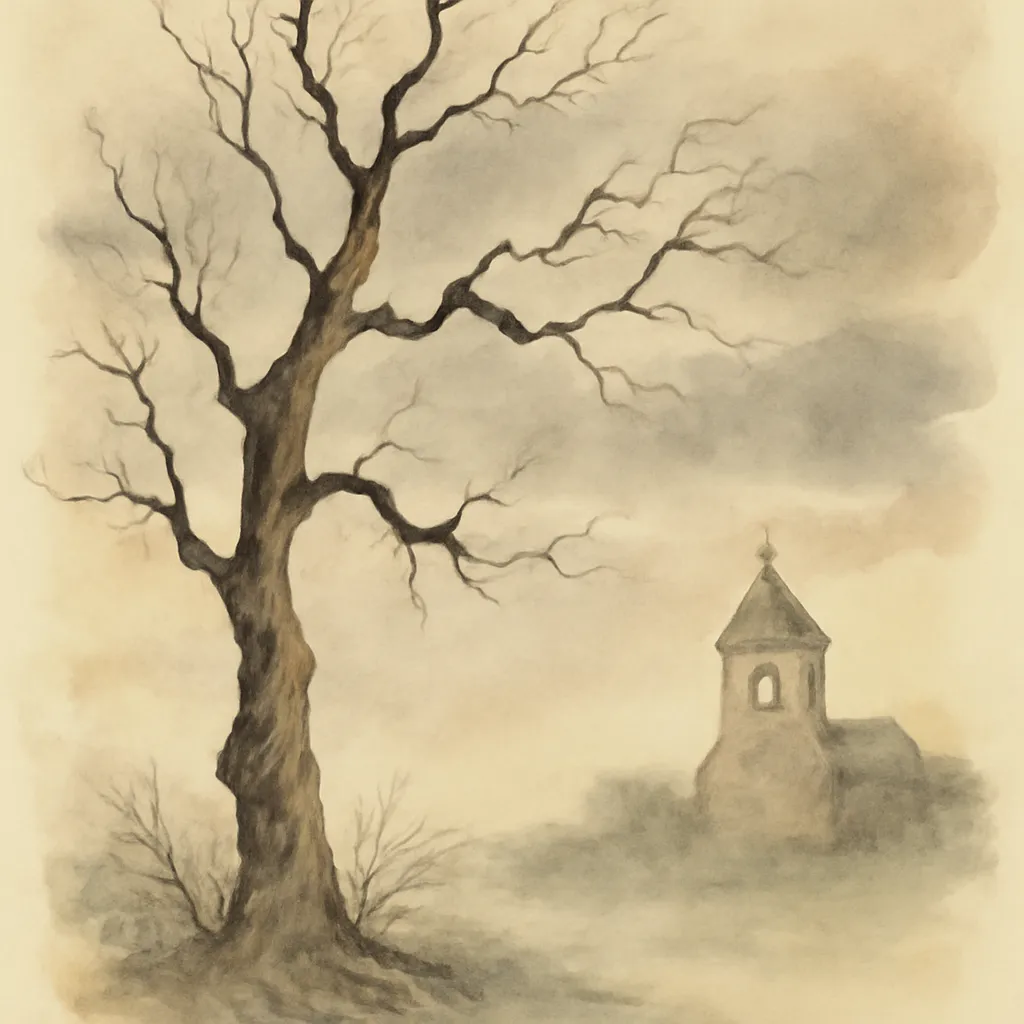
The settings in James's stories play a crucial role in establishing an unsettling atmosphere that permeates his narratives. Whether it’s the dilapidated church in 'Canon Alberic’s Scrap-book' or the eerie landscape of 'The Ash-tree,' each location is meticulously crafted to evoke a sense of foreboding. The choice of setting often reflects the internal struggles of the characters, mirroring their fears and desires. For instance, the crumbling ruins symbolize the decay of time and the weight of history, serving as a backdrop for the supernatural occurrences that unfold. James’s vivid descriptions transport readers to these haunting locales, allowing them to experience the chilling ambiance firsthand. The interplay between setting and narrative deepens the emotional impact, immersing readers in a world where the past lingers and the supernatural thrives.
6.The Influence of Folklore and Mythology
James draws heavily on folklore and mythology to enrich his ghost stories, imbuing them with a sense of timelessness and cultural resonance. Elements from local legends often serve as catalysts for the supernatural events that unfold, connecting the characters to a broader narrative tapestry that transcends time. In 'Oh, Whistle, and I’ll Come to You, My Lad,' the protagonist's encounter with a mysterious whistle evokes ancient fears and beliefs surrounding the supernatural. This blending of folklore with personal narratives underscores the idea that the past continues to influence the present in profound ways. James's use of folklore not only enhances the eerie quality of his stories but also invites readers to reflect on the cultural narratives that shape their understanding of the supernatural. By grounding his tales in familiar mythological motifs, James creates a bridge between the known and the unknown.
7.The Nature of Evil in the Supernatural Realm
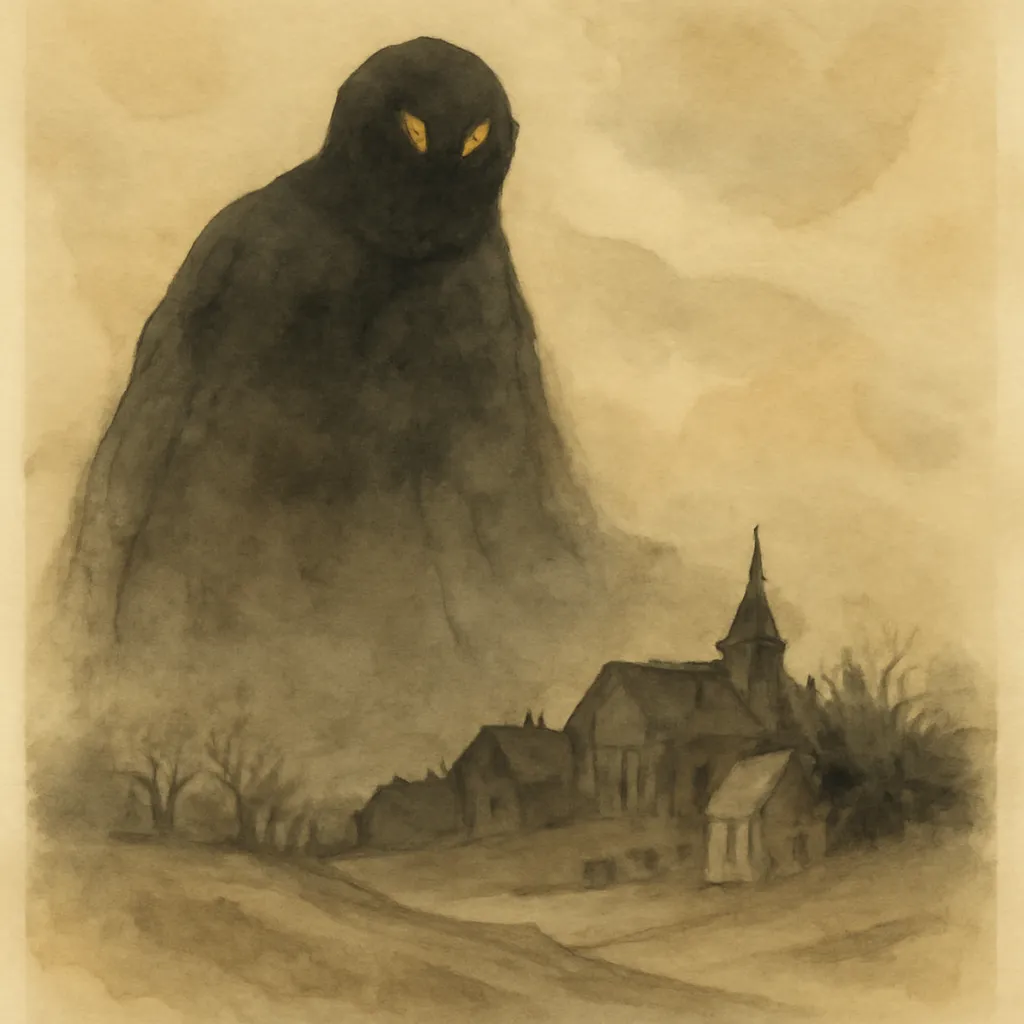
James's ghost stories often explore the nature of evil, presenting malevolent forces that disrupt the lives of unsuspecting characters. In 'Count Magnus,' the titular character embodies a dark, supernatural presence that exerts control over those who encounter him. The story delves into the idea that evil can manifest in various forms, often linked to historical transgressions and unresolved grievances. James's portrayal of evil is nuanced, suggesting that it is not merely an external force but also a reflection of human flaws and desires. This exploration of evil serves to heighten the tension within the narratives, as characters grapple with their own moral dilemmas in the face of supernatural threats. By examining the complexities of evil, James invites readers to confront uncomfortable truths about the nature of humanity and the consequences of unchecked ambition.
8.The Unreliable Narrator and Perspective
James employs the technique of the unreliable narrator to create layers of ambiguity and suspense within his stories. In 'The Treasure of Abbot Thomas,' the protagonist's perspective shapes the reader's understanding of events, leading to moments of doubt and confusion. This narrative strategy allows James to explore themes of perception and reality, as characters grapple with their interpretations of the supernatural. The use of an unreliable narrator invites readers to question the validity of their own interpretations, blurring the lines between truth and deception. This technique enhances the overall sense of unease, as readers are left to navigate the complexities of the narrative alongside the characters. By challenging the reliability of perspective, James deepens the engagement with his audience, encouraging them to scrutinize the boundaries of belief and skepticism.
9.The Legacy of Ghost Stories
M. R. James's contributions to the genre of ghost stories have left an indelible mark on literature, influencing countless writers and shaping the conventions of supernatural fiction. His ability to blend scholarly detail with chilling narratives has set a high standard for ghost storytelling, establishing a template that continues to resonate with readers today. James's emphasis on atmosphere, character development, and moral complexity has inspired a new generation of writers to explore the supernatural in innovative ways. The legacy of his work can be seen in contemporary literature, where the interplay between history and the supernatural remains a popular theme. By crafting stories that transcend mere entertainment, James invites readers to engage with deeper philosophical questions about existence, morality, and the human experience. His influence endures, reminding us of the power of storytelling to illuminate the mysteries of life and death.
10.The Importance of Personal Experience
James’s ghost stories often reflect the significance of personal experience and subjective perception in shaping one’s understanding of the supernatural. Characters frequently encounter spectral phenomena that challenge their beliefs and assumptions, forcing them to confront the limits of their understanding. In 'Lost Hearts,' the protagonist’s personal history becomes intertwined with the haunting he experiences, suggesting that our past shapes our encounters with the unknown. This emphasis on personal experience underscores the idea that the supernatural is not a one-size-fits-all phenomenon; rather, it is influenced by individual perspectives and histories. James's exploration of personal experience invites readers to consider their own encounters with the unknown, encouraging a reflective engagement with the narratives. By grounding supernatural events in the personal, James creates a more relatable and impactful reading experience.