1.Polyphonic Storytelling
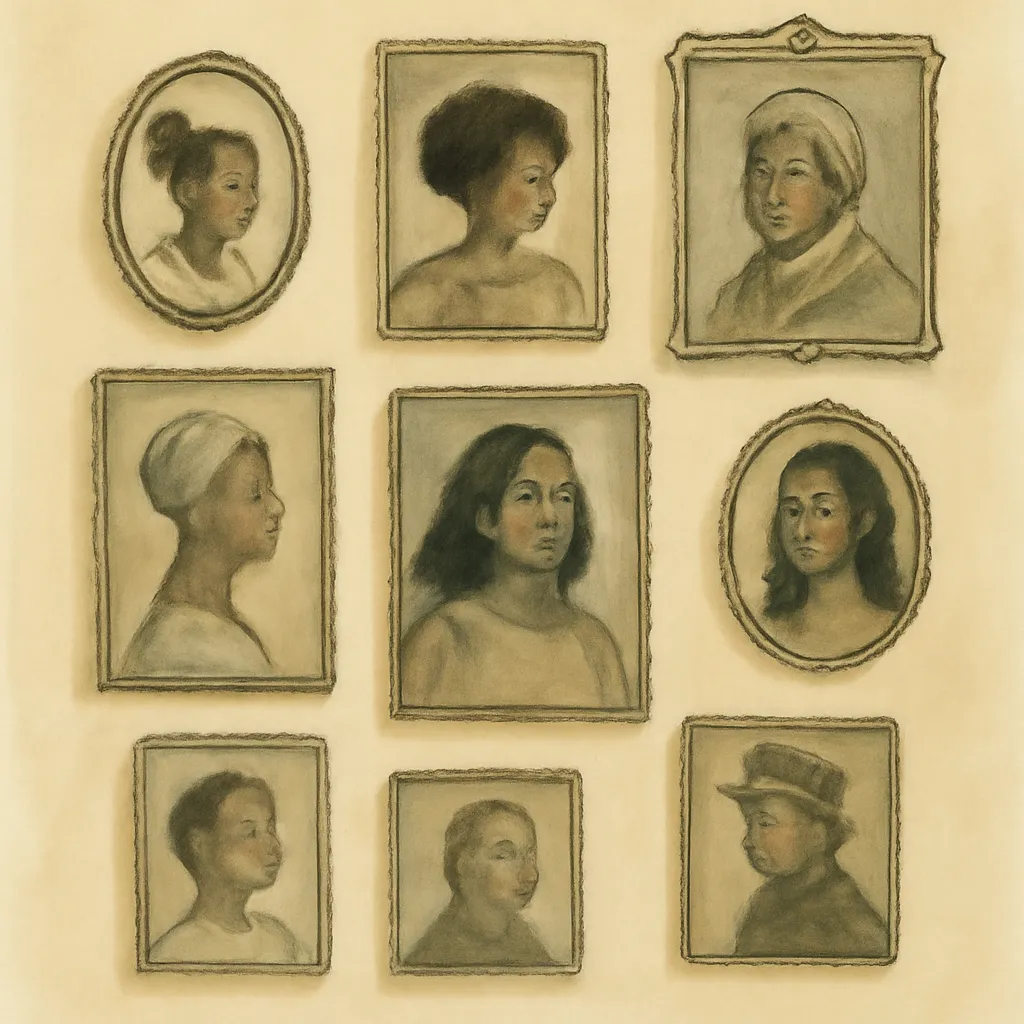
Evaristo structures the novel as a chorus of twelve distinct voices, each with their own narrative thread and perspective. This approach breaks away from linear, single-protagonist storytelling, instead weaving a tapestry of interconnected lives. The result is a sense of community and multiplicity, reflecting the diversity within Black British experiences while resisting the urge to flatten them into a single narrative.
2.Intersectionality and Identity
The book delves deeply into how race, gender, sexuality, class, and age intersect to shape each character's life. Evaristo refuses to present her characters as monolithic; instead, she explores their contradictions, ambitions, and struggles, highlighting how identity is both self-fashioned and socially imposed. The novel foregrounds intersectionality as a lived reality, not just a theoretical concept.
3.History and Legacy
Spanning decades and even centuries, Girl, Woman, Other situates its characters within the broader sweep of British history. Evaristo connects personal stories to larger social movements—immigration, feminism, LGBTQ+ rights—showing how the past continues to inform the present. The novel ultimately asks what it means to inherit, challenge, and remake history, both familial and national.
4.The Power and Limits of Community
While the novel celebrates solidarity among women, it also examines the tensions and divisions that can arise—across generations, ideologies, and backgrounds. Evaristo is attentive to moments of misunderstanding and conflict, as well as reconciliation and growth. This nuanced portrayal invites readers to consider the work required to build inclusive, supportive communities.
5.Experimentation with Form and Language
Evaristo's prose is notable for its lack of traditional punctuation and its poetic, flowing style. This formal experimentation mirrors the fluidity of her characters’ identities and experiences, encouraging readers to engage with the text in a more active, immersive way. The novel’s structure and style challenge literary conventions, making the act of reading itself a dynamic experience.
6.Visibility and Representation
By centering Black British women—so often marginalized in literature—Evaristo asserts the importance of seeing these lives in all their complexity. The novel is both a celebration and a corrective, offering stories that are rarely told in mainstream fiction. This act of representation is political, artistic, and deeply personal.