1.Strange Loops and Self-Reference
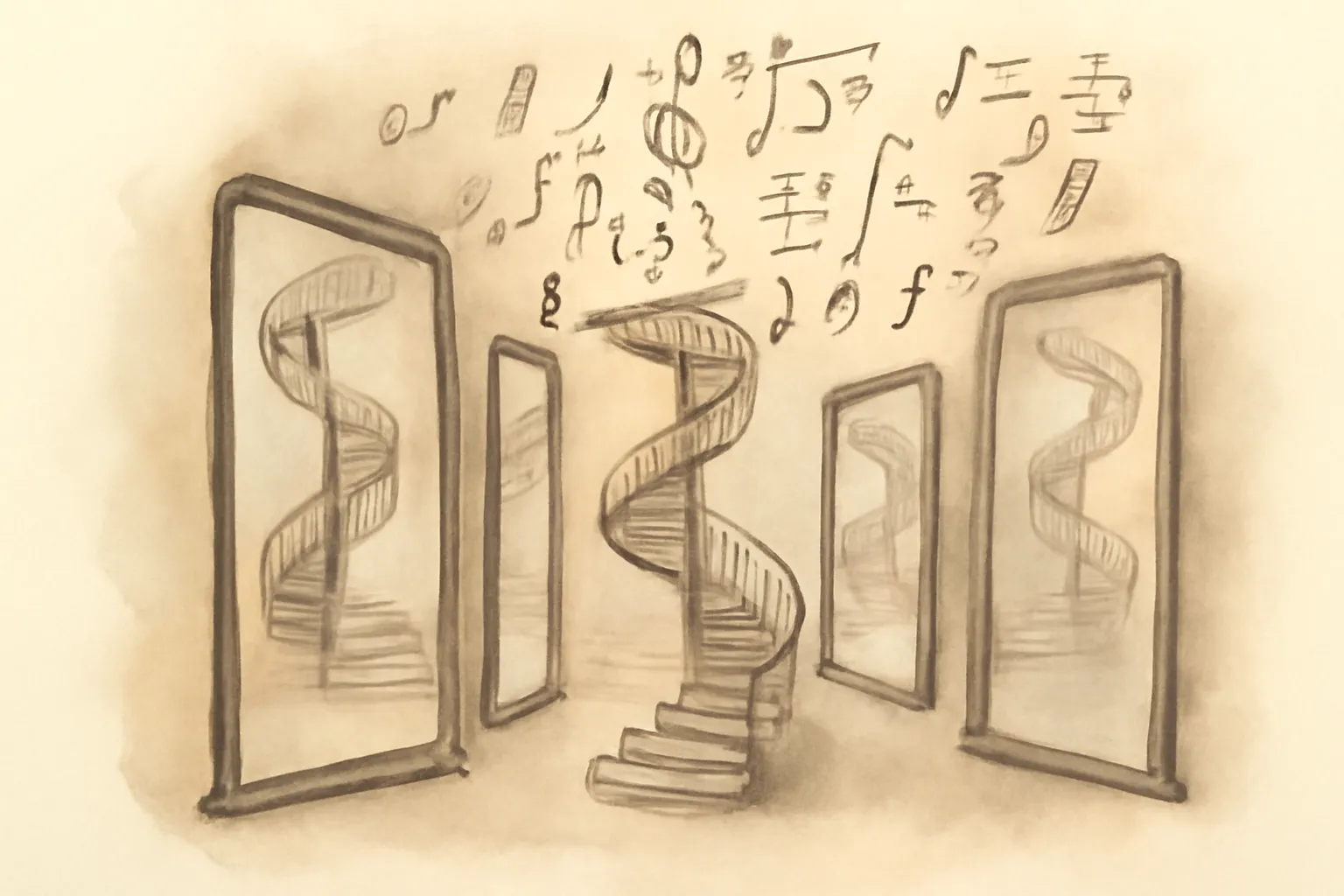
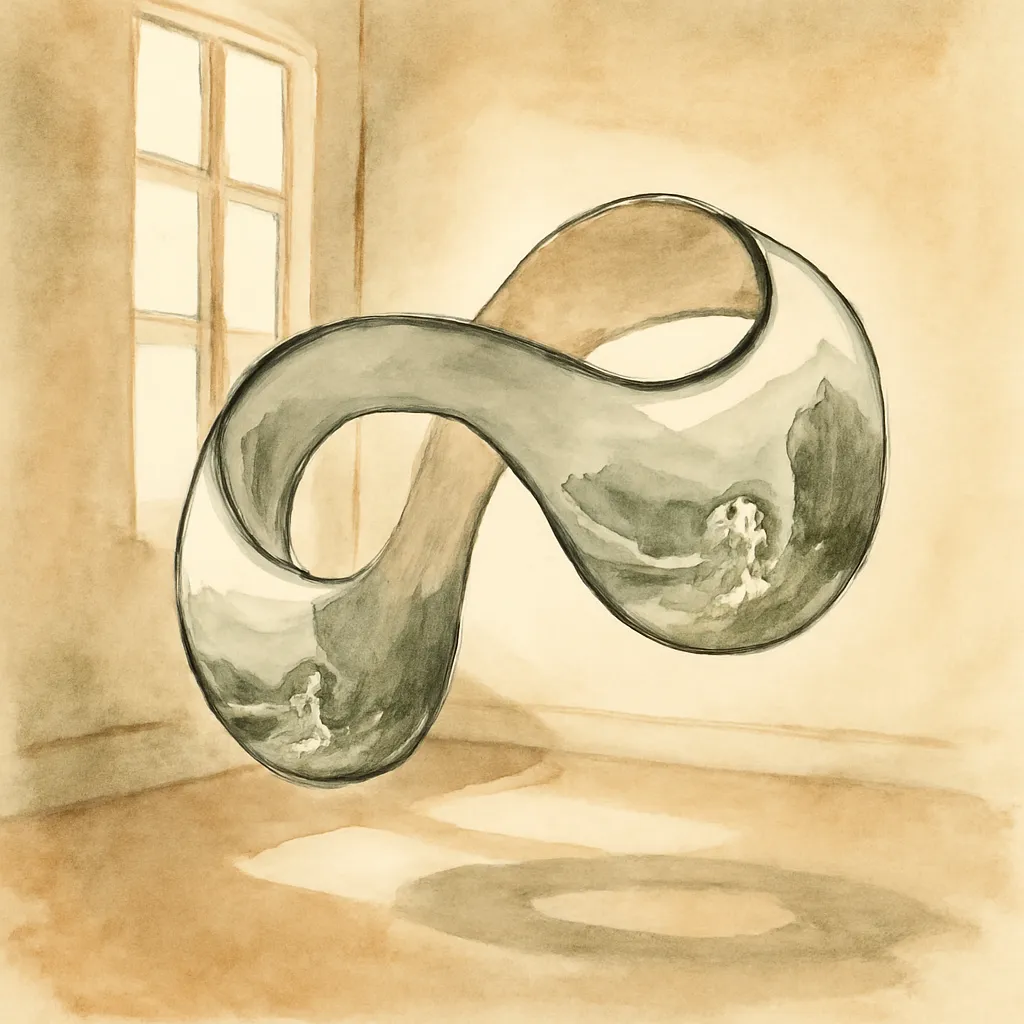
At the heart of the book is the concept of 'strange loops'—self-referential structures that turn back on themselves, creating layers of meaning and paradox. Hofstadter uses examples from Gödel’s incompleteness theorems, Escher’s impossible drawings, and Bach’s fugues to illustrate how self-reference leads to complexity and, potentially, consciousness itself. These loops are not just mathematical curiosities; they are presented as the possible basis for the emergence of 'I'—the sense of self—in minds and machines.
2.Formal Systems and Incompleteness
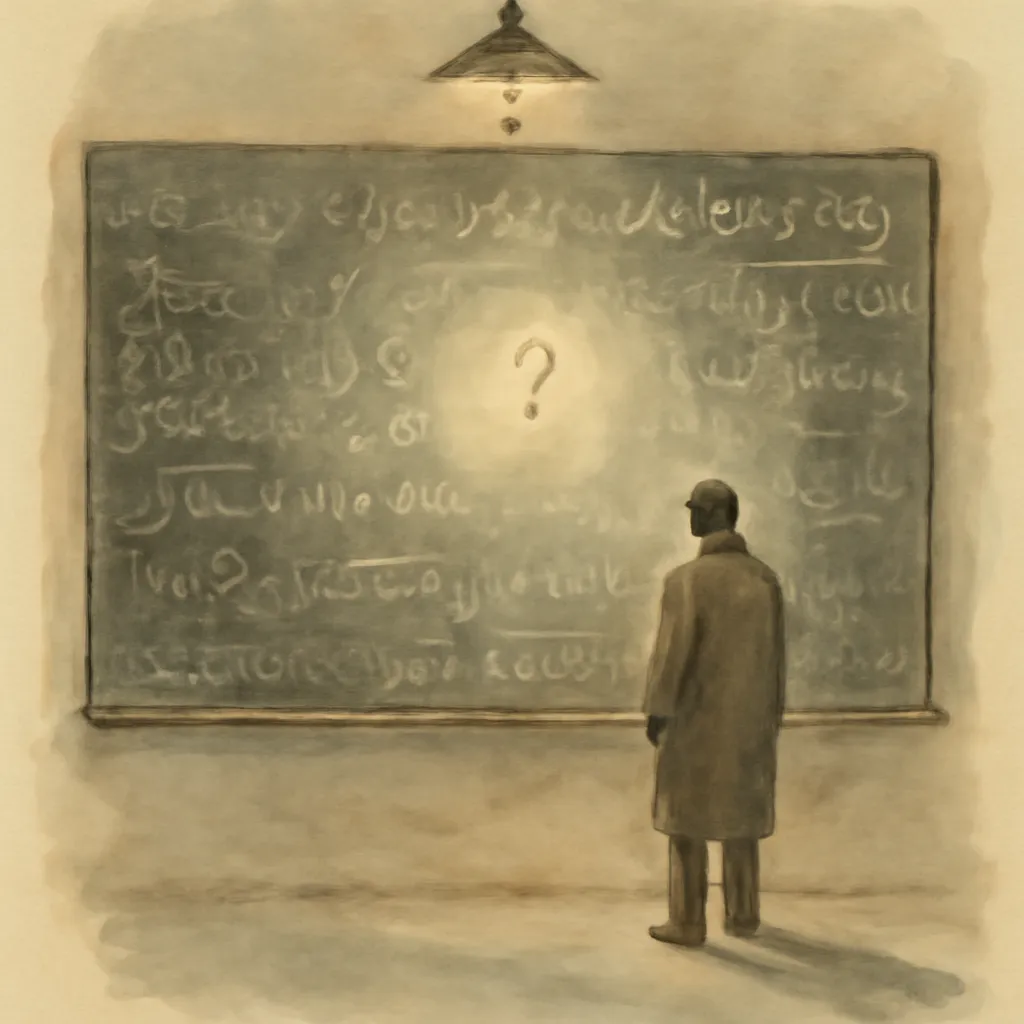
Hofstadter delves into formal systems—rigorous sets of rules that generate meaning, such as mathematical logic. He explains Gödel’s incompleteness theorem, which shows that any sufficiently complex formal system contains true statements that cannot be proven within its own rules. This insight shakes the foundations of mathematics and suggests limits to what any system, including computers, can achieve through pure logic.
3.Recursion and Nested Structure
Recursion—where things contain smaller versions of themselves—is a recurring motif. Whether in Bach’s music, Escher’s art, or logical puzzles, recursive structures create depth and beauty. Hofstadter argues that recursion is more than a technical trick; it’s a fundamental pattern in thought, language, and even consciousness, where thoughts can refer to other thoughts in endlessly nested ways.
4.Analogy and Creativity
The book suggests that analogy—the ability to map one structure onto another—is central to intelligence and creativity. Hofstadter explores how humans (and potentially machines) use analogy to leap between domains, solve problems, and create new ideas. This process is contrasted with rigid, rule-bound computation, highlighting the flexibility and richness of human thought.
5.The Limits and Potential of Artificial Intelligence
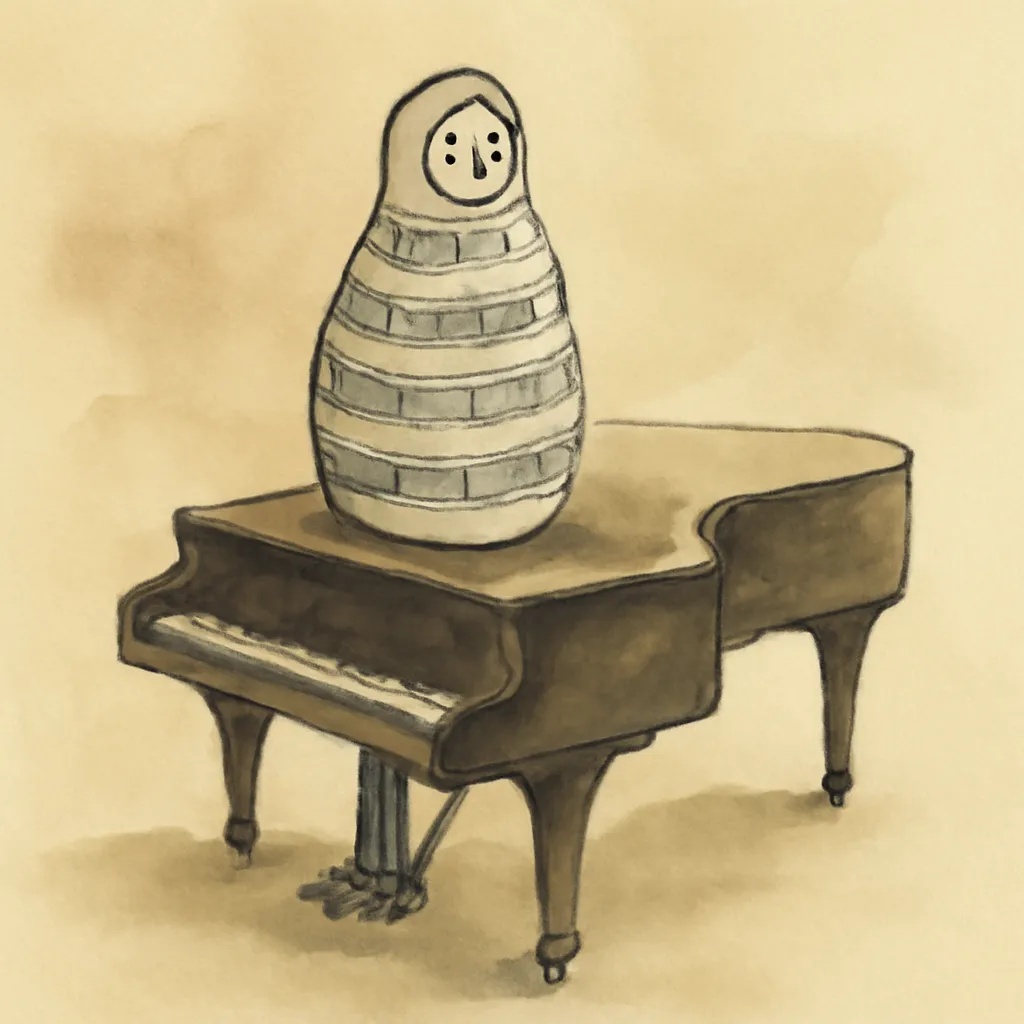
Hofstadter speculates on whether machines can ever truly think or be conscious. He draws parallels between the emergence of life from chemistry and the emergence of mind from neural or computational substrates. While formal systems have limits, as shown by Gödel, the possibility remains that sufficiently complex systems—perhaps artificial ones—might give rise to self-awareness.
6.Interdisciplinary Synthesis
A distinctive feature of the book is its weaving together of mathematics, art, music, and philosophy. Hofstadter demonstrates that the same deep patterns—recursion, self-reference, formal rules—appear across disciplines. This synthesis encourages readers to see connections between fields and to appreciate the unity underlying human creativity and understanding.