1.The Dilemma of Loyalty
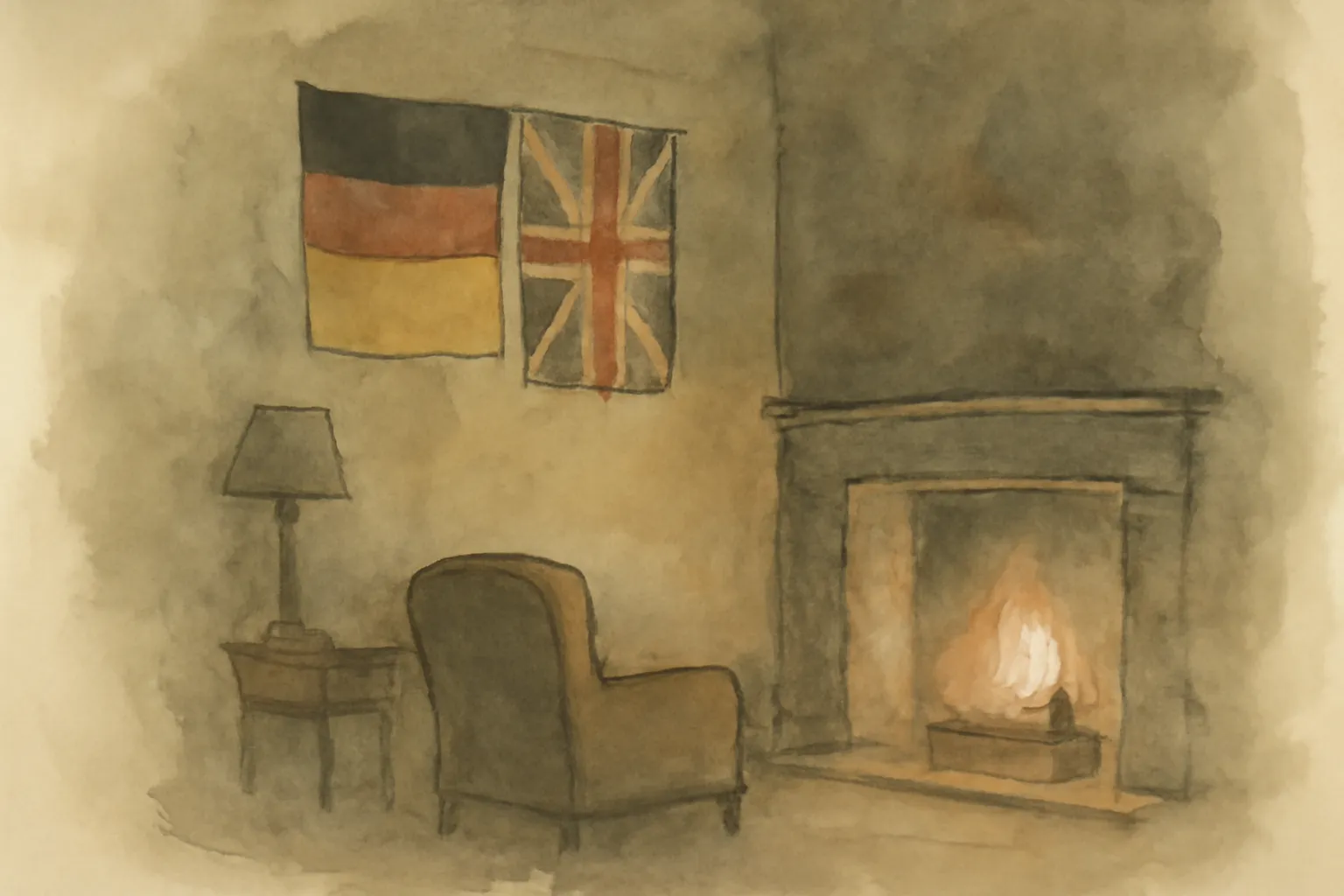
Mrs. Otway's relationship with Anna, her German servant of eighteen years, forms the emotional core of the story. As war is declared, Mrs. Otway is faced with the difficult question of whether to send Anna back to Germany or keep her in England. This dilemma becomes a reflection of the broader societal tensions, where personal loyalty clashes with national allegiance. Mrs. Otway's strong emotional ties to Anna, who has cared for her daughter Rose, challenge the prejudiced views held by others in Witanbury. The struggle between what is deemed right by society and what feels right personally is a recurring theme, illustrating how war complicates human relationships. Mrs. Otway’s refusal to act against Anna is a testament to her character, showcasing her compassion and resistance to societal pressures.
2.The Impact of War on Identity
The characters in 'Good Old Anna' grapple with their identities as the war reshapes their lives. For Anna, her German heritage becomes a source of conflict as she is viewed with suspicion by the English community. Despite her long-standing loyalty to Mrs. Otway and her affection for England, the war forces her to confront her identity as a German in a hostile environment. The narrative explores how individuals navigate their sense of self when their national identity is at odds with their personal relationships. Anna's internal struggle reflects the experiences of many immigrants and expatriates during wartime, who find themselves caught in a liminal space between two cultures. This theme resonates throughout the story, highlighting the profound effects of war on personal identity and belonging.
3.Societal Prejudice and Its Consequences
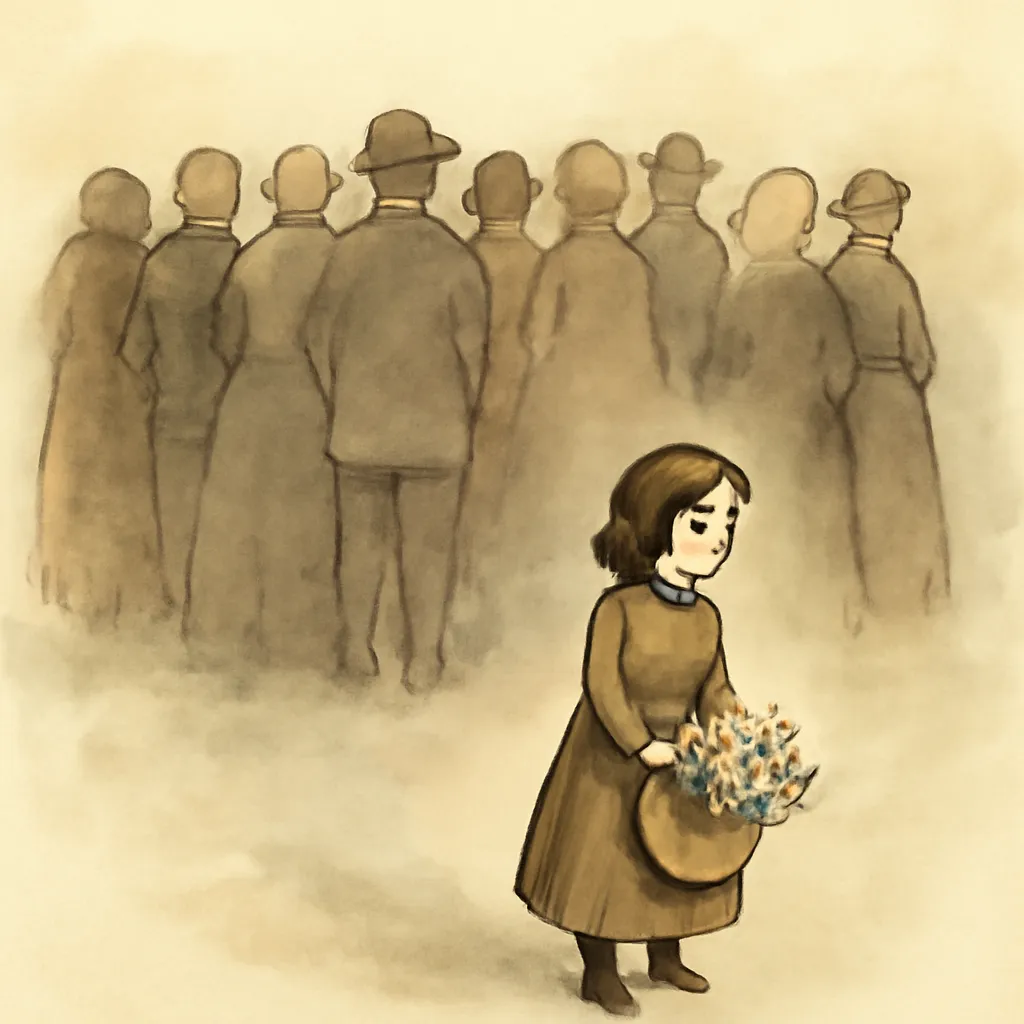
Lowndes skillfully depicts the prejudice that arises in Witanbury as war breaks out, illustrating how fear and nationalism can breed distrust. Characters like Miss Forsyth embody the societal pressure to conform to anti-German sentiments, urging Mrs. Otway to dismiss Anna for the sake of appearances. This prejudice not only affects Anna but also creates a rift in the community, as neighbors turn against one another based on their national affiliations. The narrative serves as a critique of how quickly societies can abandon compassion in favor of collective hysteria during times of crisis. Lowndes emphasizes that such prejudice can lead to tragic outcomes, as relationships are severed and individuals are ostracized, showcasing the darker side of human nature when faced with fear and uncertainty.
4.The Complexity of Human Relationships
At the heart of 'Good Old Anna' lies a rich tapestry of human relationships that are tested by the turmoil of war. The bond between Mrs. Otway and Anna is contrasted with the emerging romance between Rose and Jervis Blake. As Rose navigates her feelings for Jervis, who is drawn into the war, she must also consider her loyalty to Anna and the implications of their friendship. The narrative illustrates how love and friendship can flourish even in the direst circumstances, yet also how they can be strained by external pressures. The relationships in the story are nuanced, revealing that love is not always straightforward but is often complicated by societal expectations and personal beliefs. Lowndes captures the essence of human connection, emphasizing that these bonds can be both a source of strength and a source of conflict.
5.The Role of Women in Wartime
Lowndes presents a compelling exploration of the role of women during World War I, highlighting their resilience and adaptability. Mrs. Otway embodies the strong, compassionate woman who must navigate the challenges posed by the war while maintaining her household and supporting her daughter. The story portrays how women took on additional responsibilities as men went off to fight, often becoming the emotional and practical backbone of their families. Anna, too, represents the steadfastness of women in the face of adversity, showcasing her dedication to her work and her loyalty to the Otway family. The narrative underscores the importance of women’s contributions during war, as they not only cared for their families but also played pivotal roles in their communities, often underappreciated and overlooked.
6.The Power of Empathy
Throughout 'Good Old Anna', empathy emerges as a powerful force that can bridge divides. Mrs. Otway’s unwavering support for Anna, despite societal pressures, exemplifies the strength of human compassion. Lowndes illustrates that empathy can challenge prejudice and foster understanding, as seen in the interactions between characters who grapple with their feelings towards one another. The story encourages readers to reflect on their own capacity for empathy, especially in times of conflict. It suggests that genuine understanding and compassion can lead to healing and connection, even amidst the chaos of war. The narrative serves as a reminder that, despite the forces that seek to divide us, the bonds of empathy can unite individuals across cultural and national lines.
7.The Tension Between Duty and Desire
As the war progresses, characters in 'Good Old Anna' are faced with the tension between their duties to their country and their personal desires. Jervis Blake's enlistment and the subsequent impact on his relationship with Rose highlight this struggle. While he feels a sense of duty to serve, his desire to maintain his connection with Rose complicates his decision. Similarly, Mrs. Otway’s duty as a mother conflicts with her loyalty to Anna, as she navigates the expectations placed upon her by society. Lowndes adeptly captures this internal conflict, portraying the emotional turmoil that arises when personal desires clash with societal obligations. The characters’ journeys reflect the universal struggle of balancing duty and desire, particularly in times of crisis.
8.The Fragility of Peace
Lowndes poignantly explores the fragility of peace in 'Good Old Anna', illustrating how quickly stability can be disrupted by the onset of war. The peaceful life in Witanbury is shattered as the community grapples with the realities of conflict. Characters who once enjoyed a sense of security are thrust into uncertainty, forced to confront the precariousness of their lives. This theme serves as a reminder that peace is often taken for granted, and its absence can lead to profound changes in the fabric of society. The narrative encourages readers to reflect on the importance of cherishing moments of tranquility and recognizing the potential for conflict that lies beneath the surface of everyday life. The fragility of peace becomes a central motif, underscoring the need for vigilance and understanding in maintaining harmony.
9.The Journey of Self-Discovery
As characters navigate the challenges of war, 'Good Old Anna' also becomes a story of self-discovery. Mrs. Otway, in particular, undergoes a transformation as she confronts her beliefs and values in light of the unfolding conflict. The war acts as a catalyst for her to reevaluate her relationships and her role within her community. Similarly, Rose’s experiences lead her to a deeper understanding of love and loyalty as she grapples with her feelings for Jervis. The narrative highlights that times of crisis can prompt individuals to reflect on their identities and priorities, ultimately leading to personal growth. Lowndes skillfully illustrates that the journey of self-discovery is often fraught with challenges, yet it can also yield profound insights and transformations.
10.The Intersection of Personal and Political
In 'Good Old Anna', the personal and political realms intersect as characters grapple with the implications of war on their lives. The narrative reveals how political events can have intimate repercussions, affecting relationships and individual choices. Mrs. Otway’s bond with Anna is tested not only by their personal history but also by the shifting political landscape as England enters the war. Lowndes effectively demonstrates that personal lives cannot be separated from the larger political context, as the characters must navigate their emotions within a framework of national conflict. This intersection serves as a powerful reminder of the ways in which external events shape internal experiences, urging readers to consider the interconnectedness of personal and political spheres.