1.The Gulag as a System, Not an Aberration
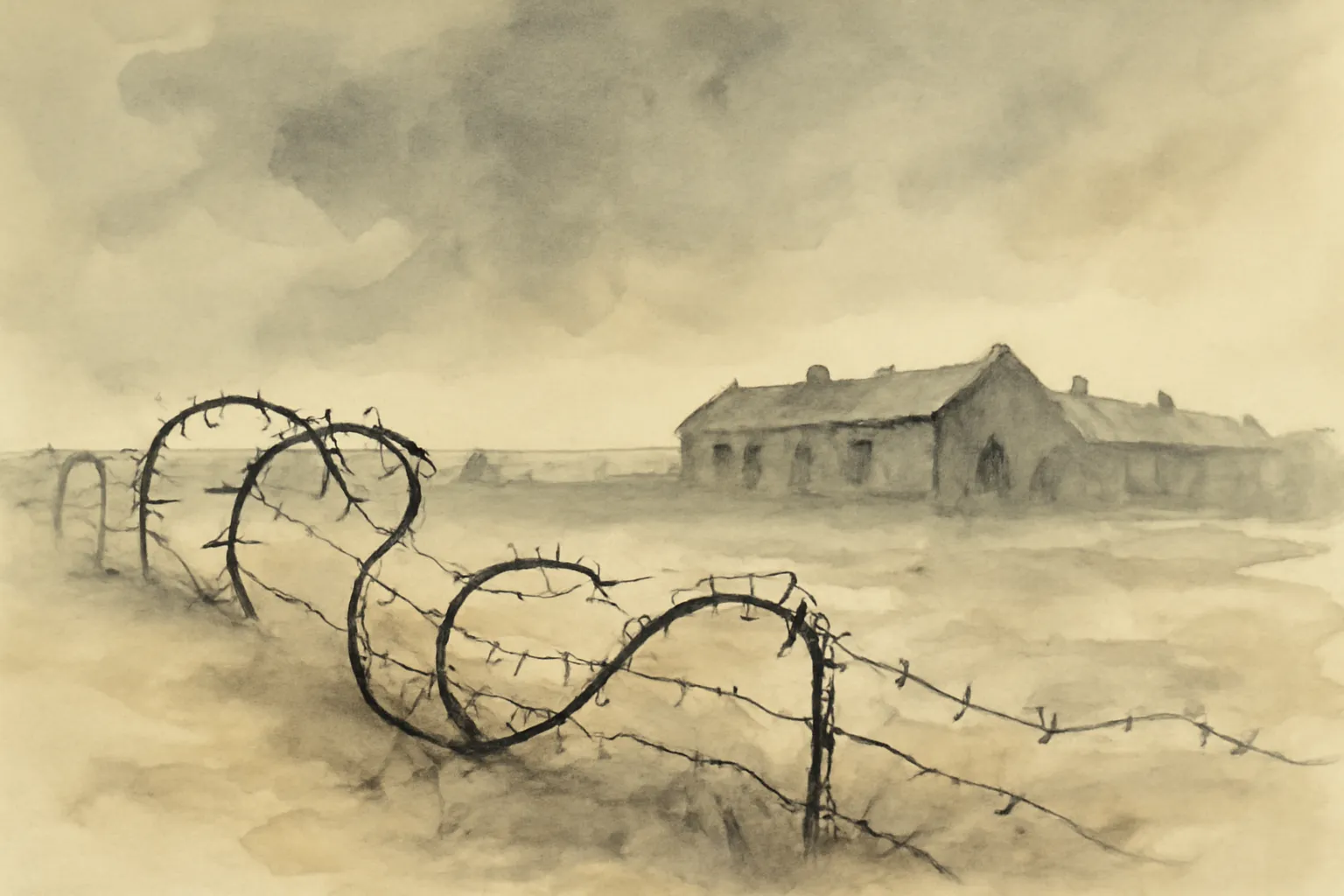
Applebaum argues that the Gulag was not a temporary or peripheral phenomenon but a central institution of the Soviet state. Rooted in the logic of the Bolshevik Revolution, the camps grew into a vast network that shaped Soviet society, economy, and governance for decades. The Gulag was both a tool of political repression and a source of forced labor, reflecting the regime’s priorities and fears. This challenges the notion that the camps were merely Stalin’s personal excess, instead revealing them as integral to the Soviet project.
2.Life and Survival Inside the Camps
Through survivor accounts and archival research, Applebaum reconstructs daily existence in the Gulag: the hunger, cold, violence, and arbitrary cruelty that defined camp life. She details how prisoners coped, formed communities, and sometimes resisted, highlighting both the dehumanizing effects and the resilience of the human spirit. The book avoids sensationalism, instead offering a nuanced portrait of suffering, adaptation, and the moral ambiguities faced by both inmates and guards.
3.Mechanisms of Repression and Control
Applebaum explores how the Soviet state used arrests, show trials, and mass deportations to instill fear and maintain control. The randomness of arrest and the opacity of the legal process meant that no one felt safe, fostering a climate of suspicion and compliance. The Gulag became a tool not just for punishing dissent, but for enforcing conformity and extracting labor from millions deemed ‘enemies’—often on arbitrary or fabricated grounds.
4.The Social and Economic Impact of Forced Labor
The book examines how the Gulag system was intertwined with the Soviet economy, supplying labor for infrastructure, mining, and industry. Yet, Applebaum shows that this forced labor was often inefficient and wasteful, undermining the very goals it was meant to serve. The social consequences were profound: families torn apart, entire populations displaced, and a culture of mistrust and silence that endured long after the camps closed.
5.Memory, Denial, and Historical Amnesia
One of Applebaum’s most provocative arguments is about the post-Soviet and Western reluctance to fully reckon with the Gulag’s legacy. She explores why the camps have not occupied the same place in global memory as the Nazi Holocaust, pointing to political, cultural, and psychological factors. This raises urgent questions about how societies remember—or forget—mass suffering, and what that means for justice and reconciliation.
6.Resistance and Rebellion
Despite the overwhelming odds, Applebaum documents instances of resistance, from small acts of defiance to large-scale uprisings in the 1950s. These episodes reveal the limits of totalitarian control and the enduring capacity for hope and solidarity, even in the bleakest circumstances. Such stories complicate the narrative of victimhood and highlight the agency of prisoners.