Politics and government · Concentration camps · Prisons
Gulag: A History by Anne Applebaum — Summary, Key Ideas & Quotes
2003672 pages✦ 3-min Big ideas★ 4.5 (6)
Rate it
A fully documented history of the Soviet camp system, from its origins in the Russian Revolution to its collapse in the era of glasnost. Anne Applebaum first lays out the chronological history of the camps and the logic behind their creation, enlargement, and maintenance. Applebaum also examines how life was lived within this shadow country: how prisoners worked, how they ate, where they lived, how they died, how they survived. She examines their guards and their jailers, the horrors of transportation in empty cattle cars, the strange nature of Soviet arrests and trials, the impact of World War II, the relations between different national and religious groups, and the escapes, as well as the extraordinary rebellions that took place in the 1950s. She concludes by examining the disturbing question why the Gulag has remained relatively obscure, in the historical memory of both the former Soviet Union and the West.
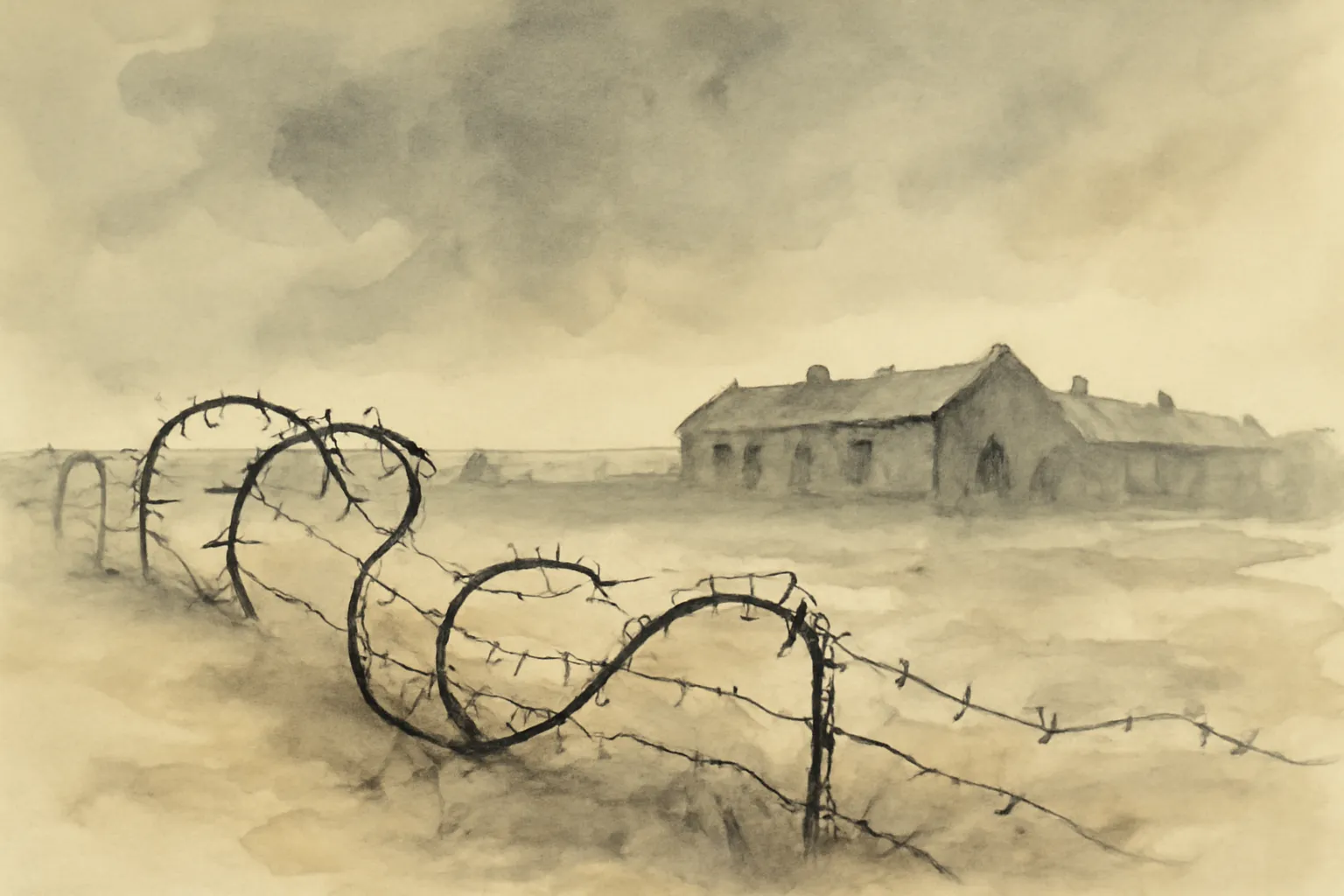
Applebaum argues that the Gulag was not a temporary or peripheral phenomenon but a central institution of the Soviet state. Rooted in the logic of the Bolshevik Revolution, the camps grew into a vast network that shaped Soviet society, economy, and governance for decades. The Gulag was both a tool of political repression and a source of forced labor, reflecting the regime’s priorities and fears. This challenges the notion that the camps were merely Stalin’s personal excess, instead revealing them as integral to the Soviet project.
Through survivor accounts and archival research, Applebaum reconstructs daily existence in the Gulag: the hunger, cold, violence, and arbitrary cruelty that defined camp life. She details how prisoners coped, formed communities, and sometimes resisted, highlighting both the dehumanizing effects and the resilience of the human spirit. The book avoids sensationalism, instead offering a nuanced portrait of suffering, adaptation, and the moral ambiguities faced by both inmates and guards.
“The Gulag was not just an economic institution, nor merely a criminal punishment, but above all a system of social control.”