1.The Dangers of Prejudice
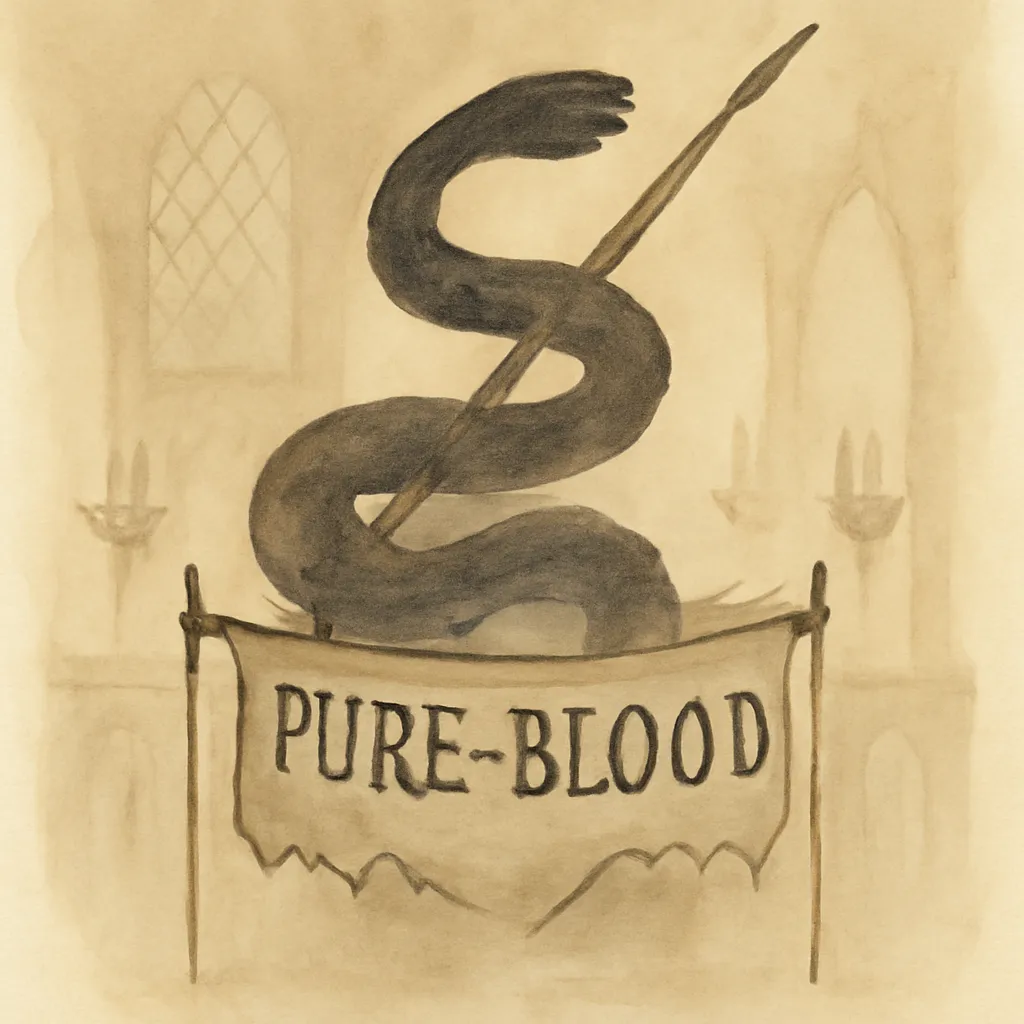
A central theme is the destructive power of prejudice, particularly through the concept of 'pure-blood' wizarding superiority. The attacks on Muggle-born students and the fear surrounding the 'Heir of Slytherin' mirror real-world issues of discrimination. Rowling uses the magical setting to examine how bigotry can divide communities and endanger the innocent, encouraging readers to question inherited biases and stand up for equality.
2.Identity and Self-Discovery
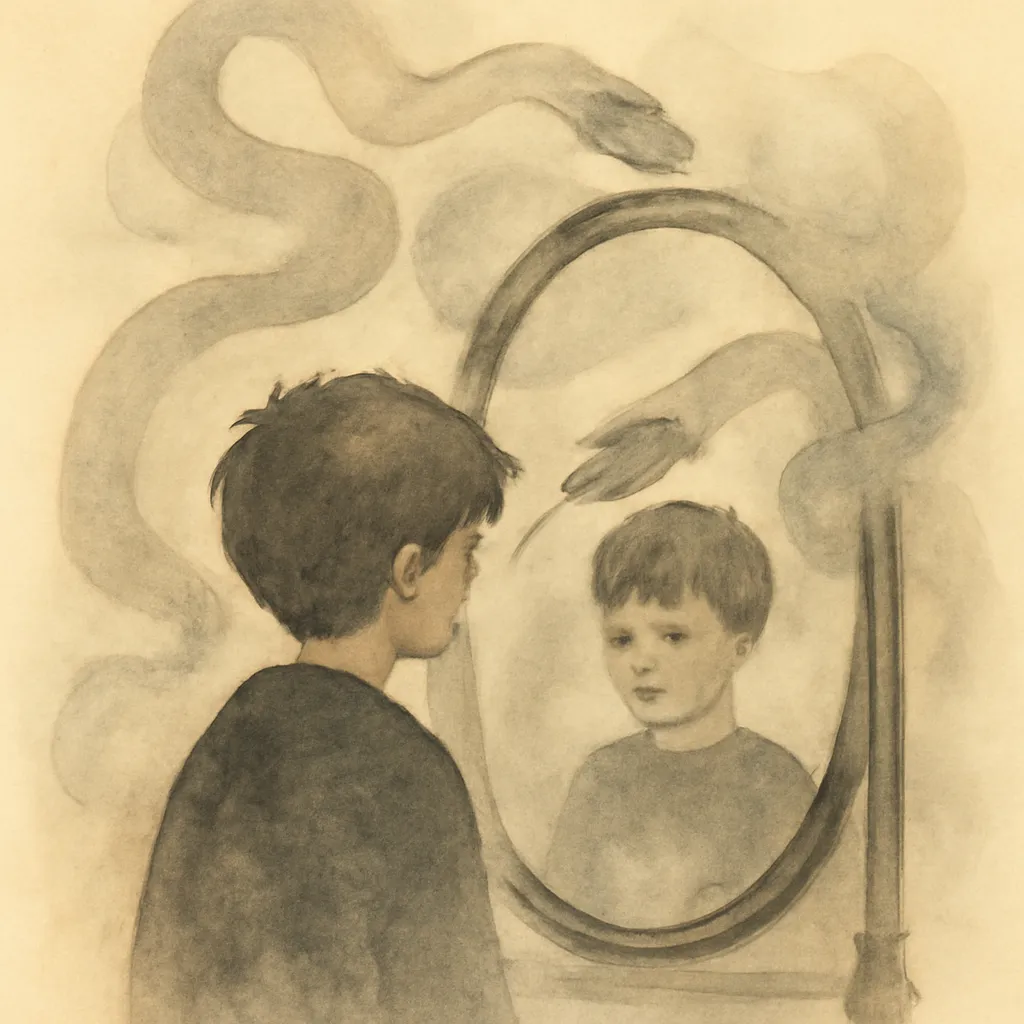
Harry’s struggle with his own identity intensifies as he learns he can speak Parseltongue, a trait associated with dark wizards. The book explores how labels and rumors can shape self-perception and how individuals must define themselves through actions rather than heritage or reputation. Harry’s journey underscores the importance of self-knowledge and moral choice.
3.The Power of Friendship and Loyalty
The unwavering support of Ron and Hermione is vital as Harry faces suspicion and danger. Their loyalty is tested by threats, rules, and personal risk, but their teamwork and trust prove essential in solving the mystery. The story highlights that true friendship involves courage, sacrifice, and standing by each other in adversity.
4.Secrets and the Consequences of Silence
Secrets—both personal and historical—drive the plot. The hidden Chamber, Tom Riddle’s diary, and the silence of those who know more than they reveal all contribute to the mounting danger. Rowling suggests that confronting the truth, even when uncomfortable, is necessary to break cycles of harm and misunderstanding.
5.The Burden and Power of Choice
Harry is repeatedly faced with choices that test his character: whether to break rules for the greater good, whom to trust, and how to respond to fear and suspicion. The book emphasizes that one’s choices, not their background, determine who they become. Dumbledore’s wisdom about choices resonates as a guiding principle.
6.The Allure and Danger of Fame
Harry’s celebrity status brings both admiration and isolation. The scrutiny he faces when suspected of being the Heir reveals the double-edged nature of fame. Rowling uses this to explore how public perception can distort reality and the importance of staying true to oneself amid external pressures.