1.The Power of Fear and Memory
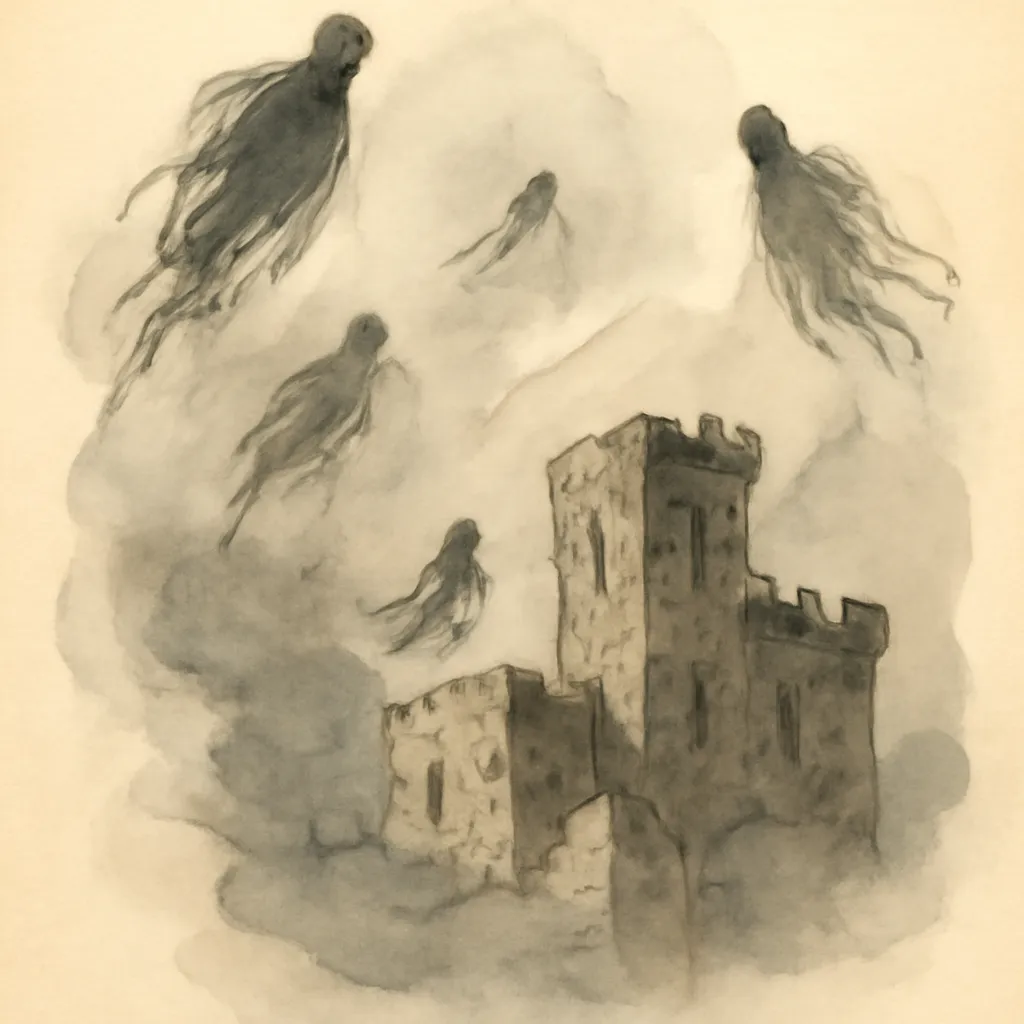
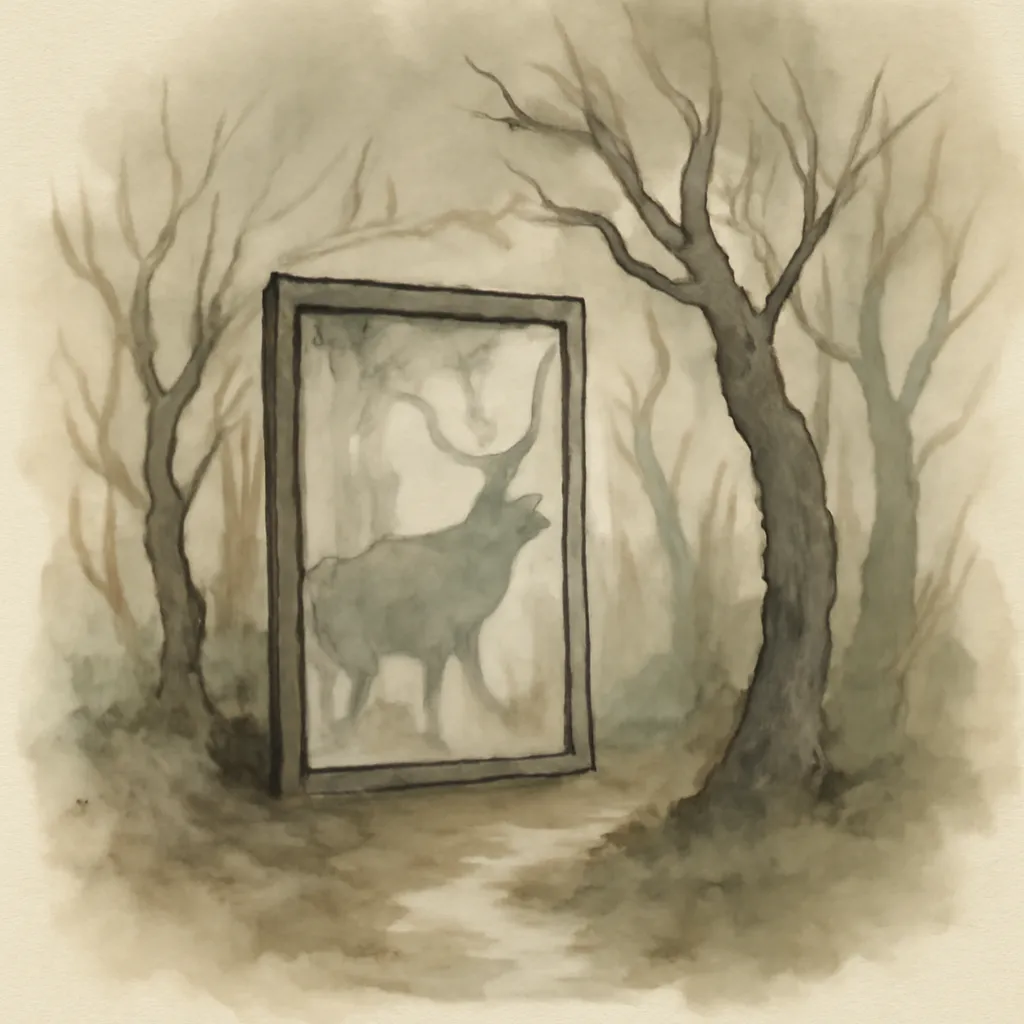
Dementors, the soul-sucking guards of Azkaban, embody the paralyzing effects of fear and trauma. Harry’s vulnerability to them is not a sign of weakness, but a reflection of his painful past and emotional depth. The book explores how confronting our darkest memories—rather than suppressing them—can lead to growth and resilience. The Patronus Charm, fueled by positive memories, becomes a metaphor for hope and inner strength in the face of overwhelming darkness.
2.Identity and Perception
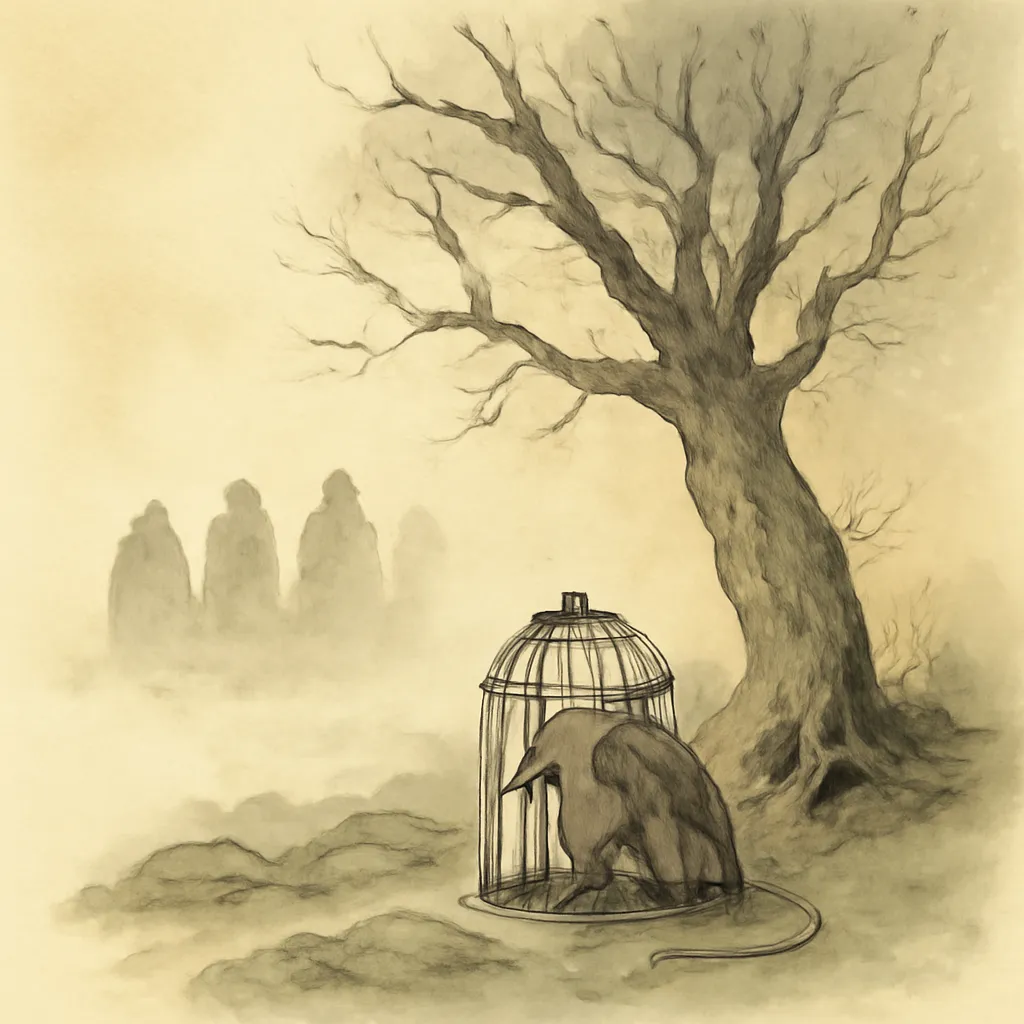
This installment challenges assumptions about identity and reputation. Sirius Black is introduced as a notorious criminal, but as the story unfolds, the truth about his character and past emerges, forcing both Harry and the reader to question appearances and inherited narratives. The shifting perceptions of characters like Lupin and Snape further highlight how prejudice, rumor, and incomplete information can distort reality.
3.The Complexity of Justice
Rowling complicates the idea of justice by showing how institutions can fail and how innocence can be obscured by prejudice. The wrongful imprisonment of Sirius Black and the fate of Buckbeak the hippogriff illustrate the dangers of hasty judgment and the importance of due process. The book suggests that true justice often requires courage, empathy, and a willingness to challenge authority.
4.Friendship and Loyalty
As Harry, Ron, and Hermione face new threats, their friendship is tested but ultimately strengthened. Hermione’s secret burden with the Time-Turner and Ron’s unwavering support highlight the sacrifices and trust that underpin real loyalty. The Marauders’ backstory—James, Sirius, Lupin, and Pettigrew—adds a layer of intergenerational friendship, showing both its power and its potential for betrayal.
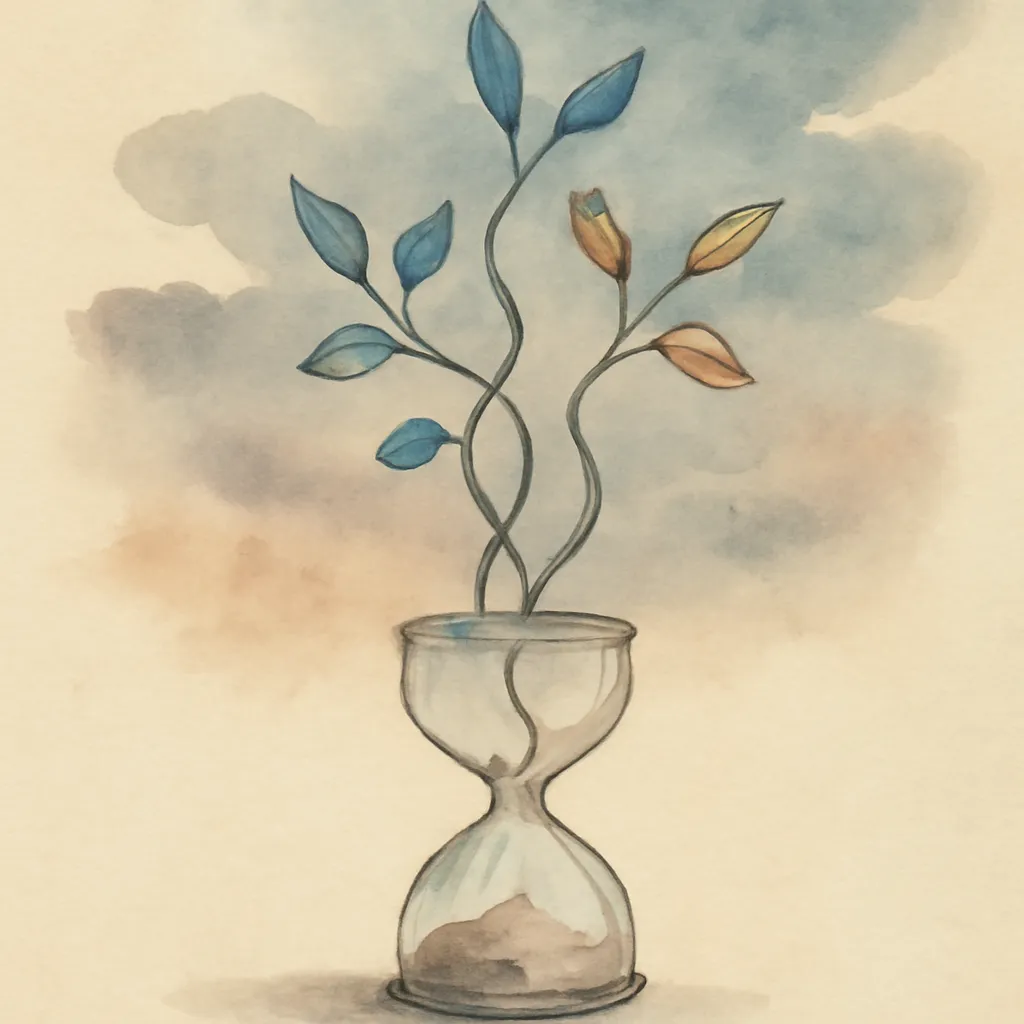
5.The Passage of Time and Second Chances
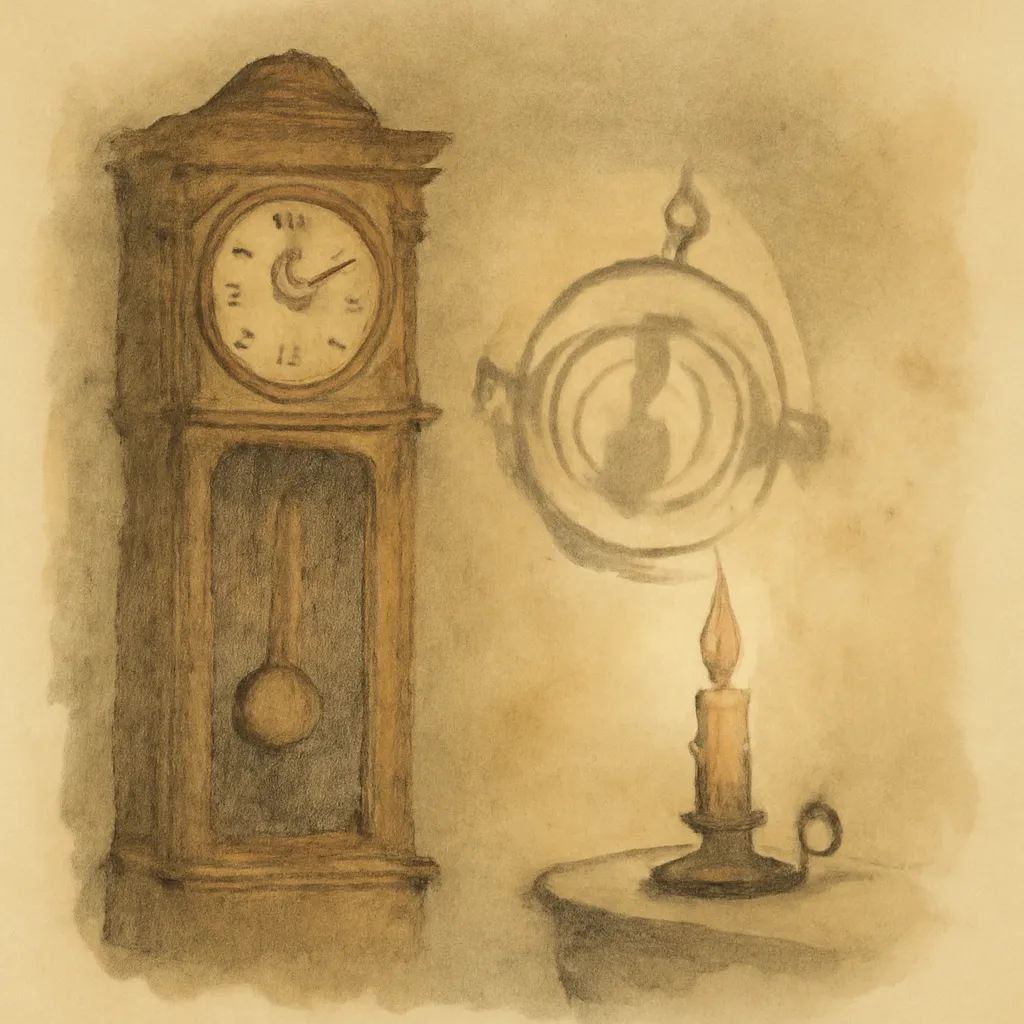
Time is a central motif, both literally (through the Time-Turner) and thematically. The narrative explores how the past haunts the present, but also how knowledge and action can rewrite destinies. The use of time travel to save both Sirius and Buckbeak underscores the possibility of redemption and the impact of courageous choices.
6.Coming of Age and Moral Ambiguity
Harry’s third year at Hogwarts is marked by a growing awareness of the world’s complexity. The story moves beyond simple good-versus-evil dynamics, introducing characters with mixed motives and histories. Harry is forced to grapple with forgiveness, revenge, and the limitations of adult authority, signaling his transition from childhood innocence to a more nuanced understanding of morality.