Fantasy fiction · orphans · foster homes
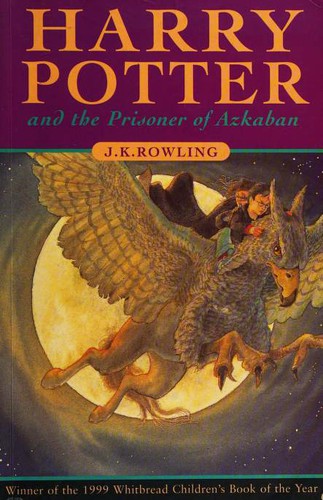
Harry Potter and the Prisoner of Azkaban by J.K. Rowling — Summary, Key Ideas & Quotes
1999416 pages✦ 3-min Big ideas★ 4.2 (633)
Rate it
For Harry Potter, it’s the start of another far-from-ordinary year at Hogwarts when the Knight Bus crashes through the darkness and comes to an abrupt halt in front of him. It turns out that Sirius Black, mass-murderer and follower of Lord Voldemort, has escaped – and they say he is coming after Harry. In his first Divination class, Professor Trelawney sees an omen of death in Harry’s tea leaves. And perhaps most frightening of all are the Dementors patrolling the school grounds with their soul-sucking kiss – in search of fresh victims. ([source][1])
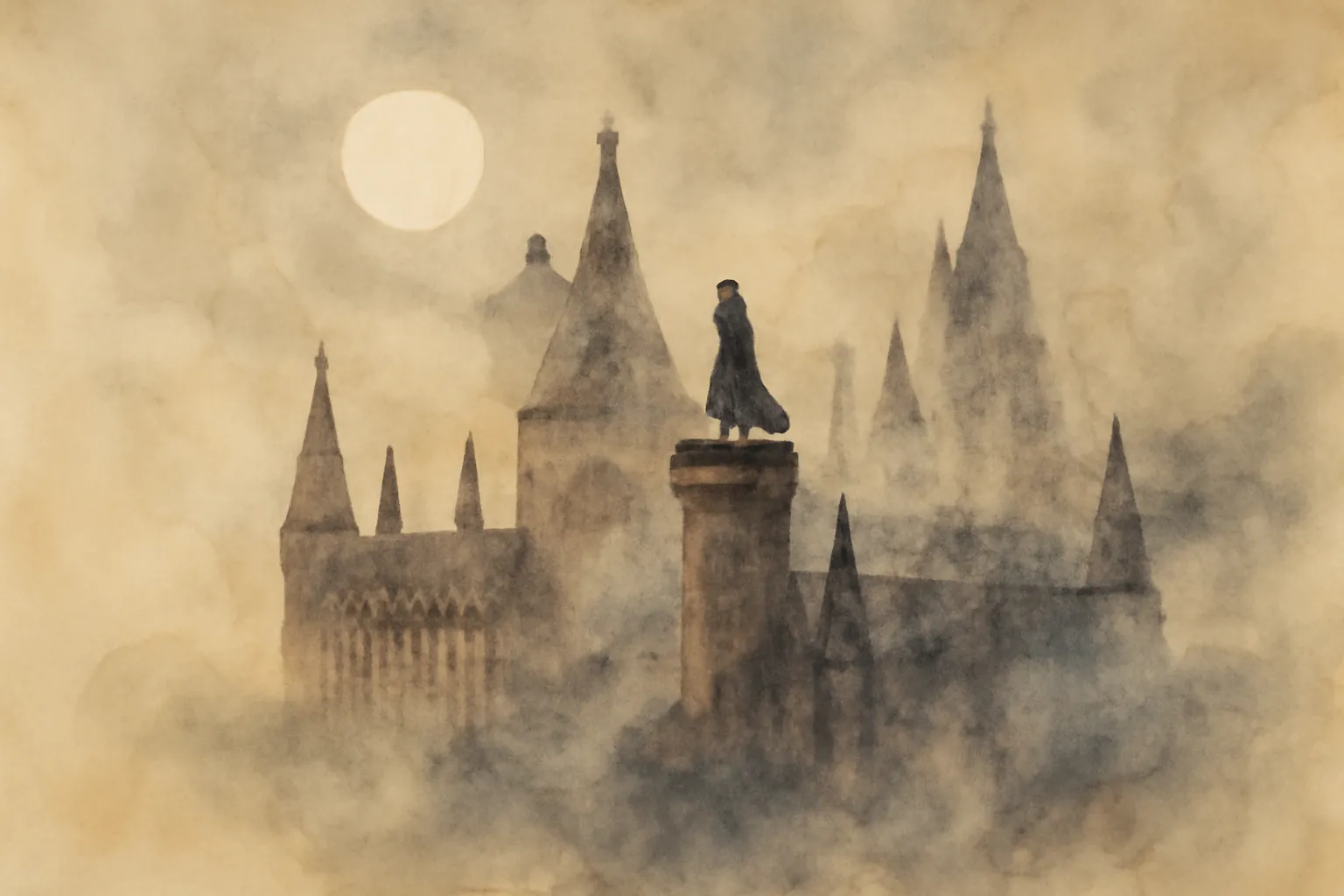
Dementors, the soul-sucking guards of Azkaban, embody the paralyzing effects of fear and trauma. Harry’s vulnerability to them is not a sign of weakness, but a reflection of his painful past and emotional depth. The book explores how confronting our darkest memories—rather than suppressing them—can lead to growth and resilience. The Patronus Charm, fueled by positive memories, becomes a metaphor for hope and inner strength in the face of overwhelming darkness.
This installment challenges assumptions about identity and reputation. Sirius Black is introduced as a notorious criminal, but as the story unfolds, the truth about his character and past emerges, forcing both Harry and the reader to question appearances and inherited narratives. The shifting perceptions of characters like Lupin and Snape further highlight how prejudice, rumor, and incomplete information can distort reality.
“Happiness can be found, even in the darkest of times, if one only remembers to turn on the light.”
“I solemnly swear that I am up to no good.”
“Mischief managed.”
“You think the dead we loved ever truly leave us?”