
End of the world · Humorous · Fantasy fiction
Good Omens by Neil Gaiman and Terry Pratchett — Summary, Key Ideas & Quotes
1990400 pages✦ 3-min Big ideas★ 4.4 (88)
Rate it
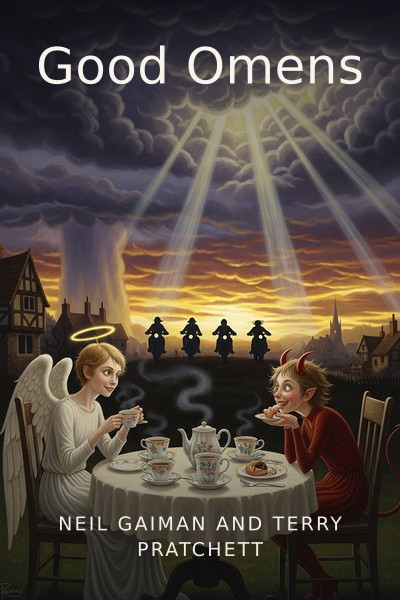
Armageddon only happens once, you know. They don't let you go around again until you get it right. According to the Nice and Accurate Prophecies of Agnes Nutter, Witch - the world's only totally reliable guide to the future, written in 1655, before she exploded - the world will end on a Saturday. Next Saturday, in fact. Just after tea... People have been predicting the end of the world almost from its very beginning, so it's only natural to be sceptical when a new date is set for Judgement Day. This time though, the armies of Good and Evil really do appear to be massing. The four Bikers of the Apocalypse are hitting the road. But both the angels and demons - well, one fast-living demon and a somewhat fussy angel - would quite like the Rapture not to happen. Oh, and someone seems to have misplaced the Antichrist...
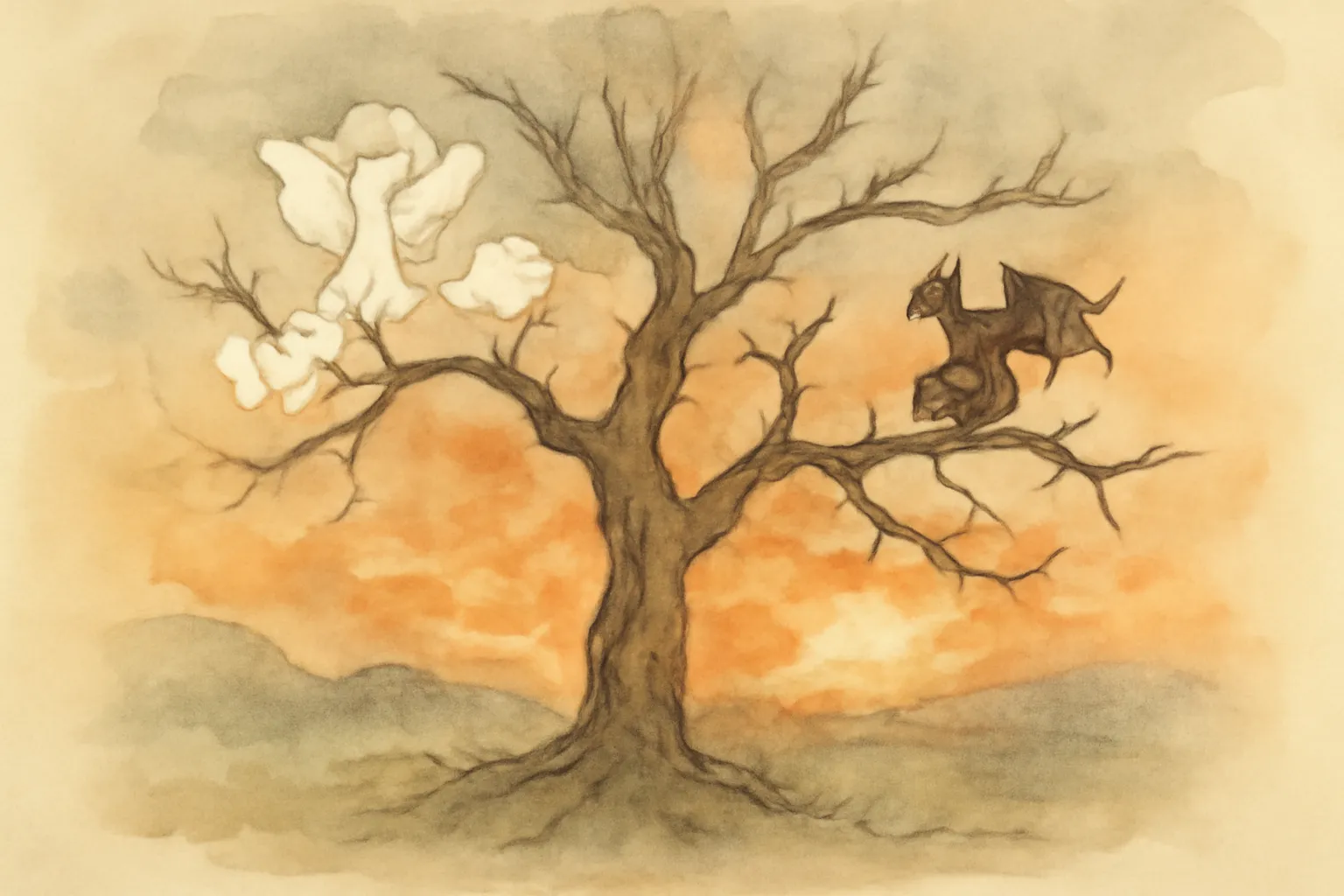
Good Omens subverts the classic battle between Heaven and Hell by making its central angel (Aziraphale) and demon (Crowley) reluctant antagonists who have grown fond of Earth and humanity. Their friendship and shared desire to prevent Armageddon highlight the complexity and ambiguity of morality. Rather than being pure embodiments of their respective sides, both characters are nuanced, suggesting that good and evil are not always clear-cut, and that personal choice and empathy can transcend cosmic binaries.
The novel lampoons apocalyptic literature and the human fascination with doomsday predictions. Through the 'Nice and Accurate Prophecies of Agnes Nutter,' the book pokes fun at the seriousness with which people treat prophecies and the absurdity of trying to control fate. This satirical approach encourages readers to question blind faith in destiny and the institutions that claim authority over it.
“God does not play dice with the universe; He plays an ineffable game of His own devising.”
“Most of the great triumphs and tragedies of history are caused, not by people being fundamentally good or fundamentally evil, but by people being fundamentally people.”
“It may help to understand human affairs to be clear that most of the great triumphs and tragedies of history are caused, not by people being fundamentally good or fundamentally bad, but by people being fundamentally people.”