1.The Blurring of Good and Evil
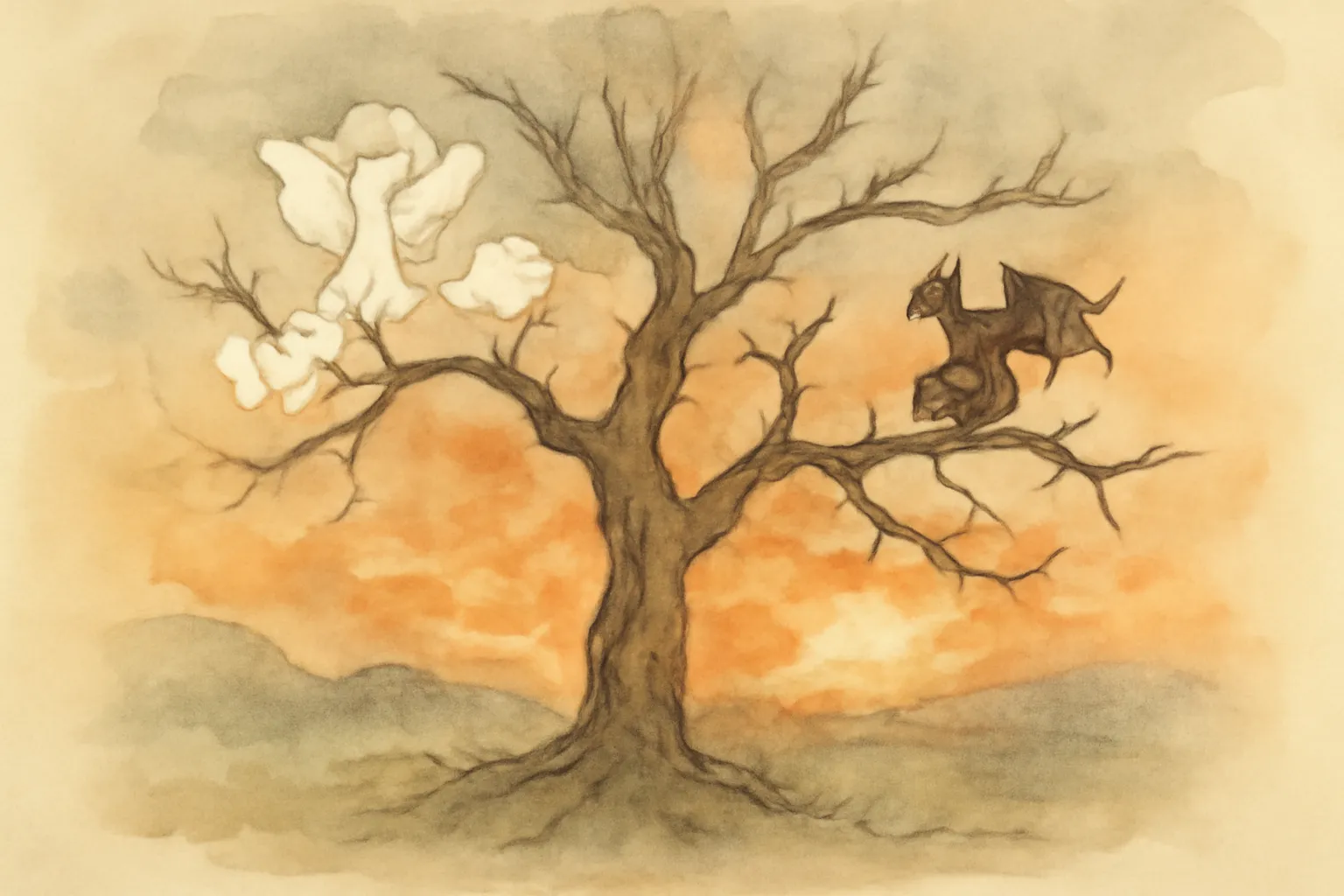
Good Omens subverts the classic battle between Heaven and Hell by making its central angel (Aziraphale) and demon (Crowley) reluctant antagonists who have grown fond of Earth and humanity. Their friendship and shared desire to prevent Armageddon highlight the complexity and ambiguity of morality. Rather than being pure embodiments of their respective sides, both characters are nuanced, suggesting that good and evil are not always clear-cut, and that personal choice and empathy can transcend cosmic binaries.
2.Satirizing Apocalypse and Prophecy
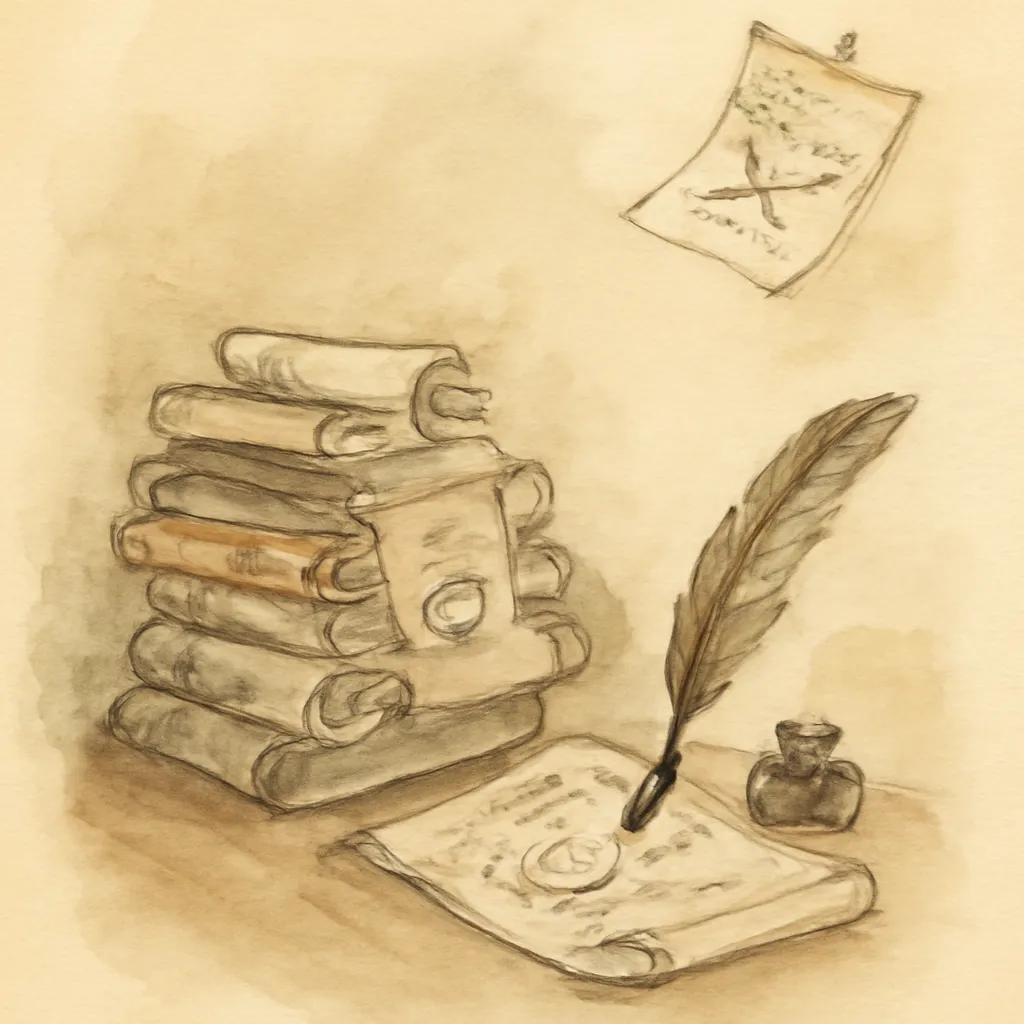
The novel lampoons apocalyptic literature and the human fascination with doomsday predictions. Through the 'Nice and Accurate Prophecies of Agnes Nutter,' the book pokes fun at the seriousness with which people treat prophecies and the absurdity of trying to control fate. This satirical approach encourages readers to question blind faith in destiny and the institutions that claim authority over it.
3.Human Nature and Free Will
At its core, Good Omens is a celebration of human quirks, flaws, and the unpredictable nature of free will. The Antichrist, Adam, is raised as a normal boy and, when given the ultimate choice, rejects the roles imposed on him by cosmic powers. This emphasizes the idea that humanity is defined not by external labels but by the choices individuals make, often in defiance of grand narratives.
4.Absurdity as Insight
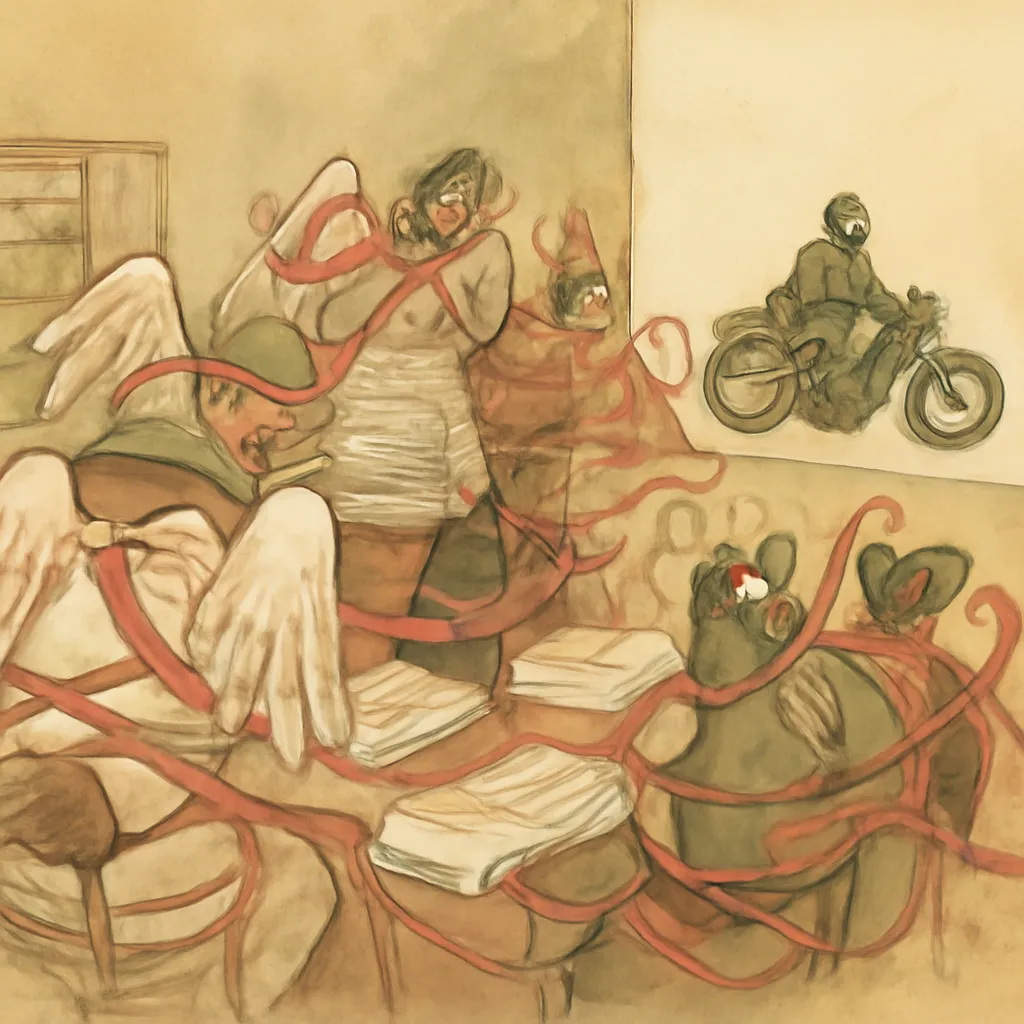
The book’s humor is not just for laughs; it serves as a lens to examine serious topics like bureaucracy, religious dogma, and the nature of belief. By exaggerating the inefficiencies of both Heaven and Hell, and depicting the Four Horsemen as modern bikers, Gaiman and Pratchett invite readers to reflect on the absurdities present in real-world institutions and ideologies.
5.The Power of Friendship and Small Acts
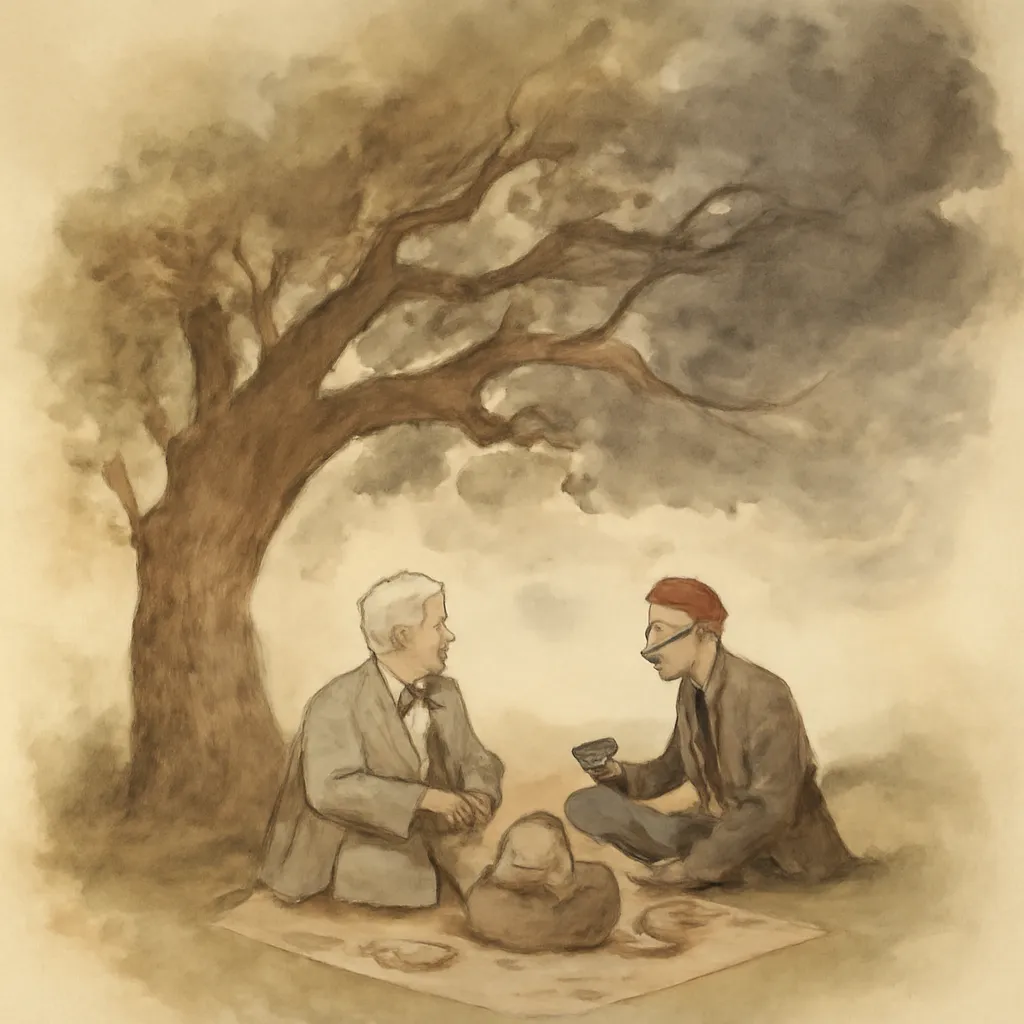
Aziraphale and Crowley’s unlikely partnership is a testament to the power of friendship and cooperation across divides. Their small, everyday choices to help or hinder, rather than grand gestures, ultimately shape the fate of the world. The novel suggests that it is the cumulative effect of ordinary kindness and understanding that truly matters.
6.Subverting Expectations
Good Omens delights in undermining reader expectations, from the misplaced Antichrist to the anticlimactic final confrontation. By refusing to follow the standard script of apocalyptic fiction, the authors encourage readers to question narratives of inevitability and embrace uncertainty and possibility.