1.The Allure of the Alps
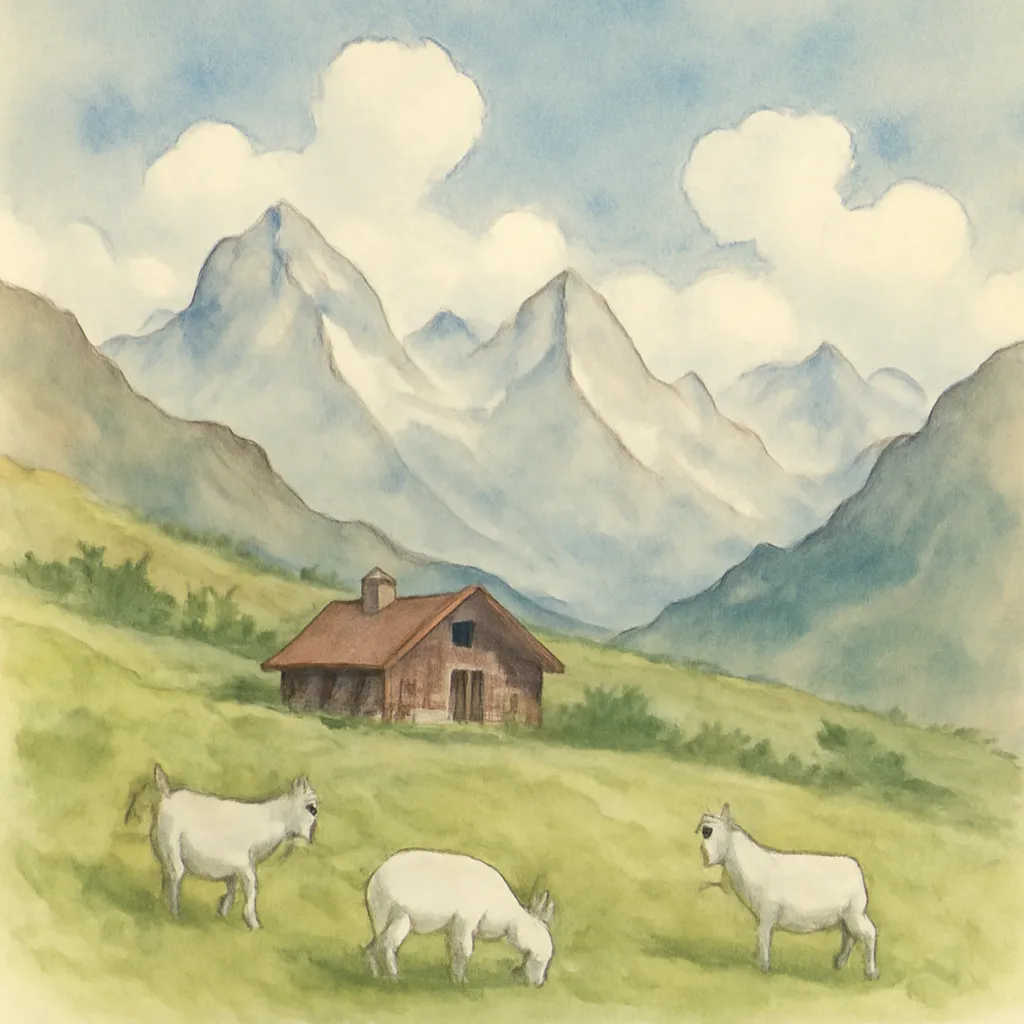
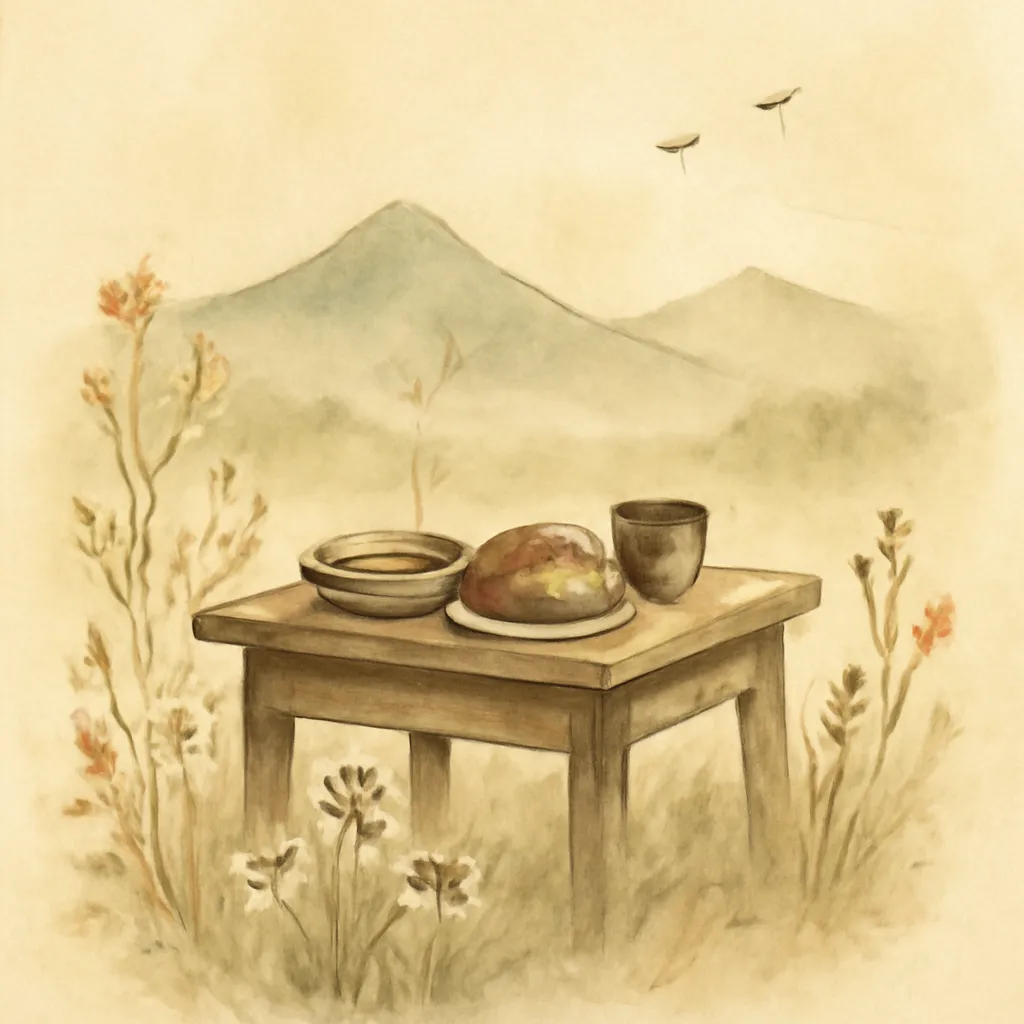
From the very beginning, the Swiss Alps are depicted as a character in their own right. Heidi's new home with her grandfather is set against the backdrop of majestic mountains, lush meadows, and the vibrant life of nature. The pristine environment not only shapes Heidi's personality but also enhances her spirit. The descriptions of the landscape evoke a sense of peace and freedom that contrasts sharply with the constraints of city life. The mountains symbolize the ideals of simplicity, happiness, and connection to the earth. Heidi's initial journey to her grandfather's hut is filled with excitement and wonder, setting the tone for her deep bond with the natural world.
2.Heidi's Transformation through Love
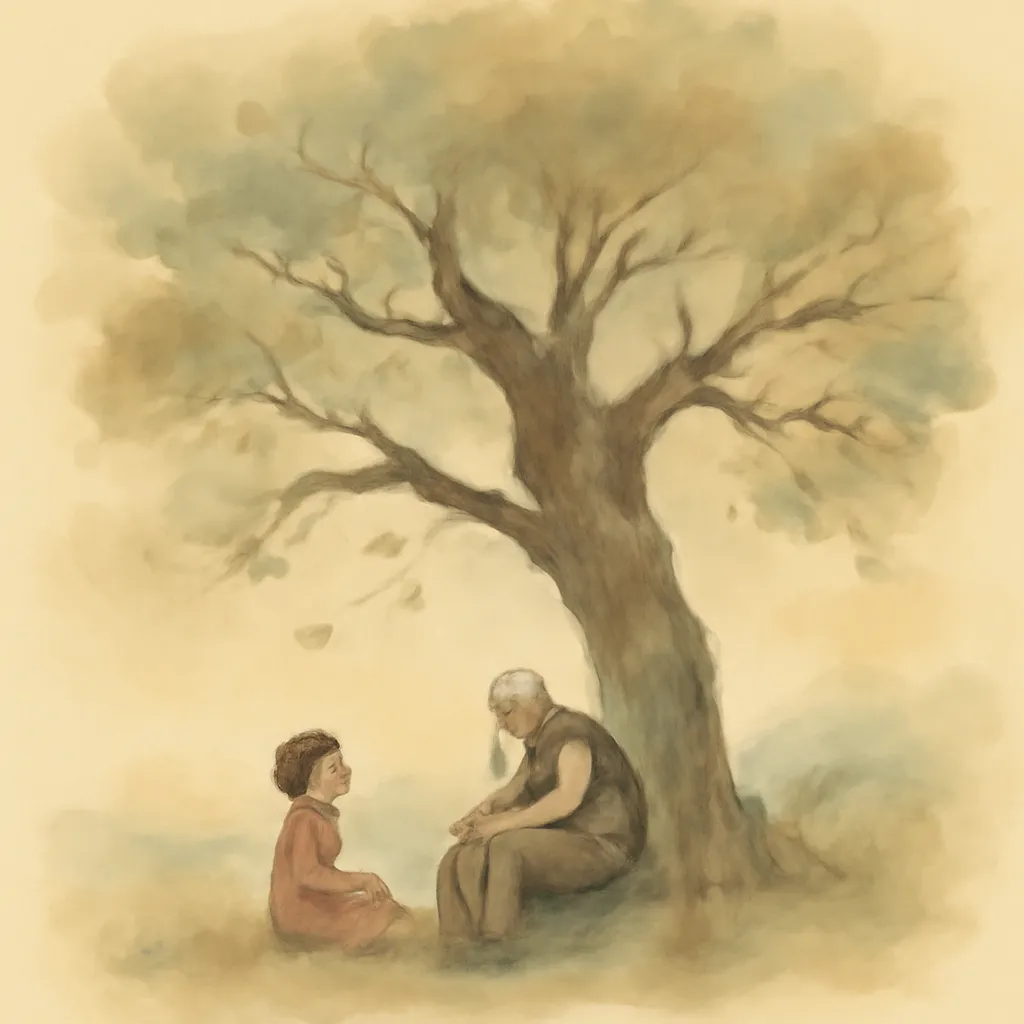
Heidi's arrival at her grandfather's home marks the beginning of her transformation. Initially seen as a burden, her grandfather, Alm-Uncle, gradually warms to her presence. His character evolves from a gruff recluse to a loving guardian, demonstrating how love can change a person. Heidi's genuine affection for her grandfather brings out his softer side, allowing him to reconnect with his own humanity. This relationship showcases the power of familial love and the healing it can bring, even to those who have long been withdrawn from emotional connections. As Heidi thrives in this nurturing environment, she embodies the idea that love fosters growth and happiness.
3.Friendship and Companionship
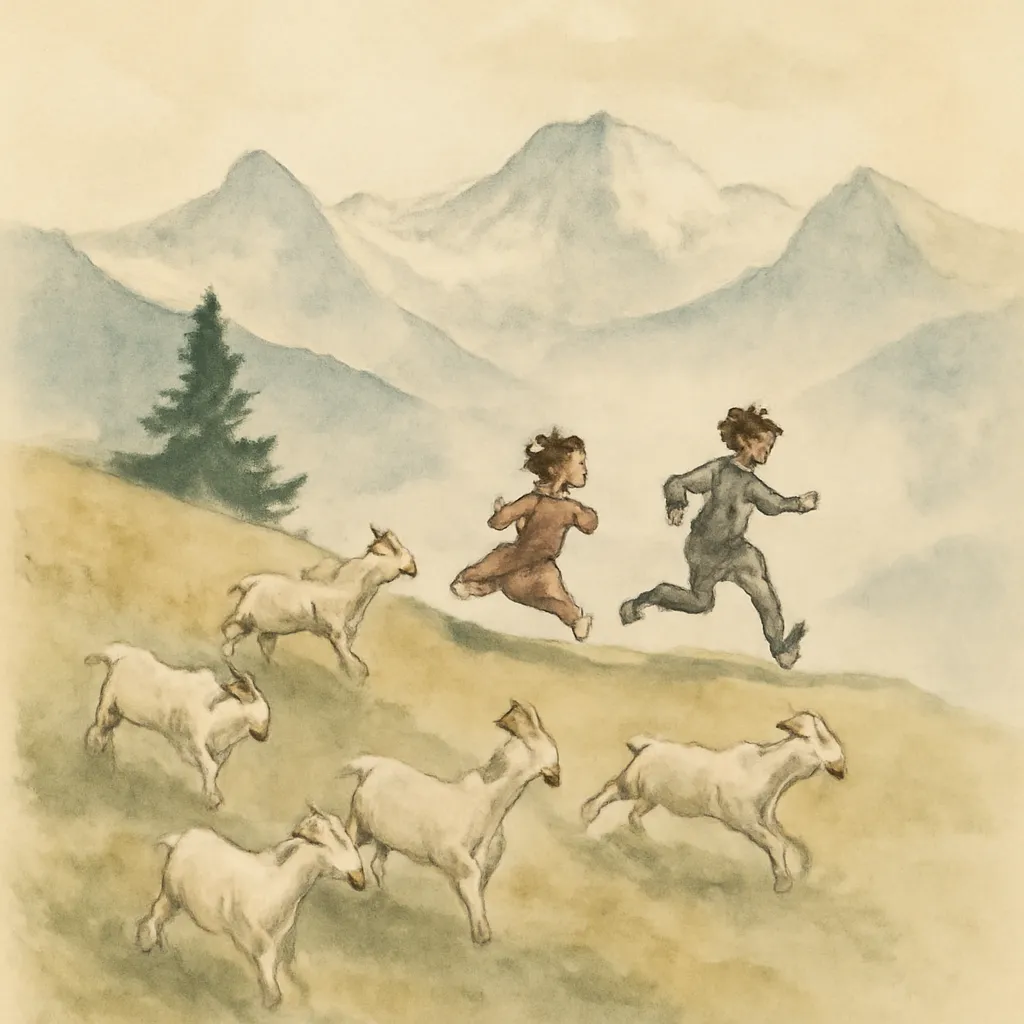
The bond between Heidi and Peter, the goatherd, exemplifies the pure joy of childhood friendship. Their days spent on the mountains, tending to the goats, are filled with laughter, adventure, and shared experiences. Peter's initial jealousy of Heidi's friendship with Clara in Frankfurt highlights the importance of loyalty and companionship. Despite the challenges, their friendship withstands the test of time and distance. When Heidi is taken away to the city, Peter's feelings of abandonment and his struggle to adapt to his new reality illustrate the depth of their bond. This theme emphasizes that true friendship can endure hardships and that those connections are vital to our well-being.
4.The Contrast of Urban Life
Heidi's journey to Frankfurt starkly contrasts her idyllic life in the Alps. The city represents a world filled with rigid structures, societal expectations, and emotional detachment. In her new environment, Heidi feels trapped and disconnected, unable to breathe in the same free spirit she enjoyed in the mountains. The oppressive atmosphere of her wealthy surroundings, characterized by the cold demeanor of Fraulein Rottenmeier and the constraints of Clara's illness, highlights the challenges of fitting into a society that values conformity over individuality. This juxtaposition serves to reinforce the message that true happiness is found in nature and authentic relationships rather than material wealth or societal status.
5.The Healing Power of Nature
Throughout the narrative, nature plays a pivotal role in shaping Heidi's identity and providing solace. The mountains, with their fresh air and vibrant landscapes, serve as a sanctuary for Heidi and Clara. When Clara visits the Alps, it becomes evident that the natural surroundings have a rejuvenating effect on her health, both physically and emotionally. The scenes in which Clara experiences the beauty of the mountains illustrate how nature can heal and uplift the human spirit. This theme underscores the importance of preserving natural environments for their inherent value and their ability to restore well-being. By embracing nature, the characters find clarity and peace amidst their struggles.
6.The Importance of Family Ties
Heidi's relationships with her grandfather and Clara emphasize the significance of family and community. The nurturing bond between Heidi and her grandfather showcases the profound impact of familial love on a child's development. Similarly, Clara's connection with her father, Herr Sesemann, reveals the protective instincts of a parent and the lengths they will go to ensure their child's happiness. The arrival of Clara's grandmother adds another layer to the theme of family, as she provides warmth and support during a crucial time. These relationships illustrate that the strength of family ties can offer comfort and guidance, especially in times of uncertainty.
7.The Value of Simplicity
Heidi's life in the mountains is characterized by simplicity and authenticity, contrasting sharply with the complexities of urban living. The joys she finds in small pleasures—such as the sound of the wind in the fir trees, the company of goats, and the beauty of flowers—serve as reminders of the richness found in a simple life. This theme resonates throughout the story, encouraging readers to appreciate the little things that bring happiness. The simplicity of Heidi's existence allows her to develop a strong sense of self and a deep appreciation for the world around her. In a society that often prioritizes materialism, Heidi's journey serves as a powerful reminder of the beauty and fulfillment that can be found in a life rooted in simplicity.
8.The Journey of Self-Discovery
As Heidi navigates her two contrasting worlds, she embarks on a journey of self-discovery. Her experiences in Frankfurt challenge her to adapt and grow, forcing her to confront her own identity and values. Despite the pressures to conform, Heidi remains true to herself, demonstrating resilience and strength. The lessons she learns from her grandfather, friends, and the natural world shape her understanding of happiness and fulfillment. This journey of self-discovery is not only about finding one’s place in the world but also about understanding the importance of staying connected to one’s roots. Heidi’s ability to embrace her true self, regardless of her surroundings, serves as an inspiration for readers to pursue their own paths of self-acceptance and authenticity.
9.The Role of Kindness and Compassion
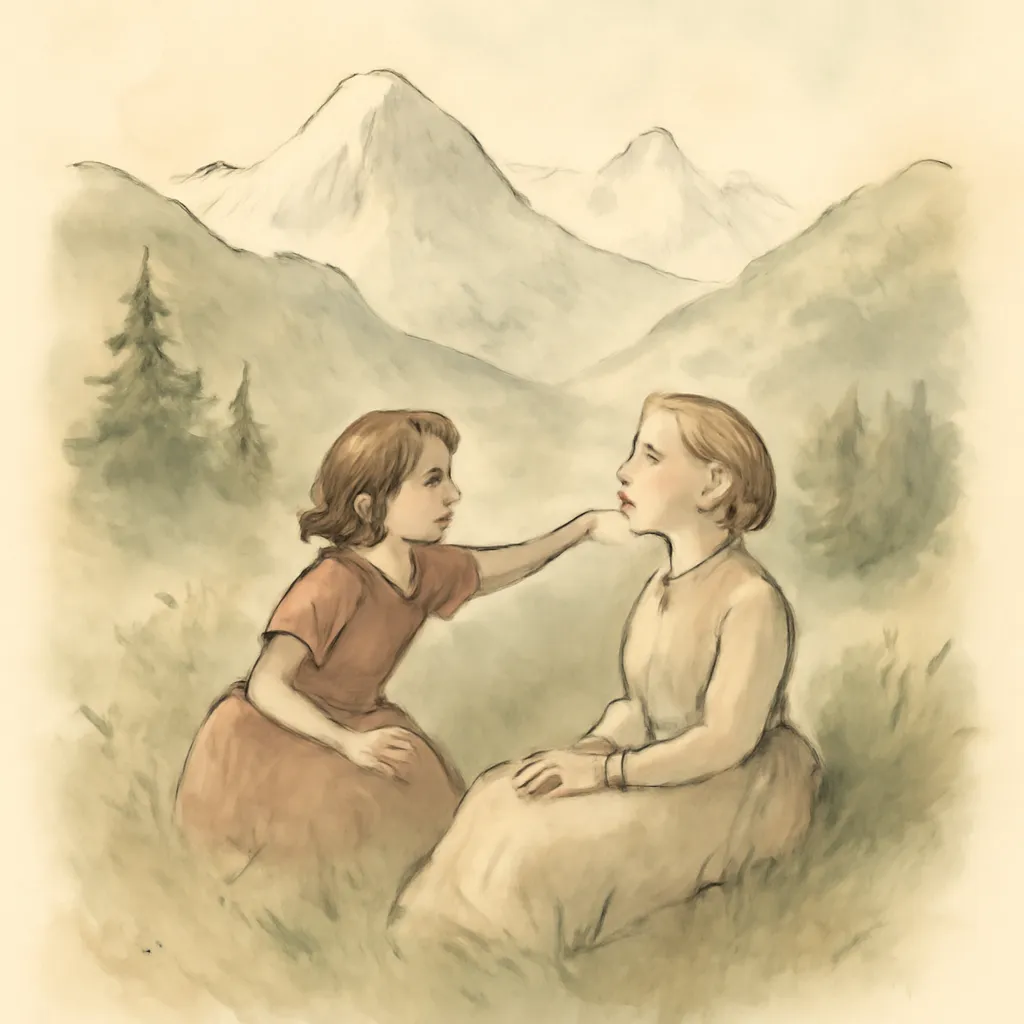
Throughout 'Heidi,' acts of kindness and compassion play a significant role in shaping the narrative. From Heidi's gentle nature towards the animals to her heartfelt care for Clara, these qualities highlight the importance of empathy in human relationships. The interactions between characters often showcase how small acts of kindness can have profound effects on others. For example, when Heidi comforts Clara during her moments of despair, it not only strengthens their bond but also reinforces the idea that compassion can bridge emotional gaps. This theme encourages readers to practice kindness in their daily lives, as it fosters connection and understanding in an often disconnected world.
10.Returning Home: The Power of Belonging
Ultimately, 'Heidi' is a story about belonging and the deep-rooted desire to return home. After her experiences in Frankfurt, Heidi longs for the freedom and love she found in the Alps. Her return to the mountains symbolizes a full-circle journey back to her true self and the people who matter most. This homecoming not only revitalizes Heidi but also brings healing to those around her, particularly Clara and her grandfather. The story conveys that true belonging is not merely about physical space; it encompasses emotional connections and a sense of purpose. In this way, 'Heidi' serves as a poignant reminder of the importance of finding one’s place in the world and cherishing the bonds that create a sense of home.