1.The Burden of Destiny
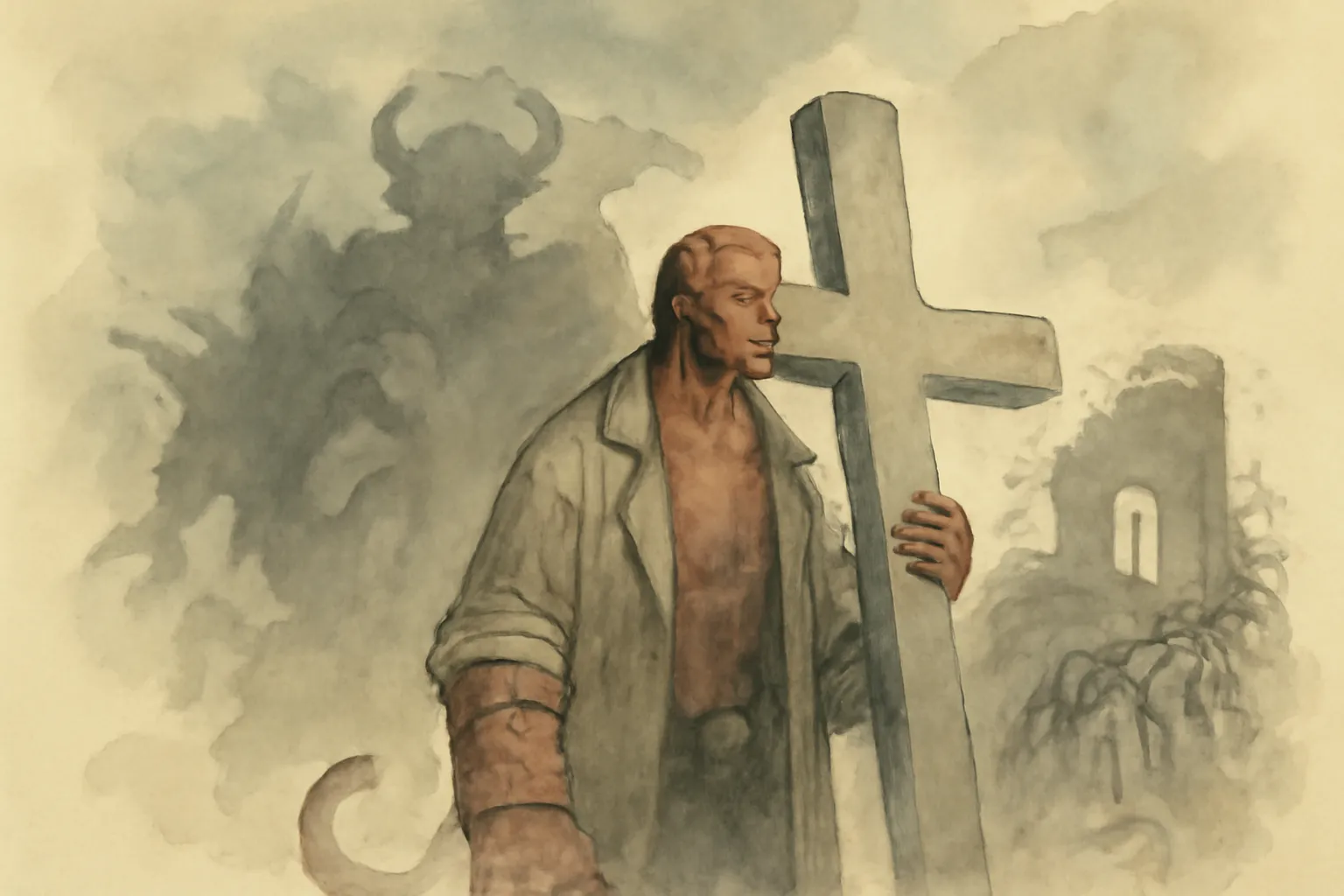
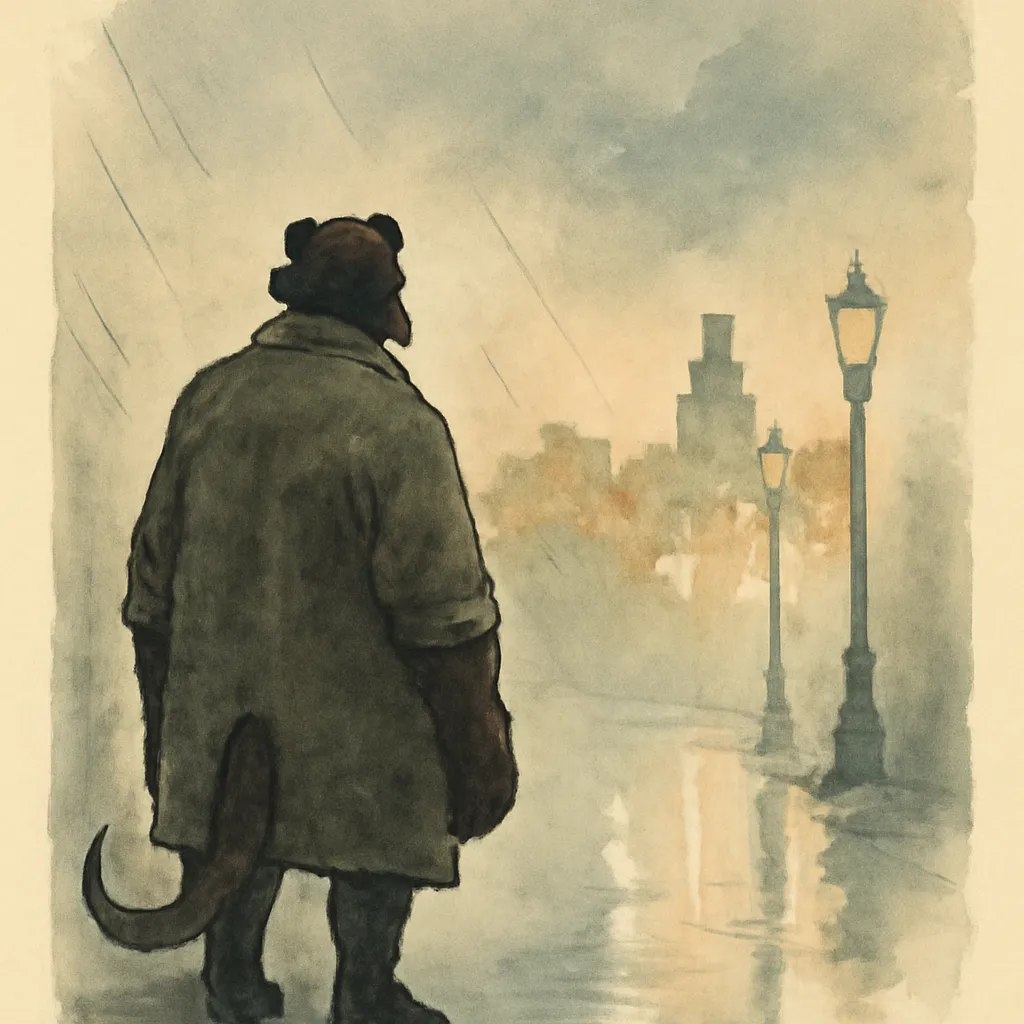
Hellboy’s very existence is shaped by prophecy and the machinations of others—he is summoned as a weapon by Nazi occultists, yet raised to be a force for good. This tension between predetermined fate and personal choice is central to the story. Hellboy’s struggle with his origins and the expectations placed upon him echoes broader questions about free will: Are we bound by the circumstances of our birth, or can we define ourselves through our actions? The narrative uses supernatural elements to dramatize this universal conflict, making Hellboy’s journey both epic and deeply personal.
2.Family, Belonging, and Alienation
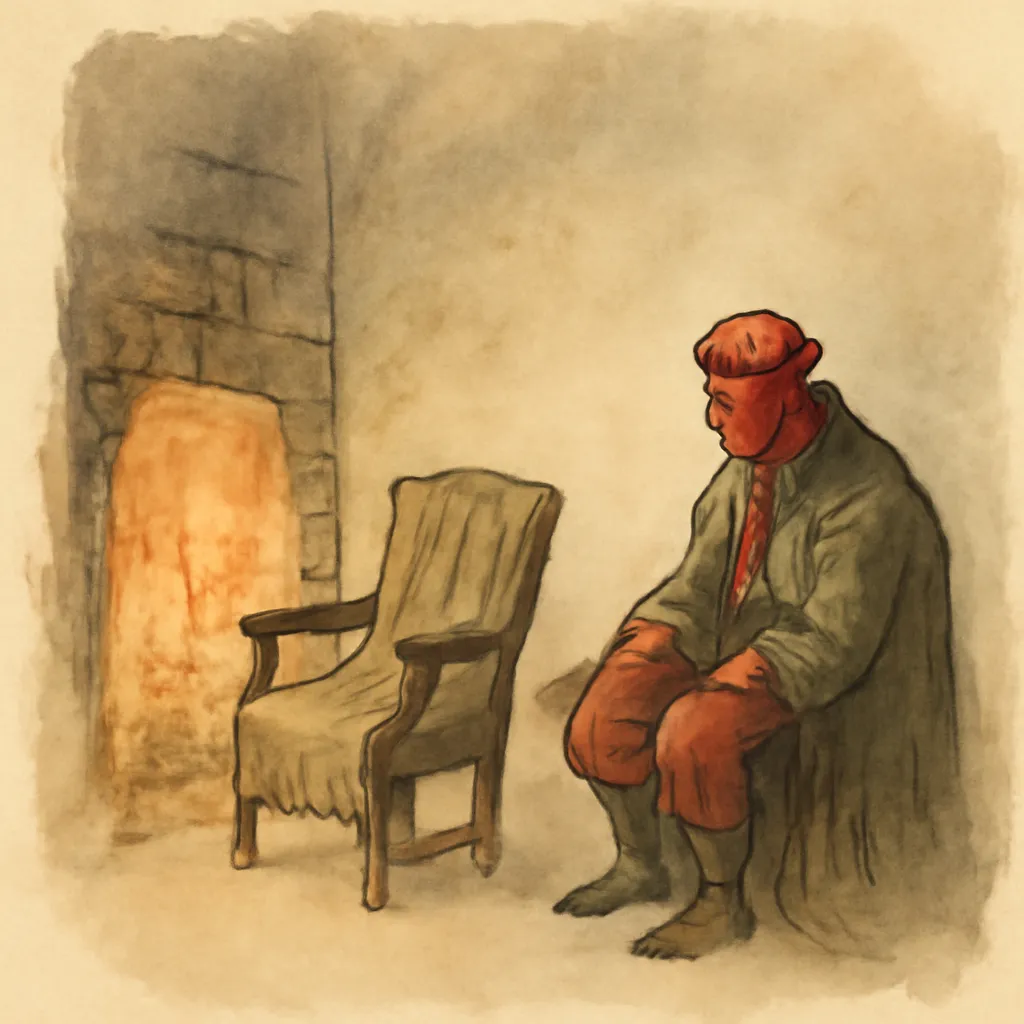
Despite his demonic appearance, Hellboy is emotionally grounded by his adoptive father, Professor Bruttenholm, and his colleagues in the Bureau for Paranormal Research and Defense (B.P.R.D.). The story explores what it means to belong when you are fundamentally different. Hellboy’s relationships provide him with a sense of humanity, even as he faces reminders of his infernal origins. This theme resonates with anyone who has felt like an outsider, highlighting the importance of chosen family and loyalty.
3.Monsters as Mirrors
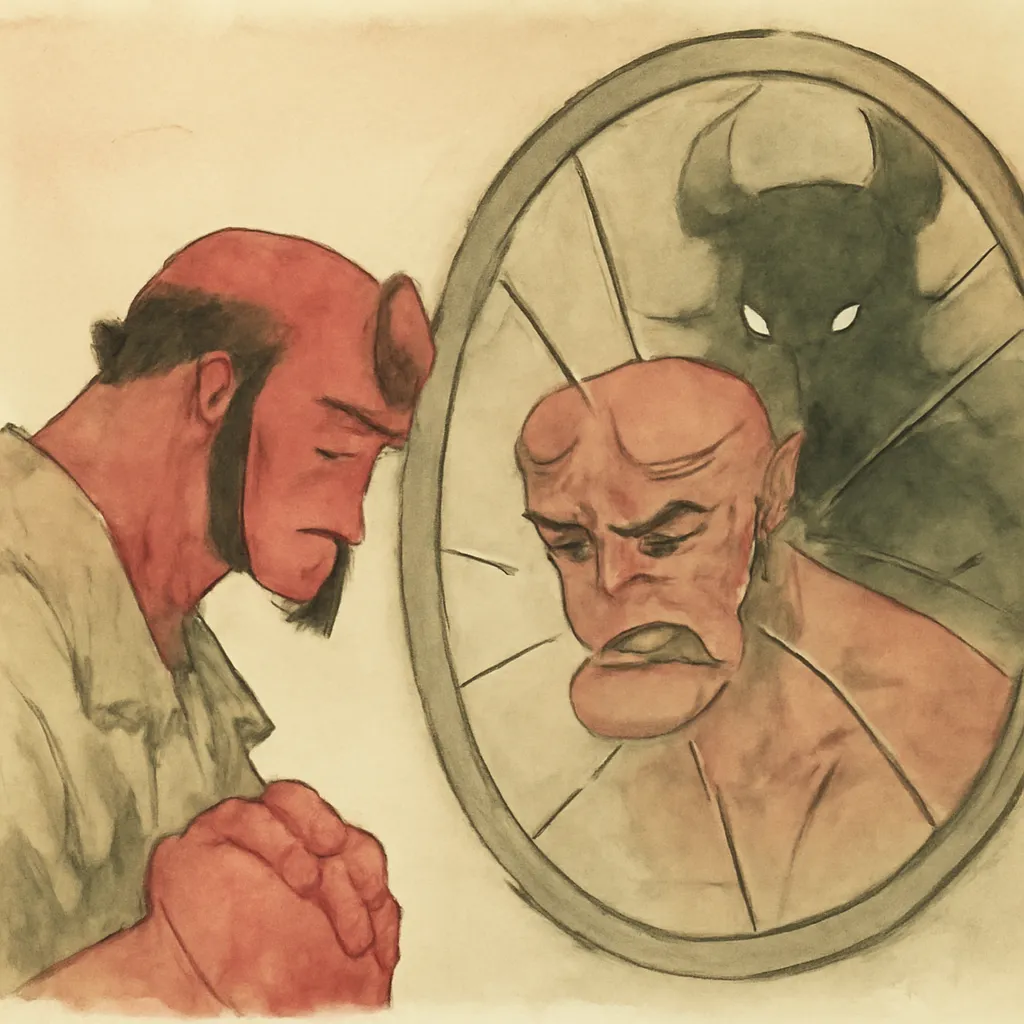
Mignola populates the world with grotesque creatures and eldritch horrors, but the true monsters are often those who seek power at any cost. The supernatural antagonists reflect aspects of Hellboy’s own nature and fears, forcing him to confront what he might become. The line between monster and man is blurred, inviting readers to question what truly defines humanity. The gothic and mythic visuals reinforce this ambiguity, making the horror both literal and metaphorical.
4.Visual Storytelling and Atmosphere
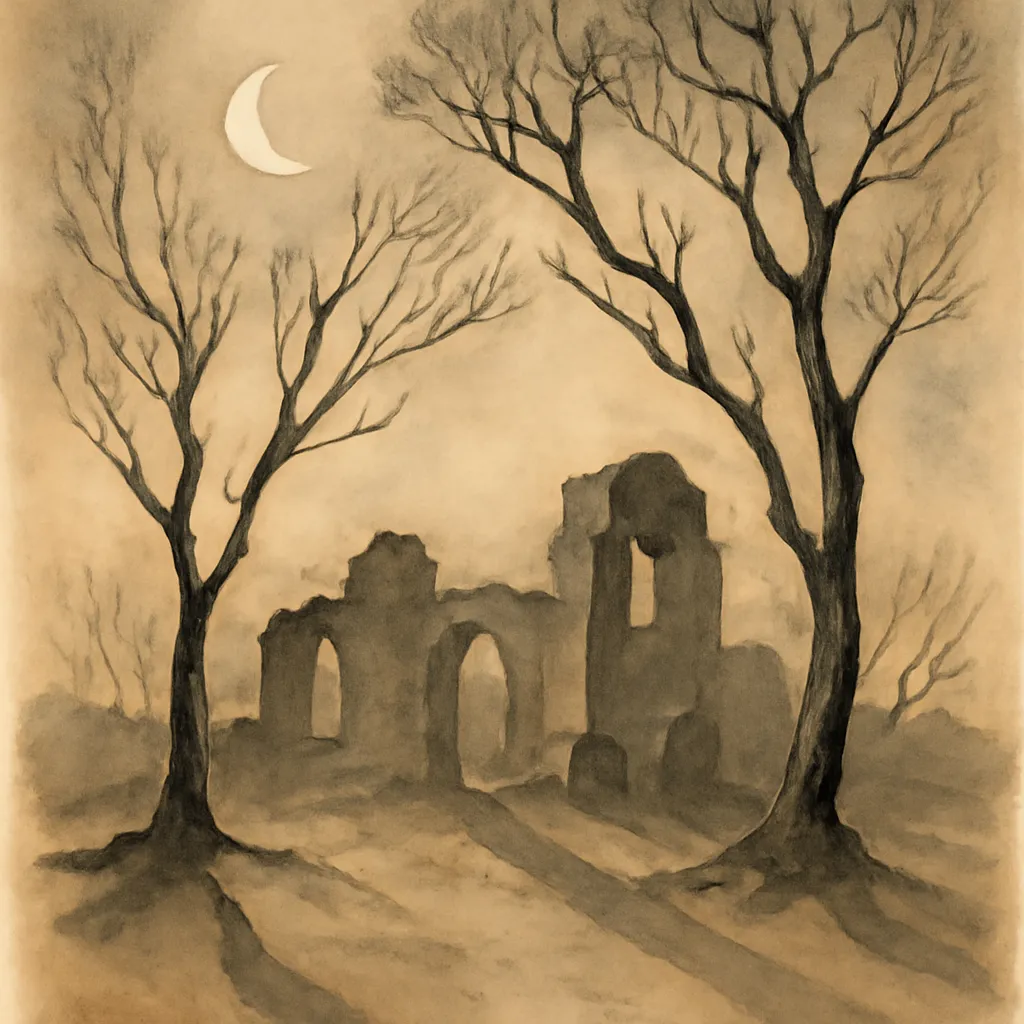
Mignola’s art is as integral to the narrative as the script. His use of shadow, negative space, and stark compositions creates a moody, immersive atmosphere that sets Hellboy apart from other comics. The visuals evoke classic horror and folklore, supporting the story’s themes of darkness and the unknown. The art style not only establishes a unique tone but also enhances the emotional resonance of the story, making the supernatural feel tangible and immediate.
5.The Weight of Myth and Folklore
Seed of Destruction draws heavily on mythological, folkloric, and literary sources, weaving them into a new mythology for Hellboy. The story references ancient gods, Lovecraftian horrors, and European legends, creating a rich tapestry of influences. This intertextuality adds depth and a sense of timelessness, suggesting that Hellboy’s struggles are part of a larger, ongoing battle between order and chaos. For readers, this layering of myth enhances the story’s stakes and resonance.
6.The Humanization of the Supernatural
Despite its monsters and cosmic threats, the story is ultimately about human emotions—grief, loyalty, fear, and hope. Hellboy’s dry humor and vulnerability make him relatable, grounding the fantastic elements in genuine feeling. The narrative balances action with introspection, ensuring that the supernatural never overshadows the characters’ humanity. This approach makes the book accessible even to those new to horror or fantasy comics.