1.The Early Years: A Life of Adventure
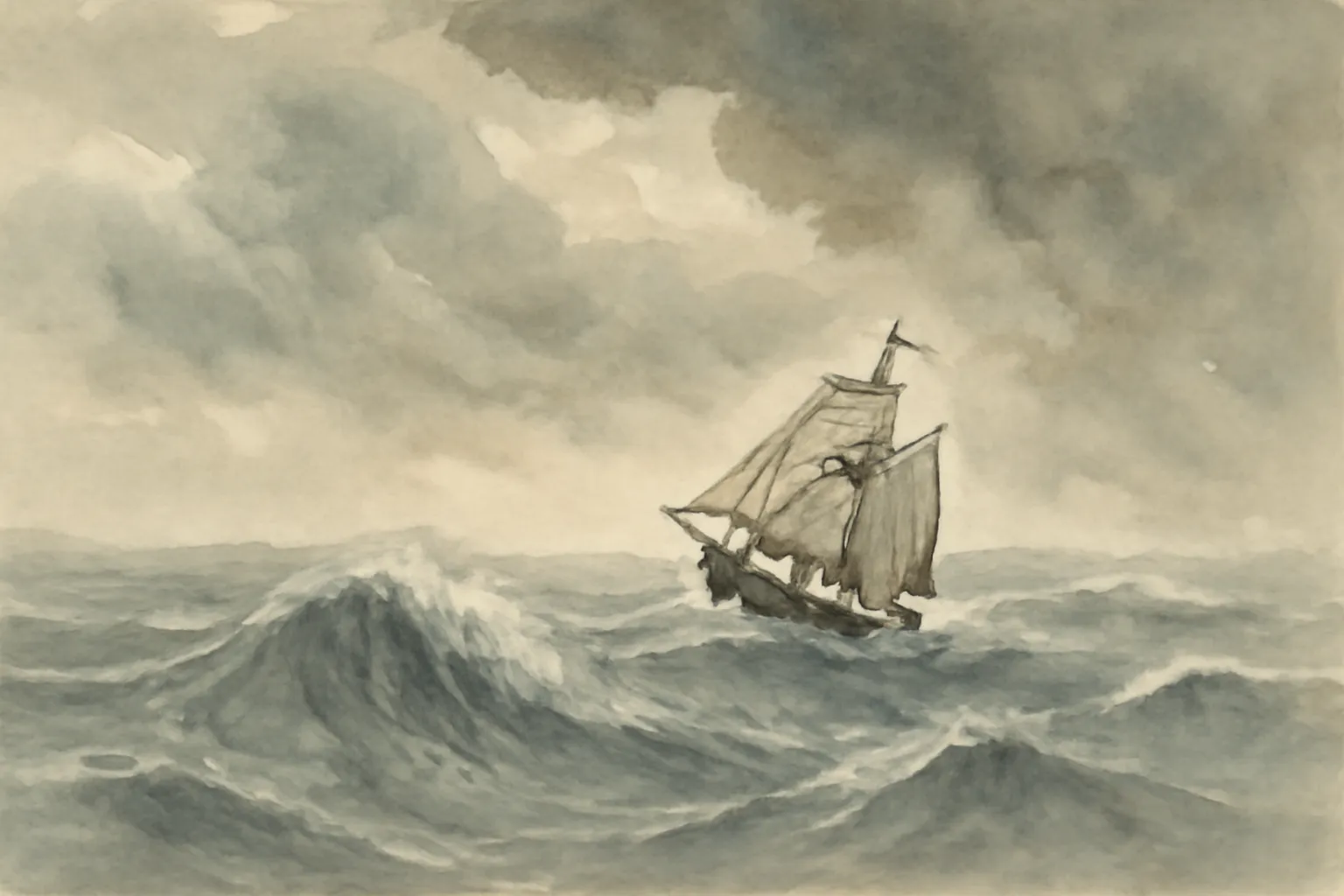
Herman Melville was born on August 1, 1819, in New York City, into a family with a rich lineage, tracing back to early Dutch emigrants and Revolutionary War heroes. Despite this respectable heritage, Melville's early life was marked by financial instability and the death of his father, which placed immense pressure on his family. By the age of 17, driven by a desire for adventure and escape from monotony, Melville took to the sea, joining a merchantman and later whaling ships. His experiences as a sailor exposed him to diverse cultures and harsh realities, including a four-month sojourn among cannibals in the Marquesas Islands. These formative years of hardship and exploration laid the groundwork for his literary career, providing a wealth of material that he would later transform into profound narratives. His time at sea taught him about human nature and the complexities of life, themes that would resonate deeply throughout his literature.
2.The Influence of the Sea
Melville's time at sea was not merely a backdrop for his novels; it was a crucible that shaped his worldview and literary voice. He famously stated that whaling was his 'Yale College and Harvard,' highlighting how the brutal realities of life on the ocean informed his understanding of humanity and existence. The whaling industry, rife with its own moral complexities, became a metaphor for the human struggle against nature and the self. In works like 'Moby-Dick,' Melville uses the whale as a symbol of the elusive and often destructive forces of nature, reflecting his belief that humanity is at the mercy of larger cosmic powers. This relationship with the sea serves as a constant theme throughout his work, representing both adventure and existential dread. Melville's vivid descriptions of the ocean's beauty and terror reveal a profound respect for its majesty, while simultaneously illustrating humanity's insignificance in the face of nature's vastness.
3.Literary Aspirations and Influences
Melville's literary career began with the publication of 'Typee,' which drew heavily from his experiences in the South Seas. The novel's success allowed him to explore more complex themes in subsequent works, although it also set a high bar that he struggled to meet. His correspondence with contemporaries like Nathaniel Hawthorne reveals a deep respect and intellectual kinship, as well as a shared struggle with the demands of literary fame. Melville's attempts to articulate the human condition often led him to philosophical and metaphysical inquiries, which were not always well-received by the public. His later works, such as 'Moby-Dick' and 'Pierre,' reflect this tension between ambition and the harsh realities of critical reception, illustrating the struggle of an artist grappling with his own identity and purpose. The pressures of expectation weighed heavily on Melville, leading him to question the very nature of art and its role in society.
4.Existential Themes in Melville's Work
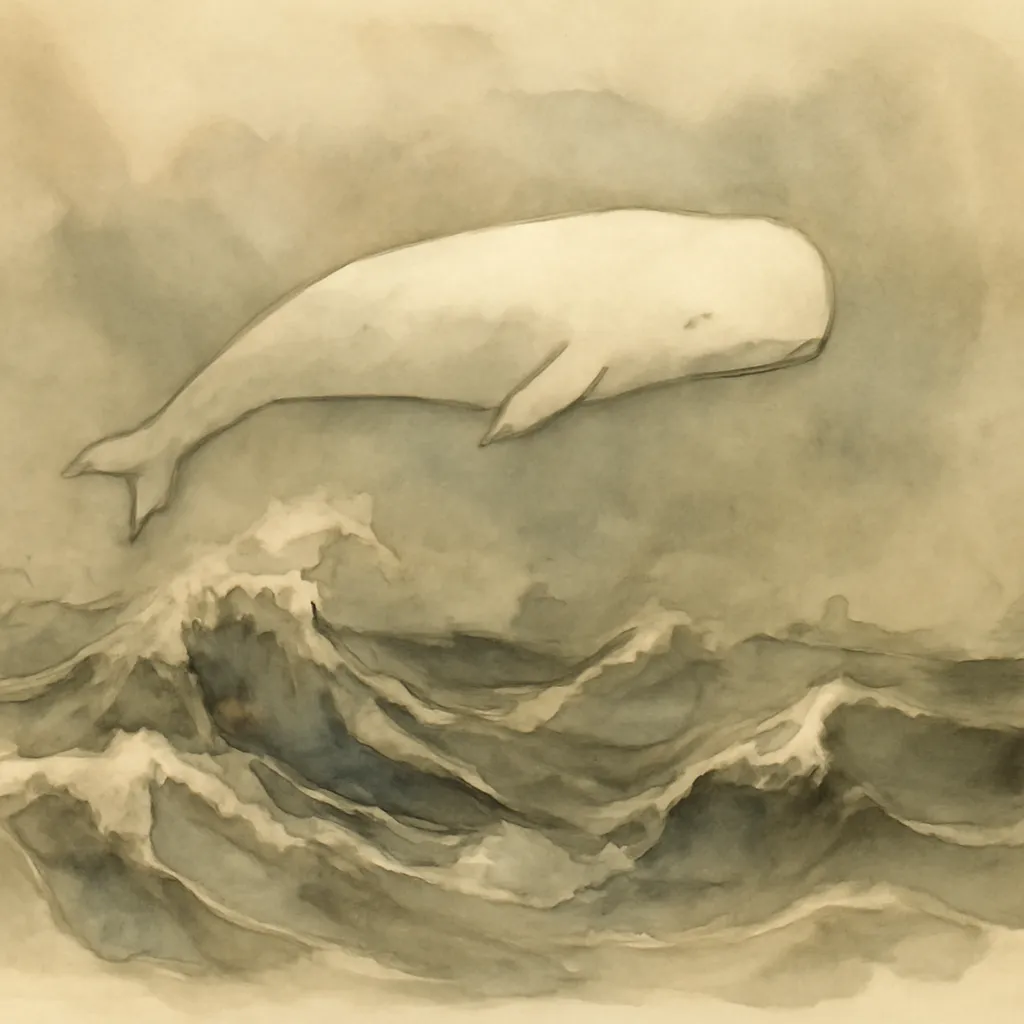
Existentialism permeates Melville's writings, as he frequently grapples with the nature of existence, identity, and the search for meaning. In 'Moby-Dick,' Captain Ahab's obsessive pursuit of the white whale symbolizes humanity's relentless quest for understanding in a chaotic universe. This theme resonates with Melville's own life experiences, where personal and societal struggles often led to a profound sense of despair. His introspective approach to storytelling invites readers to confront uncomfortable truths about the human experience, pushing them to reflect on their own lives and the broader implications of existence. The ghosts of the past, the weight of ancestry, and the inevitability of death are recurrent motifs that enrich Melville's narratives, making them deeply philosophical and universally relevant. Melville's exploration of man's isolation in the universe provides a lens through which readers can examine their own existential dilemmas.
5.Melville's Relationship with Fame

Despite his early success, Melville's relationship with fame was fraught with complexities and disappointments. 'Typee' established him as a literary figure, yet subsequent works did not achieve the same level of acclaim, leading to a sense of isolation and frustration. Melville's correspondence with Hawthorne and other contemporaries reveals his acute awareness of the fickle nature of public opinion and the literary marketplace. As he transitioned from celebrated author to a figure largely forgotten by the reading public, Melville's later works became increasingly introspective, reflecting his inner turmoil and disillusionment. This struggle with recognition and legacy is a poignant aspect of Melville's life, underscoring the often harsh realities faced by artists seeking validation in a competitive world. The contrast between his ambitions and the reality of his literary reputation fueled Melville's sense of alienation, further deepening the philosophical inquiries found within his texts.
6.The Influence of Ancestry and Heritage
Melville's awareness of his ancestry played a significant role in shaping his identity and literary voice. He was acutely conscious of his family's history, which included notable figures in American history. This connection to the past influenced his perception of self and the themes he explored in his work. In 'Pierre,' for instance, Melville reflects on the burdens of legacy and the expectations placed upon individuals by their lineage. He wrestles with the idea of what it means to inherit not just familial pride but also the weight of historical and cultural narratives. This tension between personal aspirations and ancestral expectations informs much of Melville's character development and thematic explorations. Furthermore, the ghosts of past generations haunt his characters, creating a rich tapestry of familial connection that resonates with the reader's understanding of identity and self-discovery.
7.The Legacy of Isolation and Reflection
As Melville's career progressed, he became increasingly isolated from the literary community, which contributed to a deepening introspection in his writing. The years following his initial success were marked by a retreat into solitude, where he grappled with existential questions and the meaning of his experiences. This isolation is reflected in works like 'Bartleby the Scrivener,' where themes of alienation and the struggle for identity are poignantly depicted. Melville's later writings often reveal a profound sense of melancholy, as he contemplates the human condition and the complexities of existence. This legacy of isolation is significant, as it highlights the internal struggles of an artist in search of understanding and connection in a world that often feels indifferent. Melville's withdrawal from the noise of society allows for a deeper exploration of the human psyche, inviting readers to engage with the complexities of their own lives.
8.The Intersection of Adventure and Philosophy

Melville's life was a constant interplay between adventure and philosophical inquiry. His travels brought him into contact with diverse cultures and experiences that challenged his worldview, prompting him to reflect on the nature of humanity and civilization. This philosophical lens is evident in his exploration of themes such as cannibalism, colonialism, and the moral complexities of human interaction. In 'Typee,' Melville presents a nuanced view of the Marquesan people, blending adventure with a critical examination of Western civilization. This duality—of being both an adventurer and a philosopher—allowed Melville to craft narratives that are rich in detail while simultaneously probing deeper moral and ethical questions, making his work both entertaining and thought-provoking. The contrast between his romanticized view of the South Seas and the stark realities of colonialism allows for a complex dialogue on human nature, civilization, and the ethical implications of exploration.
9.The Impact of Melville's Writing Style
Melville's writing style is characterized by its complexity, depth, and rich symbolism. His use of language often reflects the tumultuous emotions and philosophical inquiries that underpin his narratives. In 'Moby-Dick,' for example, Melville employs a range of literary techniques, including allegory, symbolism, and intricate character development, to explore themes of obsession and the human condition. This stylistic richness invites readers to engage with the text on multiple levels, encouraging deeper reflection on the themes presented. Melville's ability to weave together adventure, philosophy, and poetic language has solidified his reputation as a masterful storyteller, whose works continue to resonate with readers and scholars alike. The nuances and layers within his prose challenge readers to grapple with the complexities of language and meaning, often revealing insights that extend beyond the surface narrative.
10.Melville's Enduring Legacy in American Literature
Herman Melville's contributions to American literature extend far beyond his lifetime, influencing generations of writers and thinkers. His exploration of existential themes and complex characters paved the way for modernist literature, as later authors grappled with similar questions of identity and existence. Melville's works have been re-evaluated and celebrated in the context of American literary canon, with 'Moby-Dick' often regarded as one of the greatest novels in the English language. The resurgence of interest in Melville's work during the 20th century reflects a broader cultural recognition of his unique voice and the depth of insight he brought to the human experience. His legacy is a testament to the power of literature to transcend time, inviting readers to engage with the fundamental questions of life, death, and the search for meaning. By positioning himself against the backdrop of American life, Melville challenges future generations to confront the complexities of their own existence and the larger societal narratives in which they find themselves.