1.The Essence of Beowulf
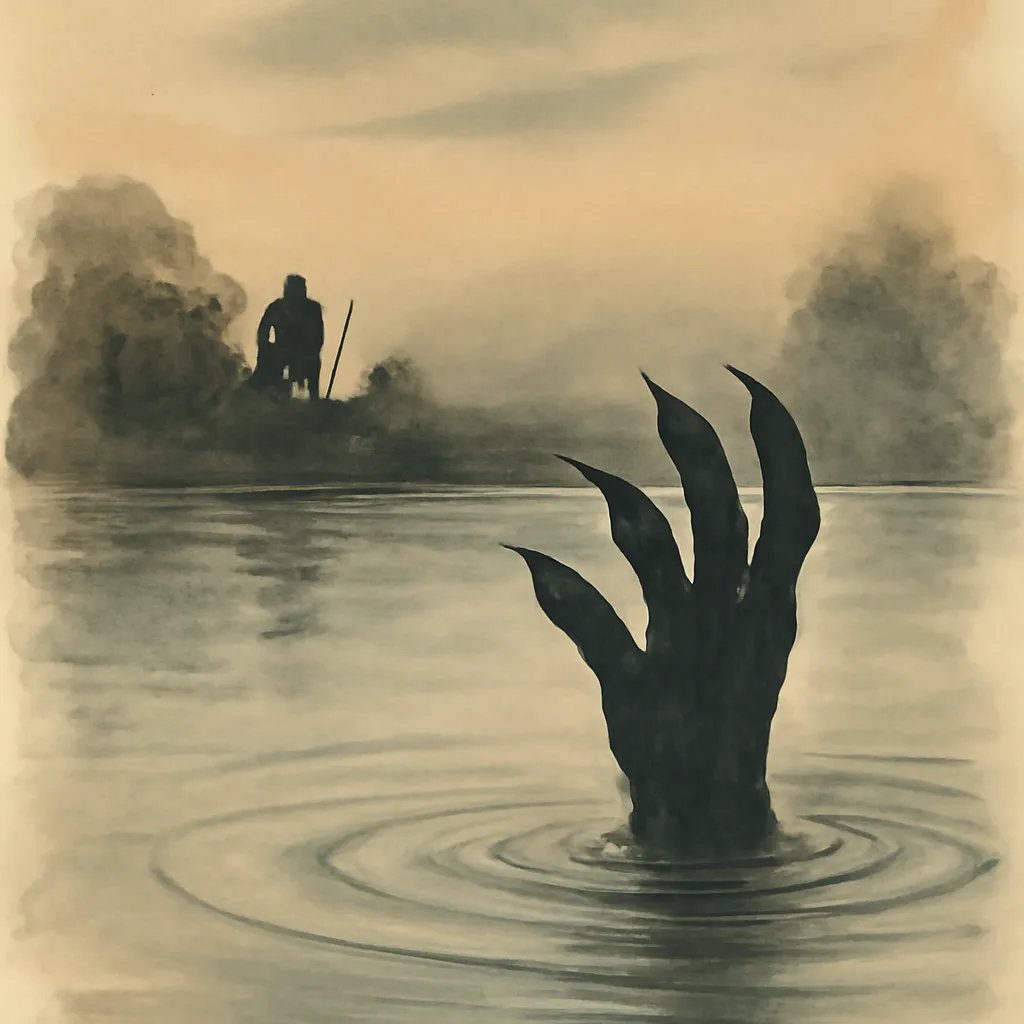
Beowulf stands as a paragon of early English heroism, embodying ideals of courage, loyalty, and self-sacrifice. His legendary battles against Grendel and the dragon highlight a warrior ethos where personal valor is intertwined with communal duty. The poem's depiction of Beowulf's youth, marked by his eagerness to prove himself, showcases an essential characteristic of the hero: the desire to protect and serve his people. His willingness to confront death for the sake of his comrades reflects a profound sense of responsibility that resonates with modern concepts of leadership and sacrifice. The complexity of Beowulf's character grows as he transitions from a fearless warrior to a wise king, illustrating that true heroism also encompasses wisdom gained through experience. Ultimately, Beowulf's life is a window into the values of a society that revered strength, honor, and the willingness to struggle against the malevolent forces that threatened their existence. His story is not just an epic tale but a moral compass that continues to guide ethical considerations in leadership and personal conduct.
2.Constantine's Conversion and Compassion
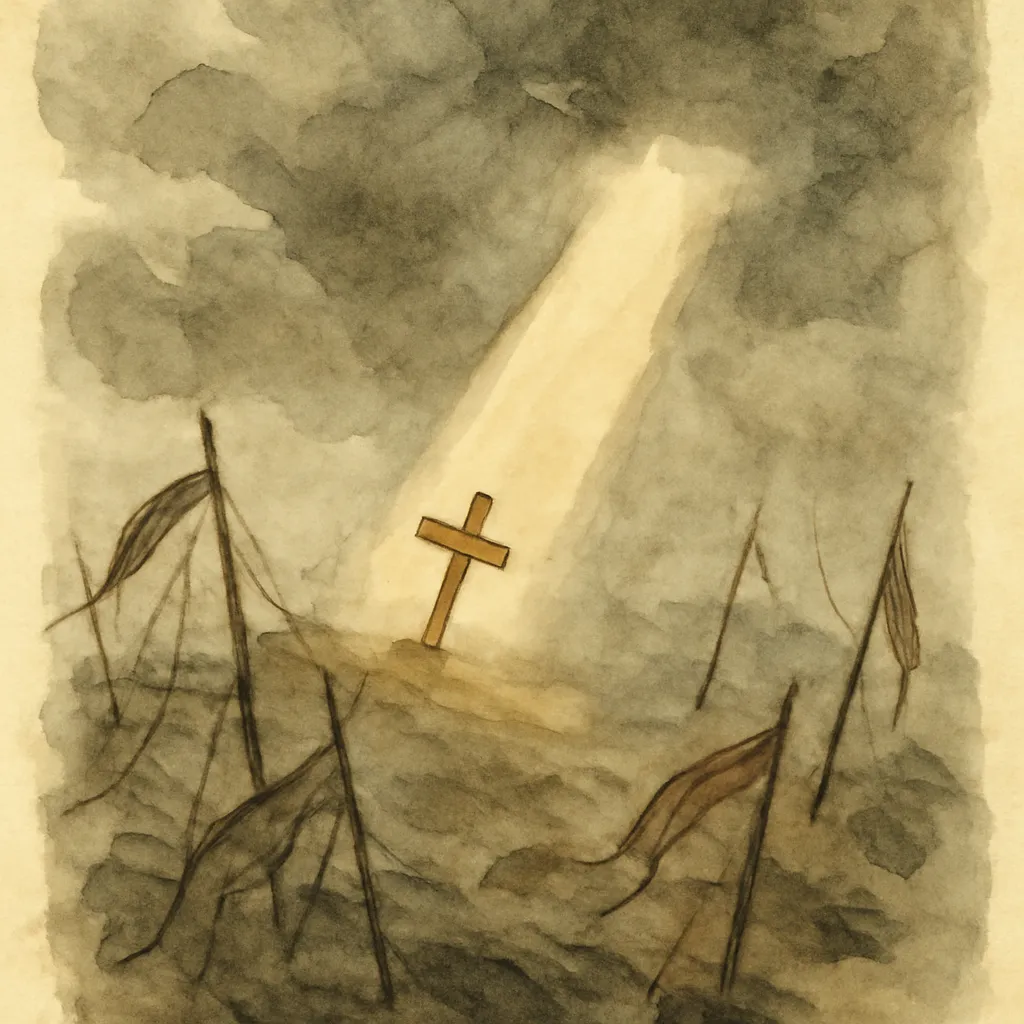
The figure of Constantine the Great looms large in British medieval legend, symbolizing the intersection of power and faith. His conversion to Christianity, marked by the visionary encounter with the cross before battle, represents a transformative moment in history. The story emphasizes divine providence and the moral imperative to lead with compassion, showcasing how faith can empower individuals to overcome significant challenges. Constantine's narrative is rich with symbolism; the vision of the cross is not just a personal epiphany but a rallying cry for a new moral order. It emphasizes the role of leadership in the context of spirituality, where the emperor not only governs but also serves a higher purpose. This interaction between divine guidance and human action illustrates the complexities of a ruler's responsibilities to both the state and spirituality. The legend reflects how leaders are often seen as embodiments of divine will, inviting readers to explore the moral gray areas faced by historical figures who wield significant influence. This duality allows for a deeper understanding of accountability and the expectations placed on those in power in any era.
3.Havelok the Dane: A Tale of Justice
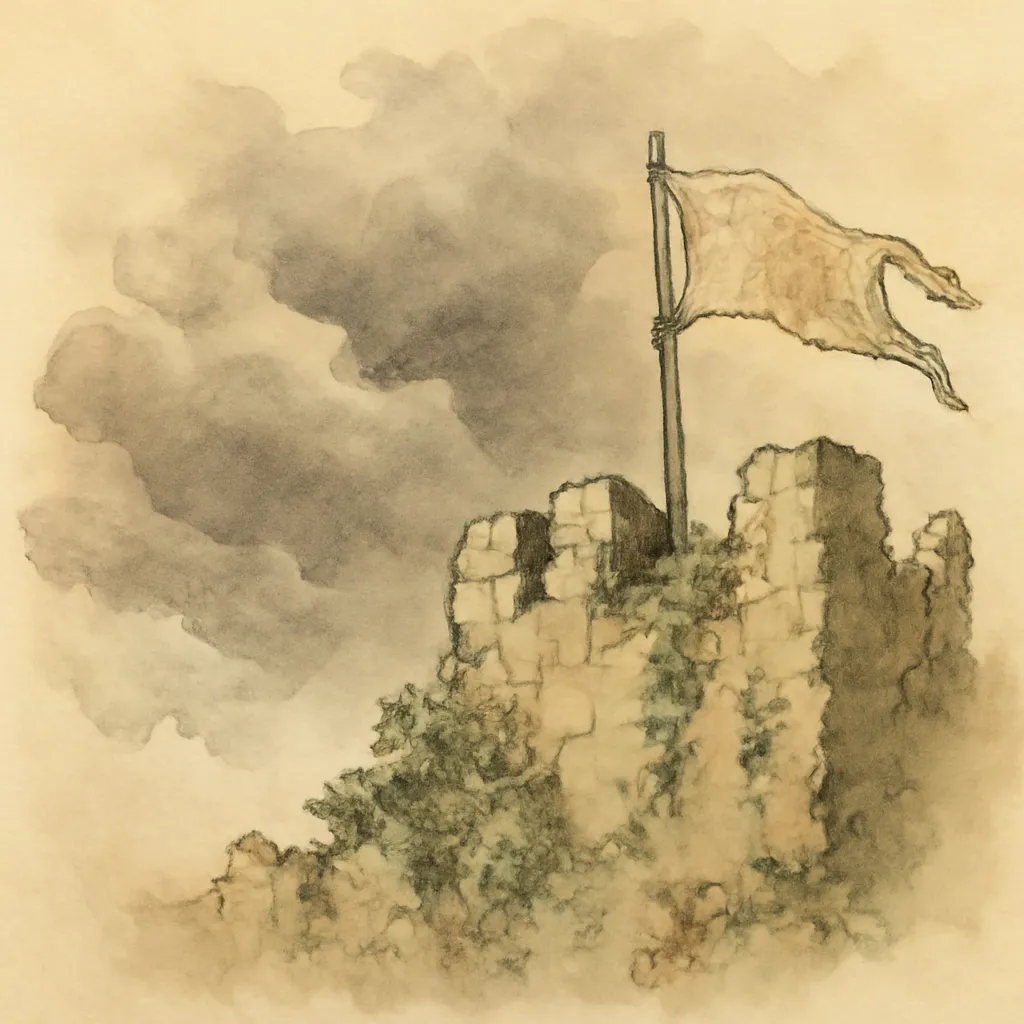
The legend of Havelok the Dane resonates as a compelling narrative of rightful kingship and justice against tyranny. The story follows Havelok, the rightful heir to the Danish throne, who faces betrayal and hardship at the hands of a usurping guardian. His journey from obscurity to recognition underscores the theme of resilience in the face of adversity. Havelok's triumph is not merely a personal victory; it symbolizes the collective hope of the oppressed against corrupt authority. This tale reflects the deep-seated desire for justice that permeates British folklore, illustrating how stories of the past continue to inspire contemporary ideals of fairness and equity. The narrative structure, filled with challenges and eventual revelations, mirrors the trials faced by individuals in real life who seek to reclaim their rights and identities. Havelok's ultimate realization of his heritage and rightful place not only reinforces the importance of justice in society but also emphasizes the power of perseverance and integrity in overcoming obstacles. The story serves as a potent reminder that true nobility comes from within and often requires a journey of self-discovery and moral fortitude.
4.Cuchulain: The Irish Achilles
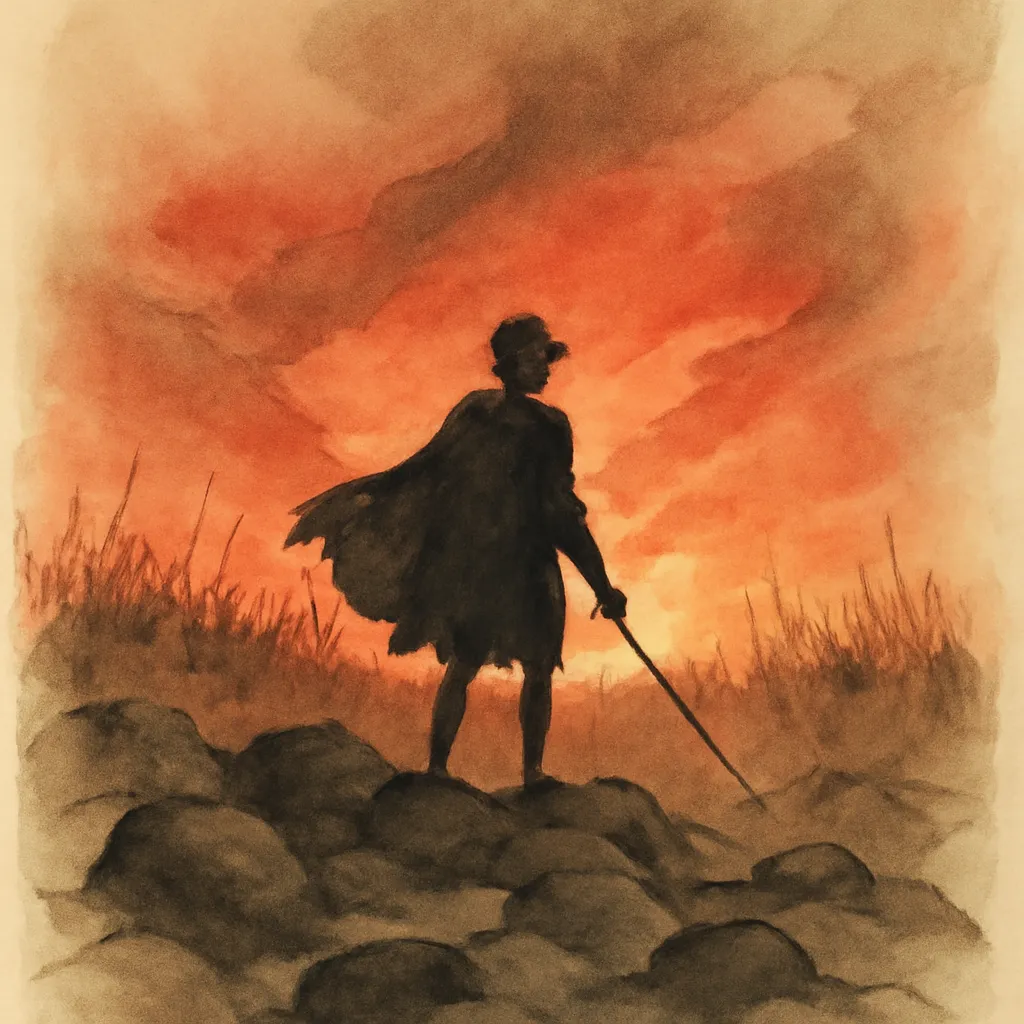
Cuchulain, often dubbed the 'Irish Achilles,' embodies the archetype of the tragic hero, marked by both valor and a fatal flaw. His legendary exploits showcase a blend of superhuman strength and deeply human emotions, presenting a nuanced view of heroism that includes both glory and tragic consequences. The fierce loyalty Cuchulain displays to his people and his willingness to confront overwhelming odds illustrate the complexities of duty and honor. The tales surrounding him reveal a hero who is both revered and feared, suggesting that true heroism is often accompanied by loneliness and sacrifice. In Cuchulain's story, the theme of fate plays a crucial role, as he grapples with the burdens of prophecy and destiny, drawing parallels to the existential dilemmas faced by modern individuals. His actions, driven by an intense sense of personal honor and obligation, resonate with contemporary audiences who recognize the struggles between personal desire, societal expectations, and the weight of legacy. The intricacies of Cuchulain's character serve to challenge traditional notions of heroism, painting a portrait of a warrior whose greatest battles are often internal.
5.The Outlaw Archetype: Robin Hood and His Legacy
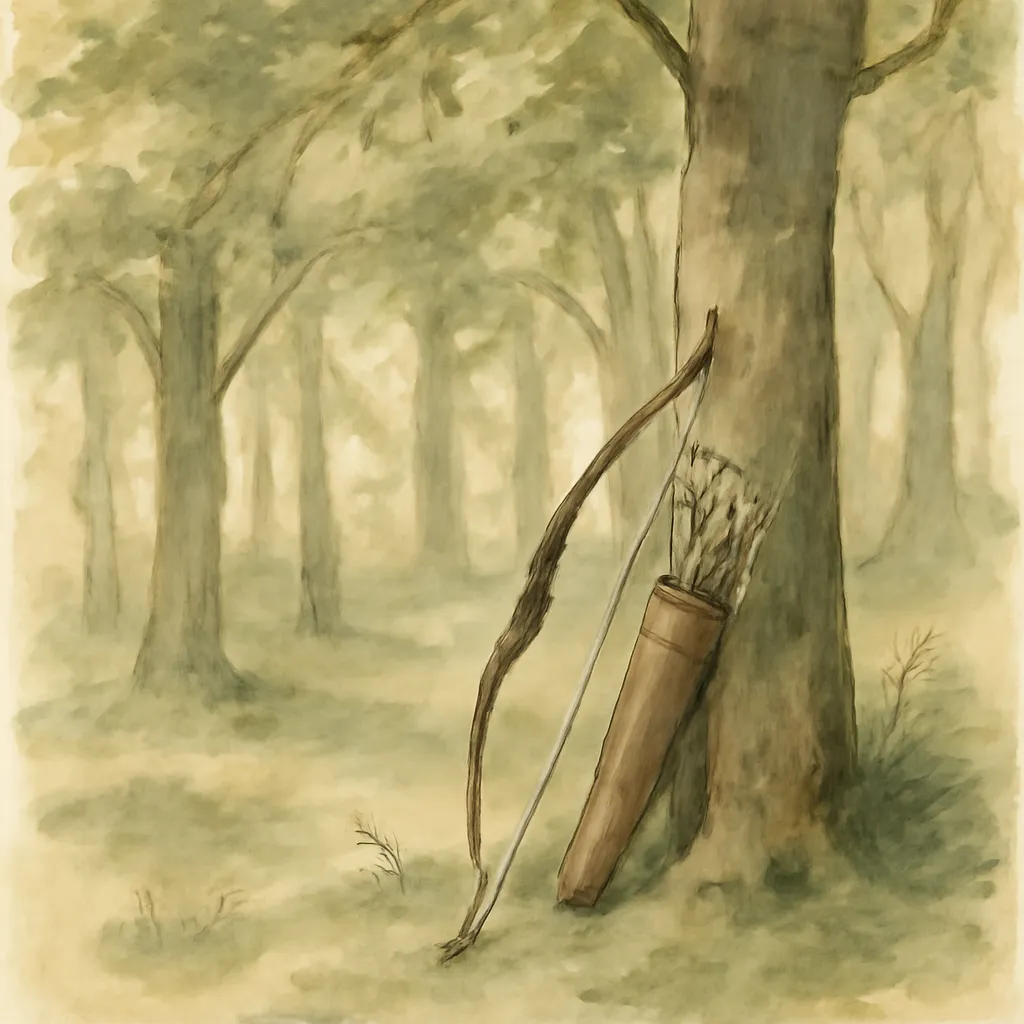
Robin Hood represents the quintessential outlaw hero, embodying the struggle for social justice against oppressive authority. His legendary escapades in Sherwood Forest, where he steals from the rich to give to the poor, highlight themes of equity, rebellion, and camaraderie. Robin's character is a reflection of the people's desire for a champion who stands against tyranny and champions the rights of the underprivileged. This narrative taps into the collective consciousness of a society yearning for justice, and it speaks to the enduring appeal of the outlaw as a symbol of freedom and resistance. The stories of Robin Hood have evolved, reflecting changing societal values while remaining a powerful emblem of hope and defiance. His relationships with characters like Little John and Maid Marian deepen the narrative, showing the importance of friendship, loyalty, and love in the face of adversity. Additionally, the historical context of Robin Hood's tales, emerging during a time of social upheaval, underscores the timeless nature of his quest for justice. This legacy continues to inspire adaptations and retellings, reinforcing the idea that the spirit of rebellion in the name of equity is a narrative that transcends time.
6.The Role of Women in Heroic Legends

Women in British hero-myths often occupy complex roles that challenge traditional gender norms. Figures like Elene, the mother of Constantine, and the Countess Cathleen demonstrate how female characters are integral to the unfolding of heroic narratives. Their sacrifices and moral fortitude illuminate the often overlooked contributions of women in the tapestry of heroism. The Countess Cathleen's selfless act of offering herself to save her people embodies the ultimate sacrifice, showcasing a form of heroism that is deeply aligned with compassion and moral strength rather than physical prowess. This narrative challenges the notion that heroism is solely defined by male strength and valor. The stories reflect a broader understanding of heroism, where qualities such as wisdom, nurturing, and emotional resilience are equally celebrated. By placing women at the center of these heroic narratives, the legends encourage a reevaluation of the characteristics that define true heroism and highlight the importance of inclusivity in retelling cultural histories.
7.The Importance of Loyalty and Kinship
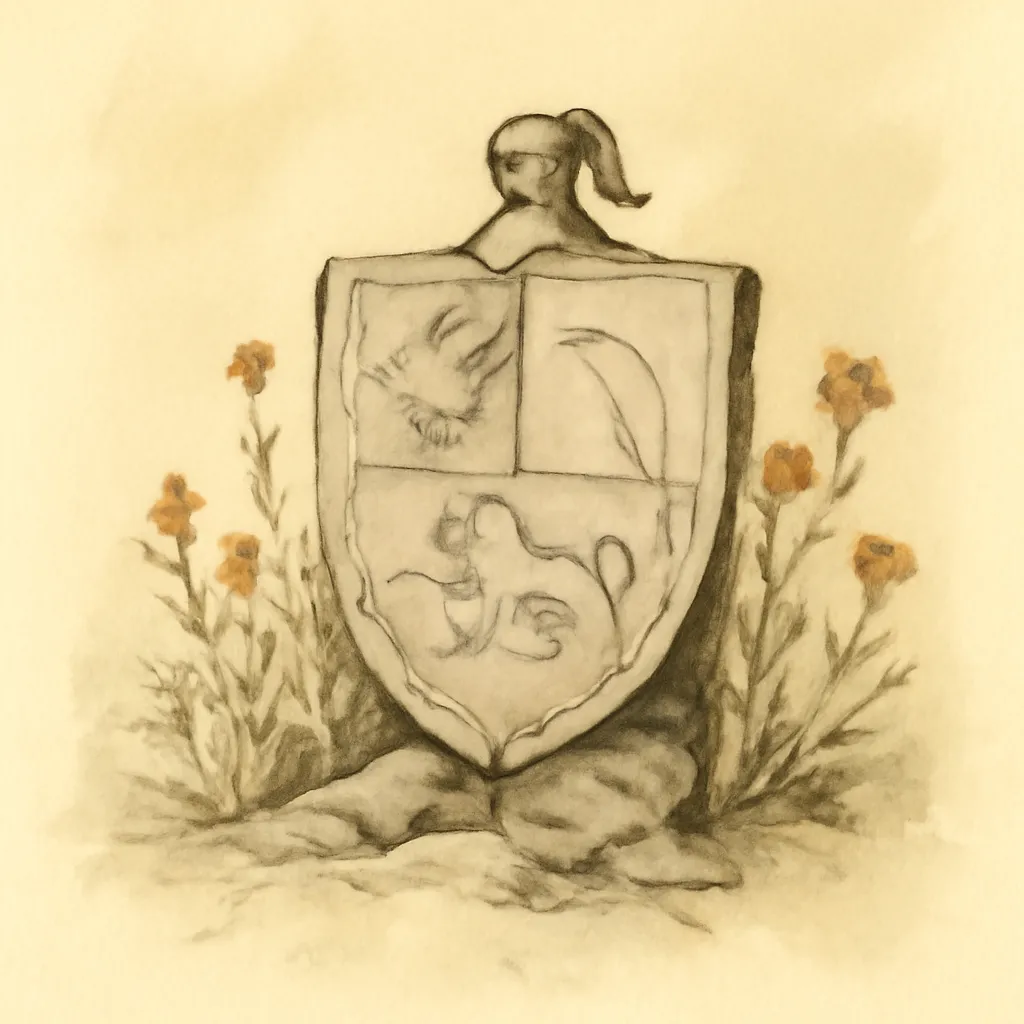
Loyalty and kinship emerge as central themes in many British legends, shaping the moral landscape of these narratives. The blood-feud culture, as seen in the story of Howard the Halt, reveals the societal expectation that one must avenge the wrongs done to family. This concept of loyalty underscores the weight of familial duty and the fierce bonds that tie individuals to their kin. The stories illustrate the lengths to which characters will go to uphold honor, often leading to tragic consequences. In many cases, the pursuit of vengeance can blur the lines between justice and retribution, reflecting the complex moral choices faced by individuals in societies governed by strict codes of honor. The exploration of loyalty in these narratives not only serves to heighten dramatic tension but also invites readers to consider the implications of their own familial obligations. By examining these themes, one gains insight into the cultural importance of kinship ties and the moral dilemmas that arise when loyalty conflicts with personal ethics.
8.The Evolution of Heroism through the Ages
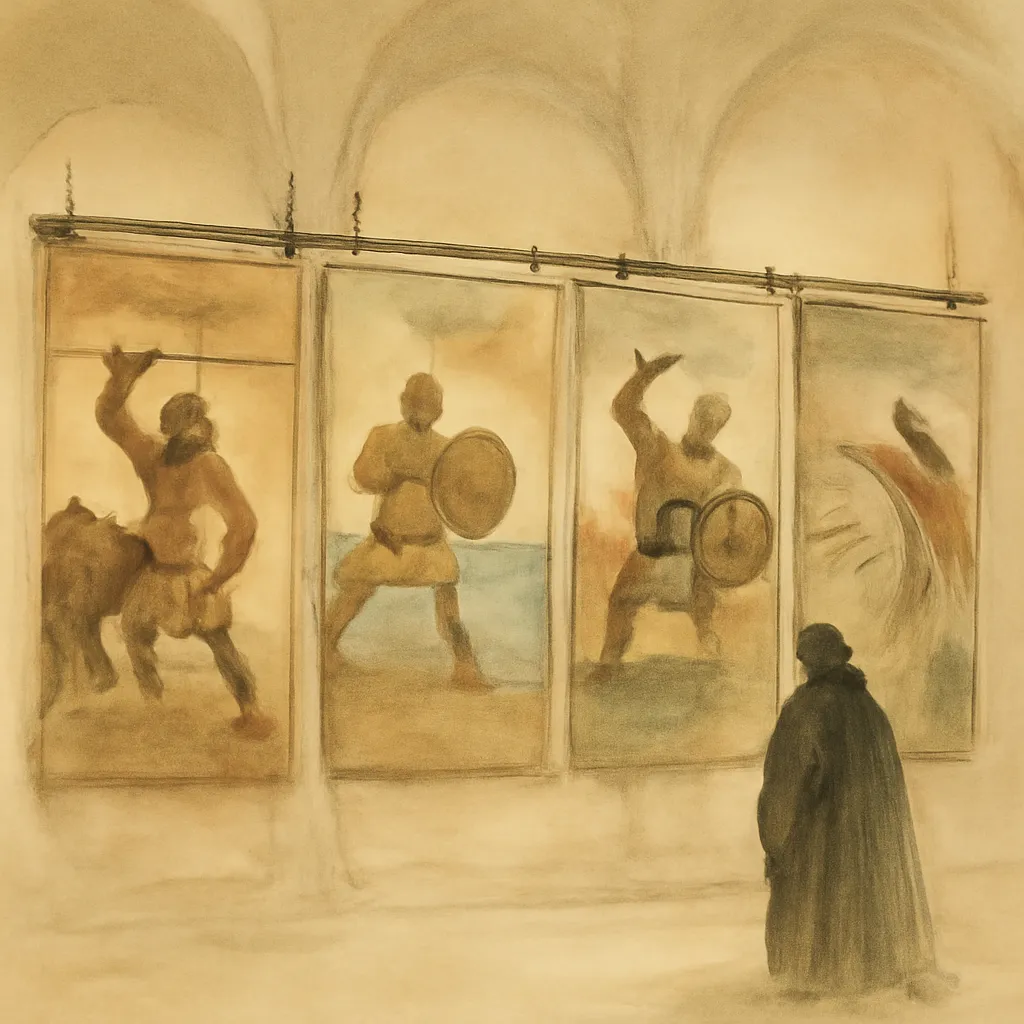
The portrayal of heroes in British folklore reveals an evolution of ideals over the centuries. From the primitive warrior ethos embodied by Beowulf to the chivalric values of knights like Sir Gawayne, each era's heroes reflect the cultural and societal shifts of their time. The transition from might to moral integrity illustrates how the definition of heroism has expanded to encompass virtues such as compassion, justice, and self-sacrifice. This evolution invites readers to consider how contemporary heroes are shaped by modern values and challenges, urging a re-examination of what it means to be a hero in today's world. The narratives demonstrate that heroism is not static but rather a dynamic concept, adapting to the changing values and aspirations of society. By exploring the diverse representations of heroes across different periods, one can appreciate the ongoing dialogue between past and present, and how these stories serve to inspire new generations toward virtuous living.
9.The Interplay of Myth and History
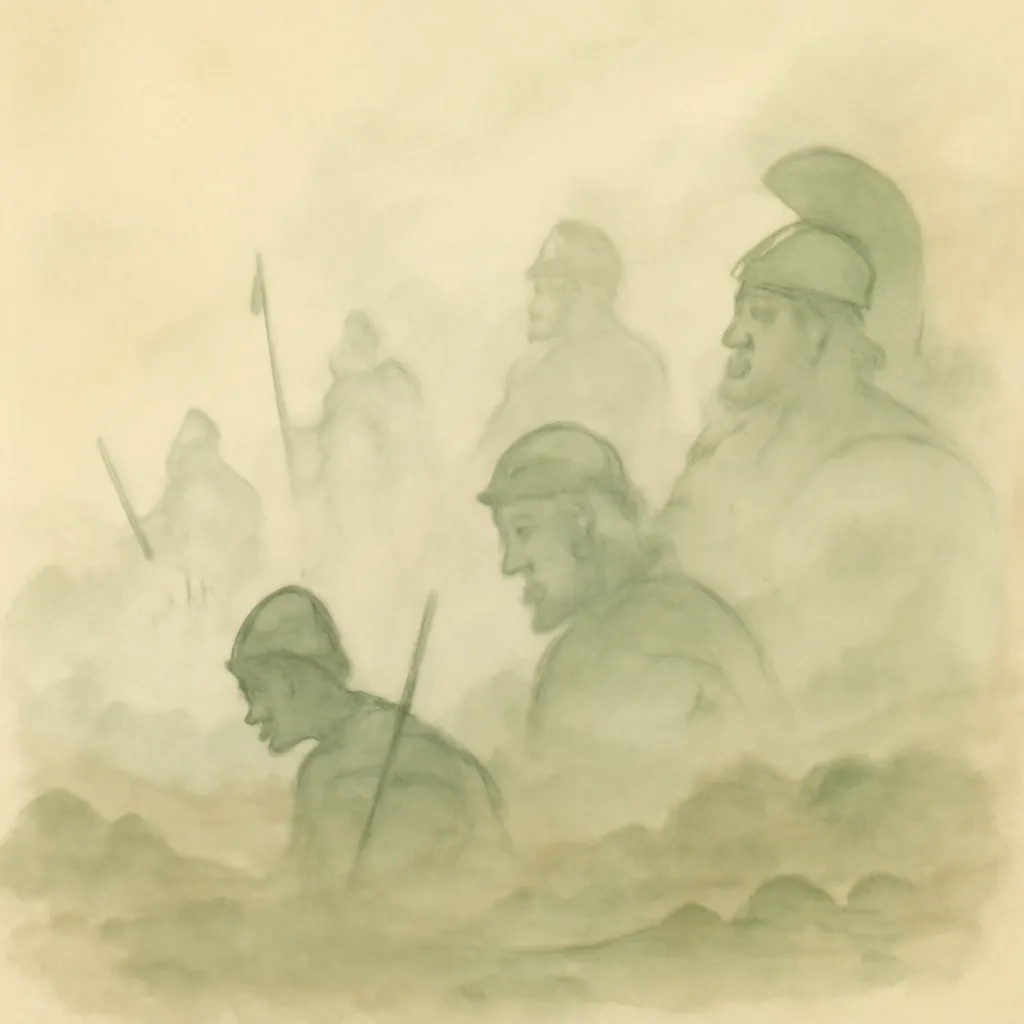
The legends explored in this collection often blur the lines between myth and historical fact, creating a rich narrative tapestry that informs national identity. Figures like Hereward the Wake and William of Cloudeslee exemplify how personal stories can become mythologized over time, serving to inspire and unify communities. This interplay highlights the importance of storytelling in preserving cultural heritage and shaping collective memory. By analyzing the historical contexts of these myths, readers gain insights into the values, struggles, and aspirations of the societies that produced them, emphasizing the enduring power of narrative in understanding our past. The blending of fact and fiction not only enriches the storytelling experience but also enables modern audiences to connect with their cultural roots in a meaningful way. This dynamic relationship between myth and history encourages a deeper engagement with the stories that shape our understanding of identity and belonging.
10.Cultural Reflection in Heroic Narratives
Heroic narratives serve as mirrors reflecting the cultural values and social dynamics of their times. The tales within 'Hero-Myths & Legends of the British Race' reveal the collective psyche of the British people, showcasing ideals such as honor, bravery, and the quest for justice. These stories not only entertain but also educate, offering moral lessons that resonate across generations. The characters within these legends embody the virtues and vices of humanity, inviting readers to reflect on their own moral choices and societal roles. By engaging with these narratives, one gains a deeper appreciation for the cultural heritage that shapes contemporary identity. The reflections of societal values in these stories serve as a reminder that myths are not merely relics of the past but living narratives that continue to influence modern perspectives on heroism and ethics.