1.The Nature of Historical Writing
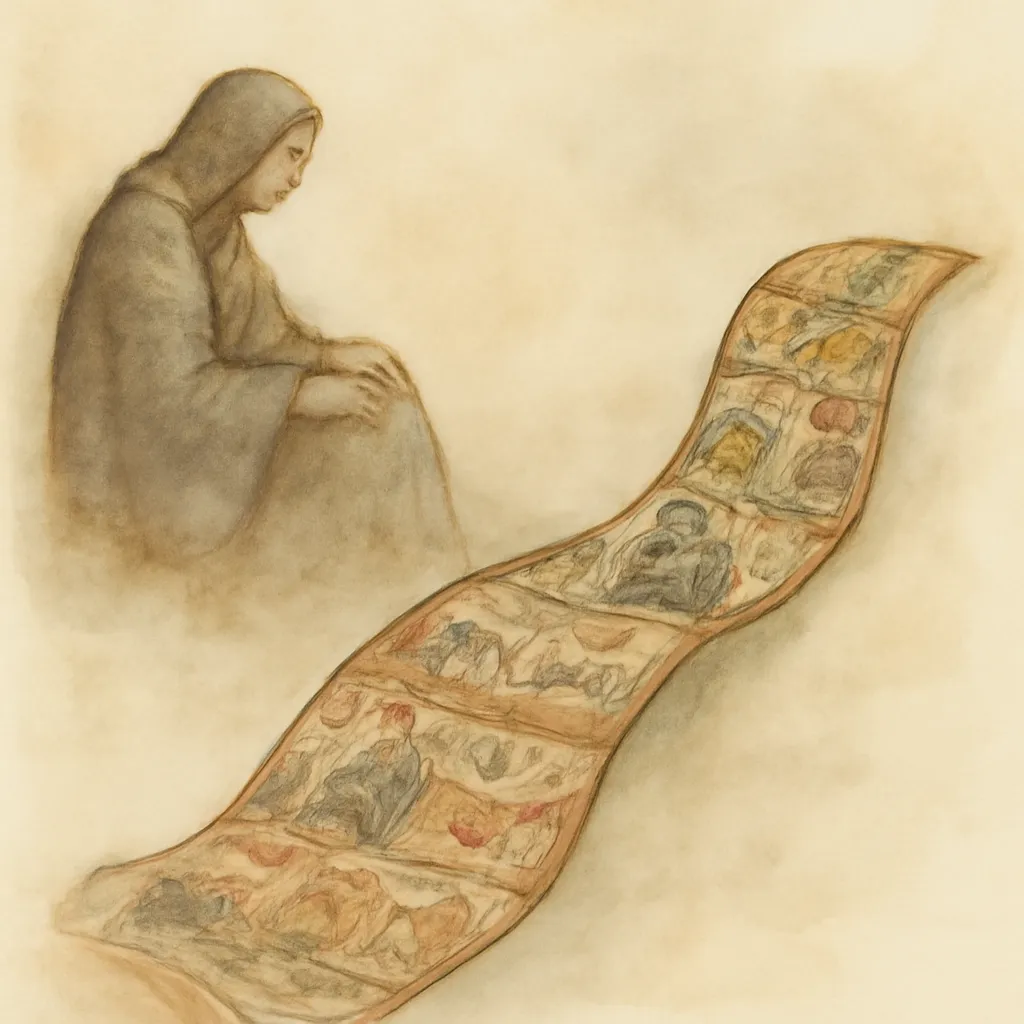
Rhodes begins by asserting that history is not merely a collection of dates and events but a narrative crafted by the historian's interpretation. He argues that the essence of history lies in its ability to convey the complexities of human experience through storytelling. A historian's task is to sift through the multitude of events and select those that are most significant, weaving them into a coherent narrative that reflects both factual accuracy and emotional depth. This narrative construction demands a keen understanding of context, causality, and the motivations behind actions. Rhodes emphasizes that the best historians, such as Thucydides and Tacitus, do not simply recount events; they illuminate the underlying human behaviors and societal dynamics that drive historical change. This perspective invites readers to appreciate the artistry involved in historical writing, acknowledging that it is as much about interpretation as it is about factual reporting. Rhodes illustrates this by comparing the definitive narratives of Thucydides’s account of the Peloponnesian War and Tacitus’s histories of ancient Rome, showing how their keen insights into human nature elevate their works beyond mere chronicles.
2.The Importance of Originality

Rhodes asserts that originality is a cornerstone of impactful historical writing. He encourages historians to infuse their work with unique perspectives, whether through innovative methodologies, the use of previously unexamined sources, or the fresh synthesis of established facts. The necessity for originality stemmed from the idea that the study of history must evolve, adapting to new evidence and interpretations as they arise. This originality is crucial not only for establishing a historian's voice but also for advancing historical scholarship as a whole. Rhodes draws on the insights of Charles Dudley Warner, who famously advised writers to express their thoughts in their own words rather than rely on the eloquence of others. This principle is especially pertinent in history, where the historian's interpretation can significantly shape our understanding of past events. By striving for originality, historians contribute to the discourse and enrich the narratives they present, making them more engaging and relevant to contemporary audiences. Rhodes highlights that while it is essential to build upon the foundations laid by predecessors, it is equally vital to challenge existing narratives and offer fresh insights that can redefine historical understanding.
3.Evaluating Primary Sources

Rhodes emphasizes the critical role of primary sources in historical research, arguing that no historian can construct an authentic narrative without engaging with original materials. He highlights the importance of newspapers as primary sources, particularly during the Civil War era, where they reflected public sentiment and opinion. However, Rhodes cautions historians to approach these sources with a discerning eye, recognizing that newspapers often present biased viewpoints shaped by political affiliations. A historian's task is to critically assess these accounts, discerning the underlying truths and contextualizing them within broader historical narratives. Rhodes advocates for a diverse range of sources, including letters, official documents, and diaries, to build a comprehensive understanding of past events. This multifaceted approach is essential for capturing the complexities of history and avoiding oversimplified narratives. He points out that while newspapers like the Charleston Mercury provide valuable insights into the minds of their readers during the secession movement, historians must also consider the motivations and biases of the publication itself to avoid misinterpretation.
4.Personal Experience and Historical Insight

In discussing the role of personal experience, Rhodes argues that historians must draw on their own interactions with individuals to gain insight into human nature. He posits that practical dealings with people enhance a historian's ability to analyze character and motivation, which is crucial for understanding historical figures and their actions. While some of history's most prominent historians, such as Gibbon and Macaulay, benefited from their political and military experiences, others, like Carlyle and Gardiner, exemplify that profound insights can emerge from scholarly pursuits alone. Rhodes highlights that literature, especially the works of Shakespeare and Homer, can significantly inform a historian's grasp of human behavior, allowing them to draw parallels between literary characters and historical figures. This understanding of human nature is essential for constructing narratives that resonate with readers on a deeper level. By incorporating personal insights and literary reflections, historians can create narratives that not only educate but also engage the reader's emotions, fostering a greater connection to the historical subject matter.
5.The Art of Compression in Historical Narratives
One critical aspect of effective historical writing, as noted by Rhodes, is the ability to compress complex narratives into concise accounts. He compares the works of Thucydides and Tacitus, who manage to convey significant insights and events succinctly, to the lengthy treatises of later historians like Macaulay. This compression is not merely a function of brevity; it reflects a historian's skill in distilling essential truths from the chaos of events. Rhodes emphasizes that the triumph of historical writing lies in illuminating the human experience without overwhelming readers with unnecessary detail. In a world increasingly filled with information, the ability to convey clear and engaging narratives is crucial for capturing readers' attention and fostering a deeper understanding of history. He also points out that effective compression allows historians to focus on the most impactful moments, ensuring that the narrative remains engaging and relevant without sacrificing depth.
6.Navigating Historical Skepticism
Rhodes addresses the evolution of historical skepticism, noting that modern historians face a landscape filled with competing narratives and interpretations. He highlights the debates surrounding the reliability of sources, particularly regarding figures like Thucydides, who some critics accuse of fabricating events to serve a narrative purpose. While skepticism can enrich historical discourse, it poses challenges for historians striving for objectivity. Rhodes encourages historians to approach their subjects with a critical eye while remaining open to multiple interpretations. This balance between skepticism and acceptance fosters a more comprehensive understanding of history, allowing for a richer tapestry of narratives that reflect the complexities of human experience. Rhodes urges historians to critically examine biases in their sources while also recognizing the limitations of their own perspectives, thus promoting a more nuanced exploration of the past.
7.The Interplay of Journalism and History
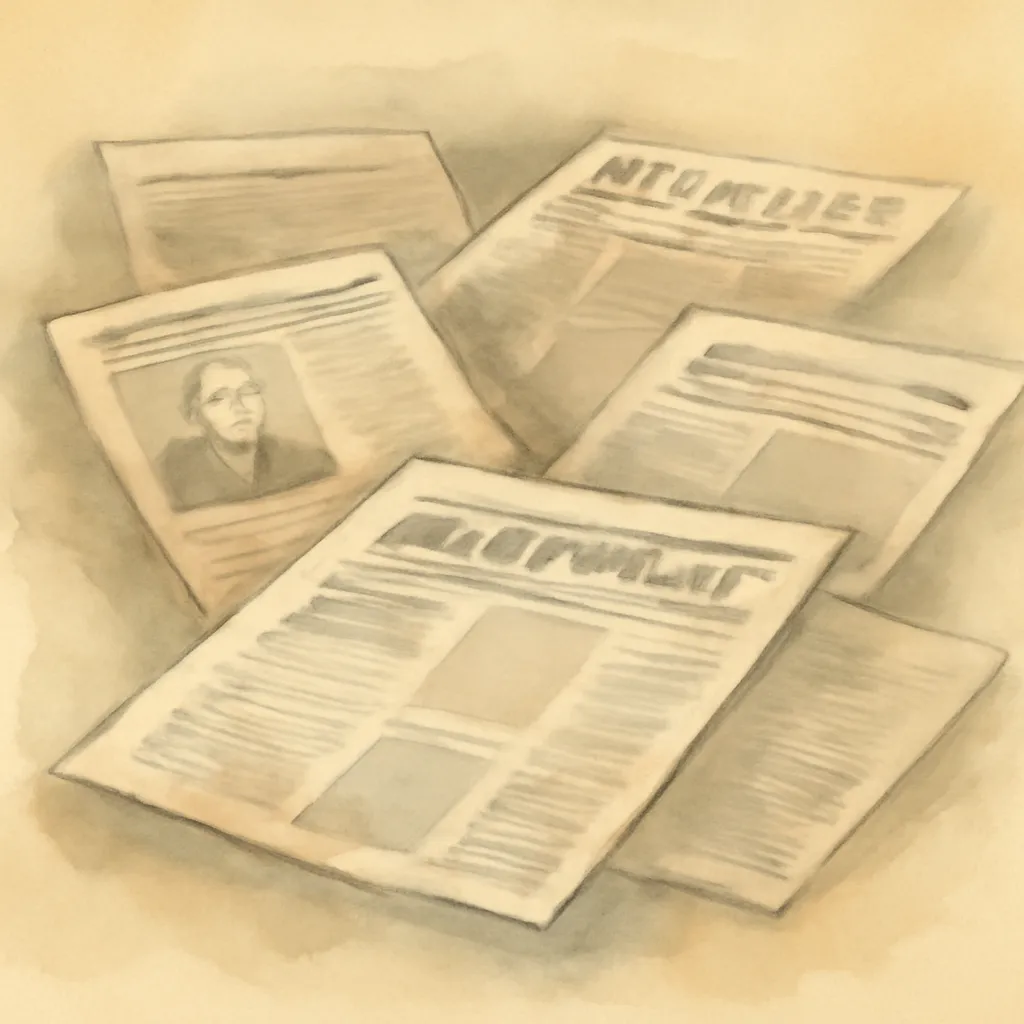
Rhodes explores the relationship between journalism and history, particularly the role of newspapers as critical primary sources. He notes that the press served as a more unified representation of public opinion in the years leading up to the Civil War, with party newspapers reflecting the views of their constituents. This singularity allowed historians to gauge public sentiment more effectively than in contemporary times, where diverse media outlets complicate the narrative landscape. However, Rhodes warns that historians must remain vigilant against biases inherent in journalistic accounts. He argues that a careful examination of newspaper archives can yield valuable insights into the social and political climate of the past, enriching the historian's understanding of events. This interplay between journalism and history underscores the importance of media literacy for historians and their readers alike. By critically engaging with journalistic accounts, historians can create more nuanced narratives that reflect the true sentiments and complexities of the past.
8.Lessons from Great Historians
In his essays, Rhodes pays homage to the giants of historical writing, including Edward Gibbon, Samuel Rawson Gardiner, and William E. H. Lecky. He examines their methodologies and contributions, highlighting how their unique approaches have shaped historical scholarship. Rhodes argues that their works offer insights not only into specific historical periods but also reflect broader themes in governance, human behavior, and the evolution of historiography. By studying these historians, contemporary writers can glean valuable lessons about narrative construction, the importance of contextual analysis, and the ethical considerations inherent in historical interpretation. Rhodes emphasizes that the legacy of these historians lies not only in their conclusions but also in the questions they raise and the methodologies they employ, encouraging future generations to engage with history thoughtfully and critically. He illustrates how Gibbon’s analysis of the decline of the Roman Empire is not merely an account of events but a profound investigation into the nature of power and human agency.
9.Challenges in Modern Historical Scholarship
Rhodes acknowledges the challenges faced by modern historians in an era marked by information overload and rapid technological change. He argues that the sheer volume of available data can create confusion, making it difficult for historians to discern credible sources from unreliable ones. This environment necessitates a return to foundational principles of historical inquiry, including critical analysis, contextual understanding, and ethical considerations. Rhodes encourages aspiring historians to cultivate a disciplined approach to research, emphasizing the importance of rigor and integrity in their work. By doing so, they can contribute meaningfully to the ongoing dialogue surrounding historical interpretation and understanding, ensuring that history remains a vital and relevant field of inquiry. He calls for a renewed commitment to the ethical responsibilities of historians, advocating for transparency in methodology and a dedication to uncovering the truths of the past.
10.Ethical Considerations in Historical Writing

Rhodes discusses the ethical responsibilities that come with the role of the historian, emphasizing the importance of integrity and objectivity in shaping historical narratives. He argues that historians have a duty to represent the past truthfully, acknowledging their biases while striving to present a balanced view. This ethical dimension is especially critical when dealing with contentious subjects, as historians must navigate the complexities of interpretation and representation. Rhodes warns against the temptation to impose contemporary values on historical figures or events, advocating instead for a contextual understanding that honors the complexities of the past. By prioritizing ethical considerations, historians can foster trust with their audiences and ensure that their narratives are not only compelling but also responsible. Rhodes highlights that the commitment to ethical scholarship is foundational to the credibility of historians and the discipline as a whole.