1.Peer Orientation: The Root Problem
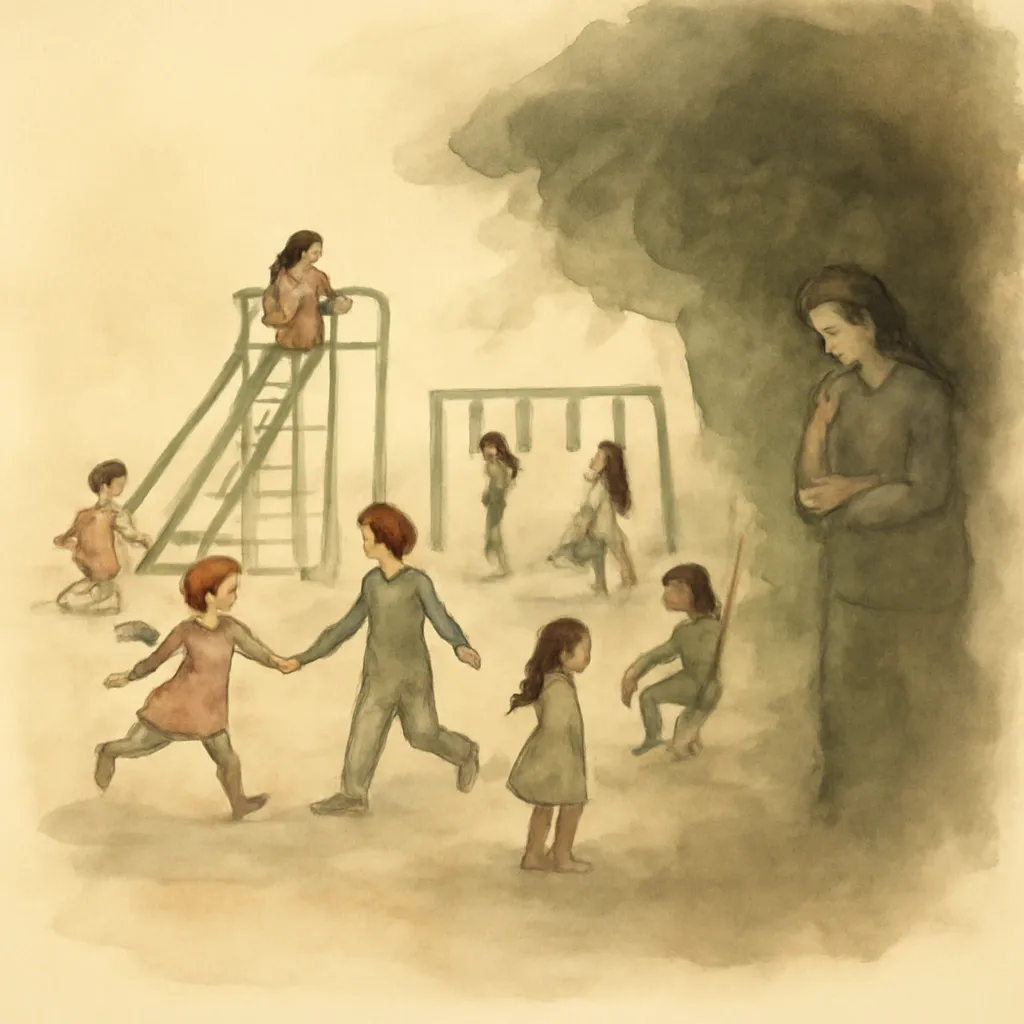
Neufeld and Maté argue that a seismic shift has occurred in how children form attachments. Instead of looking to parents or other caring adults for guidance, many children now orient themselves primarily toward their peers. This 'peer orientation' means that kids seek approval, values, and identity from their friends, rather than from adults who are equipped to nurture and guide them. The authors claim this undermines healthy development, as peers lack the maturity, stability, and unconditional love that children need.
2.Attachment: The Foundation of Growth
The book draws on attachment theory to explain why children need strong emotional bonds with adults. Secure attachment provides a safe base from which kids can explore the world, develop independence, and learn self-regulation. When these bonds are weak or disrupted, children are more vulnerable to anxiety, conformity, and negative influences. The authors stress that attachment is not just about physical presence, but about emotional connection and trust.
3.Culture and Society: Eroding Adult Authority
Neufeld and Maté critique modern culture for prioritizing economic efficiency and socialization over meaningful relationships. Practices like early daycare, overscheduled activities, and a focus on peer interaction inadvertently encourage children to look to each other for attachment needs. This shift erodes adult authority and leaves parents feeling powerless, while children become more susceptible to peer pressure and less resilient emotionally.
4.Consequences: Loss of Individuality and Increased Risk
The authors warn that peer-oriented children often suppress their individuality to fit in, leading to a loss of curiosity, creativity, and critical thinking. More troubling, they link peer orientation to rising rates of bullying, social exclusion, and even youth violence and suicide. Without adult guidance, children lack the emotional tools to handle conflict, rejection, and stress in healthy ways.
5.Restoring Parental Influence
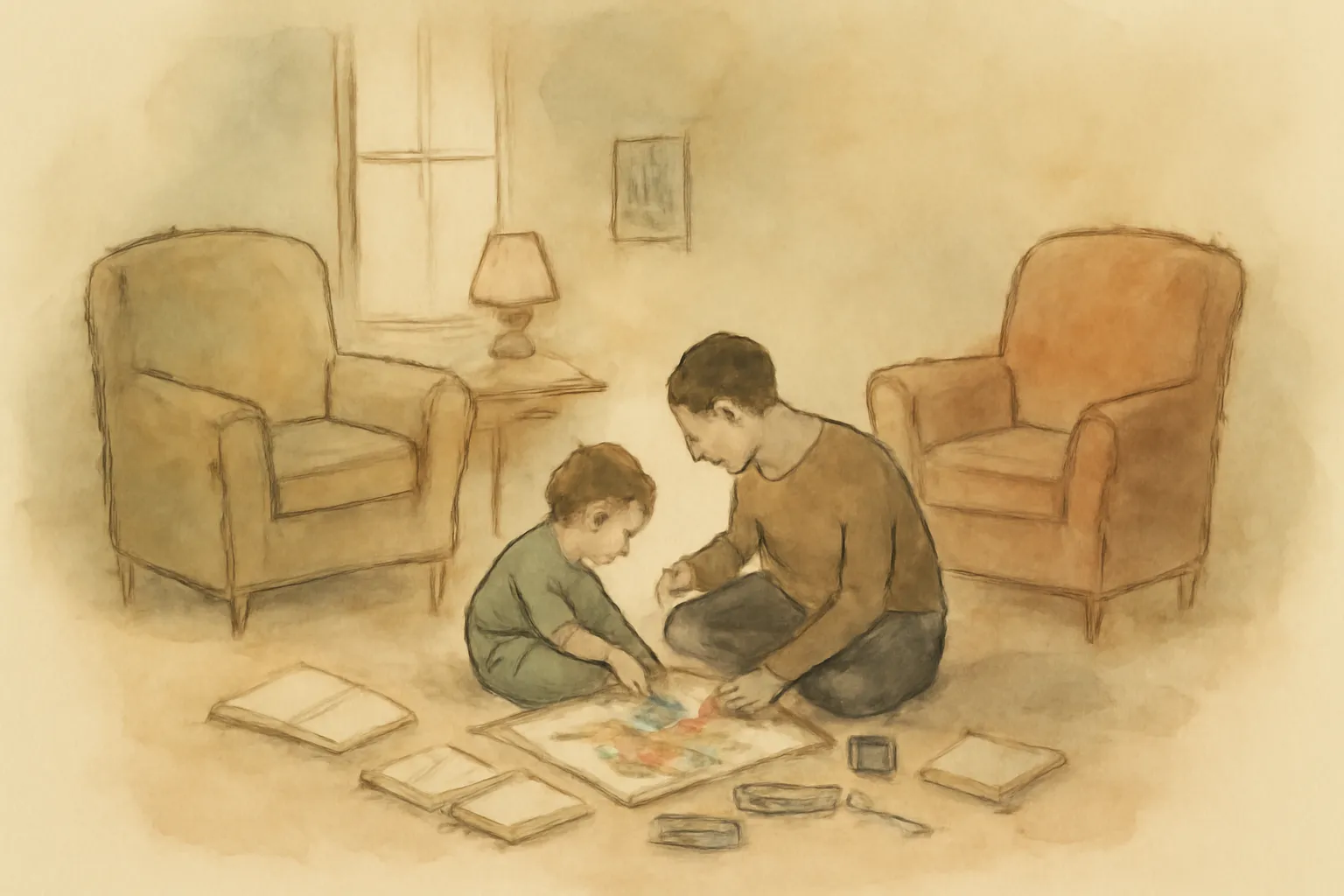
The heart of the book is a call to action: parents must reclaim their natural role as their children's primary attachment figures. This means prioritizing time together, setting boundaries, and fostering open communication. The authors offer practical strategies for reconnecting with kids, including rituals, shared activities, and a focus on empathy and understanding rather than control or punishment.
6.Hope and Practical Solutions
Despite its sobering diagnosis, the book is ultimately hopeful. Neufeld and Maté provide concrete steps for parents, teachers, and communities to rebuild adult-child connections. They emphasize that it is never too late to restore attachment, and that even small changes in daily life can make a significant difference in a child's sense of security and well-being.