

Parent and child · Parental influences · Parenting
Hold On to Your Kids by Gordon Neufeld, Gabor Maté — Summary, Key Ideas & Quotes
2004320 pages✦ 3-min Big ideas★ 5.0 (2)
Rate it
Canadian doctors Neufeld and Maté woke up one day to find that their children had become secretive and unreachable. Pining for time with friends, they recoiled or grew hostile around adults. Why? The problem, Neufeld and co-writer Maté suggest, lies in a long-established, though questionable, belief that the earliest possible mastery of the rules of social acceptance leads to success. In a society that values its economy over culture, the book states, the building of strong adult/child attachments gets lost in the shuffle. Multiple play dates, day care, preschool and after school activities groom children to transfer their attachment needs from adults to their peers. They become what the authors call "peer oriented." The result is that they squelch their individuality, curiosity and intelligence to become part of a group whose members attend school less to learn than to socialize. And these same children are bullying, shunning and murdering each other, as well as committing suicide, at increasing rates. The authors' meticulous exploration of the problem can be profoundly troubling. However, their candidness and exposition lead to numerous solutions for reestablishing a caring adult hierarchy. Beautifully written, this terrific, poignant book is already a bestseller in Canada.
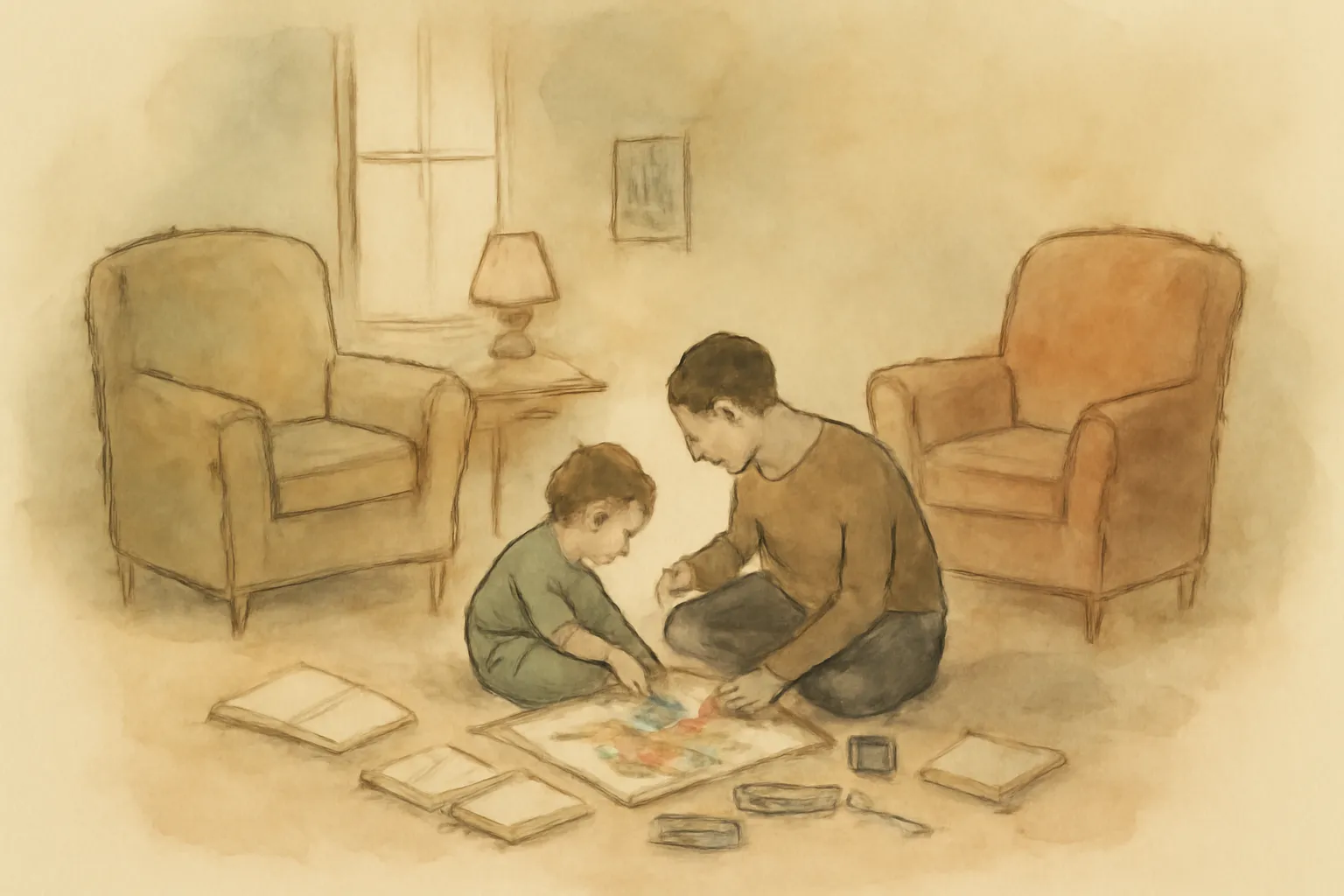
Neufeld and Maté argue that a seismic shift has occurred in how children form attachments. Instead of looking to parents or other caring adults for guidance, many children now orient themselves primarily toward their peers. This 'peer orientation' means that kids seek approval, values, and identity from their friends, rather than from adults who are equipped to nurture and guide them. The authors claim this undermines healthy development, as peers lack the maturity, stability, and unconditional love that children need.
The book draws on attachment theory to explain why children need strong emotional bonds with adults. Secure attachment provides a safe base from which kids can explore the world, develop independence, and learn self-regulation. When these bonds are weak or disrupted, children are more vulnerable to anxiety, conformity, and negative influences. The authors stress that attachment is not just about physical presence, but about emotional connection and trust.
“Children are not ours to possess or own, but to guide into the paths of life.”
“When children no longer take their cues from adults, the entire culture is turned upside down.”