Child development · Parenting · Child rearing
No-Drama Discipline by Daniel J. Siegel — Summary, Key Ideas & Quotes
2014255 pages✦ 3-min Big ideas
Rate it
"[Offers] parents of children aged 2-13 a ... roadmap to ... discipline, highlighting the fascinating and important connection between the way a parent reacts to misbehavior and a child's neurological development"--
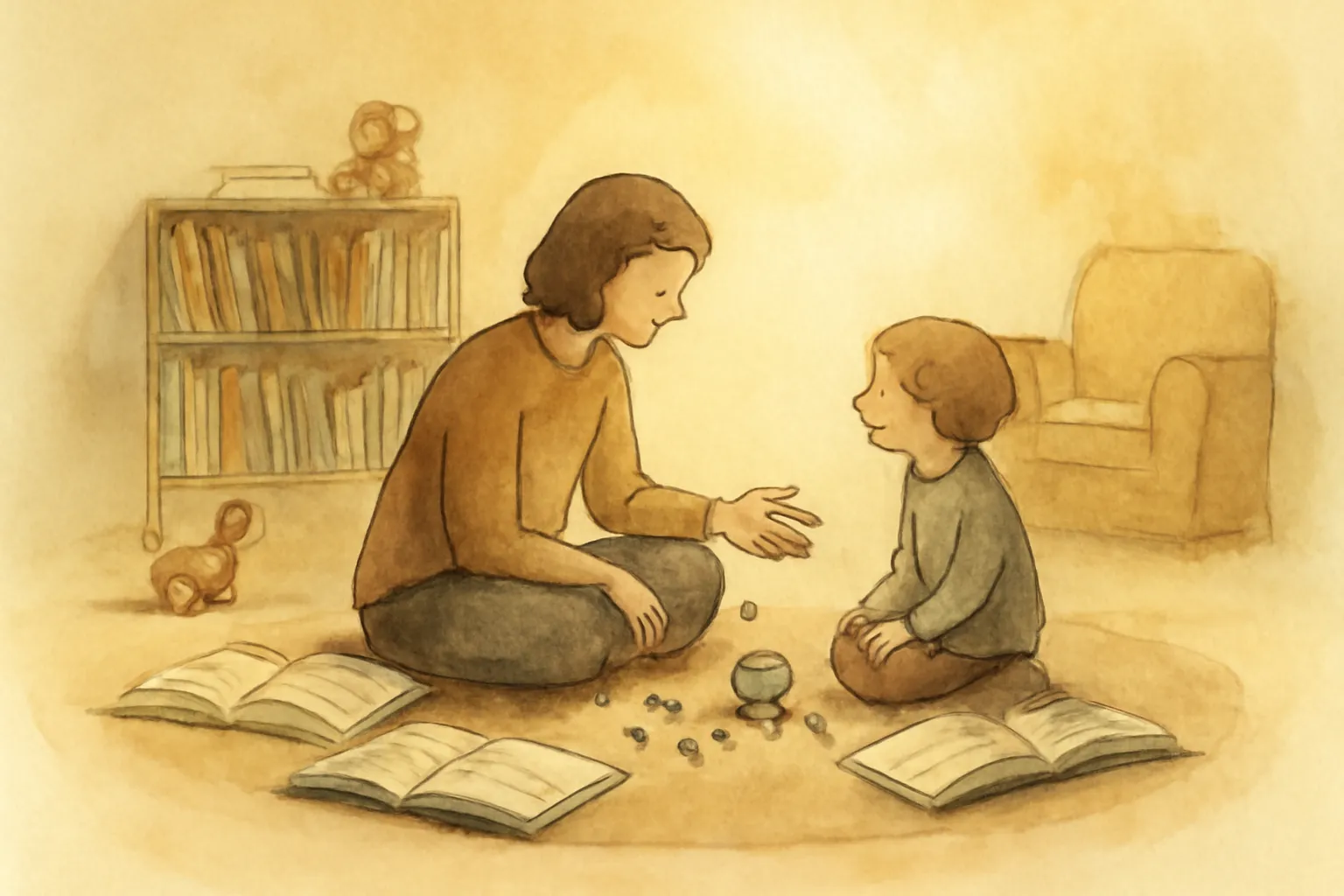
Siegel and Bryson redefine discipline as teaching rather than punishing. Their approach encourages parents to see misbehavior as an opportunity to guide and educate, rather than simply to control or penalize. This shift in mindset helps parents focus on long-term learning and relationship-building, rather than short-term compliance. By understanding discipline as a process of helping children learn better ways to handle their feelings and actions, parents can foster growth instead of resentment.
The book explains how a child’s brain is still developing, especially the parts responsible for impulse control, empathy, and reasoning. Understanding this neurological development helps parents interpret misbehavior not as willful defiance, but as a signal that a child needs guidance. This science-based perspective encourages patience and empathy, making it easier for parents to respond constructively rather than react angrily.
“Connect before you redirect.”
“Discipline is not about punishment; it’s about teaching.”
“When we discipline, we are teaching our kids how to calm themselves and make better choices.”