1.Discipline Means Teaching, Not Punishment
Siegel and Bryson redefine discipline as teaching rather than punishing. Their approach encourages parents to see misbehavior as an opportunity to guide and educate, rather than simply to control or penalize. This shift in mindset helps parents focus on long-term learning and relationship-building, rather than short-term compliance. By understanding discipline as a process of helping children learn better ways to handle their feelings and actions, parents can foster growth instead of resentment.
2.The Brain Science Behind Behavior
The book explains how a child’s brain is still developing, especially the parts responsible for impulse control, empathy, and reasoning. Understanding this neurological development helps parents interpret misbehavior not as willful defiance, but as a signal that a child needs guidance. This science-based perspective encourages patience and empathy, making it easier for parents to respond constructively rather than react angrily.
3.Connect and Redirect
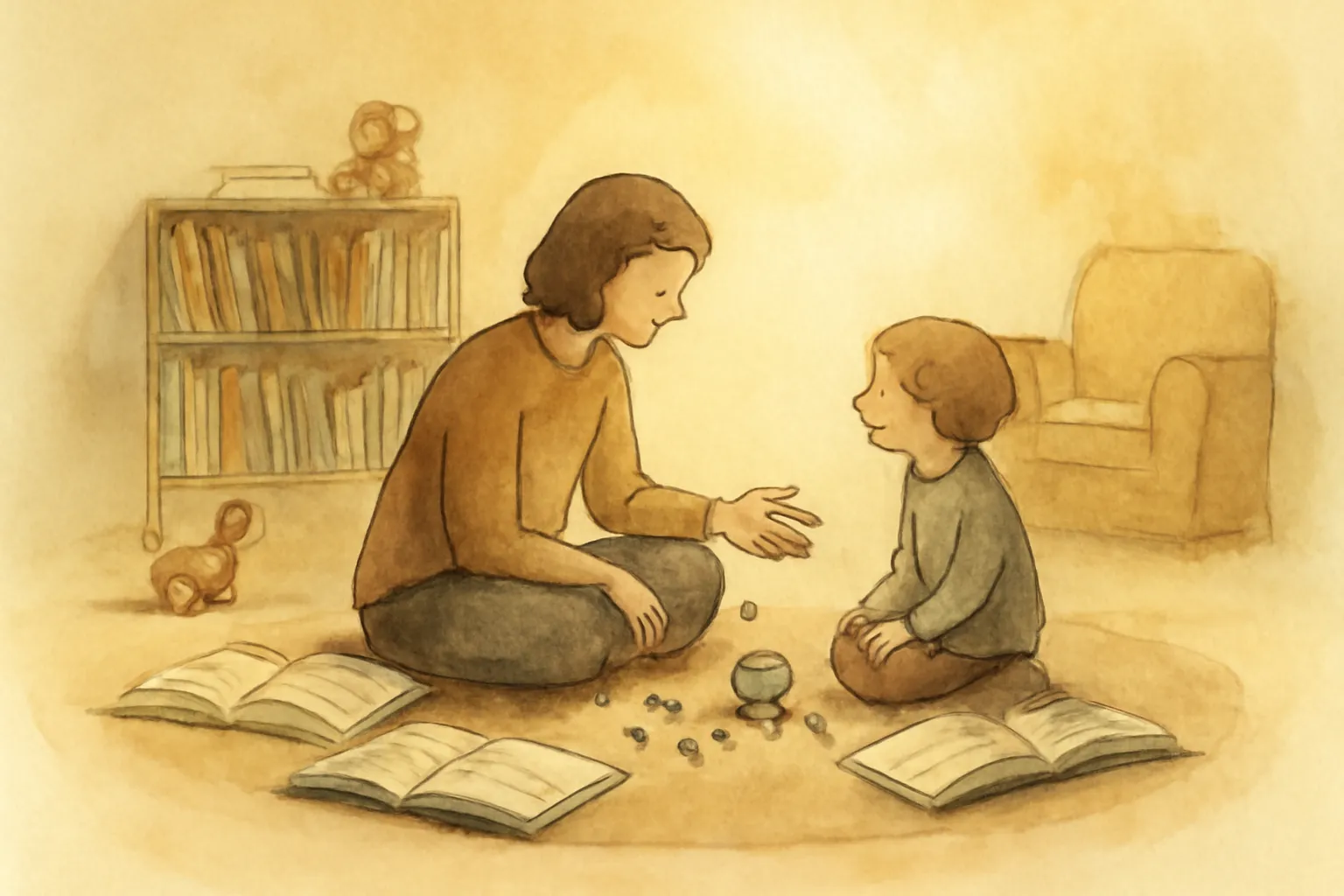
A central strategy in the book is 'connect and redirect.' When a child is upset or acting out, the first step is to connect emotionally—acknowledge their feelings and show empathy. Only after this connection is established can parents effectively redirect behavior or discuss consequences. This approach calms the child’s emotional brain, making them more receptive to guidance and problem-solving.
4.No-Drama Discipline Toolbox
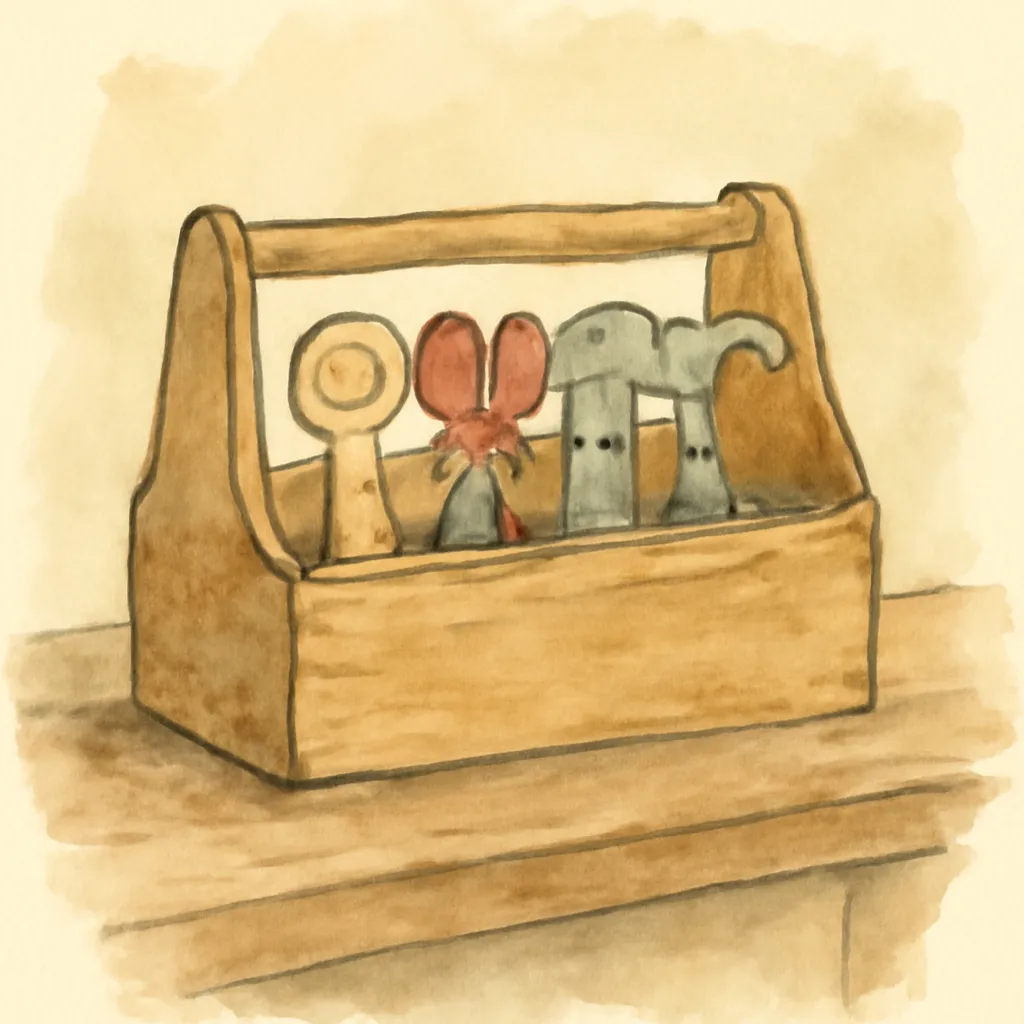
Siegel and Bryson provide practical tools and scripts for real-life situations, helping parents respond calmly and effectively. These include ways to set clear boundaries, offer choices, and use natural consequences, all while maintaining respect and connection. The toolbox is designed to be flexible and adaptable, supporting parents through everyday challenges without resorting to yelling or threats.
5.Repair and Model
The authors emphasize the importance of repair after conflicts. When parents make mistakes, apologizing and making amends models healthy emotional regulation and accountability. This teaches children that everyone is learning, and that relationships can recover from mistakes. Modeling these behaviors helps children develop resilience and empathy.
6.Long-Term Goals Over Short-Term Wins
No-Drama Discipline encourages parents to focus on the kind of person they want their child to become, not just on immediate obedience. By keeping long-term goals—such as self-control, responsibility, and empathy—in mind, parents can make discipline decisions that build character, rather than simply stopping unwanted behavior in the moment.