
Parent and child · Child rearing · Family and Relationships
How to Talk So Kids Will Listen & Listen So Kids Will Talk by Adele Faber — Summary, Key Ideas & Quotes
2001304 pages✦ 3-min Big ideas★ 3.0 (1)
Rate it
This is a sensible, lucid guide to practical and effective communication with your children. Using logical approaches to common problems, Faber and Mazlish demonstrate how to improve relationships with children, to make them less stressful and more rewarding.
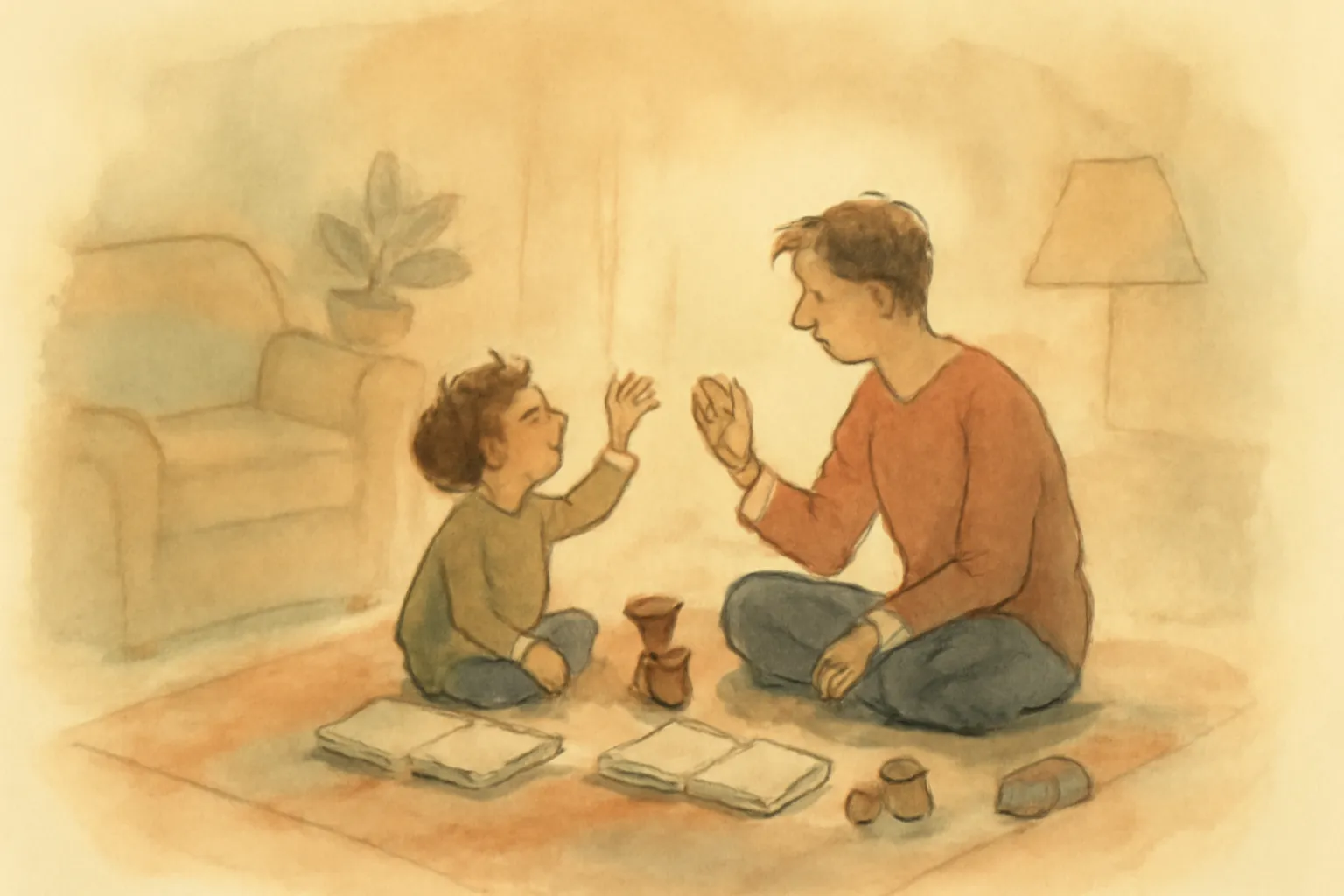
One of the book’s central insights is that children need their feelings to be heard and validated before they can move on or cooperate. Instead of dismissing or minimizing a child’s emotions, parents are encouraged to reflect back what they hear (“You seem really upset about that”). This simple act helps children feel understood, which often diffuses tension and opens the door to problem-solving.
Faber argues that commands and threats often lead to resistance or resentment. The book suggests alternatives like describing the problem, offering choices, or using humor to engage children’s cooperation. By inviting rather than demanding, parents can foster a sense of autonomy and willingness in their kids, making daily routines less of a battleground.
“I can accept your feelings without accepting your behavior.”
“Children need to have their feelings acknowledged.”