1.Acknowledge Feelings First
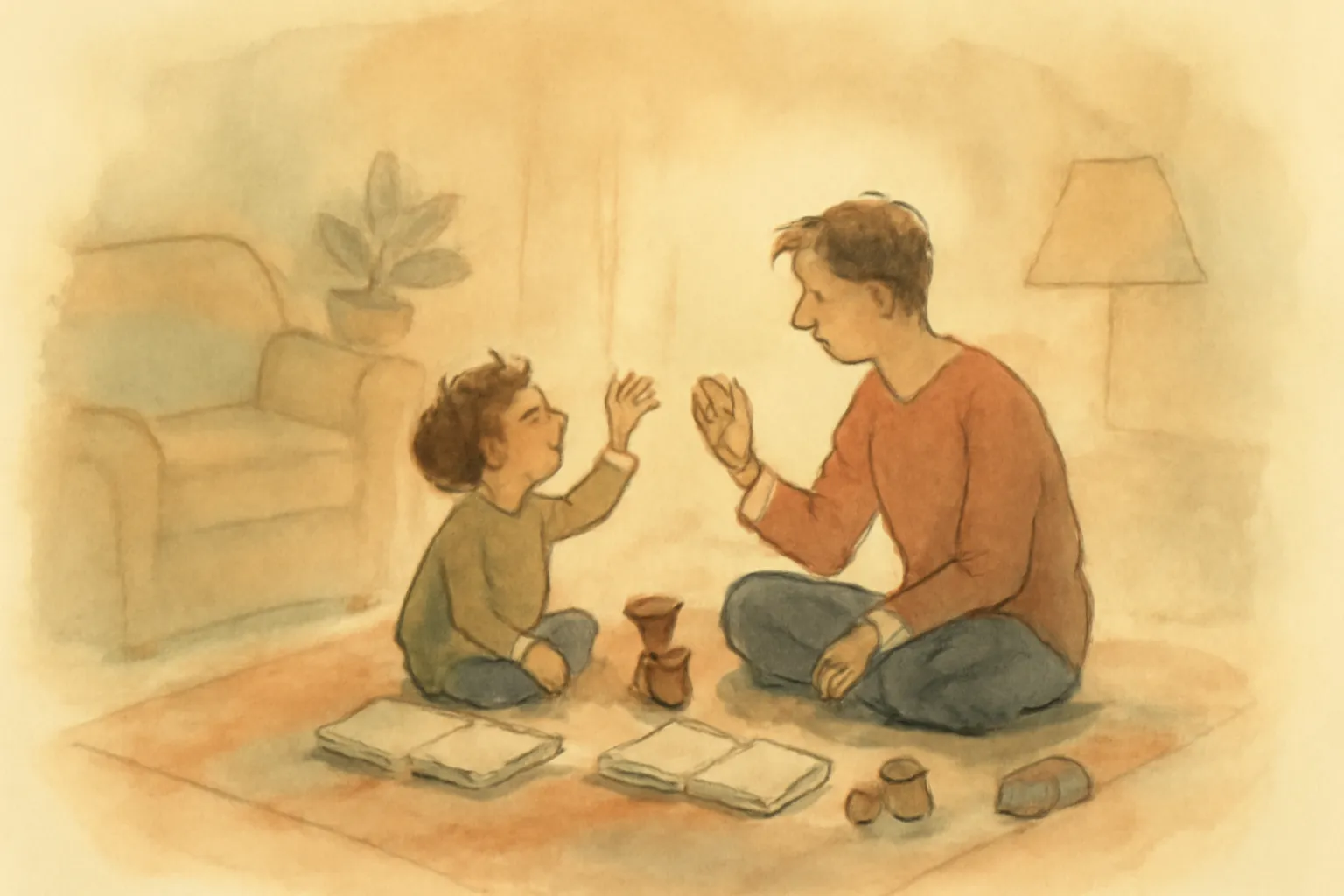
One of the book’s central insights is that children need their feelings to be heard and validated before they can move on or cooperate. Instead of dismissing or minimizing a child’s emotions, parents are encouraged to reflect back what they hear (“You seem really upset about that”). This simple act helps children feel understood, which often diffuses tension and opens the door to problem-solving.
2.Invite Cooperation, Don’t Demand
Faber argues that commands and threats often lead to resistance or resentment. The book suggests alternatives like describing the problem, offering choices, or using humor to engage children’s cooperation. By inviting rather than demanding, parents can foster a sense of autonomy and willingness in their kids, making daily routines less of a battleground.
3.Problem-Solving Together
Rather than imposing solutions, Faber advocates for collaborative problem-solving. Parents are encouraged to involve children in brainstorming and evaluating possible solutions to conflicts or recurring issues. This approach not only teaches critical thinking and negotiation skills, but also increases the likelihood that children will follow through on agreed-upon solutions.
4.Encourage Autonomy
The book highlights the importance of allowing children to make choices, express opinions, and learn from mistakes. Instead of micromanaging, parents can support autonomy by offering limited choices, letting kids take on age-appropriate responsibilities, and respecting their growing independence. This builds confidence and resilience.
5.Praise That Builds Self-Esteem
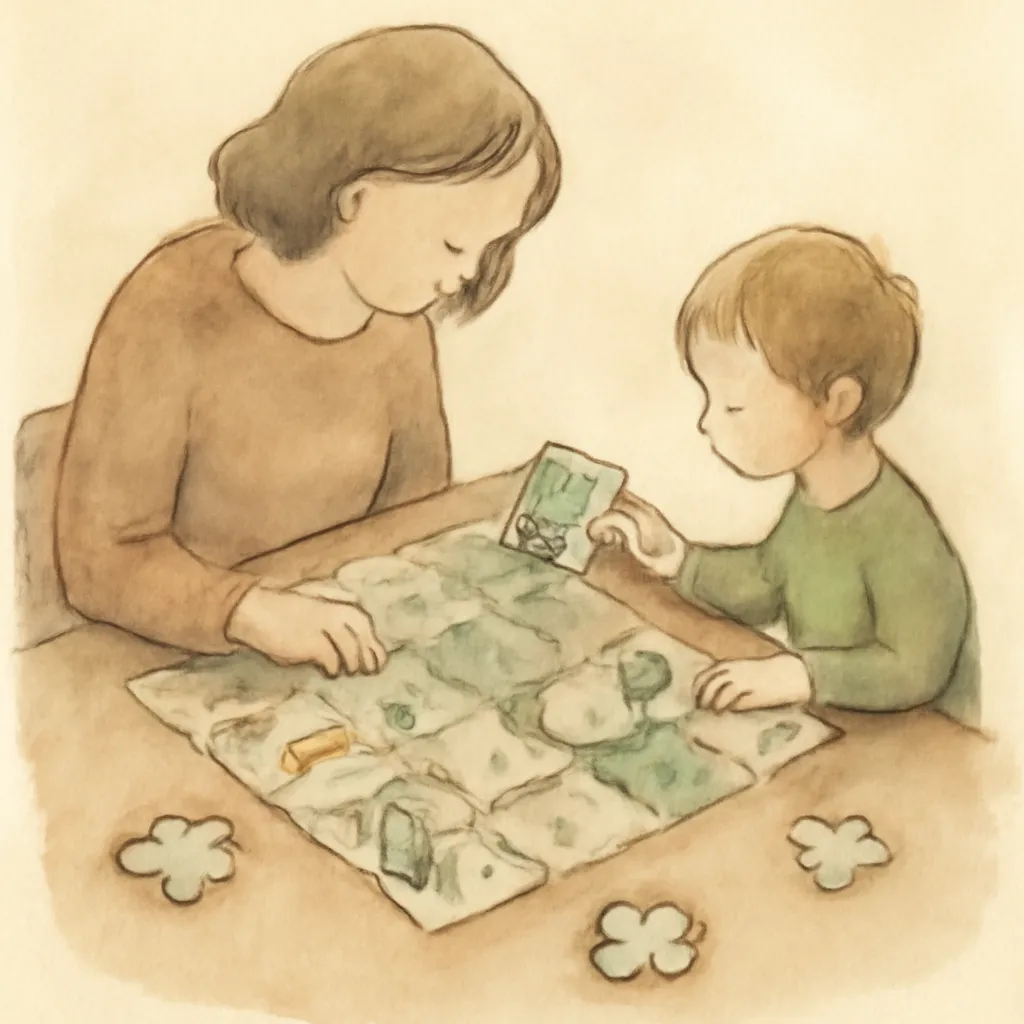
Faber distinguishes between evaluative praise (“You’re so smart!”) and descriptive praise (“You worked hard on that puzzle”). The latter, she argues, is more effective in helping children develop genuine self-esteem and motivation. By focusing on specific actions and effort, parents can encourage a growth mindset and intrinsic motivation.
6.Discipline Without Punishment
Instead of relying on punishment, the book offers alternatives like expressing expectations, giving information, and allowing natural consequences. The goal is to help children learn from their mistakes and make better choices, rather than simply obeying out of fear. This approach fosters responsibility and mutual respect.