1.The Invocation: Setting the Stage for the Journey
The Odyssey opens with a powerful invocation that establishes the tone and context of the entire poem. Snider highlights that the first lines introduce Odysseus as a 'versatile' and 'resourceful' figure, effectively laying the groundwork for his character's complexity. This invocation not only points to Odysseus's intellectual prowess but also suggests his intrinsic connection to the unfolding narrative. The backdrop of the Trojan War serves as a critical juncture, representing both the culmination of Greek heroism and the beginning of Odysseus's struggle for home. The destruction of Troy acts as a catalyst, awakening the Hellenic people to their destiny and igniting a national consciousness that compels Odysseus to navigate the challenges of returning home. This invocation foreshadows not just a physical journey, but a profound exploration of identity, destiny, and the essence of heroism.
2.Divine Council: The Interplay of Fate and Free Will

The assembly of gods on Olympus represents a pivotal moment that illustrates the intricate relationship between divine influence and human agency. Snider explains that the council, led by Zeus, deliberates on Odysseus's fate, emphasizing the power of the gods in shaping his journey. However, the outcome is contingent upon Odysseus's readiness to embrace divine assistance, suggesting that while fate plays a role, it is his actions and will that set the course for his return. Hermes, as the divine messenger, embodies the connection between the celestial and mortal realms, facilitating communication and intervention. This dynamic highlights the duality of human existence, where individuals must navigate external forces while also taking charge of their destinies. The narrative invites readers to reflect on their own lives, illustrating that progress often requires both the acknowledgment of divine support and proactive engagement with challenges.
3.Calypso: The Allure of Stagnation
Calypso serves as a significant spiritual obstacle in Odysseus's journey, symbolizing the seductive nature of comfort and complacency. Snider emphasizes that her island, Ogygia, represents a paradise that, while idyllic, ultimately hinders Odysseus’s growth and progress. This encounter reveals the complexity of Odysseus's character; he is torn between the allure of Calypso's love and the call of his homeland. The Olympians' intervention, which frees Odysseus from Calypso's grasp, underscores the necessity of overcoming such temptations to achieve personal fulfillment. Rather than simply portraying Calypso as an antagonist, Snider invites readers to consider her role as a catalyst for Odysseus’s internal conflict. This internal struggle between desire and duty is a reflection of the human experience, illustrating that true heroism often involves resisting the comforts that impede personal development and the pursuit of one's larger purpose.
4.The Sea as a Metaphor for Life's Challenges

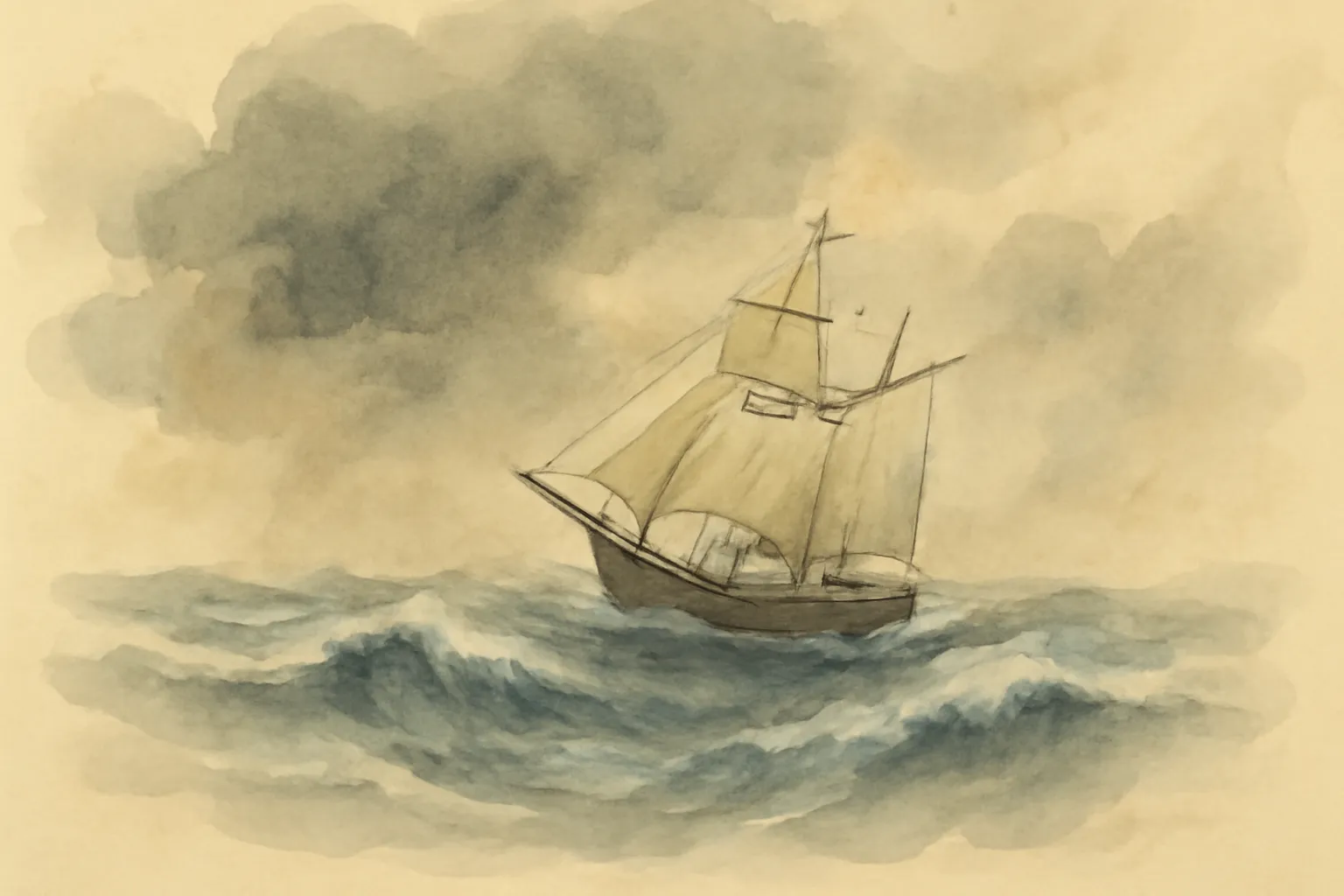
The journey across the ocean acts as a powerful metaphor for the unpredictable nature of life and the myriad challenges Odysseus faces. Snider argues that the sea, governed by Neptune, embodies the chaotic and tumultuous forces that threaten to derail Odysseus’s progress. Each encounter with water deities, including Ino Leucothea and the River-God, highlights the necessity for Odysseus to navigate these elemental challenges. The ocean's fluctuating nature symbolizes the uncertainty of the human condition, where external circumstances can shift dramatically. Odysseus's resilience in the face of these trials reveals his growth as a character and emphasizes the need for adaptability. Furthermore, the sea journey reflects the inner turmoil Odysseus experiences, as he grapples with fear, doubt, and the quest for clarity. This layered representation of the sea invites readers to reflect on their own life challenges and the importance of perseverance in the face of adversity.
5.Purification Through Adversity: Confronting Inner Demons

The Odyssey's narrative arc is characterized by a purification process that Odysseus undergoes through his various encounters with mythical creatures. Snider identifies three significant episodes—the Ciconians, the Lotus-eaters, and the Cyclops—as pivotal moments of growth for Odysseus. The initial encounter with the Ciconians represents the consequences of hubris and unchecked ambition, serving as a stark reminder of the dangers of overreaching. The Lotus-eaters symbolize the allure of escapism, highlighting the risk of losing one’s purpose through indulgence in pleasure. The climactic confrontation with the Cyclops, Polyphemus, serves as a manifestation of chaotic individualism that opposes the social order. Each of these challenges compels Odysseus to confront negative aspects of his character and the weaknesses of his crew, illustrating that true heroism often involves grappling with internal flaws. This purification process emphasizes the notion that growth is achieved through struggle, making Odysseus’s eventual triumph not merely a matter of physical strength but a testament to his moral fortitude.
6.Circe: The Temptation of Sensuality and Morality

Circe introduces a different layer of challenge for Odysseus, embodying the seductive allure of physical pleasure and moral ambiguity. Snider portrays Circe as an enchantress who represents the complexities of desire, tempting Odysseus and his crew to abandon their quest for home. Her character serves as a foil to Odysseus, as she embodies the charm and chaos that can disrupt the moral fabric of society. The encounter with Circe highlights the theme of temptation, illustrating how seductive forces can divert individuals from their goals. Odysseus's struggle against Circe is not just a battle for survival but a deeper moral confrontation, as he must assert his will against the enticement of immediate gratification. This nuanced portrayal emphasizes that heroism requires not only physical strength but also moral clarity and the ability to navigate the complexities of human relationships. Odysseus's eventual triumph over Circe reflects his growth as a character, reinforcing the importance of self-awareness and accountability in the face of temptation.
7.The Companions: Mirrors of Odysseus's Character
The dynamics between Odysseus and his companions reveal significant insights into his character and the human condition. Snider argues that Odysseus's crew serves as reflections of his own vulnerabilities, illustrating the multifaceted aspects of humanity. Each companion embodies different traits—courage, fear, greed, and desire—creating a complex tapestry that enhances the narrative. Their collective struggles highlight the interplay between individual heroism and communal responsibility, as Odysseus must grapple with the consequences of their choices. The challenges faced by his companions often mirror Odysseus's internal conflicts, reinforcing the idea that heroism is not a solitary pursuit but a shared journey. This theme invites readers to consider the impact of relationships on personal growth, suggesting that true strength lies in the ability to uplift and guide others while navigating one’s own path.
8.The Journey Home: A Metaphor for Inner Reflection
The overarching theme of the Odyssey centers on the journey home, which Snider interprets as a profound metaphor for self-discovery and personal transformation. Odysseus's long and arduous path back to Ithaca mirrors the complexities of life's journey, emphasizing that the destination is often less significant than the experiences gained along the way. Each trial he faces serves as a catalyst for reflection, prompting him to confront his identity, values, and ultimate purpose. The notion of 'home' transcends physical geography, evolving into a symbol of inner peace and fulfillment. This journey reflects the universal human experience of seeking belonging and understanding, which resonates across cultures and eras. By framing the journey in this light, the narrative encourages readers to contemplate their own paths, recognizing that the quest for self-knowledge is an integral part of the human experience.
9.The Power of Storytelling: Shaping Identity and Memory

Snider highlights the central role of storytelling within the Odyssey, emphasizing its capacity to shape identity, memory, and cultural heritage. The act of recounting Odysseus's adventures becomes a means of preserving history and personal legacy, serving as a bridge between past and present. Through the sharing of narratives, characters connect with their past, make sense of their experiences, and envision their futures. The non-linear narrative structure of the Odyssey, marked by flashbacks and episodic adventures, mirrors the complexities of memory and the ways in which stories are integral to human identity. This theme elevates the Odyssey beyond a simple epic tale, positioning it as a profound exploration of how narratives influence our understanding of ourselves and our place in the world. The emphasis on storytelling underscores the importance of cultural continuity and the transmission of values across generations, reinforcing the timeless relevance of the Odyssey in contemporary discourse.
10.The Timeless Relevance of the Odyssey

The themes and lessons embedded within the Odyssey resonate across generations, affirming its status as a timeless work that continues to inspire and challenge readers. Snider argues that Odysseus's struggles reflect universal human experiences—such as the quest for identity, the search for belonging, and the confrontation with adversity—making the narrative relevant to contemporary life. The interplay between divine and human forces remains significant as individuals navigate their own journeys amidst external challenges and internal conflicts. The Odyssey serves as a mirror reflecting the complexities of modern existence, inviting readers to grapple with their own trials and triumphs. By engaging with the text, readers are encouraged to reflect on their paths, fostering a deeper understanding of what it means to be human. Through its exploration of heroism, morality, and the human experience, the Odyssey remains a vital source of wisdom and insight for all who embark on the journey of life.