1.The Quest for Freedom
Huck Finn's journey is fundamentally about the quest for freedom. At the outset, Huck is trapped in a life he finds stifling, dominated by the Widow Douglas's attempts to 'sivilize' him. His desire to escape is not just a physical one; it symbolizes a deeper yearning to break free from societal norms and expectations. As he travels down the Mississippi River, Huck's bond with Jim, a runaway slave, becomes a powerful representation of freedom. Their adventures highlight the stark contrasts between the constraints of civilization and the liberating nature of life on the river. Huck's internal conflict regarding his friendship with Jim and the societal belief that he should turn Jim in illustrates the moral dilemmas faced by individuals seeking true freedom.
2.Friendship Across Boundaries
The relationship between Huck and Jim serves as the emotional core of the novel. Initially, Huck views Jim as merely a slave, a social construct that he has been taught to accept. However, as they face various challenges together, Huck begins to see Jim as a friend and an equal. This evolution is crucial in understanding the themes of loyalty and friendship that transcend societal boundaries. For instance, when Huck grapples with the decision to help Jim escape, he ultimately chooses loyalty to his friend over the prejudices instilled in him by society. This pivotal moment reflects Twain's critique of the racial attitudes of the time and emphasizes the importance of personal relationships in shaping one's moral compass.
3.The Satire of Society
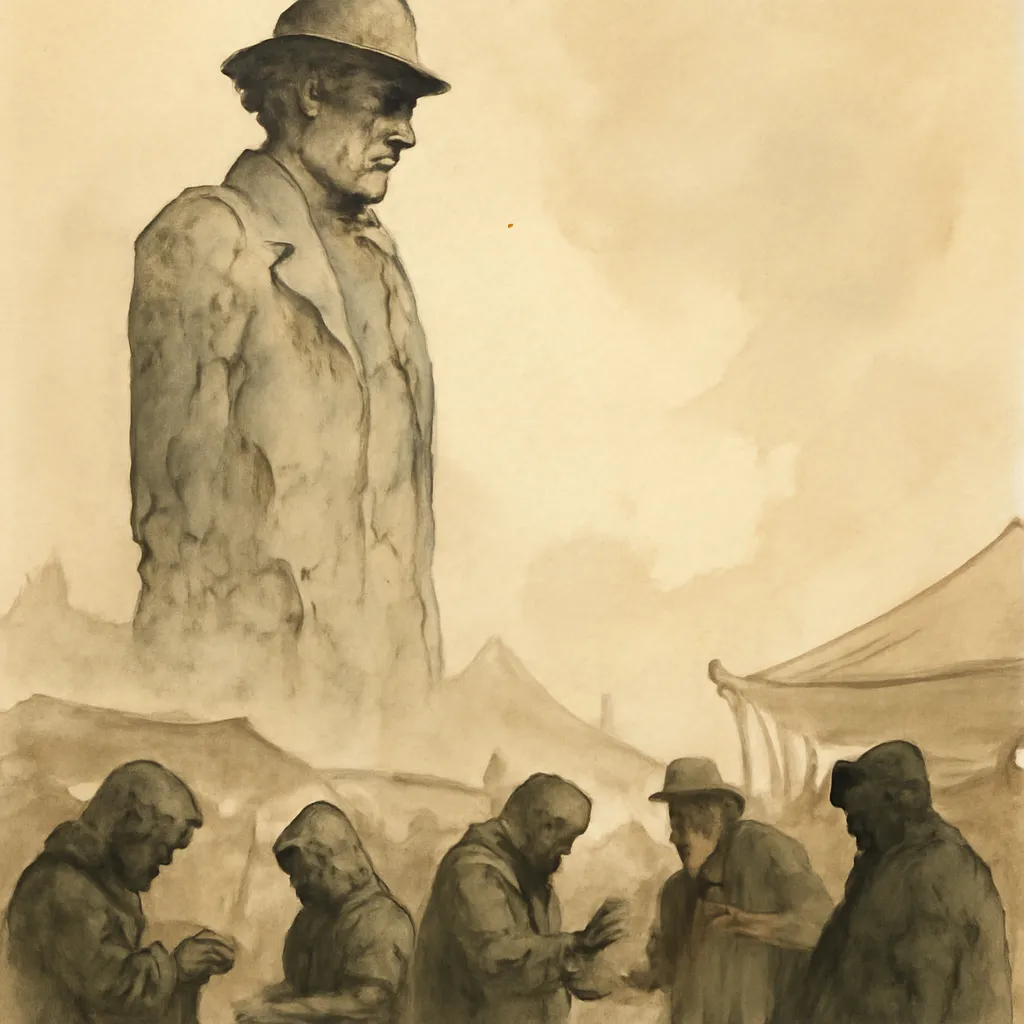
Twain masterfully employs satire to critique the societal norms and values of his time. Through various characters and their actions, he exposes the hypocrisy and absurdity of the social order. Characters like the Duke and the King, who con the townspeople, exemplify the moral decay present in society. Their schemes highlight the gullibility and ignorance of the people, serving as a mirror to the societal flaws that Twain seeks to illuminate. Additionally, the feud between the Grangerfords and the Shepherdsons satirizes the senseless violence and honor codes prevalent in Southern culture. These portrayals encourage readers to question the validity of societal norms and consider the impact of blind adherence to tradition.
4.The Complexity of Morality
Huck’s moral development is a central theme in the novel, illustrating the complexities of right and wrong. Raised in a society that views slavery as acceptable, Huck initially struggles with his conscience when he helps Jim escape. He wrestles with the belief that he is 'stealing' Jim from his owner, yet he also recognizes the humanity and dignity of his friend. This inner conflict showcases the tension between societal values and personal ethics. As Huck navigates his journey, he begins to form his own moral judgments, ultimately deciding that helping Jim is worth the risk of damnation. This evolution challenges readers to reflect on their own moral beliefs and the influences that shape them.
5.The Role of Nature
Nature serves as both a refuge and a character in 'Adventures of Huckleberry Finn.' The Mississippi River symbolizes freedom and adventure, contrasting sharply with the oppressive societal structures on land. Huck and Jim's travels along the river allow them a sense of peace and autonomy, free from societal constraints. The natural world becomes a space for self-discovery and growth, where Huck can explore his identity away from the judgments of society. Twain's vivid descriptions of the river and its surroundings not only enhance the narrative but also underscore the theme of nature as a source of solace and liberation.
6.The Impact of Racism
Racism is an omnipresent theme throughout the novel, reflecting the deeply entrenched attitudes of the time. Twain does not shy away from depicting the harsh realities of slavery and the dehumanization that accompanies it. Jim's character challenges the stereotypes of the time, showcasing his intelligence, loyalty, and humanity. Through Huck's journey, readers witness the impact of racism on both individual lives and society as a whole. The novel serves as a critique of the systemic racism that pervades American culture, urging readers to confront uncomfortable truths about their own beliefs and the legacy of slavery.
7.Coming of Age
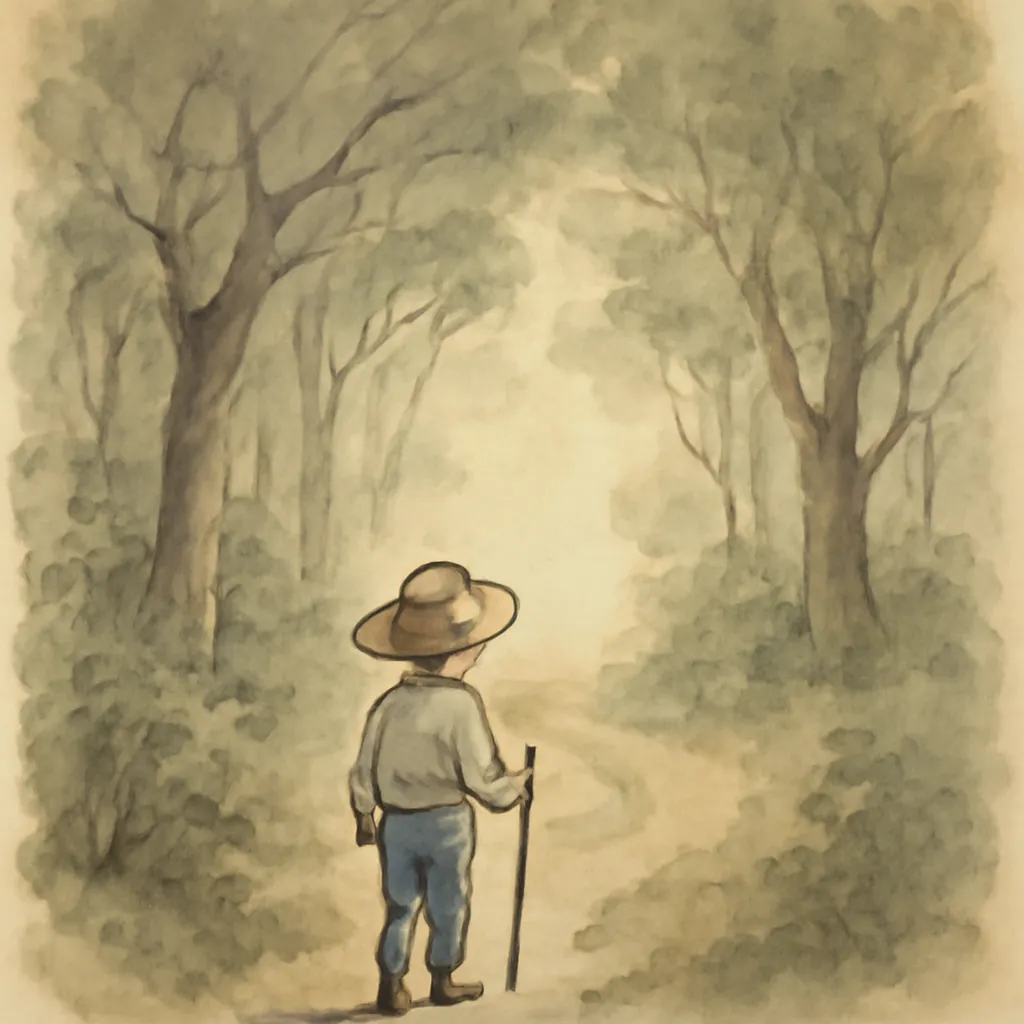
Huck's journey is also a classic coming-of-age story, as he transitions from childhood innocence to a more nuanced understanding of the world. Throughout the novel, Huck encounters various characters and situations that challenge his preconceived notions and force him to reevaluate his beliefs. His experiences with Jim, the Grangerfords, and the Duke and the King contribute to his growth and maturity. By the end of the novel, Huck's character embodies a more profound understanding of friendship, loyalty, and morality. This coming-of-age arc resonates with readers, illustrating the universal challenges of growing up and finding one's place in the world.
8.The Significance of the Raft
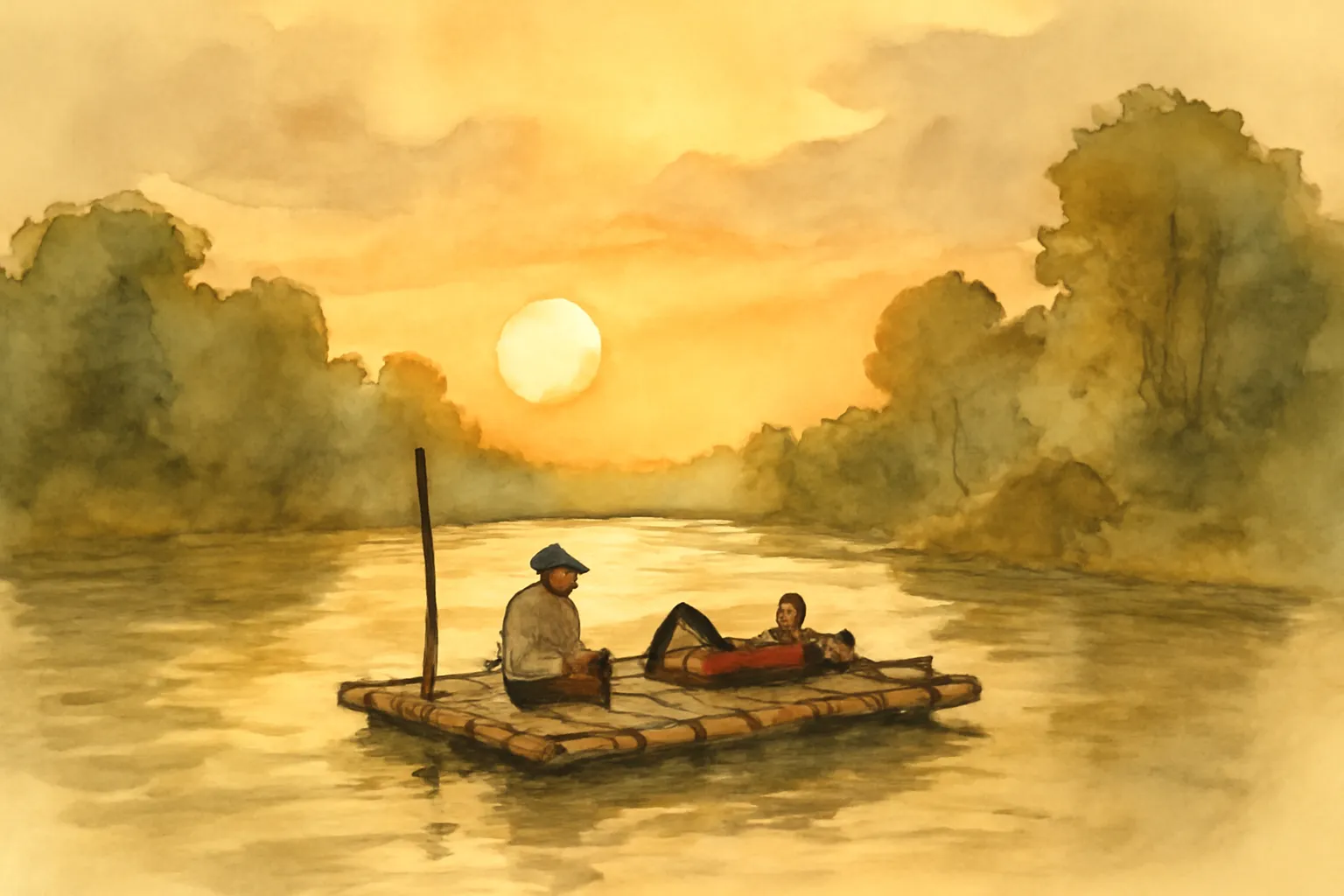
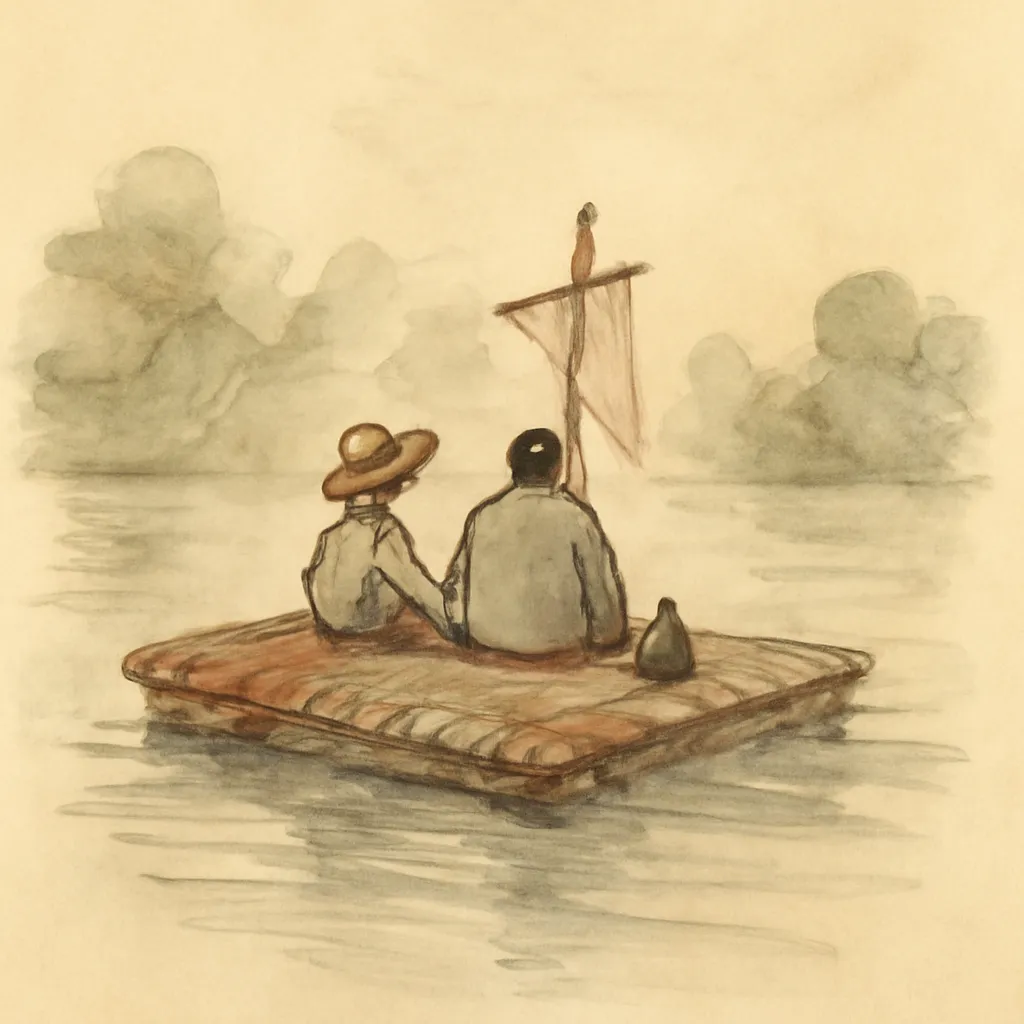
The raft is a powerful symbol of freedom and companionship in the novel. It serves as a temporary home for Huck and Jim, where they can escape the constraints of society and forge their own path. The raft is a space of equality, where the social hierarchies that define their lives on land are dissolved. Their shared experiences and struggles aboard the raft strengthen their bond and underscore the theme of friendship. However, the raft also represents the fragility of their freedom. As they navigate the river, external forces threaten to disrupt their journey, reminding readers of the precarious nature of freedom in a society rife with prejudice.
9.The Legacy of the Novel
The impact of 'The Adventures of Huckleberry Finn' extends far beyond its publication in 1884. The novel is often hailed as one of the first great American novels, influencing countless writers and shaping the landscape of American literature. Its exploration of race, identity, and morality continues to resonate with contemporary readers, prompting discussions about social justice and equality. Twain's use of vernacular language and his ability to capture the complexities of human experience have cemented the novel's place in the literary canon. As society grapples with ongoing issues of race and inequality, Huck's journey remains a poignant reminder of the importance of empathy, understanding, and the pursuit of freedom.