1.The Search for Autonomy

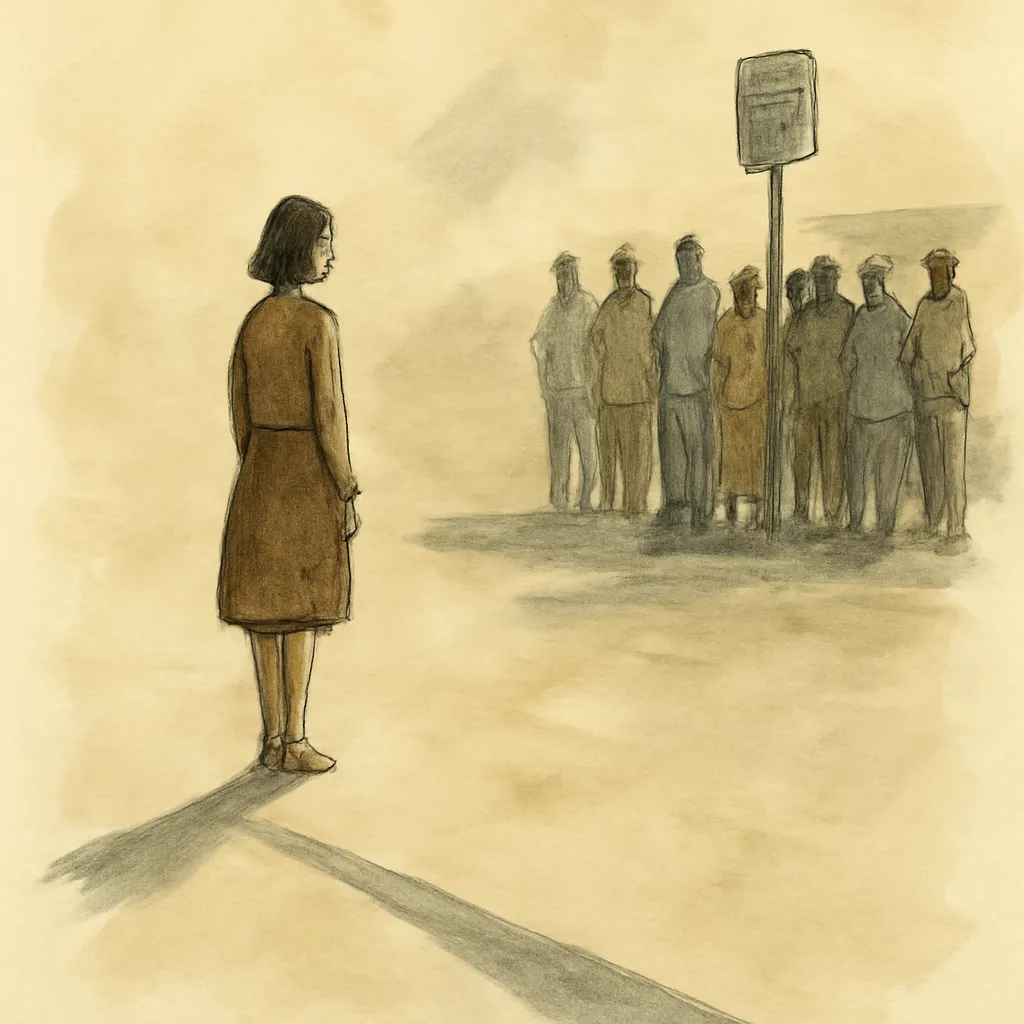
Laura's journey begins with a desperate need to escape her father's oppressive influence. Merrill Landon, her father, embodies the archetype of a domineering parent, believing himself to be a good father while imposing rigid expectations on Laura. He embodies the traditional patriarchal figure, an authoritative presence who dictates her choices and undermines her autonomy. Laura's relationship with Merrill is characterized by a cycle of resentment and compliance; at times, she acknowledges his attempts to guide her, yet she feels stifled by his judgments. This dynamic pushes Laura to flee to New York City, where she hopes to carve out her own identity away from his shadow. The act of leaving her father's home symbolizes a profound assertion of independence, yet it also highlights the internal struggles that come with such a decision. Despite her attempt to break free, Laura grapples with feelings of guilt and longing for paternal approval, demonstrating the complex emotional landscape faced by those seeking liberation from familial bonds.
2.Friendship and Companionship
The relationships Laura forms in New York serve as a crucial lifeline as she navigates her new life. Marcie, her roommate, becomes a central figure in her journey, providing both comfort and a source of tension. Their friendship oscillates between intimacy and misunderstanding, showcasing the intricacies of human connection. Laura's feelings for Marcie evolve from mere companionship to something deeper, complicating their dynamic and forcing Laura to confront her own desires. This exploration of friendship underscores the theme of companionship as both a refuge and a challenge, as Laura must reconcile her feelings for Marcie with her fear of vulnerability and rejection. The laughter shared between Laura and Marcie during mundane moments, such as fixing the sink, highlights the comfort found in friendship. However, their relationship prompts Laura to grapple with her identity and desires, ultimately becoming a catalyst for her self-discovery.
3.The Complexity of Sexual Identity
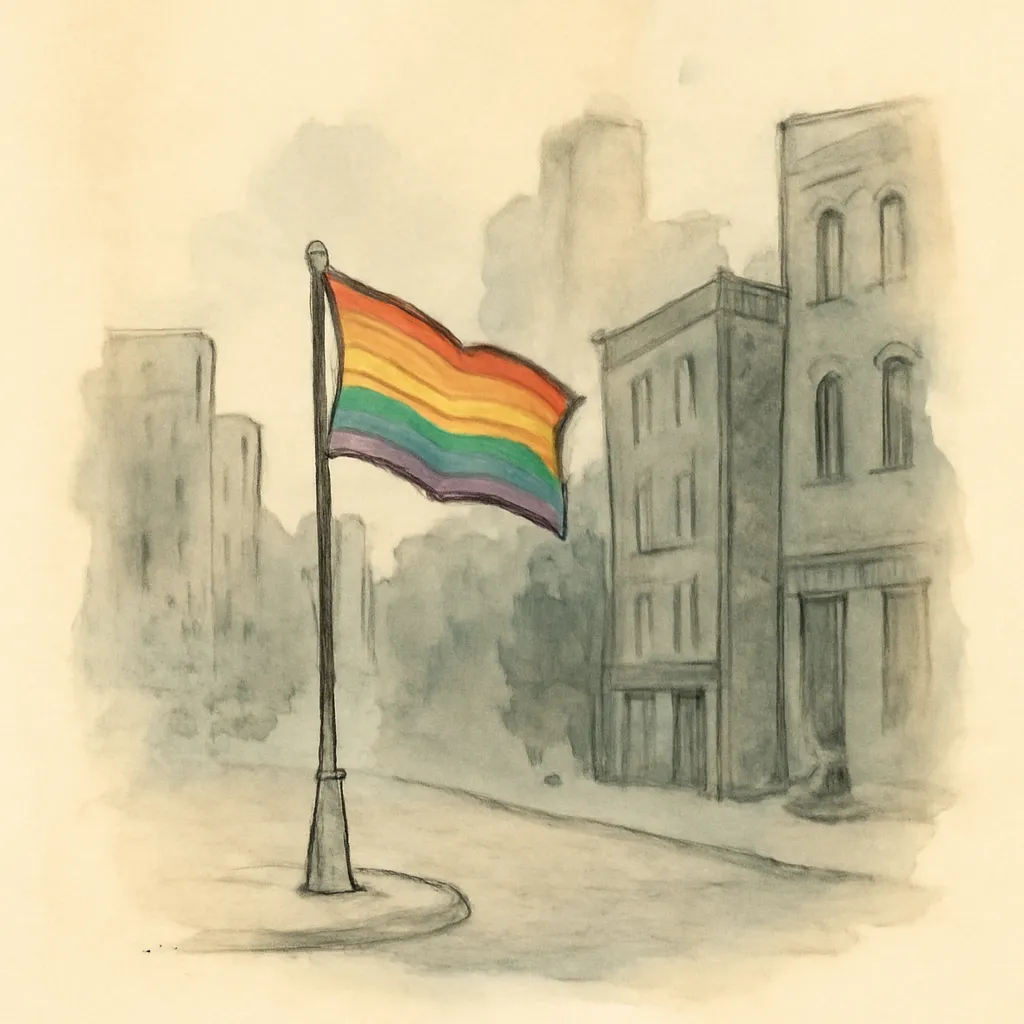
Laura's journey of self-discovery is intertwined with her burgeoning awareness of her sexual identity. As she grapples with her attraction to women, particularly Marcie, she confronts the societal norms that dictate heterosexual relationships as the standard. This internal struggle is poignantly illustrated through her interactions with Marcie and other characters, reflecting the confusion and exhilaration of exploring one's desires. Laura's internal conflict signifies the broader societal apprehensions around same-sex relationships during the 1950s. The narrative challenges the binary understanding of sexuality and emphasizes the fluidity of identity, as Laura's experiences lead her to question what it means to truly love and be loved. This exploration subverts traditional narratives, illustrating a more nuanced representation of female desire and the complexities inherent in coming to terms with one's identity. Laura's feelings evolve from a sense of shame to acceptance, marking a significant shift in her self-perception.
4.Parental Influence and Its Aftermath
Merrill Landon's impact on Laura's psyche looms large throughout the narrative, serving as a reminder of the lasting effects of parental relationships. His dismissive and controlling behavior shapes Laura's self-perception and influences her interactions with others, particularly men. The tension between Laura's desire for acceptance and her disdain for her father's authority creates a rich backdrop for her emotional turmoil. This exploration of parental influence highlights the ways in which familial relationships can shape one's identity and the struggle to break free from those patterns. Laura’s journey indicates that healing is a complex process, often necessitating the confrontation of past traumas in order to reclaim one’s agency. As Laura navigates her relationships in New York, she must constantly contend with the internalized expectations set by her father, which complicate her quest for self-realization.
5.Navigating Societal Expectations
Bannon's narrative deftly critiques the societal expectations placed on women in the 1950s, illuminating the constraints that dictate their lives. Laura's experiences reflect the pressures to conform to traditional gender roles and the stigma surrounding non-heteronormative relationships. As she navigates her relationships and career aspirations, Laura embodies the struggle against these societal norms. Bannon uses Laura's story to challenge the idea that women should fit neatly into predefined roles, advocating instead for a more nuanced understanding of identity and desire. This critique transcends the 1950s context, resonating with contemporary discussions on gender and autonomy, illustrating that the fight against societal expectations is ongoing. The pressures Laura faces serve as a microcosm of the broader struggles women encounter in their pursuit of identity and self-determination.
6.The Power of Vulnerability
The emotional landscape of 'I Am a Woman' is rich with moments of vulnerability, as characters grapple with their fears and insecurities. Laura's hesitance to express her feelings for Marcie and her struggles with intimacy reveal the profound impact of vulnerability on relationships. Through these moments, Bannon illustrates that true connection requires the courage to be open and honest about one's emotions. Laura's journey towards embracing her vulnerability serves as a powerful reminder of the transformative potential of authentic relationships. The act of vulnerability, while daunting, becomes a catalyst for growth and deeper understanding, enabling Laura to forge meaningful connections despite her fears. As Laura navigates her feelings for Marcie, her emotional openness leads to pivotal moments that define their relationship and her self-acceptance.
7.Confronting the Past
As Laura's story unfolds, her past continually resurfaces, forcing her to confront the emotional scars left by her father. The culmination of her journey leads to a pivotal confrontation that encapsulates her struggle for autonomy and healing. This moment serves as a cathartic release, allowing Laura to reclaim her narrative and assert her identity. Bannon skillfully navigates the complexities of facing one's past, illustrating that true freedom comes from acknowledging and confronting the pain that has shaped us. Laura's journey suggests that personal liberation is not merely about escaping one's circumstances but also involves understanding and redefining the impact of those experiences. This theme resonates deeply, as Laura's confrontation brings to light the intricacies of healing and the necessity of addressing trauma to foster growth.
8.The Role of Friendship in Healing
Throughout the narrative, friendships play a crucial role in Laura's healing process. As she navigates her tumultuous emotions and relationships, her friends provide support and challenge her to confront her fears. The bonds Laura forms with characters like Marcie and Jack serve as a reminder of the importance of community in the journey towards self-acceptance. Bannon emphasizes that healing is often a collective experience, one that is enriched by the love and support of those around us. These friendships are not without their complexities, as they often force Laura to confront her feelings and insecurities, ultimately contributing to her personal growth. The narrative illustrates that the process of healing is often intertwined with the connections we make, revealing how friendships can uplift and challenge us in equal measure.
9.The Quest for Identity
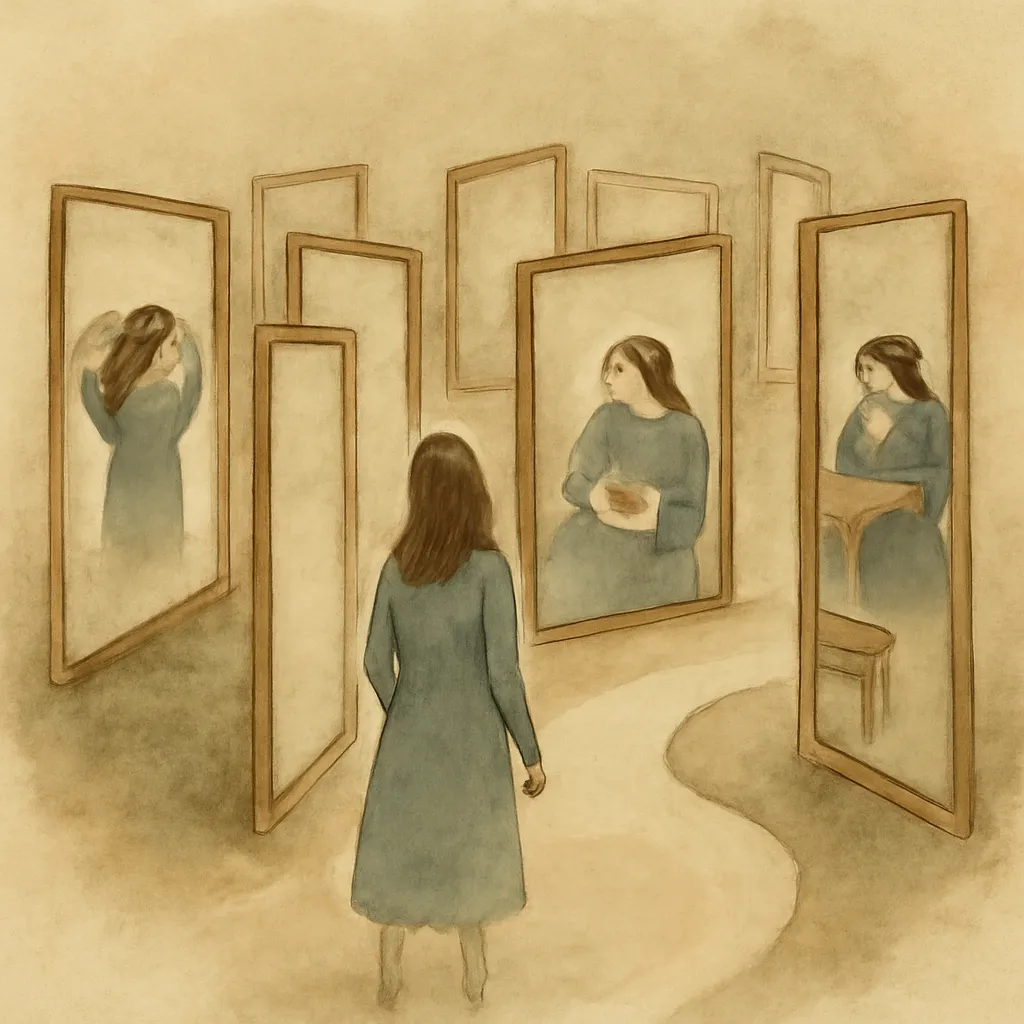
At its core, 'I Am a Woman' is a profound exploration of identity and the complexities of self-discovery. Laura's journey encapsulates the struggles faced by many individuals as they seek to understand their place in the world. Bannon masterfully weaves together themes of love, sexuality, and familial influence to create a rich narrative that resonates with the universal quest for identity. Laura's evolution throughout the story serves as a testament to the resilience of the human spirit and the importance of embracing one's true self. The quest for identity is not a linear path; rather, it is filled with twists, turns, and setbacks, reflecting the multifaceted nature of human experience. As Laura confronts her desires and her past, she ultimately learns to embrace the complexities that define her identity.
10.Love as a Form of Resistance
The narrative illustrates love not only as a source of joy but also as a form of resistance against societal norms and familial constraints. Laura's relationships, particularly her profound connection with Marcie, challenge the conventional notions of love and companionship. Bannon portrays love as a radical act, one that defies the expectations placed upon women and the limitations of traditional romance. This portrayal emphasizes that love—whether romantic or platonic—can empower individuals to assert their identities and fight against the constraints imposed by society. The transformative power of love becomes a central theme, illustrating how deep connections can inspire personal revolution and resilience. Laura's journey ultimately suggests that love, in its many forms, can serve as a powerful catalyst for change, challenging the status quo and demanding acceptance.