1.The Power of One Voice
Malala’s story demonstrates how a single individual, even a young girl from a remote region, can spark international awareness and action. Through her advocacy, she challenges the notion that change is reserved for the powerful or privileged. Her persistence in speaking out, despite grave dangers, illustrates the ripple effect one voice can have in mobilizing communities and influencing global leaders.
2.Education as a Fundamental Right
At the heart of the memoir is the belief that education is not a luxury, but a basic human right. Malala’s fight is not just personal; it is emblematic of millions of girls denied schooling due to poverty, tradition, or extremism. The book underscores how education empowers individuals, uplifts families, and strengthens societies, and why denying it is both a moral and practical failure.
3.Resilience in the Face of Oppression
Malala’s journey is marked by extraordinary resilience. Living under the threat of violence from the Taliban, she and her family refuse to surrender to fear. The memoir details the psychological and physical costs of standing up to extremism, but also the inner strength that comes from holding onto one’s convictions and hope.
4.Family and Community Support
A key pillar of Malala’s courage is her family, especially her father, who champions her education and encourages her activism. The book explores how family values, support, and sacrifice can nurture confidence and agency in young people, even in societies where gender roles are rigidly defined.
5.The Impact of Extremism on Everyday Life
I Am Malala provides a vivid account of how extremist ideologies disrupt daily life, erode freedoms, and instill fear. Through personal anecdotes, Malala illustrates the broader social and cultural consequences of terrorism—how it affects schools, families, and the fabric of communities, and why resistance is both necessary and costly.
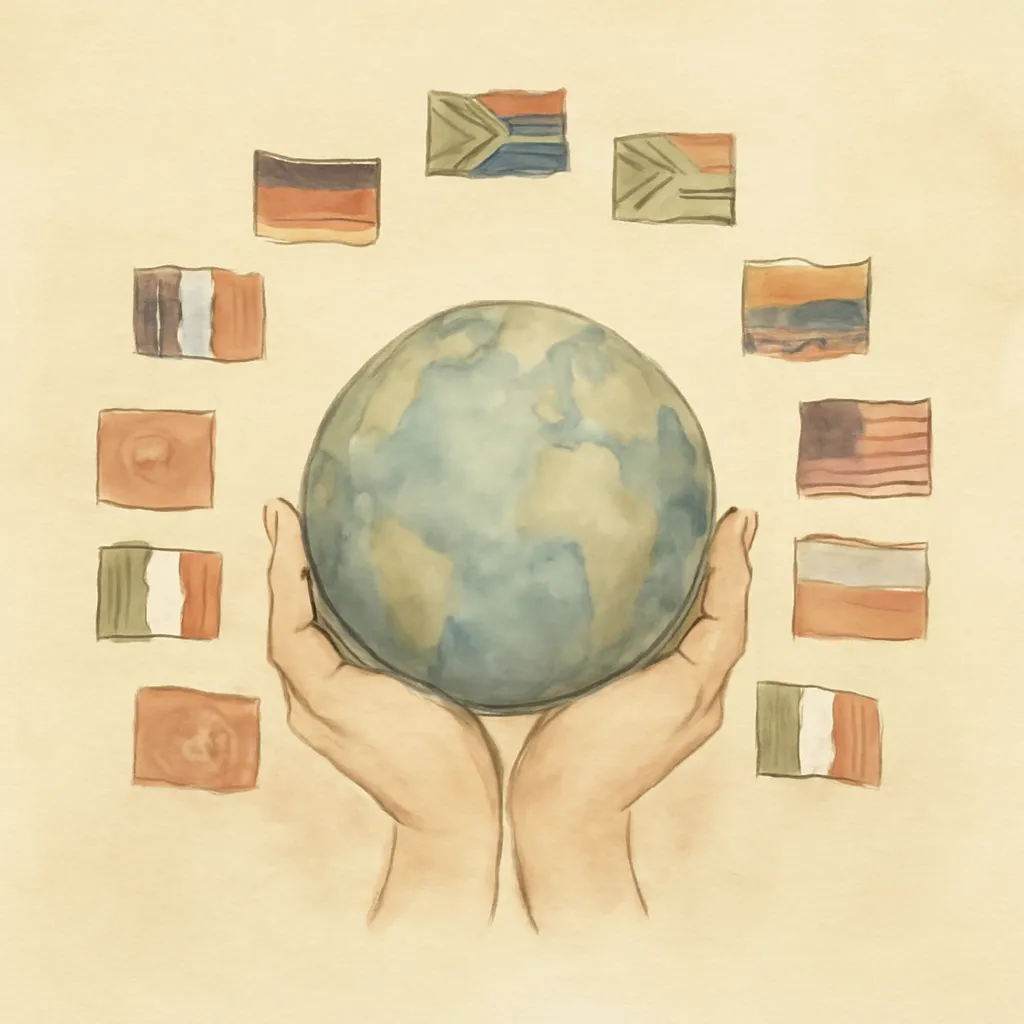
6.Global Solidarity and Responsibility
Malala’s story transcends national boundaries, urging readers everywhere to recognize their role in advocating for justice and equality. The memoir calls attention to the interconnectedness of global struggles for human rights and the importance of international support in confronting injustice.