

Young women · Education · Biography
I Am Malala by Malala Yousafzai — Summary, Key Ideas & Quotes
2012336 pages✦ 3-min Big ideas★ 4.3 (38)
Rate it
When the Taliban took control of the Swat Valley in Pakistan, one girl spoke out. Malala Yousafzai refused to be silenced and fought for her right to an education. On Tuesday, October 9, 2012, when she was fifteen, she almost paid the ultimate price. She was shot in the head at point-blank range while riding the bus home from school, and few expected her to survive. Instead, Malala's miraculous recovery has taken her on an extraordinary journey from a remote valley in northern Pakistan to the halls of the United Nations in New York. At sixteen, she has become a global symbol of peaceful protest and the youngest nominee ever for the Nobel Peace Prize. This is the remarkable tale of a family uprooted by global terrorism, of the fight for girls' education, of a father who, himself a school owner, championed and encouraged his daughter to write and attend school, and of brave parents who have a fierce love for their daughter in a society that prizes sons. This story will make you believe in the power of one person's voice to inspire change in the world. -- Publisher's description.
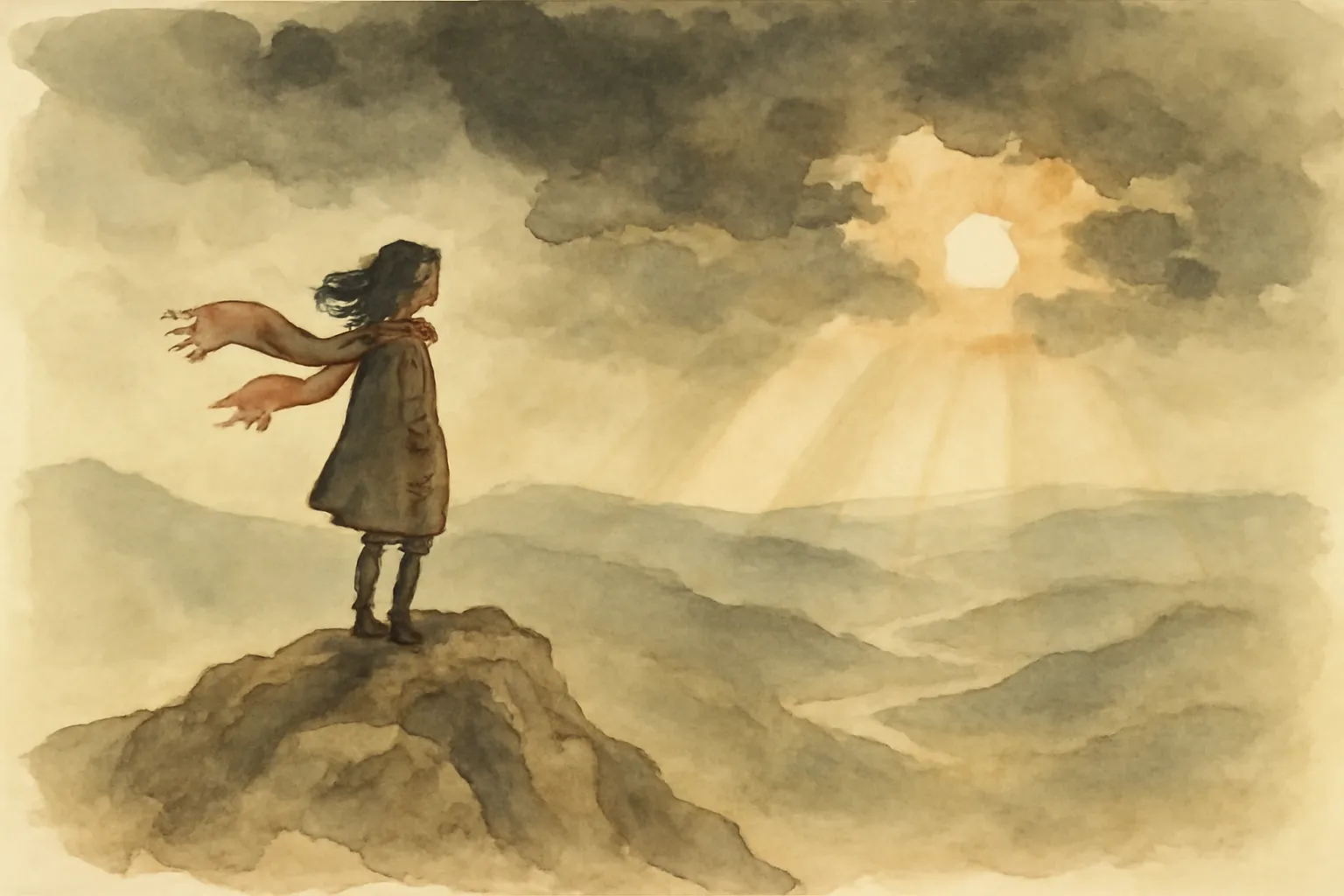
Malala’s story demonstrates how a single individual, even a young girl from a remote region, can spark international awareness and action. Through her advocacy, she challenges the notion that change is reserved for the powerful or privileged. Her persistence in speaking out, despite grave dangers, illustrates the ripple effect one voice can have in mobilizing communities and influencing global leaders.
At the heart of the memoir is the belief that education is not a luxury, but a basic human right. Malala’s fight is not just personal; it is emblematic of millions of girls denied schooling due to poverty, tradition, or extremism. The book underscores how education empowers individuals, uplifts families, and strengthens societies, and why denying it is both a moral and practical failure.
“One child, one teacher, one book, one pen can change the world.”
“I raise up my voice—not so that I can shout, but so that those without a voice can be heard.”