1.The Allure of Lake Como
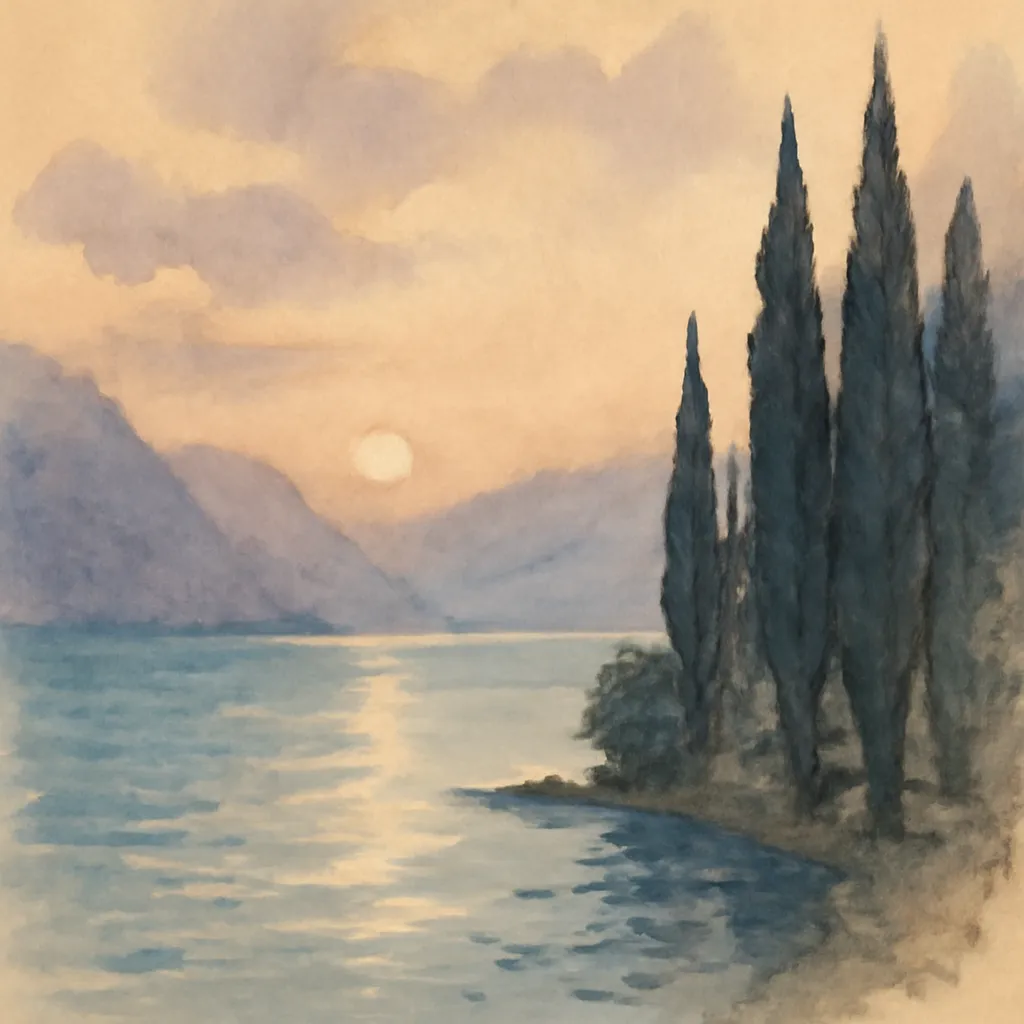
Wharton's journey begins at Lake Como, where she describes the intoxicating beauty that surrounds her. The ethereal quality of the landscape is enhanced by the changing light, with hues of heliotrope, azure, and rose that seem to dance across the water. The author emphasizes how the scenery captivates both the heart and the spirit, evoking feelings of inspiration and wonder. She notes that the lake’s charm is not just in its stillness, but in the way it transforms with the shifting weather, much like the emotions it stirs within her. Through her vivid imagery, readers can almost feel the gentle breeze and hear the nightingale's song, inviting them to explore this enchanting locale that has inspired countless artists and poets throughout history.
2.A Journey through Switzerland
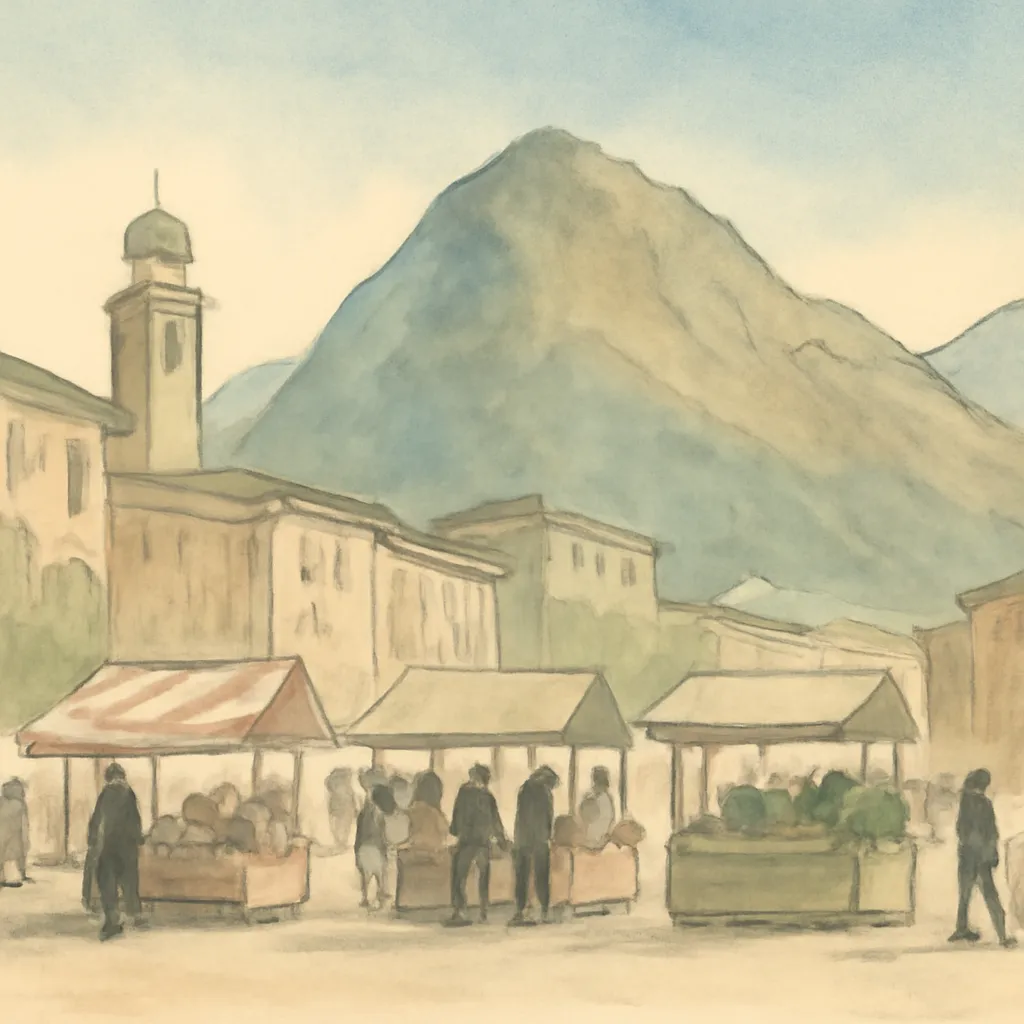
As Wharton travels from Italy into Switzerland, she contrasts the warmth and vibrancy of Italian towns with the more austere atmosphere of Swiss cities. Her description of Lugano highlights the quaint, picturesque streets filled with local wares and the bustling energy of market days. This experience is tinted with nostalgia, as she reflects on the hardworking Swiss women who carry their goods with grace. Wharton’s observations serve to contrast the leisurely pace of life in Italy with the industrious nature of the Swiss, revealing the complexities of cultural identity in these neighboring regions. The beauty of Lugano captivates her, yet she remains aware of the underlying differences that define each location’s character, making her reflections rich and multifaceted.
3.The Historical Significance of Dijon
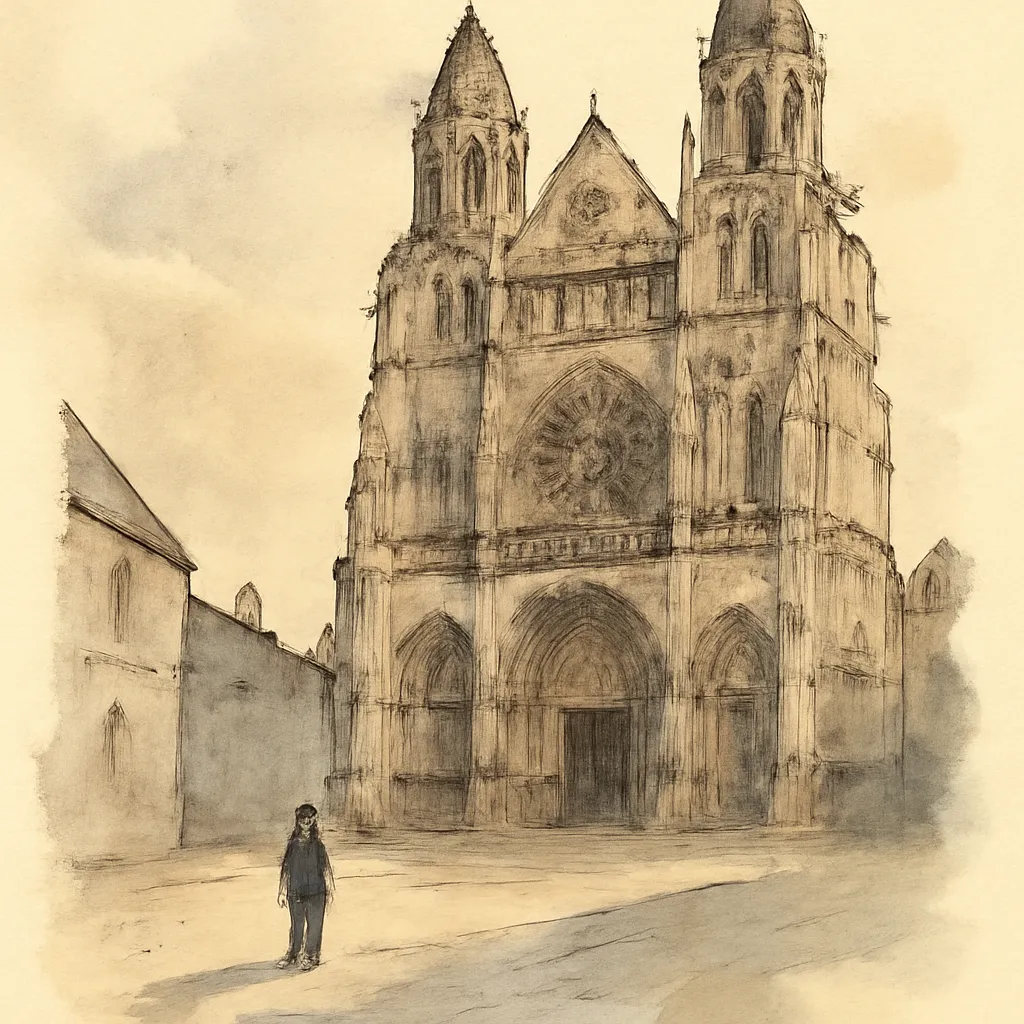
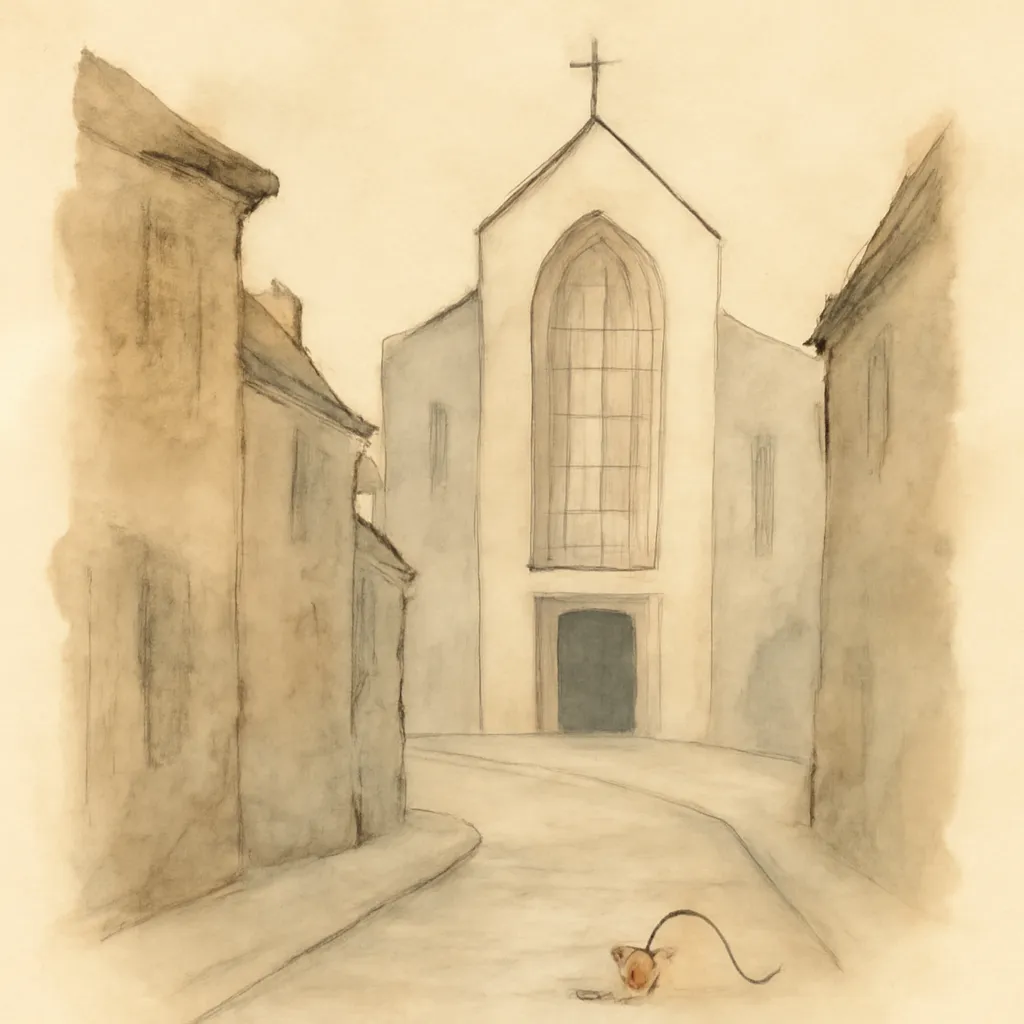
Wharton’s stop in Dijon reveals her appreciation for the deep historical roots embedded in the architecture of the city. She explores ancient churches and museums, noting how the remnants of the past tell stories of the Dukes of Burgundy and their powerful legacy. The Cathedral of Saint Benigne and Notre Dame leave her in awe, particularly the latter's intricate gargoyles that depict both man and beast. Wharton reflects on how these structures embody the artistic spirit of the time while also serving as a testament to the city’s rich heritage. Her exploration of Dijon becomes not just a sightseeing endeavor, but a deeper engagement with history, prompting readers to consider the stories behind the stones and the lives once lived within their walls.
4.The Enchantment of Tours
In Tours, Wharton embarks on foot to discover the winding streets and hidden corners of this historic town. Her visit to the Church of St. Martin is bittersweet, as she finds a modern replacement for what was once a revered basilica. This disappointment is juxtaposed with her admiration for the Cathedral of St. Gatien, which boasts ancient architecture that tells a different story. Wharton’s love for exploration and discovery shines through as she encounters the remnants of the past. The blend of history and modernity in Tours serves as a microcosm of the larger journey she undertakes, reflecting the tension between preservation and progress in the context of cultural heritage.
5.Châteaux of the Loire Valley
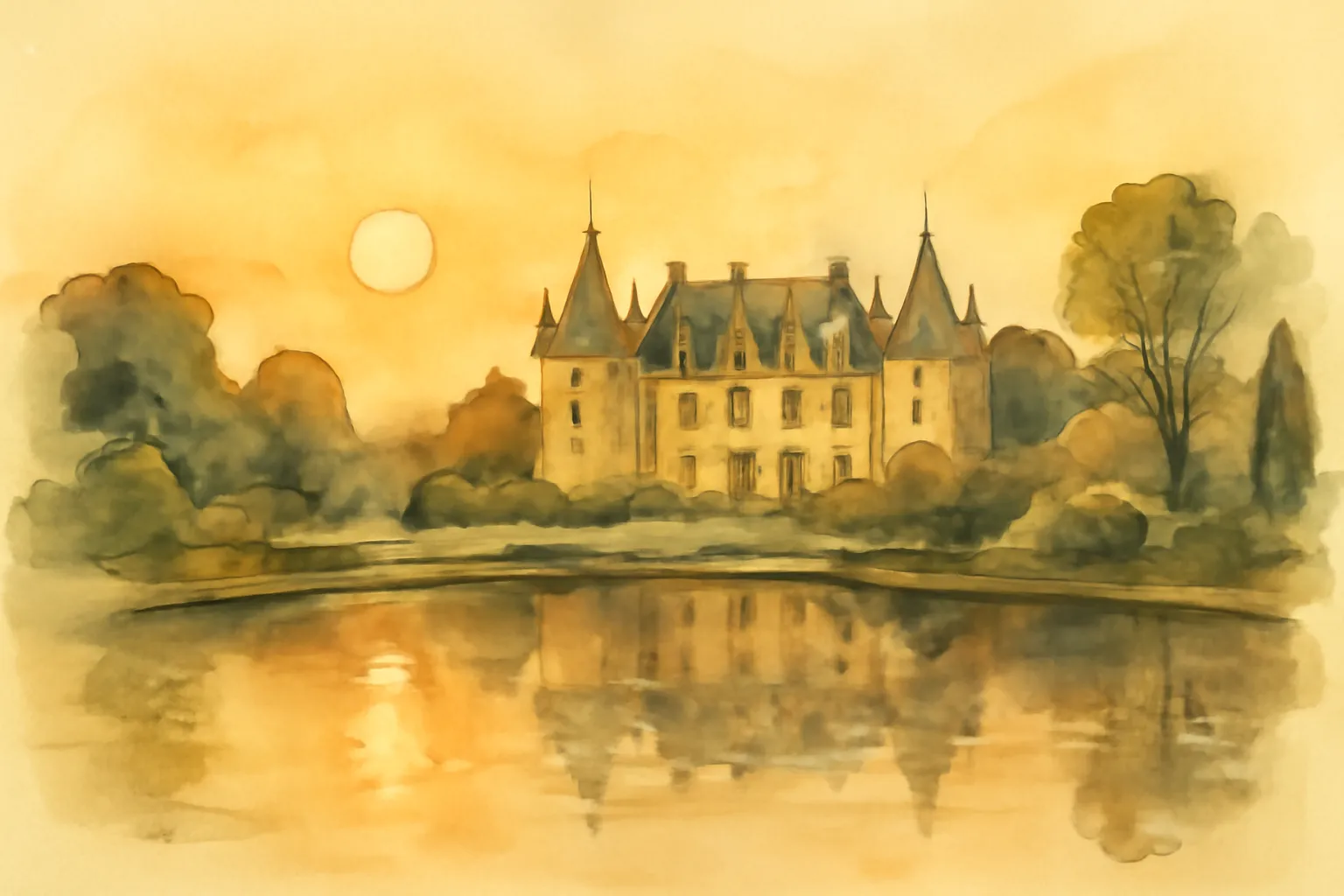
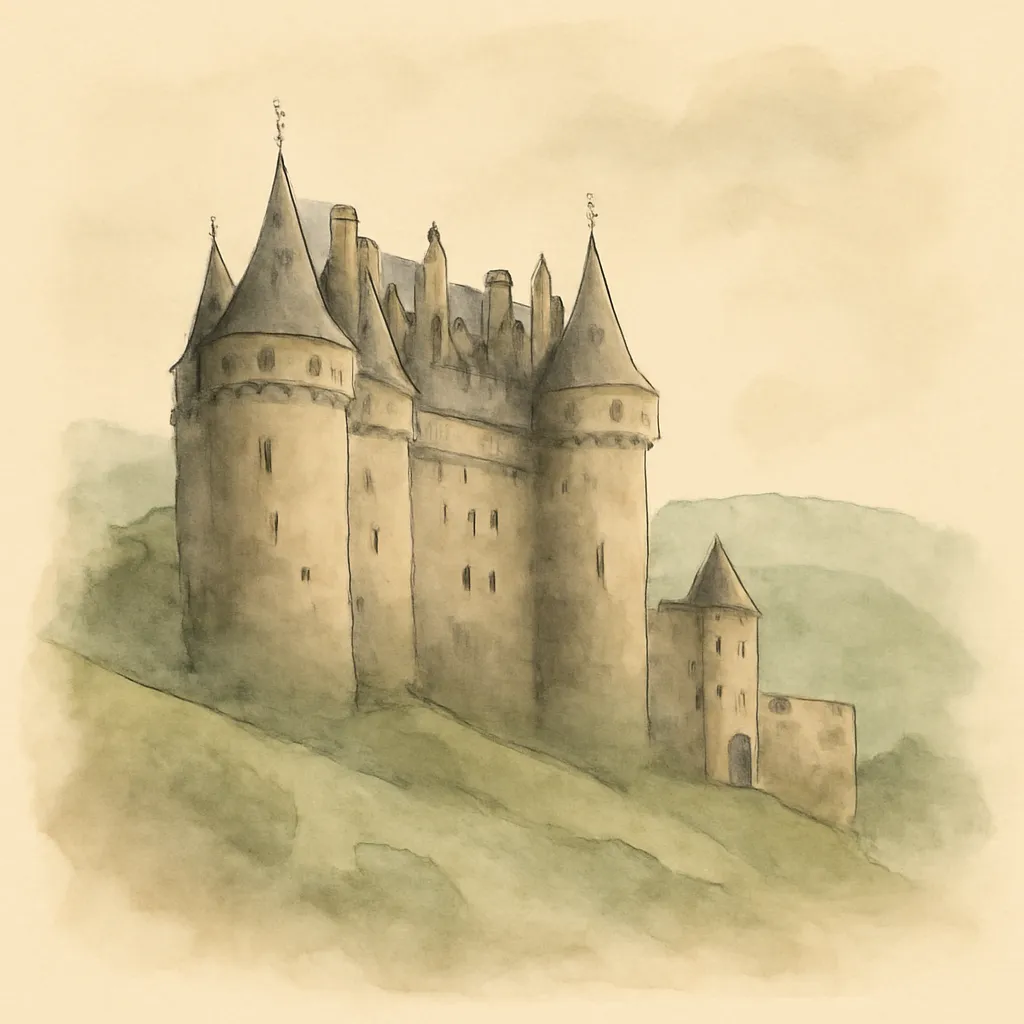
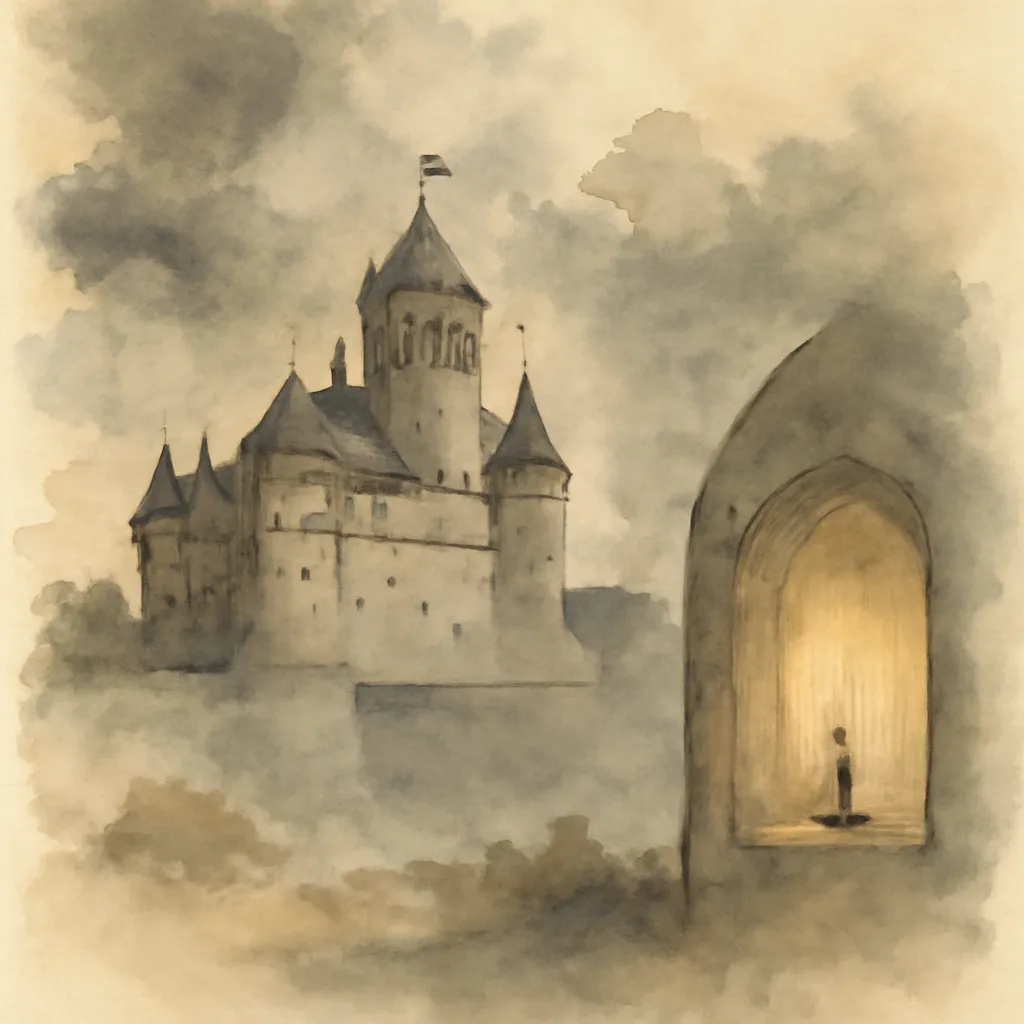
Wharton’s exploration of the Loire Valley introduces readers to the grandeur of its châteaux, each with its own unique narrative. Her visit to Langeais reveals a fortress steeped in medieval history, stirring her imagination as she envisions the lives of those who once inhabited its walls. The austere design of the chateau captivates her, and she draws parallels between its structure and the romantic tales of knights and ladies that resonate throughout French history. The châteaux are not just architectural wonders; they embody the spirit of the region and its storied past. Wharton’s keen observations invite readers to appreciate how these historical sites serve as reminders of the complexities of power, love, and conflict in the pages of history.
6.The Duality of Chenonceaux and Chinon
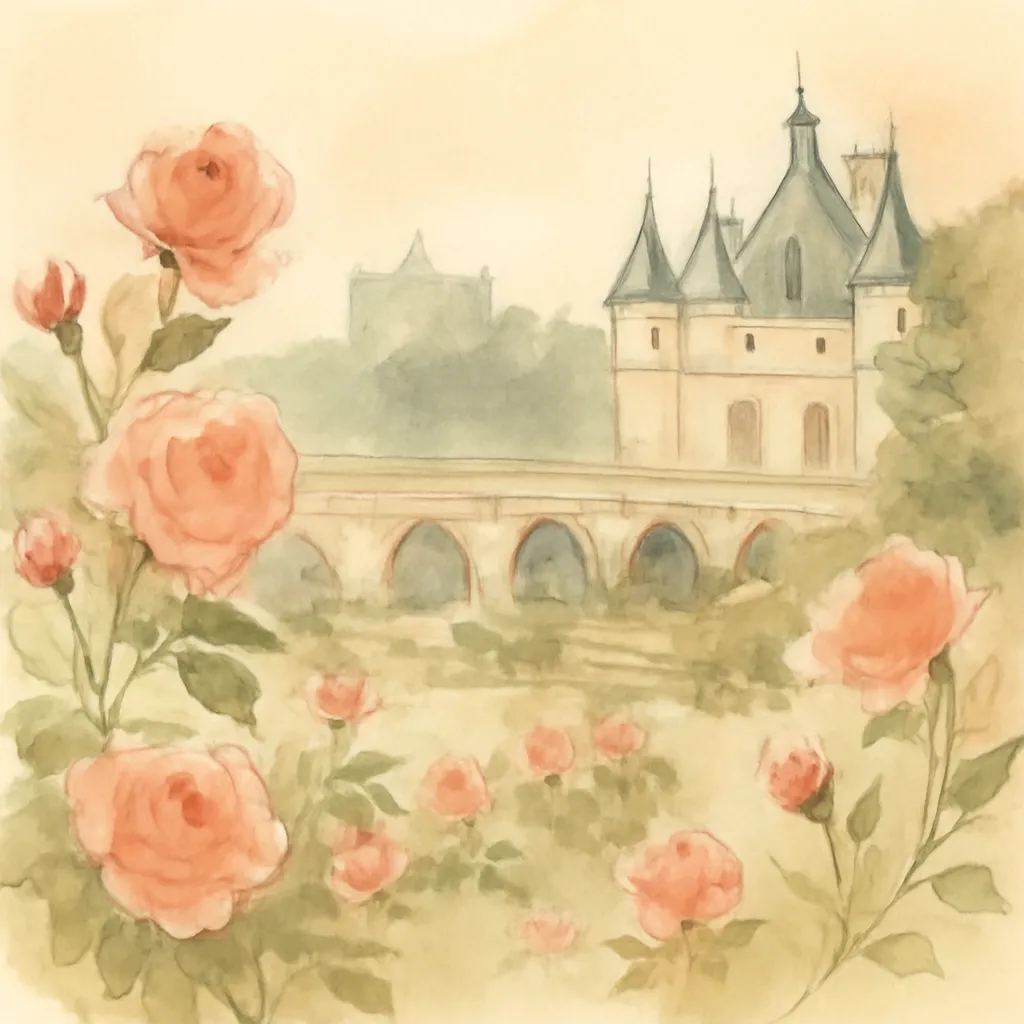
Wharton's debate over visiting Chenonceaux or Chinon illustrates the dichotomy between romantic elegance and historical gravitas. Chenonceaux, often referred to as the 'ladies' château' due to its association with powerful women, enchants her with its beauty and gardens. In contrast, Chinon represents a more tumultuous past, steeped in the legends of Joan of Arc and royal intrigue. Wharton captures the essence of both châteaux, emphasizing how each reflects different facets of French identity and history. Her personal reflections on the characters associated with these sites add depth, allowing readers to connect emotionally with the stories that unfold within their walls. This duality enriches her narrative, offering a nuanced perspective on the region’s cultural significance.
7.The Tragic Beauty of Amboise
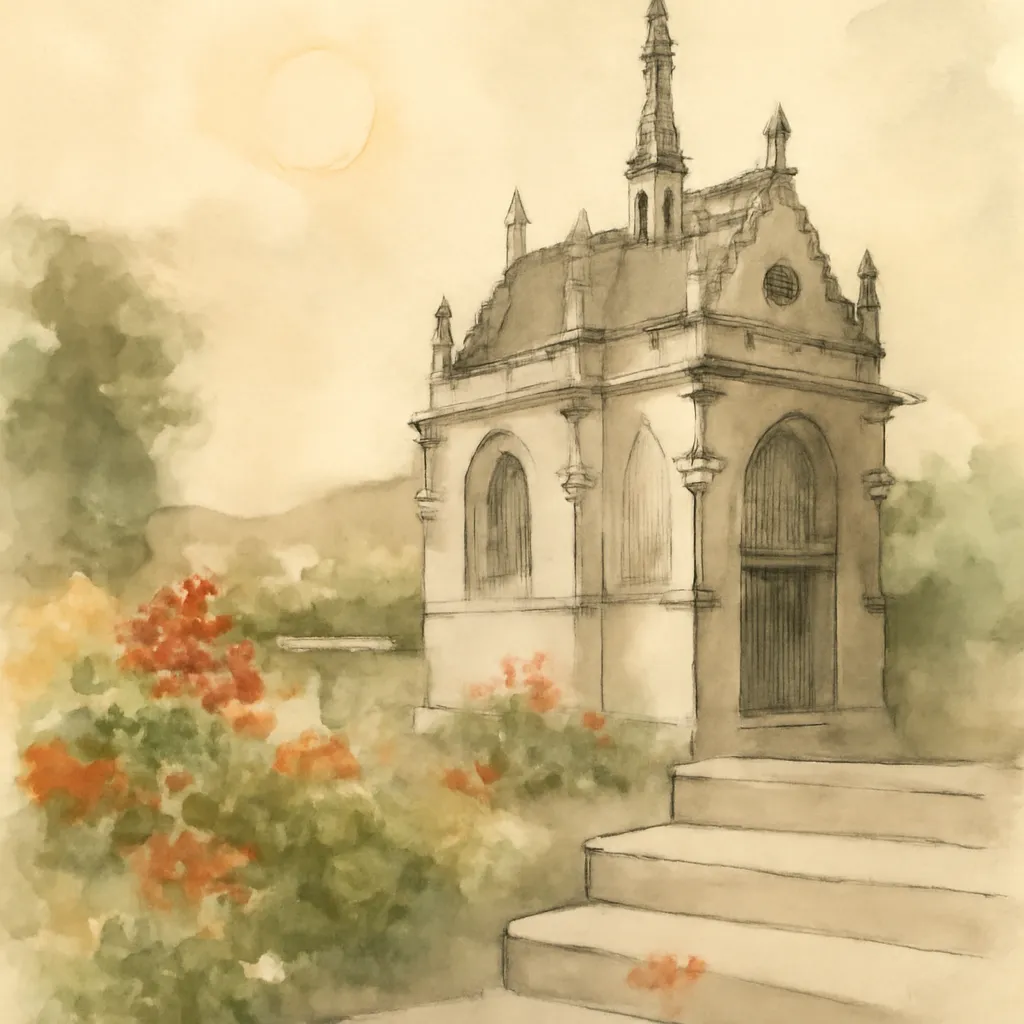
Amboise stands out as a cheerful chateau bathed in sunshine, yet Wharton is aware of its tragic history. As she explores the gardens and chapel built by Charles VIII, she contemplates the intertwining of beauty and sorrow that characterizes many historical sites. The chapel of St. Hubert, with its exquisite carvings, serves as a reminder of the artistry that flourished during the Renaissance. Wharton’s reflections evoke a sense of reverence for the past, as she acknowledges the lives and events that have shaped the chateau's legacy. This blend of admiration and somber reflection allows readers to appreciate the complex narratives that exist within the walls of Amboise, making it a poignant stop on her journey.
8.The Role of Nature in Cultural Heritage
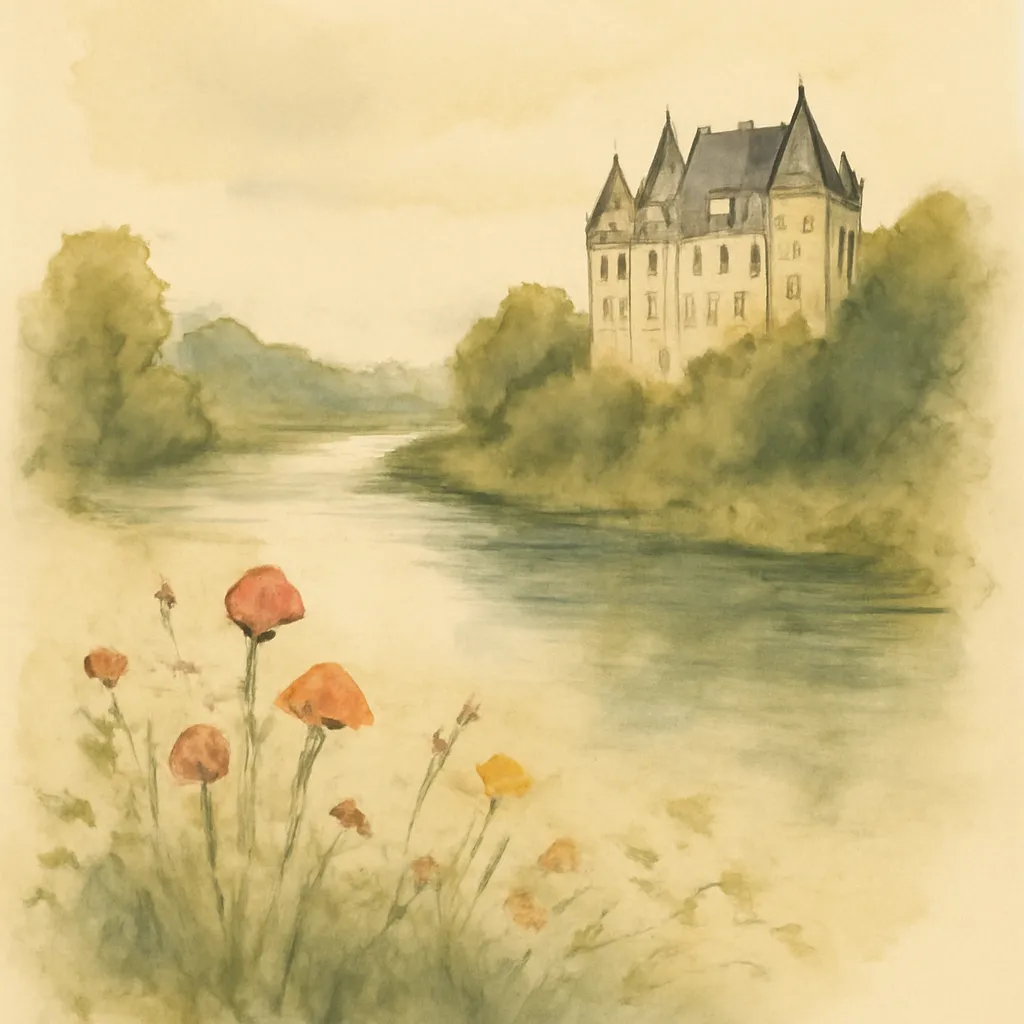
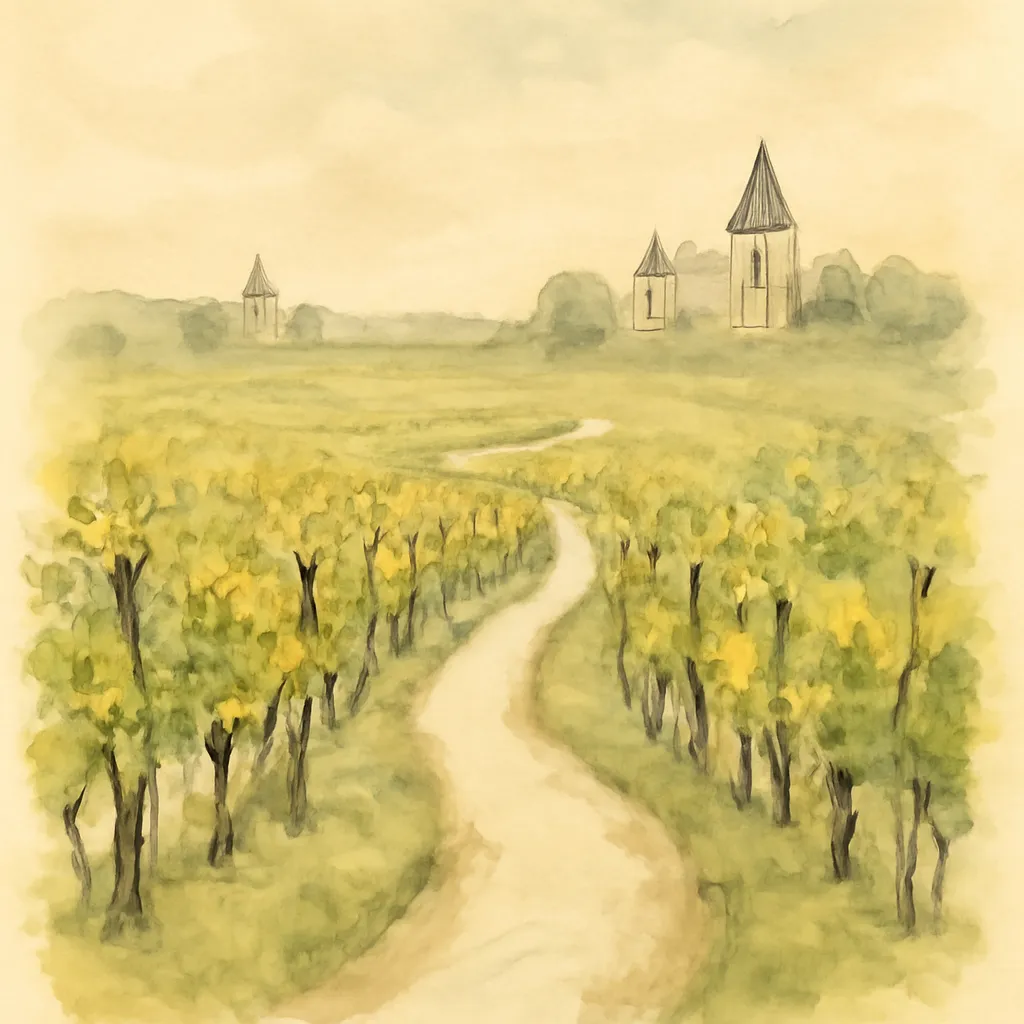
Throughout her travels, Wharton emphasizes the profound connection between nature and cultural heritage. The landscapes surrounding the châteaux are not merely backdrops; they play an integral role in shaping the identities of these historical sites. The Loire River, with its gentle flow, serves as a lifeblood for the region, while the lush gardens and vineyards reflect the agricultural traditions that have sustained local communities for centuries. Wharton’s descriptions evoke a sense of place that transcends time, highlighting how nature and history coexist harmoniously. This perspective invites readers to consider the importance of preserving both natural and cultural landscapes, as they are inextricably linked to the stories that define a region’s character.
9.The Enigmatic Charm of Angers
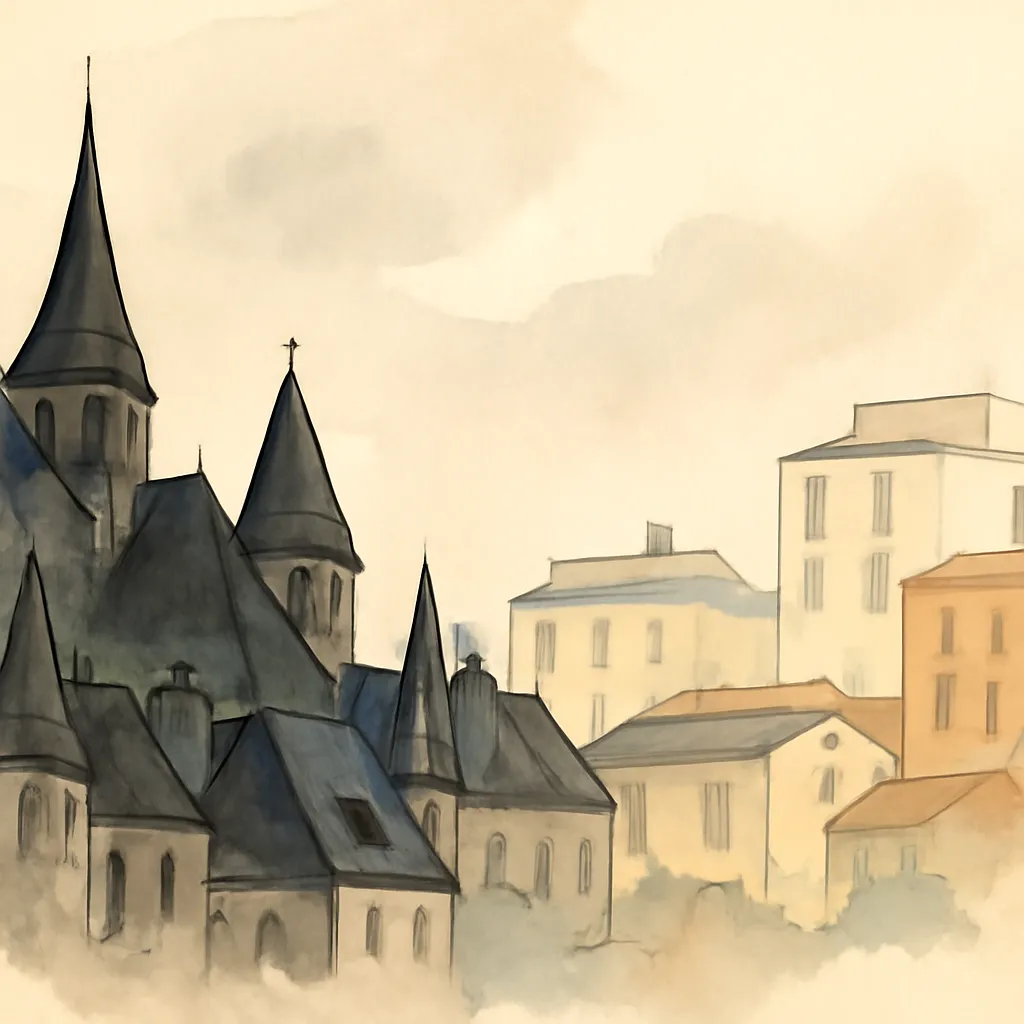
Angers, with its dark slate roofs and imposing chateau, presents a different kind of beauty that fascinates Wharton. She describes the contrast between the modern developments in the town and the ancient charm that still lingers in its historic core. The blend of old and new creates an intriguing atmosphere, prompting Wharton to reflect on the passage of time and the evolution of cultural identity. The warm hospitality of the Cheval Blanc inn, established in 1514, adds a layer of comfort to her experience, allowing her to connect with the essence of the town. Wharton’s observations of Angers encourage readers to embrace the complexities of history and modernity, recognizing that both contribute to the rich tapestry of a place.
10.The Legacy of Joan of Arc in Orléans
Wharton’s visit to Orléans is steeped in the legacy of Joan of Arc, a figure who embodies the spirit of resilience and courage in French history. As she explores the town, she reflects on the significance of Joan’s contributions during the Hundred Years’ War. The atmosphere is charged with reverence, and Wharton captures the emotional weight of walking in the footsteps of such a legendary figure. Her narrative highlights how historical figures can shape the identity of a place, infusing it with stories of triumph and tragedy. This exploration of Orléans serves as a reminder of the power of history to inspire and connect people across generations, making it a pivotal moment in Wharton’s journey.
11.The Joy of Travel and Discovery
Ultimately, 'In Château Land' is a celebration of the joy of travel and the transformative power of discovery. Wharton’s letters convey her delight in encountering new cultures, landscapes, and histories, inviting readers to share in her experiences. Each château and town she visits becomes a canvas upon which she paints vivid memories, rich with detail and emotion. This narrative encourages a sense of curiosity and wonder, reminding readers of the beauty that lies in exploration. Wharton’s reflections resonate with anyone who has traveled, capturing the essence of what it means to seek out new experiences and embrace the world’s diversity. Through her journey, she inspires others to embark on their own adventures, seeking connections with places and people that leave lasting impressions.