1.The Complicated Legacy of Family
Hugh's journey begins with the unexpected death of his distant cousin, Francis Graeme, prompting him to confront the essence of family legacy. The letter he receives not only informs him of his inheritance but also serves as a reminder of the family's fractured history, deeply affected by the Civil War. The Hildebrand family, with its Northern and Southern branches at odds, encapsulates the broader societal rift of the time. This family history of division highlights how legacies often come with emotional baggage that can alienate individuals from their roots. The narrative suggests that while legacies can offer a sense of belonging, they can also entrap individuals in cycles of obligation and expectation. As Hugh grapples with his place in the Hildebrand lineage, the novel poses critical questions about the nature of identity and the burdens we inherit from our families.
2.Architecture as a Reflection of Past and Present
The physical setting of S. Saviour’s Church, where the funeral is held, plays a vital role in mirroring the themes of the novel. Its colonial architecture, designed with an unusual layout, invites reflection on the peculiarities of the past that continue to influence the present. The way the church’s entrance is positioned reveals the awkwardness of arriving late, symbolizing how past choices create discomfort in the present. This architectural detail parallels the characters’ emotional states, where the past's ghosts linger uncomfortably in their lives. The church itself stands as a testament to the family’s heritage, a site where both personal and collective histories converge. As Hugh navigates the church’s threshold, he is not only entering a physical space but also stepping into the tangled web of family dynamics and historical burdens that shape his identity.
3.Love as a Catalyst for Transformation
Hugh's immediate infatuation with Betty Graeme serves as a pivotal moment that propels the narrative forward. Their connection illustrates the concept of love at first sight, which ignites intense emotions and compels Hugh to confront his own insecurities. This attraction is not merely romantic; it is transformative, as it challenges him to reconsider his role within the Hildebrand family. However, the complexities of their burgeoning relationship are underscored by the weight of familial expectations and societal norms. Betty embodies a blend of grace and strength, and her presence compels Hugh to reassess his identity as he seeks to win her affection. Yet, the obstacles they face—including the expectations imposed by their respective family legacies—render their love fraught with tension. The novel examines how love can illuminate paths toward personal growth while simultaneously complicating relationships due to external pressures.
4.The Outsider’s Perspective: Doctor Marcy
Doctor Marcy plays a crucial role as an outsider who provides a fresh perspective on the Hildebrand family’s internal conflicts. His blunt, straightforward nature juxtaposes the emotional turmoil of the family members, allowing readers to see the absurdities and complexities of their situations clearer. Marcy’s recounting of his past experiences in medicine, particularly a harrowing story of dealing with a manic patient, reveals the fragility of human nature and the thin veneer of sanity that can easily shatter. This theme parallels the Hildebrand family, where underlying tensions threaten to erupt as secrets surface. Marcy’s position as a confidant and observer emphasizes the importance of perspective in understanding familial relationships, highlighting that while blood ties are significant, external viewpoints can often illuminate hidden truths and foster clarity amid chaos.
5.Secrets: The Core of Family Dynamics
The novel's plot is driven by the notion of secrets that lie at the heart of family dynamics. The mysterious circumstances surrounding Francis Graeme's death serve as a catalyst for uncovering buried truths and unresolved conflicts. Hugh is drawn into a web of speculation as he seeks to uncover the truth, revealing how familial loyalty can be both a protective veil and a source of conflict. Each character harbors their own secrets, which manifests in their interactions and relationships, illustrating how hidden truths can corrode trust and complicate emotional bonds. The narrative raises questions about the morality of withholding information and the consequences of secrets on interpersonal relationships. The pursuit of truth becomes a central conflict, underscoring the idea that while some secrets may preserve peace, they can also hinder genuine connection and understanding.
6.The Impact of Gender Dynamics
The interactions between male and female characters in 'In Jeopardy' reflect the prevailing gender dynamics of the early 20th century, showcasing how societal expectations shape individual identities. Betty Graeme epitomizes a strong female figure who navigates the constraints of her gender while asserting her independence. Her relationship with Hugh challenges traditional gender roles, as she embodies both vulnerability and resilience. Meanwhile, male characters like Hugh and John Thaneford grapple with their identities in relation to their families and societal expectations. The narrative highlights the constraints placed on both genders, shedding light on the emotional labor required to navigate these dynamics. By exploring how gender influences relationships and personal aspirations, the novel critiques the rigid roles that confine characters and reveal the broader societal context of their struggles.
7.Fate Versus Free Will: A Central Conflict
The tension between fate and free will emerges as a central theme as characters confront the legacies of their families. The deaths within the Hildebrand lineage suggest a pattern that some interpret as a curse, raising existential questions about the inevitability of their fates. Hugh's struggle to assert his agency amidst familial expectations illustrates the broader conflict between personal desires and inherited destiny. As he becomes embroiled in family secrets, the narrative suggests that while fate may shape circumstances, individuals still possess the power to make choices that can alter their trajectories. This exploration of fate versus free will encourages readers to reflect on their own lives, emphasizing that while external forces may influence them, the ability to choose one's path remains a vital aspect of human experience.
8.Revenge and Its Destructive Legacy
The theme of revenge and its cyclical nature resonates throughout the narrative, highlighting how past grievances can perpetuate a cycle of violence. Characters like John Thaneford embody the consequences of unresolved conflicts, suggesting that the quest for vengeance can lead to self-destruction and suffering for future generations. The narrative critiques the notion that revenge can provide closure, instead illustrating how it often results in further pain and animosity. The Hildebrand family's history is steeped in revenge, suggesting that these cycles can be difficult to break. This theme serves as a cautionary tale about the destructive power of vengeance, emphasizing the importance of reconciliation and forgiveness as pathways to healing within families.
9.The Role of Nature as a Reflection of Emotion
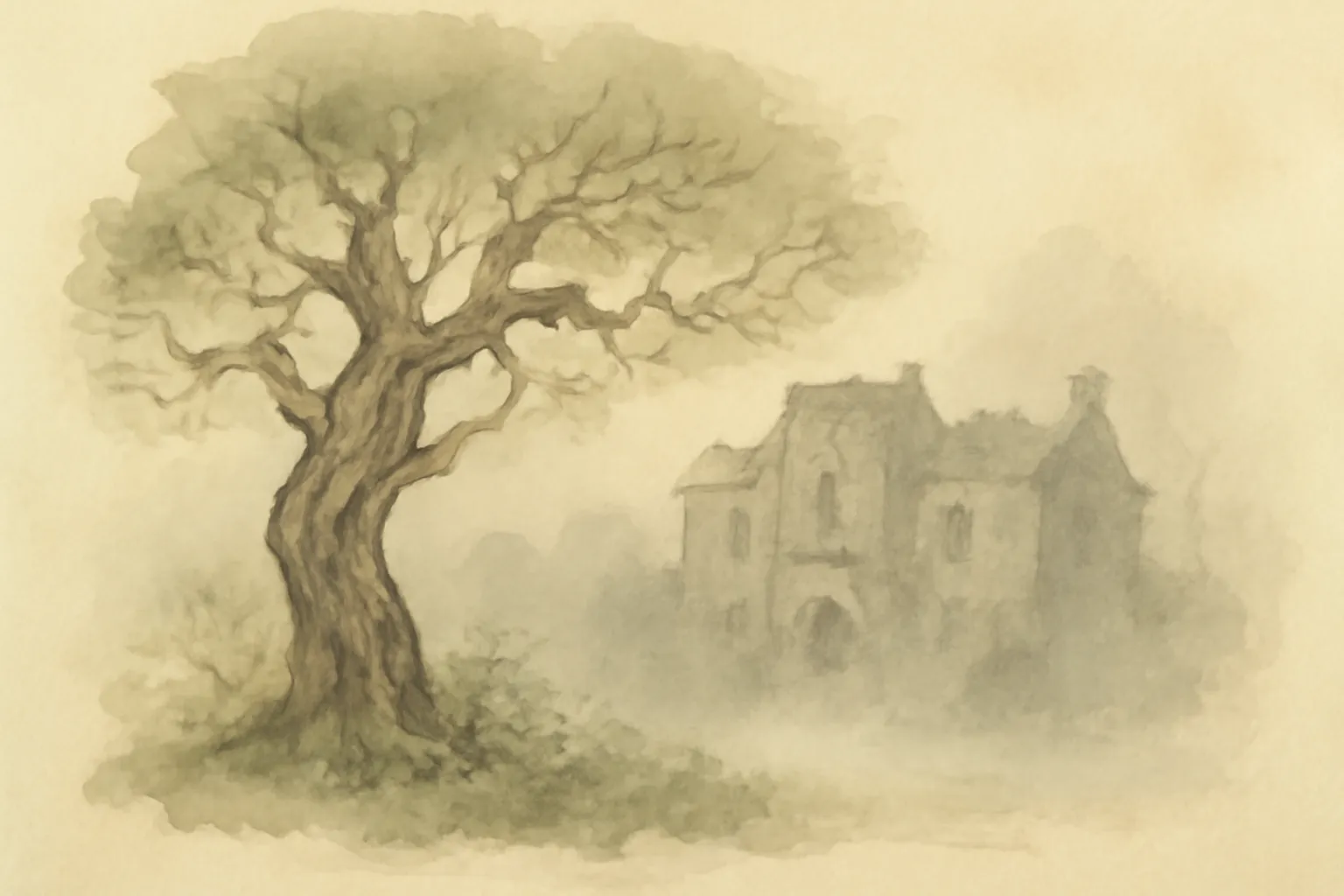
The lush, pastoral landscape surrounding Hildebrand Hundred serves as more than just a backdrop; it reflects the characters’ emotional states and the themes of the narrative. Descriptions of the idyllic countryside juxtaposed with the dark undertones of familial strife evoke a sense of nostalgia and beauty while underscoring the characters' internal conflicts. The natural world becomes a character in its own right, influencing the actions and decisions of the inhabitants. As characters engage with the land, they confront their own struggles and unresolved issues, suggesting that nature can mirror personal turmoil. This connection to the environment deepens the reader’s understanding of the characters’ experiences, illustrating how the interplay between nature and emotion enhances the narrative's depth.
10.Exploring the Complexity of Human Relationships
At its core, 'In Jeopardy' is a profound exploration of the complexity of human relationships, particularly within the family unit. The intersecting lives of the Hildebrand family members reveal the intricacies of loyalty, love, betrayal, and forgiveness. Each character brings their own unique history and burdens to the table, leading to conflicts that resonate throughout the narrative. The story illustrates how familial bonds can be both a source of strength and a catalyst for conflict, underscoring the duality of human connections. As characters confront their pasts and navigate their present relationships, readers are invited to reflect on their own familial ties, recognizing that the complexities of love and loyalty often intertwine with the weight of history, choice, and circumstance. This exploration serves as a poignant reminder of the emotional weight we carry and the choices we make in the name of love.