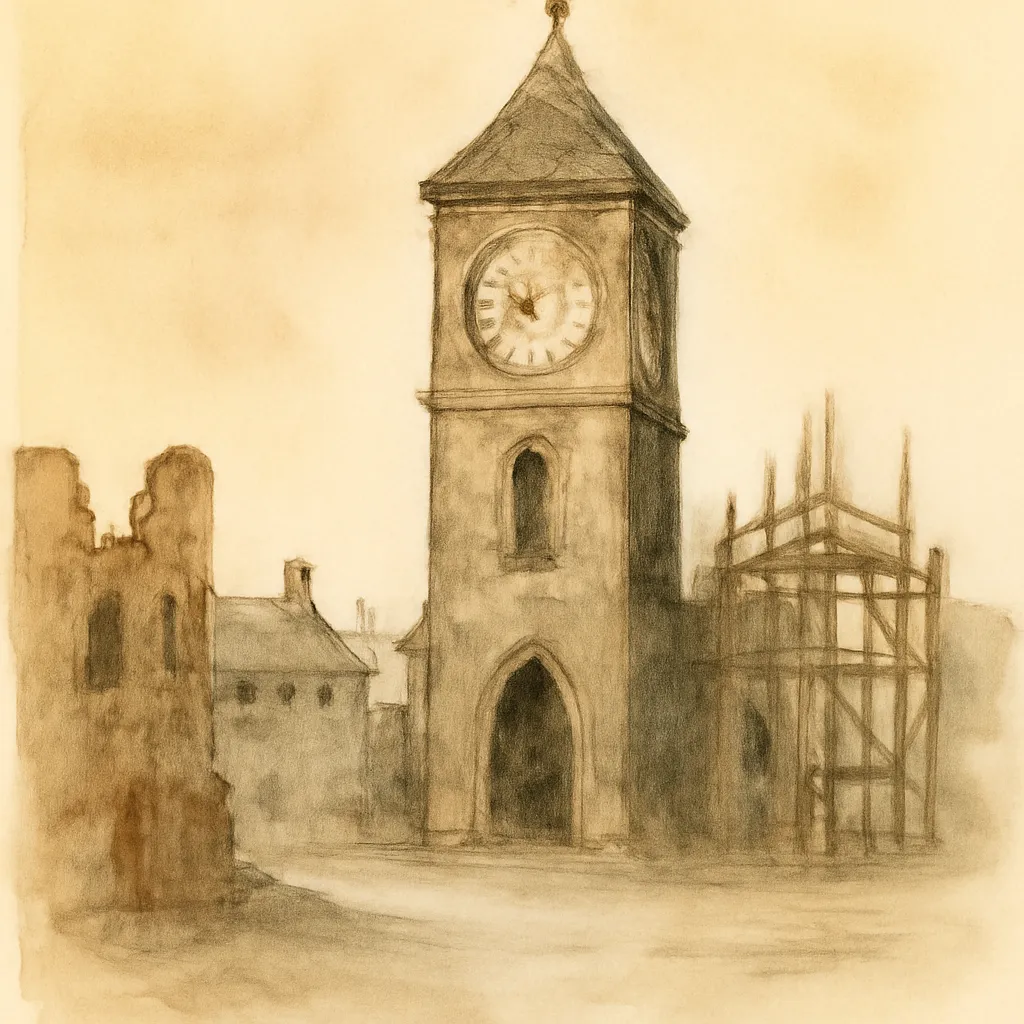
1.The Role of the Country Newspaper
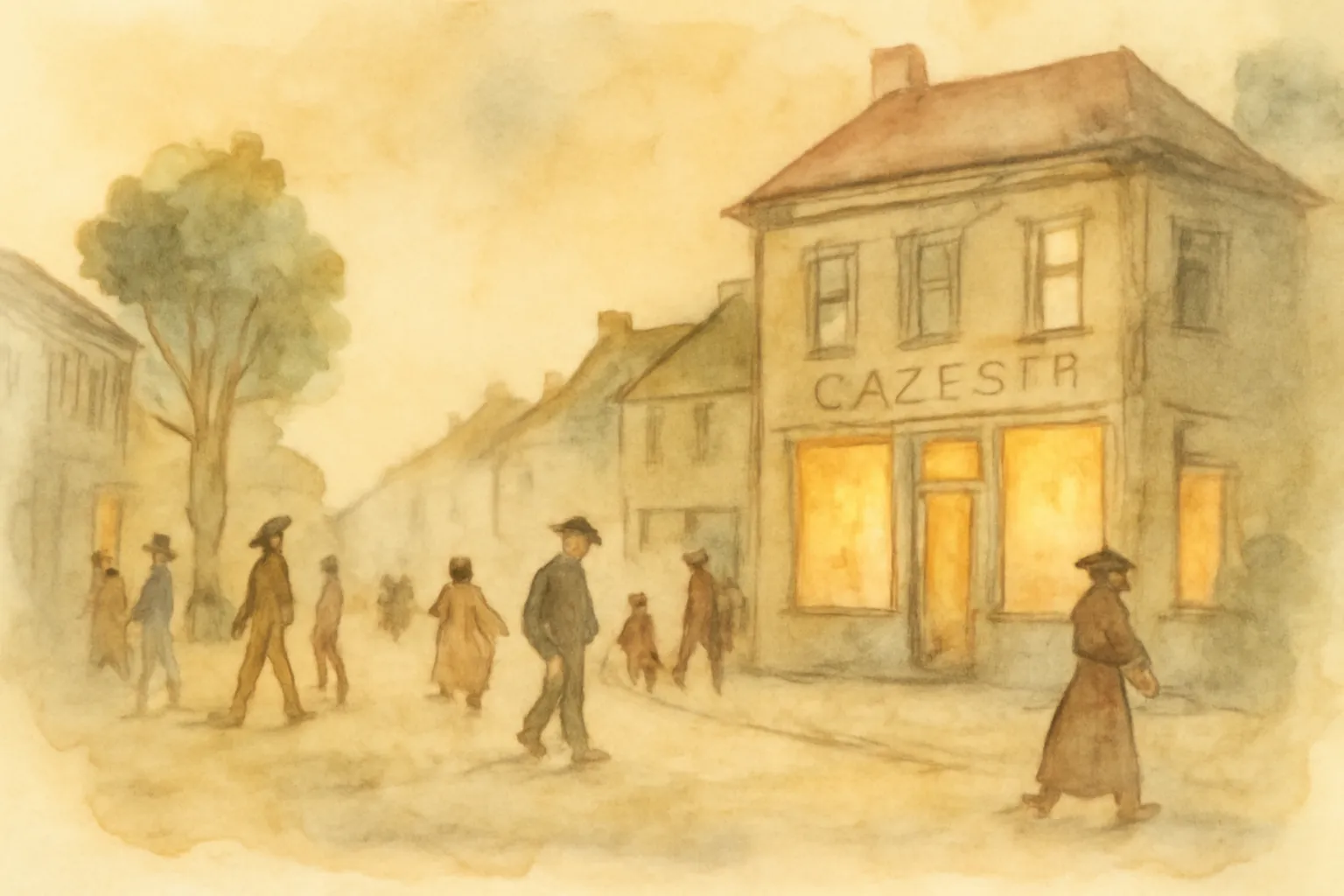
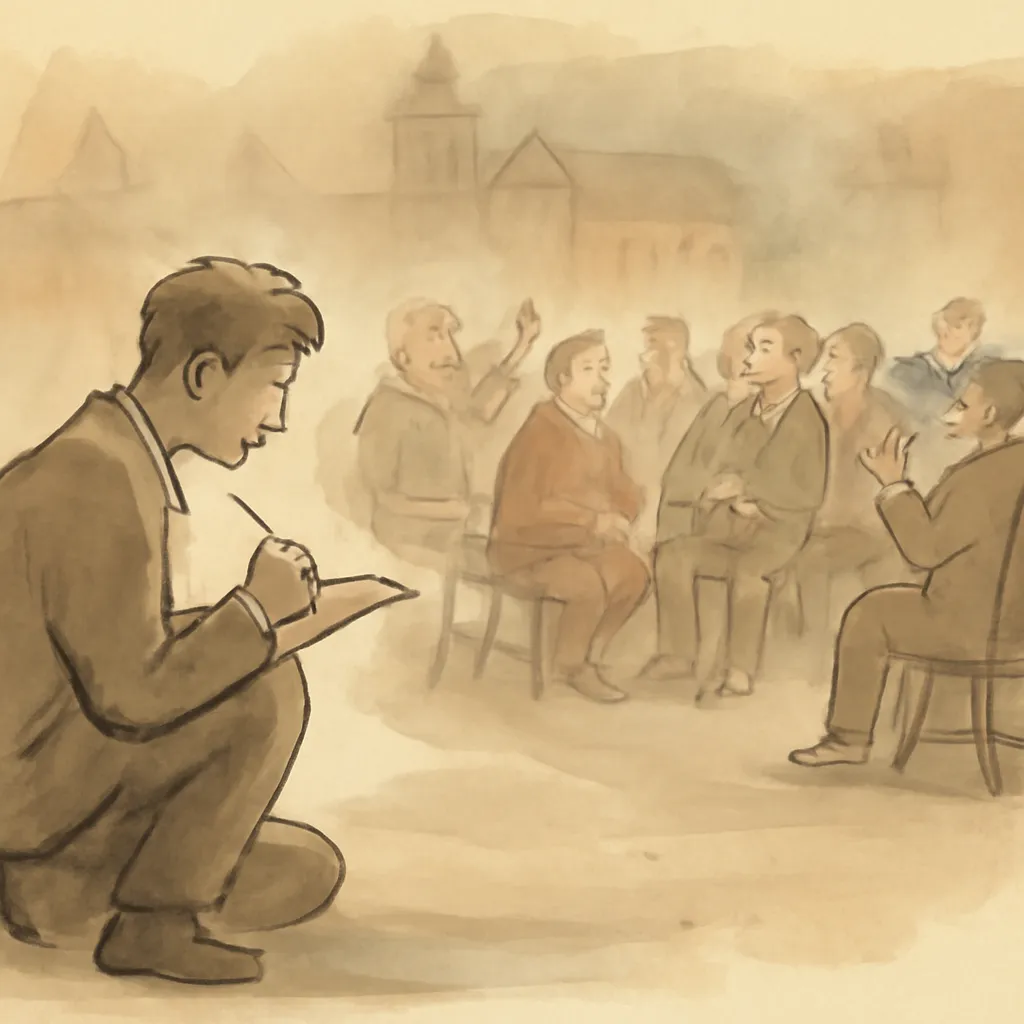
In the heart of the town lies the local newspaper office, a bustling hub where news is not merely reported but lived. The country newspaper acts as a social clearing-house, capturing the essence of the community’s pulse. Each reporter, from the seasoned editor to the fresh-faced intern, plays a crucial role in documenting the joys and sorrows of the townspeople. They know intimate details about their neighbors, from personal tragedies to social faux pas. This deep understanding of the community's dynamics is essential for the paper's success. As the author portrays, if a reporter fails to grasp the nuances of the town's relationships, they risk losing the trust and interest of their readership. The paper becomes a mirror reflecting the town's character, where every printed word can build or break reputations, making the responsibility of the journalist profound.
2.The Young Prince: A Reporter’s Journey
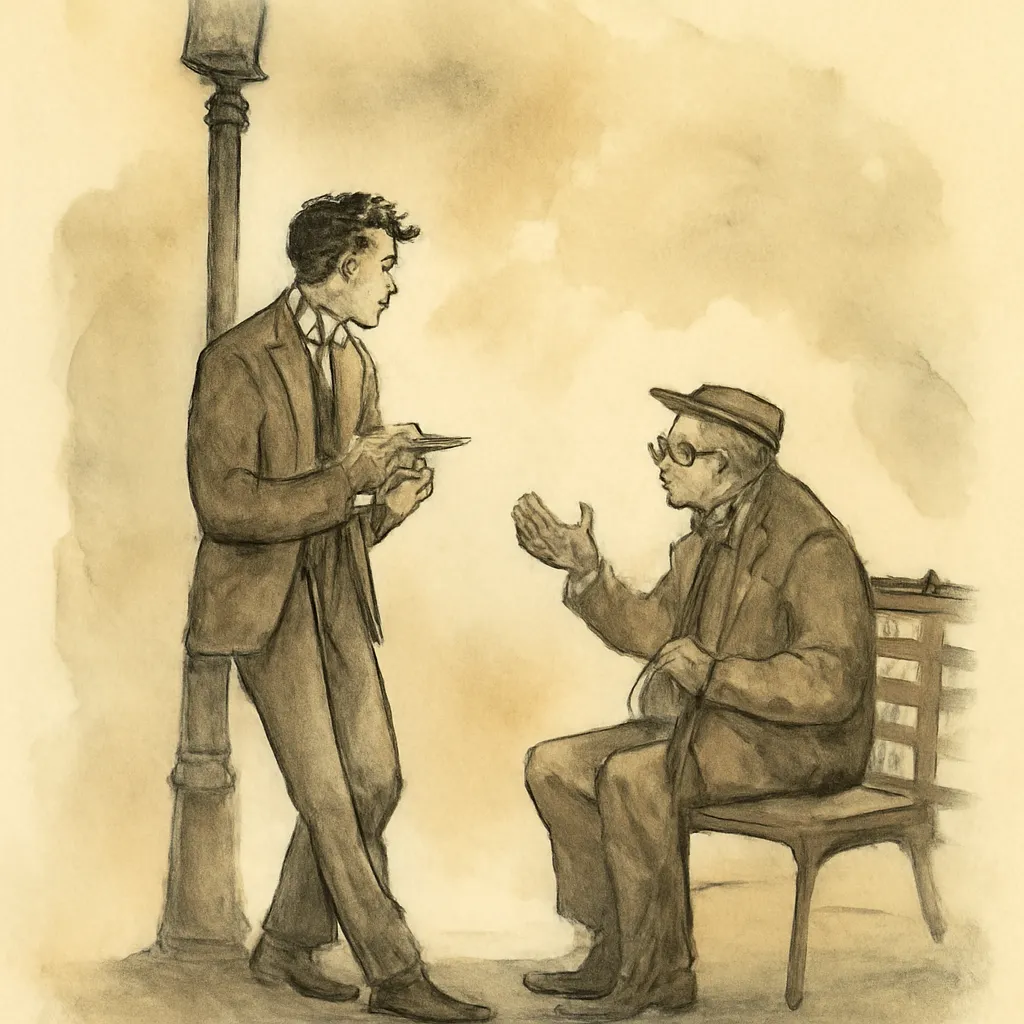
The arrival of the Young Prince, a vibrant and enthusiastic reporter, injects new life into the newspaper office. His background as a bell-hop lends him a unique perspective, allowing him to connect with a wide range of townsfolk, from wealthy merchants to everyday laborers. His knack for gathering news is unparalleled; he becomes a master of social connections, ensuring that the paper remains relevant and engaging. The Young Prince's pride in his work is infectious, and his colorful personality brings joy to his colleagues. His story exemplifies the potential for growth and success within the realm of local journalism, highlighting how passion and dedication can transform a simple job into a fulfilling career. Through his character, readers witness the impact of youthful exuberance on the often-stagnant world of small-town reporting.
3.Miss Larrabee: The Society Editor
Miss Larrabee, the society editor, emerges as a pivotal character who brings glamour and sophistication to the town's social scene. Initially focused on her own professional pride, she evolves into a respected figure in the community, skillfully navigating the intricate social hierarchy. Her dedication to covering local events and gatherings ensures that the newspaper captures the essence of the town's social life. She becomes a source of intrigue and amusement, with her high-maintenance hairstyle and her ability to charm the town's elite. Miss Larrabee's work not only elevates the newspaper's status but also reveals the importance of social dynamics in small-town life. She embodies the delicate balance between ambition and authenticity, showing how one can thrive in a seemingly trivial role while still making a significant impact on the community.
4.The Importance of Kinology
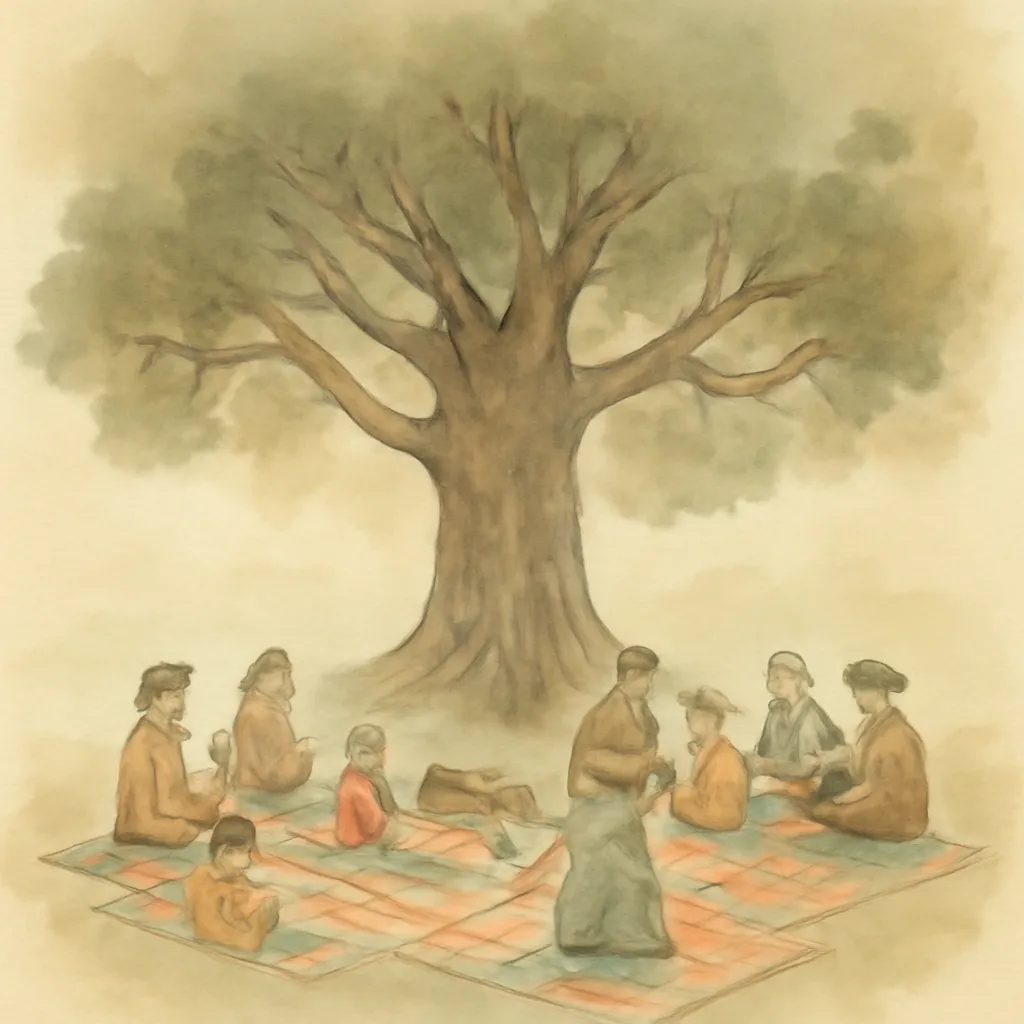
Understanding the kinology of the town is crucial for any reporter, as familial ties and relationships shape the social fabric of the community. The intricate web of connections influences political alliances, social interactions, and even business dealings. Characters like 'Aunt' Martha Merryfield serve as invaluable resources for reporters, providing insights into the town's history and its residents' backgrounds. Her encyclopedic knowledge of families and their histories helps reporters avoid blunders and write with accuracy. This emphasis on kinology underscores the significance of personal relationships in small-town life, where everyone is intertwined. The ability to navigate these relationships can determine a reporter's success, as it allows them to capture the true essence of the community they serve. The importance of these connections is a recurring theme, illustrating how personal histories and social dynamics inform the larger narrative of the town.
5.The Leisure Class and Its Impact
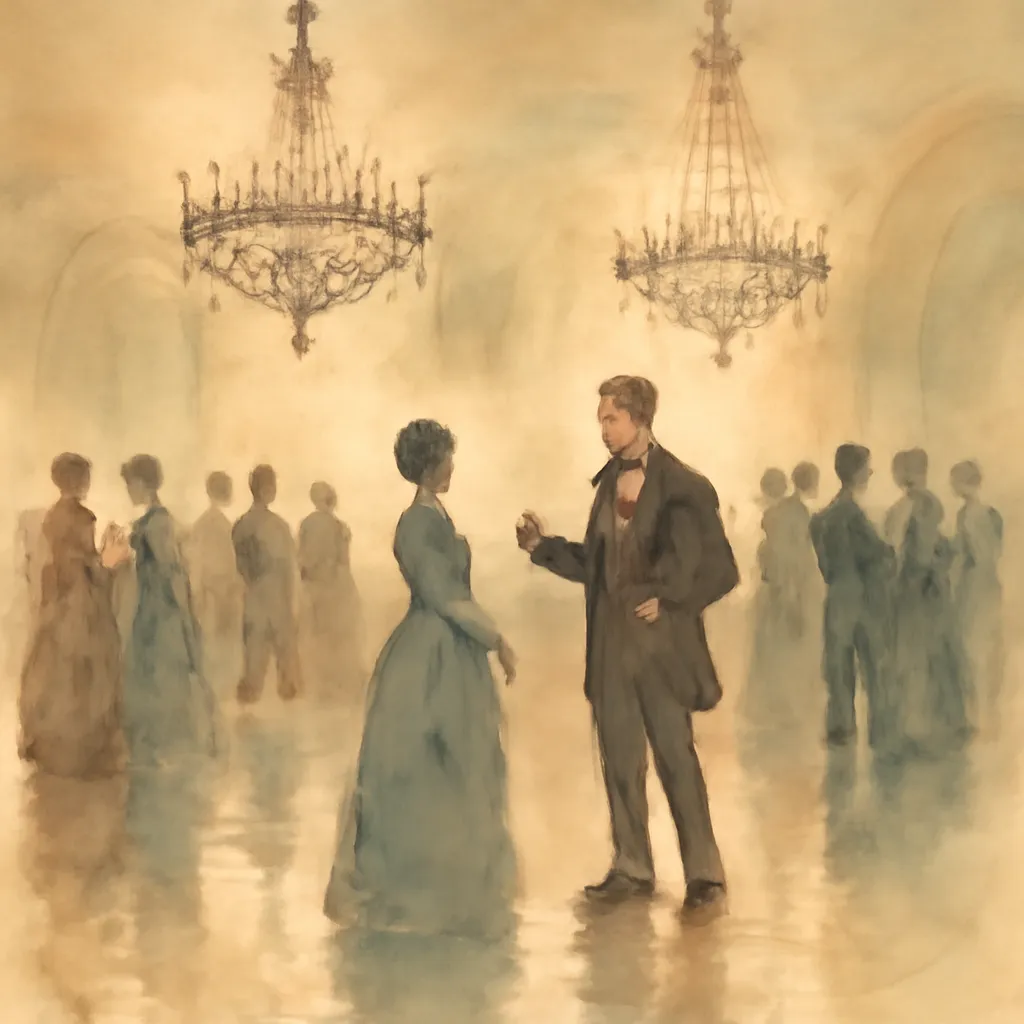
The arrival of Beverly Amidon, a member of the leisure class, introduces new social dynamics to the town. His wealth and penchant for socializing elevate him to a position of influence, making him a key figure in the community. Beverly's innovative ideas, such as introducing ping-pong and hosting themed parties, inject excitement into the town's social calendar. His presence challenges the status quo, as he becomes a catalyst for change and a source of inspiration for others. However, his arrival also highlights the tension between the working-class residents and the newly established leisure class. This contrast serves to illuminate the shifting social landscape of the town, where traditional values clash with modern aspirations. Beverly's character represents both the allure of wealth and the complexities that come with it, emphasizing how social class shapes perceptions and interactions within the community.
6.The Art of Local Reporting
Local reporting requires a unique skill set, blending curiosity, compassion, and a deep understanding of the community. The reporters in the office are tasked with more than just reporting facts; they must capture the spirit of the town and its people. This involves attending social functions, engaging with residents, and being present in the community. The narrative illustrates how every small detail, from who borrowed what for a party to the gossip surrounding local events, contributes to the larger story of the town. The ability to weave these threads together into a coherent narrative is what sets local journalism apart. It transforms mundane occurrences into compelling stories that resonate with readers. The office's commitment to documenting the lives of its residents reflects a broader truth about journalism’s role in preserving history and fostering community connections.
7.Humor and Humanity in Reporting
Humor plays a vital role in 'In Our Town,' as it adds depth and relatability to the characters and their experiences. The authors infuse wit into their observations, making the mundane aspects of small-town life feel lively and engaging. This humor serves not only to entertain but also to highlight the absurdities and quirks of human behavior. The reporters' banter and camaraderie create a sense of warmth and community within the office, showcasing the importance of friendship in the workplace. Additionally, the humor often underscores the inherent flaws and vulnerabilities of the townspeople, reminding readers that everyone has their struggles. This balance of humor and humanity enriches the narrative, allowing it to resonate on multiple levels. It invites readers to reflect on their own lives and communities, fostering a sense of connection and understanding.
8.The Dynamics of Rivalry
Rivalry between the two newspapers in town serves as a backdrop for much of the narrative, illustrating the competitive nature of local journalism. The constant back-and-forth between the two papers highlights the stakes involved in reporting accurately and maintaining credibility. Each newspaper's differing perspectives on community issues reflect the broader struggle for influence and recognition. The rivalry is characterized by a mix of respect and disdain, as both papers seek to assert their dominance while acknowledging the other's role in shaping public opinion. This dynamic adds a layer of complexity to the narrative, as it reveals the challenges journalists face in balancing professional integrity with the pressures of competition. The interplay between the two papers illustrates the broader themes of ambition and accountability in journalism, emphasizing the importance of ethical reporting in maintaining public trust.
9.Reflections on Time and Change
The passage of time plays a significant role in the narrative, as the characters grapple with change and the inevitability of aging. The town itself serves as a microcosm of broader societal shifts, with new buildings rising and old traditions fading. Characters reflect on their pasts, often with a sense of nostalgia, as they navigate their current realities. The juxtaposition of the past and present raises questions about identity and belonging, prompting readers to consider how their own lives are shaped by time. The narrative captures the bittersweet nature of change, illustrating how memories and experiences inform present-day interactions. This theme resonates deeply, as it prompts reflection on the transient nature of life and the importance of cherishing moments while also embracing the future. The characters' struggles with change mirror the universal human experience, making the narrative both personal and relatable.
10.Life Lessons from Ordinary People
Ultimately, 'In Our Town' underscores the profound wisdom that can be gleaned from the lives of ordinary people. Each character, with their unique stories and struggles, offers insights into the human condition. The narrative emphasizes that even seemingly trivial events can hold deep significance, shaping individuals and communities in unexpected ways. Through the lens of local journalism, readers are invited to appreciate the richness of everyday life and the interconnectedness of human experiences. The characters' journeys reflect universal themes of love, loss, ambition, and resilience, reminding us that everyone has a story worth telling. This focus on the lives of ordinary people enriches the narrative, making it a heartfelt tribute to the power of community and the importance of understanding one another. The lessons learned from these characters resonate far beyond the confines of the town, offering valuable insights applicable to any community.