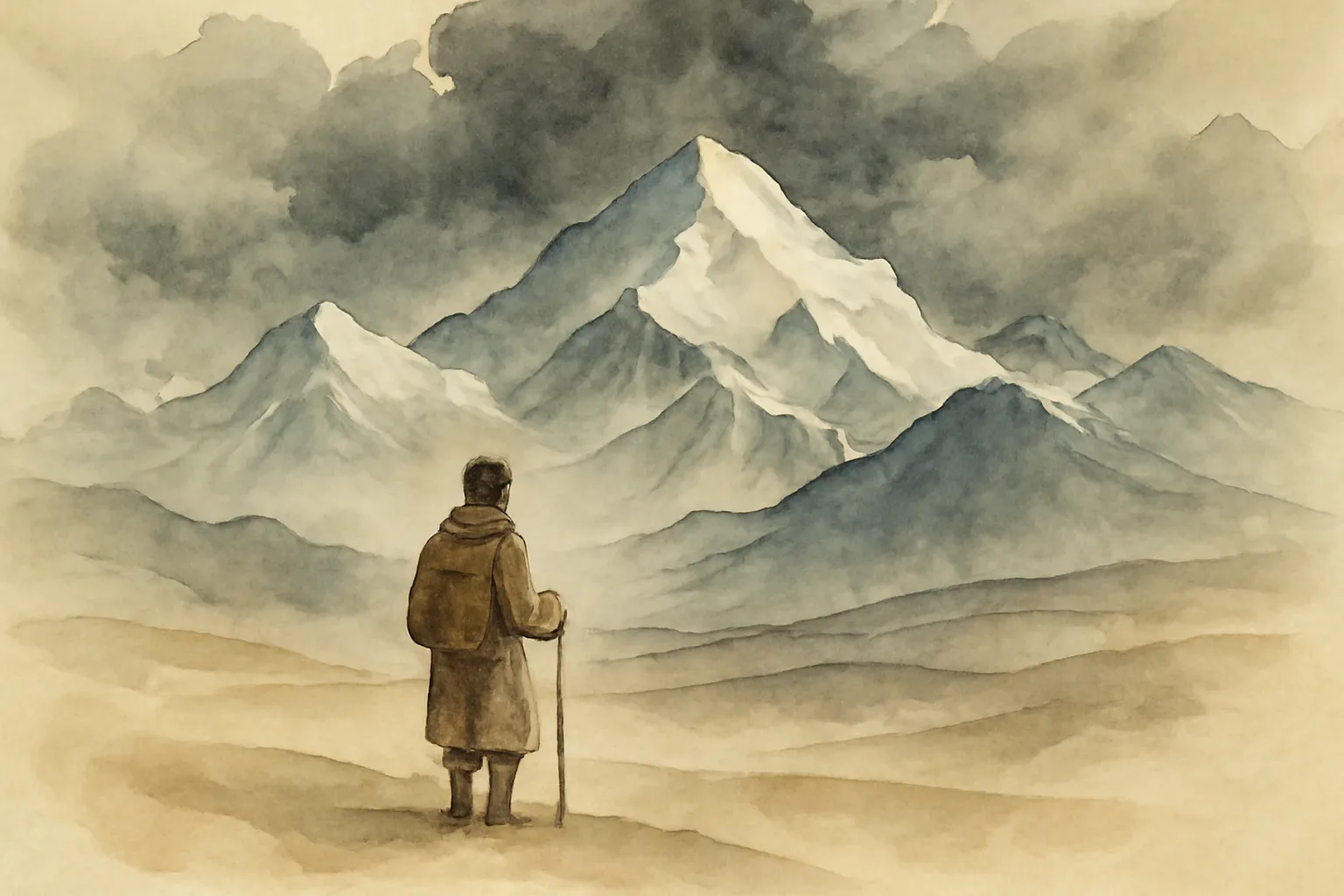
1.The Allure of Adventure and Exploration

Landor's journey begins with an intoxicating desire to explore the unexplored, driven by a fascination with the mystique of Tibet and its uncharted territories. His initial plans to traverse through Russia were thwarted, leading him to India instead, where he quickly became aware of the intense heat and the signs of plague that hovered ominously. This shift in plans highlights the unpredictability of adventure, as well as the determination needed to continue despite setbacks. With a keen eye for detail, Landor meticulously prepares for his journey, ensuring he has the necessary equipment and provisions to tackle the challenges ahead. His choice of a scientific approach to the journey—carrying instruments for the Royal Geographical Society—underscores the dual nature of his expedition: both an adventure and a scholarly endeavor. This preparation is not merely practical; it reflects a mindset of resilience and adaptability, essential traits for any explorer. Through Landor's eyes, readers experience the intoxicating lure of the unknown, making them ponder the lengths to which one would go for the sake of discovery, adventure, and personal growth.
2.Cultural Insights into Tibetan Life

As Landor ventures deeper into Tibet, he becomes a keen observer of local customs and traditions that shape the fabric of Tibetan life. His encounters with the Shokas, a native people, reveal a society rich in rituals and beliefs, such as their deep reverence for the 'spirits of the mountains.' These insights provide a window into the complex relationship between the land and its inhabitants, emphasizing how deeply intertwined culture and environment are. Landor describes the Shokas’ hospitality and communal gatherings, where food, music, and shared stories play pivotal roles in social bonding. Each interaction is filled with nuances that showcase the warmth and humanity of the Tibetan people, contrasting sharply with the harshness of the landscape. For instance, his experiences attending religious ceremonies and festivals illustrate not only the vibrancy of Tibetan culture but also the universal themes of faith, resilience, and community. This exploration of cultural practices not only enriches the narrative but also serves as a reminder of the importance of understanding and respecting diverse ways of life, encouraging readers to appreciate the beauty of human connection across cultural divides.
3.The Perils of Captivity and Torture

Landor's narrative takes a dark turn when he and his party are captured by Tibetan soldiers and lamas, marking a crucial shift in the tone of the book. This experience serves as a harrowing testament to the brutality faced by explorers in foreign lands, as Landor recounts the physical and psychological torment inflicted upon him. The author’s vivid descriptions of the torture he endured are haunting, yet they reinforce the gravity of his situation and the stakes of exploration in such a perilous region. Through these painful experiences, Landor explores the limits of human endurance and the psychological impacts of captivity, shedding light on themes of power, oppression, and survival. His resilience during these trials offers a profound commentary on the nature of suffering and the will to survive against all odds. The juxtaposition of his previous adventurous spirit with his current plight underscores the stark realities of exploration, forcing readers to confront the moral complexities of imperialism and the often violent encounters between cultures.
4.The Beauty of the Tibetan Landscape

Amidst the trials of his journey, Landor does not shy away from celebrating the breathtaking beauty of the Tibetan landscape. His vivid descriptions of towering mountains, serene lakes, and vast plains evoke a sense of awe and wonder, capturing the reader's imagination. Landor's artistic sensibility shines through as he captures the majesty of the natural world, reminding readers of the intrinsic value of these unspoiled environments. The contrast between the harshness of the terrain and the ethereal beauty of the scenery adds depth to his narrative, inviting contemplation on the relationship between nature and the human experience. His encounters with the rugged landscapes, whether climbing steep inclines or crossing raging rivers, serve as metaphors for the obstacles faced not only in physical journeys but also in personal quests for understanding and growth. Through Landor's lens, readers appreciate the delicate balance between exploration and preservation, as well as the emotional impact of connecting with such profound landscapes, underscoring the idea that nature can be both a source of inspiration and a formidable adversary.
5.The Role of Faith and Spirituality

Throughout his journey, Landor encounters various expressions of faith and spirituality that shape the lives of the Tibetan people. The presence of lamas and their spiritual practices underscores the significance of religion in Tibetan culture, where belief systems guide daily life and community interactions. Landor's interactions with these spiritual leaders reveal a complex tapestry of beliefs that inform the community's values, ethics, and social structures. For example, the rituals performed to appease mountain spirits reflect deep-rooted connections to the land and the cosmos. This exploration of spirituality invites readers to consider the role of faith in navigating life's challenges, as well as its capacity to inspire resilience and hope in the face of adversity. Landor’s reflections on the spiritual landscape of Tibet provide a deeper understanding of how belief systems inform cultural identity and individual purpose, enriching the narrative with philosophical depth and prompting readers to ponder their own beliefs and the ways in which they shape their lives.
6.Friendship and Loyalty in Adversity

Landor's relationship with his loyal servant Chanden Sing exemplifies the theme of friendship and loyalty amidst adversity. Chanden Sing's unwavering support and dedication to Landor throughout their trials highlight the importance of companionship during difficult times. Their bond is tested in moments of despair and danger, yet it ultimately serves as a source of strength for both men. Landor's reflections on his reliance on Chanden Sing invite readers to consider the value of loyalty, emphasizing how relationships can provide both emotional support and practical assistance during hardships. For instance, when faced with the brutality of their captors, it is their shared experiences and mutual trust that enable them to endure. This dynamic emphasizes the human need for connection and solidarity, especially in the face of danger, which resonates universally, underscoring the idea that we are often stronger together than alone. Their journey ultimately illustrates how friendship can transcend cultural barriers, fostering understanding and compassion.
7.The Interplay of Power and Culture
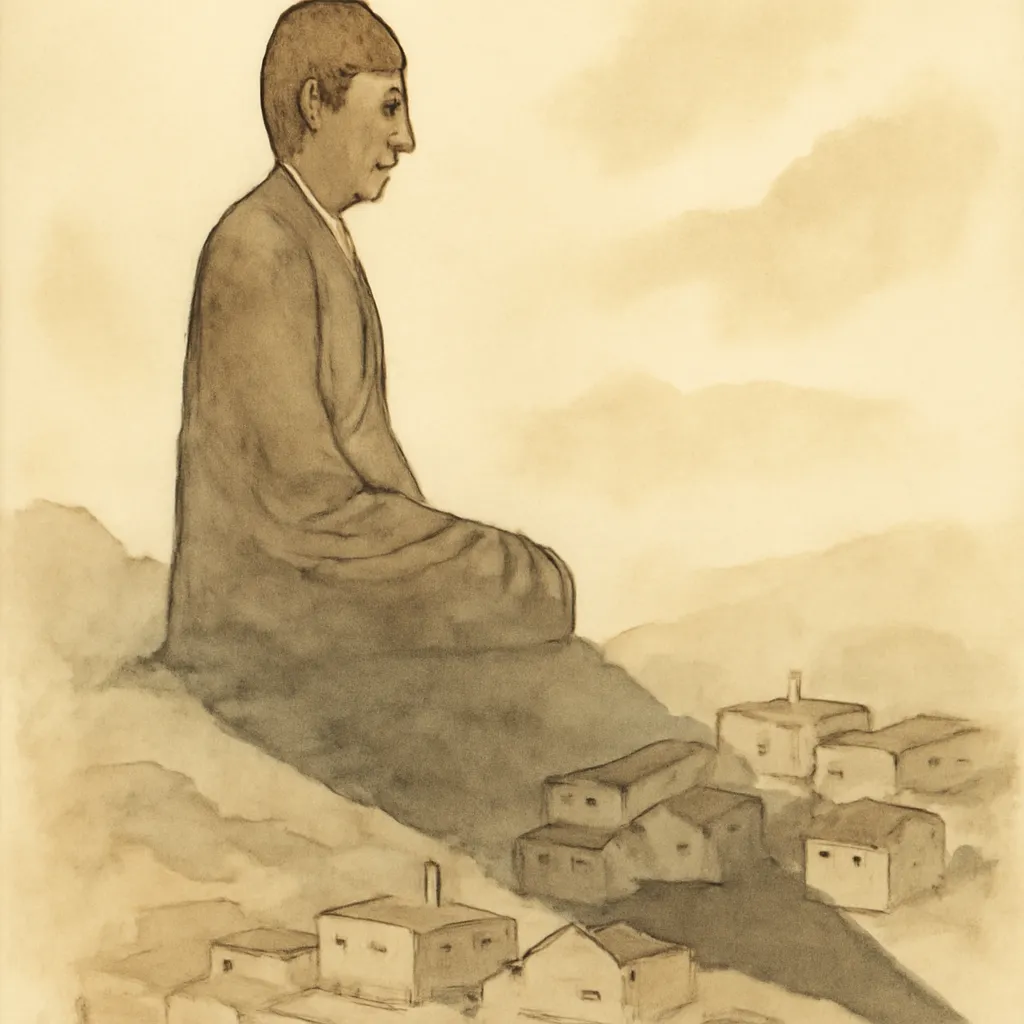
Landor's narrative also delves into the interplay of power and culture, particularly in the context of British and Tibetan relations. He observes how Tibetan influence dominates the local populace, revealing the complexities of colonialism and imperialism. The Shokas' subservience to Tibetan authorities starkly illustrates the dynamics of power and the often exploitative nature of such relationships. Through his observations, Landor highlights the contradictory nature of exploration, where the quest for knowledge and understanding is often overshadowed by the implications of dominance and control. His firsthand accounts of Tibetan abuses against the local population highlight the darker aspects of cultural exchanges and the consequences of external domination, emphasizing the moral dilemmas faced by explorers and the impact of their presence. This exploration raises critical questions about agency, autonomy, and the ethical implications of exploration, forcing readers to confront the uncomfortable realities of historical and cultural interactions and the legacy they leave behind.
8.Moments of Humor and Humanity
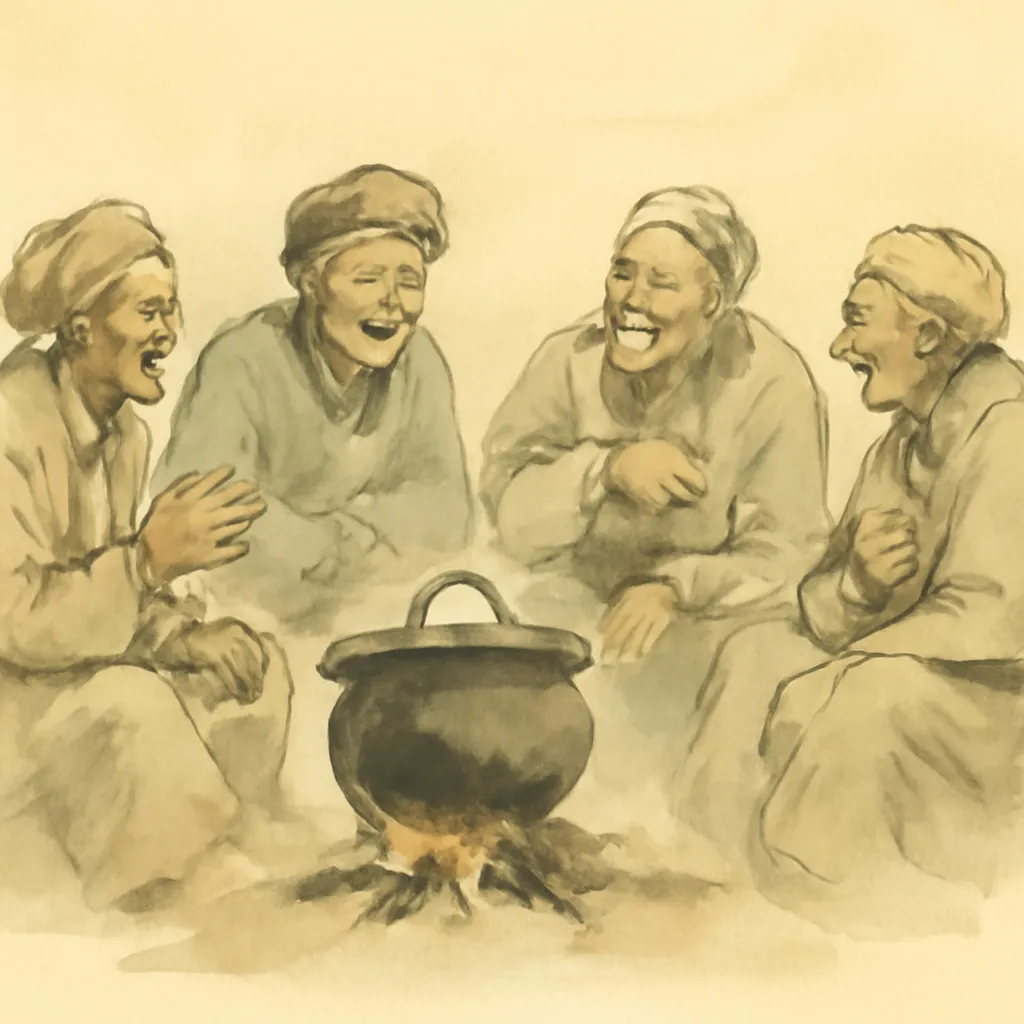
Amidst the tension and suffering, Landor's narrative is punctuated by moments of humor and humanity that provide relief and insight into the character of those he encounters. His interactions with the Shokas, filled with warmth and laughter, showcase the resilience of the human spirit even in dire circumstances. These humorous encounters serve to humanize the narrative, reminding readers that joy and laughter can coexist with hardship, creating a balance that enriches the overall experience. For instance, when Landor shares lighthearted anecdotes about his misadventures or the quirky behaviors of his companions, it offers a refreshing contrast to the weighty themes of suffering and oppression. Landor's ability to find lightness in the midst of adversity reflects a profound understanding of the human condition, inviting readers to appreciate the small moments of connection that can uplift the spirit. This balance of humor and gravity enriches the narrative, making it a multifaceted exploration of life in the Forbidden Land, demonstrating that even in the darkest times, humanity shines through.
9.The Transformative Power of Travel

Landor's journey through Tibet ultimately serves as a testament to the transformative power of travel. Each experience, from the breathtaking landscapes to the harrowing encounters with captors, shapes his understanding of the world and his place within it. Travel becomes a vehicle for personal growth, allowing Landor to confront his fears, challenge his assumptions, and develop a deeper appreciation for cultural diversity. The myriad experiences he faces—from the beauty of serene mountain lakes to the brutality of captivity—illustrate how exploration can alter one's perspective and foster a greater sense of empathy for others. This transformative aspect of travel resonates with readers, encouraging them to consider their own journeys and the lessons learned along the way. Landor's reflections on the impact of his experiences highlight the potential for travel to foster empathy, understanding, and connection across cultural divides, ultimately enriching the human experience and deepening our comprehension of what it means to be human.
10.A Legacy of Discovery and Understanding
In 'In the Forbidden Land,' Landor leaves a lasting legacy of discovery and understanding that transcends the boundaries of time and geography. His vivid storytelling invites readers to engage with the complexities of exploration, culture, and human resilience. The lessons gleaned from his experiences resonate with contemporary audiences, reminding us of the importance of empathy and respect in our interactions with diverse cultures. Landor's account challenges readers to reflect on the ethical dimensions of exploration and the responsibility that comes with it, posing critical questions about the nature of discovery and the impact it has on the people and places explored. As a historical document, this narrative not only chronicles a personal journey but also serves as a reminder of the enduring human spirit and the quest for connection in an ever-changing world. Ultimately, Landor’s journey is an invitation to embrace curiosity, empathy, and the enduring quest for understanding across the divides that separate us.