1.Racism as a Daily Reality
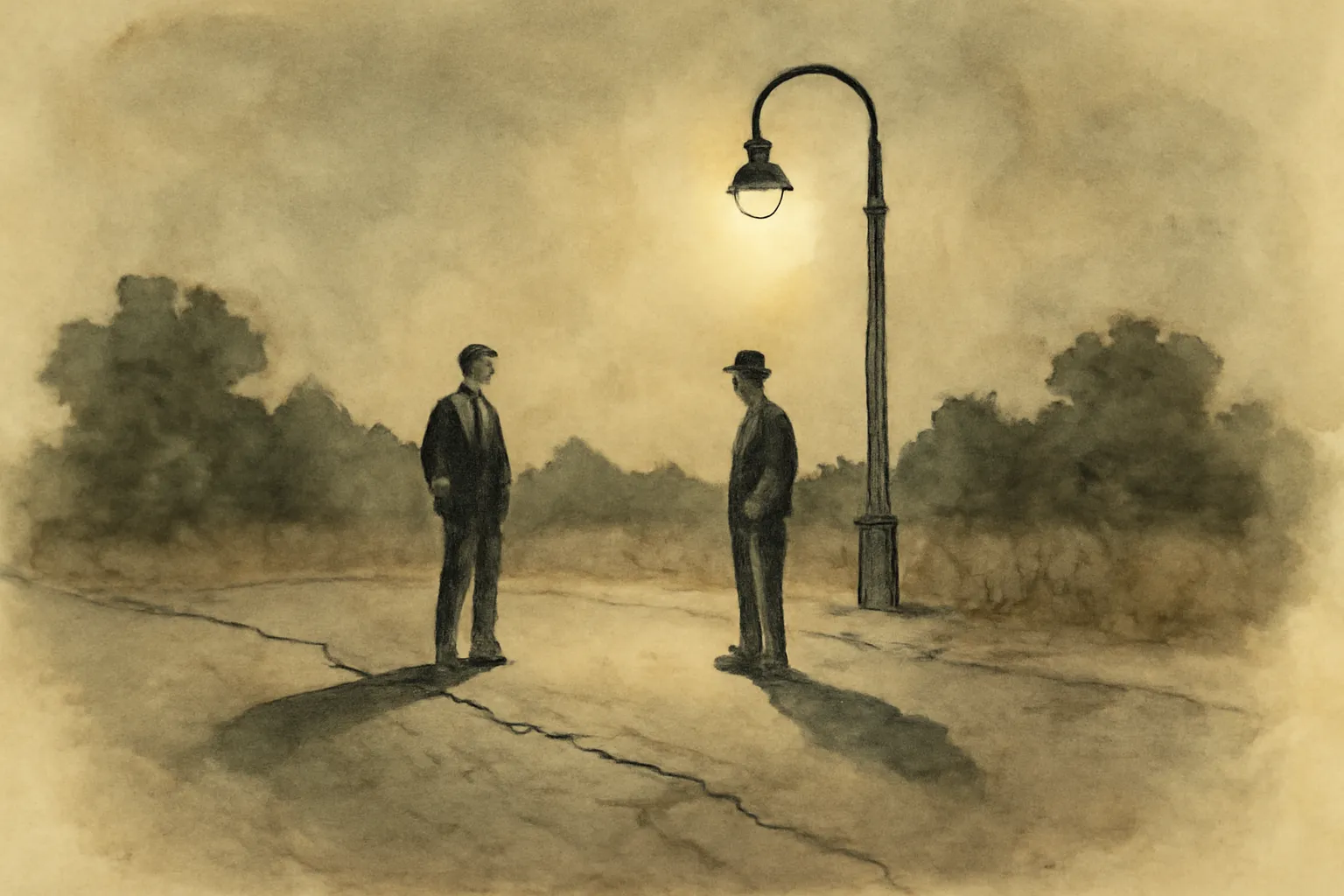
The novel lays bare the pervasive and often casual racism of the 1960s American South. Virgil Tibbs, a black detective from California, faces open hostility and skepticism from both law enforcement and townspeople, not because of his abilities, but because of his skin color. Ball uses Tibbs’s outsider status to highlight the irrationality and destructiveness of prejudice, showing how it hampers not only justice but basic human decency.
2.Professionalism Versus Prejudice
Tibbs’s calm, methodical approach to the murder investigation stands in stark contrast to the emotional, often biased reactions of the local police. The book repeatedly pits Tibbs’s competence and integrity against the locals’ assumptions, suggesting that true professionalism can challenge and even begin to dismantle entrenched bigotry.
3.The Complexity of Authority
Chief Gillespie’s decision to involve Tibbs is fraught with tension. He is caught between his duty to solve the case and the expectations of a racially prejudiced community. The story probes the limits and responsibilities of authority, asking whether leaders can rise above the prejudices of their environment or are inevitably shaped by them.
4.Justice in a Flawed System
The murder investigation becomes a microcosm for broader questions about justice in a society riddled with inequality. The rush to judgment, the temptation to scapegoat, and the difficulty of finding truth in a divided community all underscore how fragile justice can be when the system itself is compromised.
5.Humanizing the 'Other'
Through subtle character development, Ball encourages readers to look past stereotypes. Tibbs is not only a symbol of black excellence but also a fully realized individual with his own vulnerabilities and strengths. The gradual shift in some characters’ perceptions of Tibbs hints at the possibility of change, however incremental.
6.Tension as a Tool for Change
The novel’s suspense is not just about solving a crime, but about whether understanding and respect can emerge in a hostile environment. The constant threat to Tibbs’s safety keeps readers on edge, but also serves as a catalyst for moments of clarity and growth among the characters.