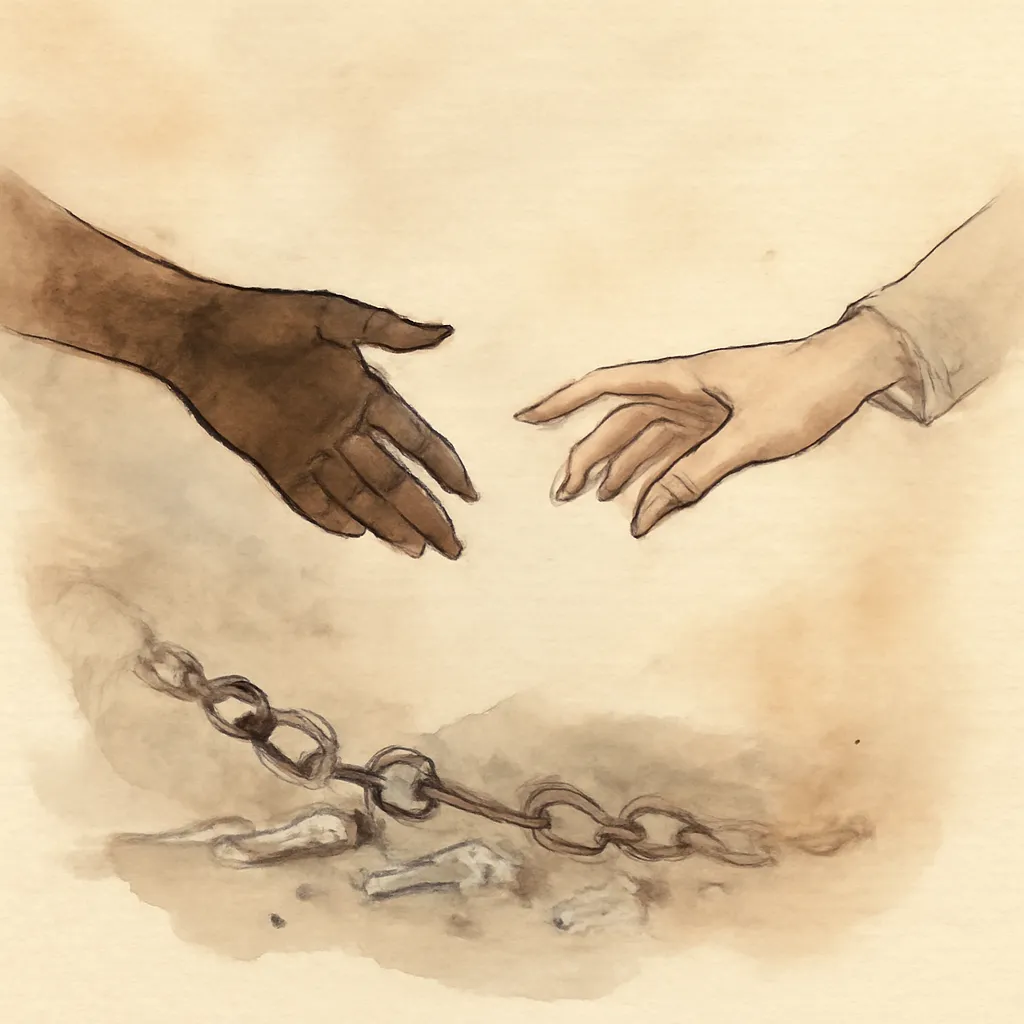
1.The Depth of Degradation in Slavery
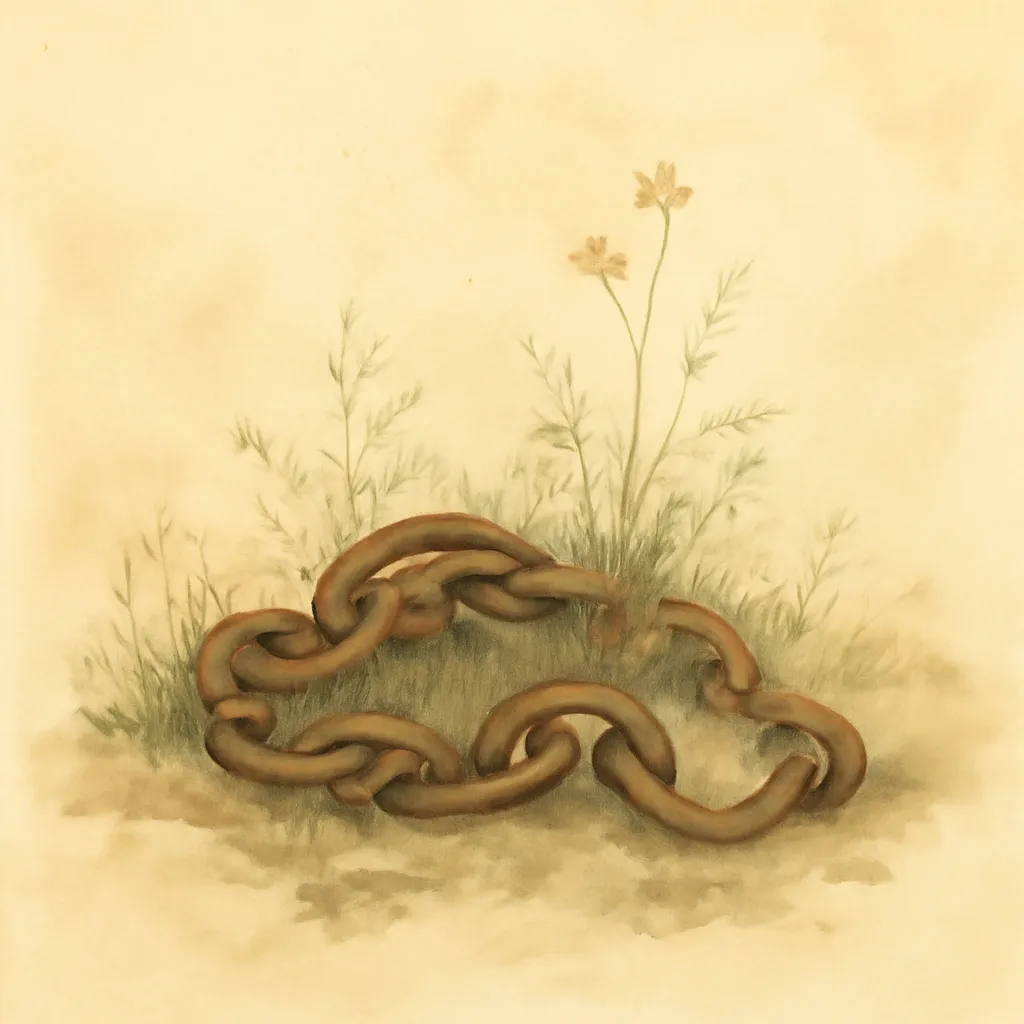
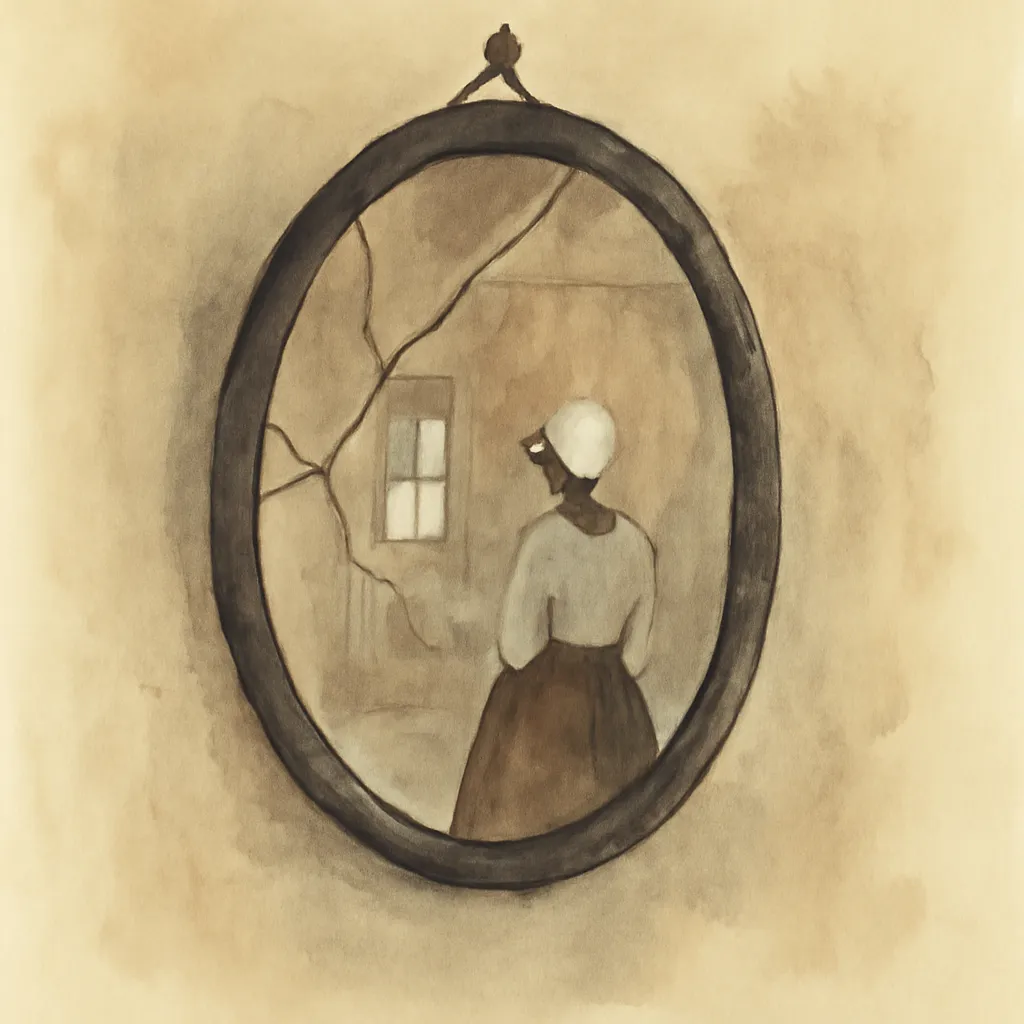
Jacobs opens her narrative by emphasizing that many Northerners lack a true understanding of slavery, equating it merely with perpetual bondage. She argues that the reality is far more complex and deeply degrading, involving psychological torment and moral corruption. Slavery is depicted not just as physical confinement but as a system that dehumanizes individuals, stripping them of their dignity, identity, and humanity. Jacobs insists that her experiences, while perhaps seeming incredible, reflect the grim truth of enslaved lives, where the threat of violence and separation looms constantly. She aims to awaken the North to the brutal realities faced by enslaved people, especially women, who endure unique forms of suffering. The degradation of slavery is a central theme that Jacobs seeks to convey, showing that the scars run far deeper than mere physical chains.
2.Childhood Innocence and Awakening
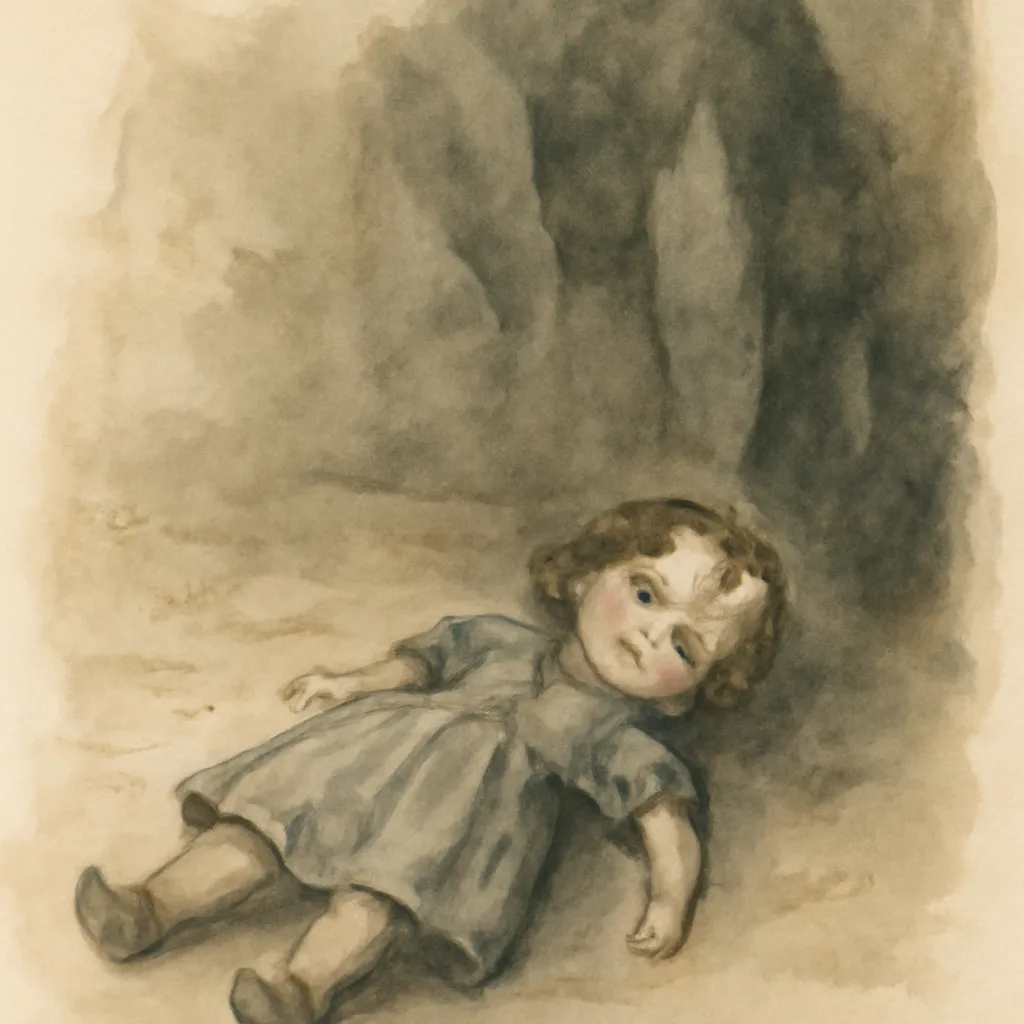
Jacobs recalls her childhood with a poignant sense of loss, describing how she was blissfully unaware of her status as a slave until the age of six. Raised in a relatively loving environment, with a skilled father and a doting grandmother, she initially experiences the joys of childhood without the burden of her reality. However, this innocence shatters when she is thrust into a harsher environment with new masters, where the cold treatment starkly contrasts her previous life. The death of her father marks a pivotal moment, awakening her to the harsh truths of her existence. Jacobs illustrates how the loss of loved ones is a recurring theme in the lives of enslaved individuals, compounding their suffering and stripping away any semblance of security. This transition from innocence to awareness serves as a powerful narrative arc, emphasizing the fragility of hope in the face of systemic oppression.
3.The Brutality of Hiring Day
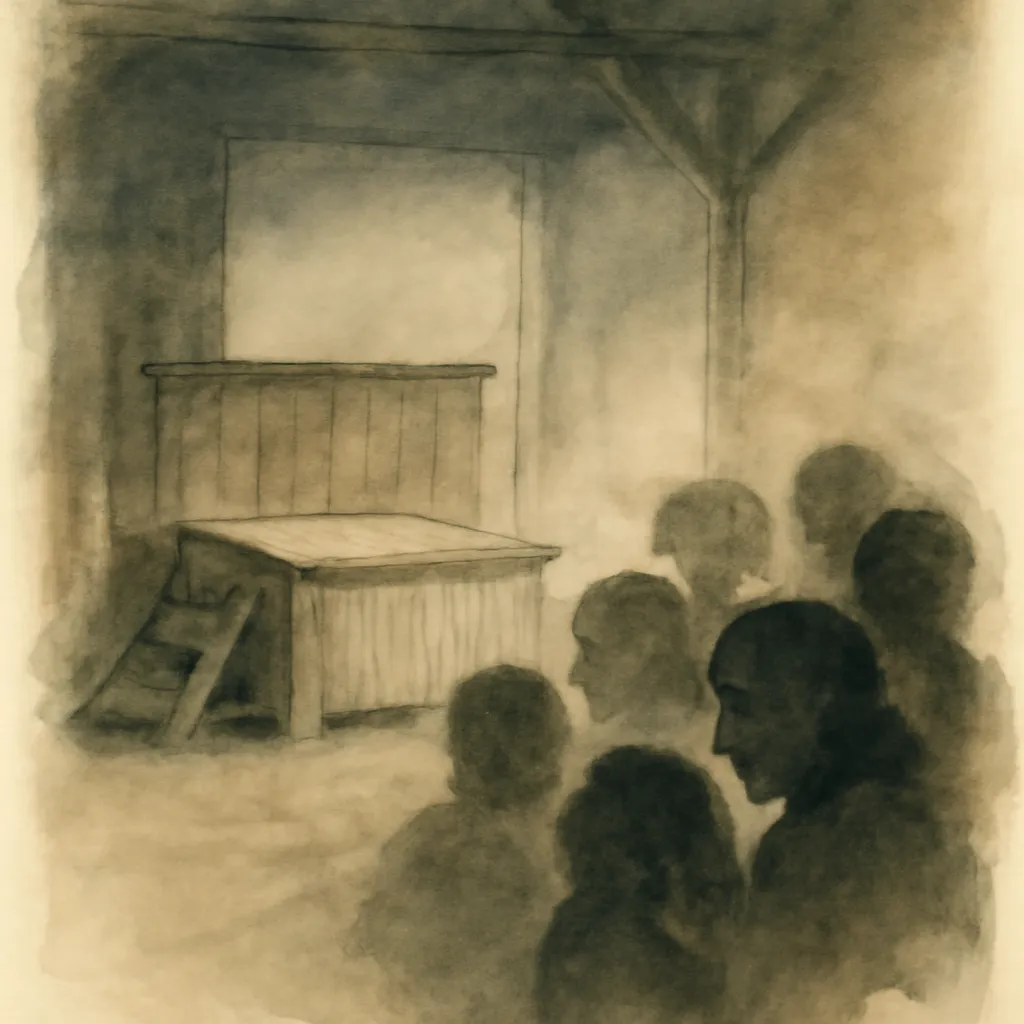
Jacobs describes the grim realities of New Year's Day, a time when slaves are hired out to new masters. This annual event, rather than being a time of celebration, is filled with anxiety and dread as families face potential separation. Jacobs paints a vivid picture of the emotional turmoil experienced by enslaved individuals as they are treated like commodities, subject to the whims of their new masters. The fear of violence looms large, as those who resist or express discontent are met with brutal punishment. The stark contrast between the joyous celebrations of free individuals and the anguish of enslaved families serves to highlight the inhumanity of the system. Through her detailed account, Jacobs underscores how the institution of slavery dehumanizes not only those who are enslaved but also those who perpetuate it, revealing the moral decay it engenders in society.
4.The Complexities of Female Slavery
Jacobs brings to light the unique struggles faced by enslaved women, particularly when it comes to sexual exploitation. As she recounts her experiences with Dr. Flint, her master, she illustrates the constant threat of sexual violence that looms over enslaved women. Jacobs describes the psychological torment inflicted by her master, who uses manipulation and intimidation to assert his control. The intersection of race and gender creates a complex dynamic where enslaved women are not only forced to navigate their status as property but also the sexual desires of their masters. Jacobs' narrative reveals the moral corruption that accompanies such exploitation, as women are stripped of their agency and subjected to the whims of men. This aspect of her story serves as a powerful indictment of the system, highlighting the urgent need for recognition and reform.
5.The Role of the Mistress
Jacobs explores the role of the mistress in the context of slavery, revealing the jealousy and rage that often characterize their relationships with enslaved women. Rather than acting as protectors, many mistresses exhibit hostility towards their enslaved counterparts, viewing them as threats to their own status and security. Jacobs details her experiences with Mrs. Flint, who embodies this jealousy and suspicion, watching her every move with a critical eye. The mistress's role is complicated; while they may wield some power over the enslaved, they are also complicit in the system that perpetuates violence and oppression. Jacobs argues that the degradation of slavery extends to all involved, corrupting both the enslaved and their masters. This dynamic complicates the narrative of slavery, revealing how it affects interpersonal relationships and societal structures.
6.Love and the Desire for Family
Jacobs addresses the profound emotional struggles faced by enslaved individuals when it comes to love and family ties. She reflects on her own experiences of love, grappling with the reality that her status as a slave renders her relationships fraught with danger. The desire for companionship and family is a natural human instinct, yet for enslaved people, it is often met with violence and separation. Jacobs recounts her love for a free man, which is complicated by the oppressive structures of slavery that deny her the right to marry and create a family. This longing for connection is a recurring theme, as Jacobs highlights the heartbreak of families being torn apart and the constant fear of losing loved ones to the slave trade. Her narrative emphasizes that the emotional toll of slavery extends beyond physical suffering, deeply affecting the psyche and sense of self-worth of those ensnared in its grasp.
7.The Impact of Religion
Jacobs examines the role of religion within the context of slavery, revealing its dual nature as both a means of oppression and a source of solace. After Nat Turner's insurrection, slaveholders sought to use religion to pacify enslaved individuals, offering them a diluted form of spiritual instruction designed to keep them submissive. Jacobs recounts her experiences attending church services where the messages preached often reinforced the status quo, urging slaves to obey their masters. Yet, she juxtaposes this with the genuine spiritual yearning of enslaved individuals who seek comfort and meaning in their faith. The hypocrisy of the institution is laid bare as Jacobs critiques how religion is manipulated to justify cruelty and maintain control. Through her reflections, she underscores the importance of authentic spiritual connection, which serves as a source of strength and resilience for those enduring the trials of slavery.
8.The Perils of Escape
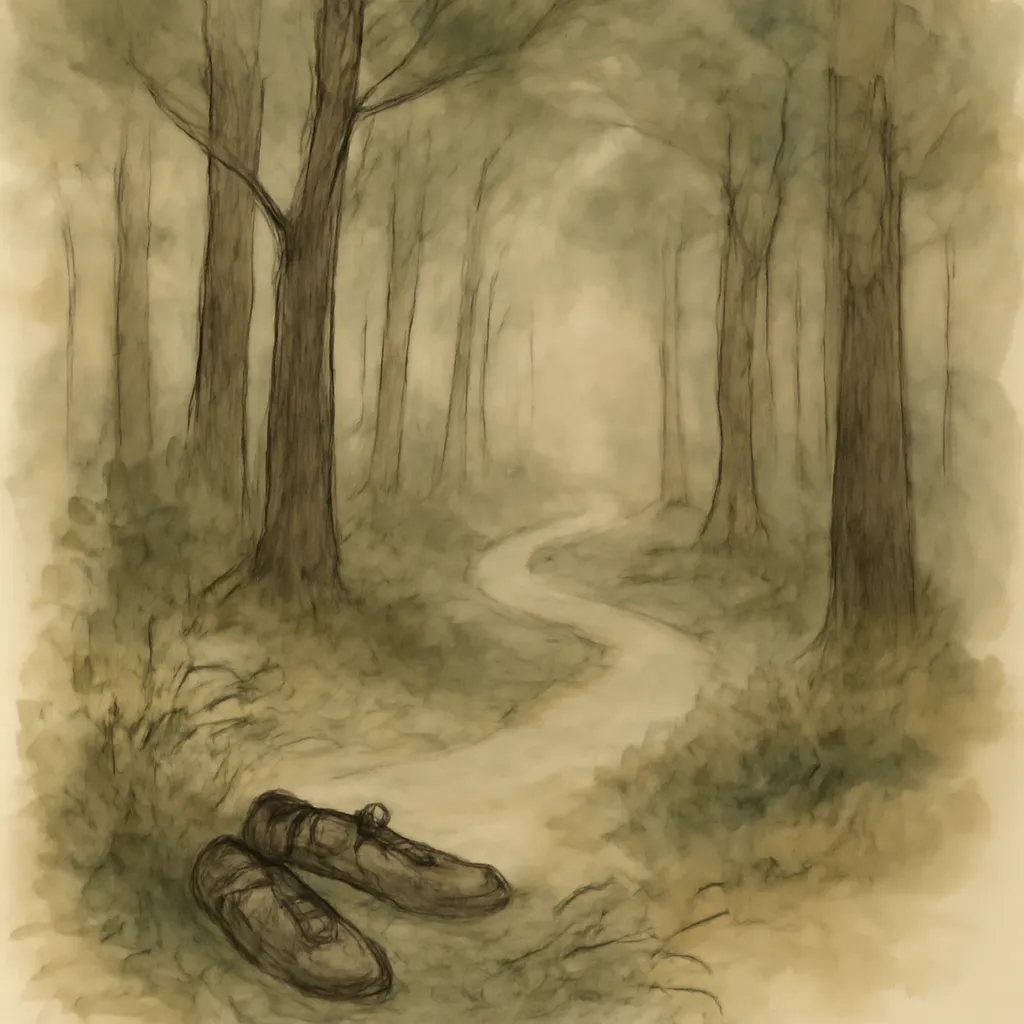
Jacobs provides a gripping account of her desperate attempts to escape the clutches of slavery, highlighting the immense risks involved. The fear of capture is palpable as she navigates the treacherous landscape of her own life, constantly on the lookout for her pursuers. Her escape is fraught with danger, as she must rely on the kindness of friends while maintaining her anonymity. Jacobs details the physical and emotional toll of living in hiding, where the threat of betrayal looms large. The narrative captures the tension and uncertainty that define the lives of those who dare to seek freedom, revealing the harsh realities that enslaved individuals face when attempting to break free from their bonds. Jacobs' courage and determination shine through, showcasing the indomitable spirit of those who refuse to accept their fate.
9.The Trauma of Separation
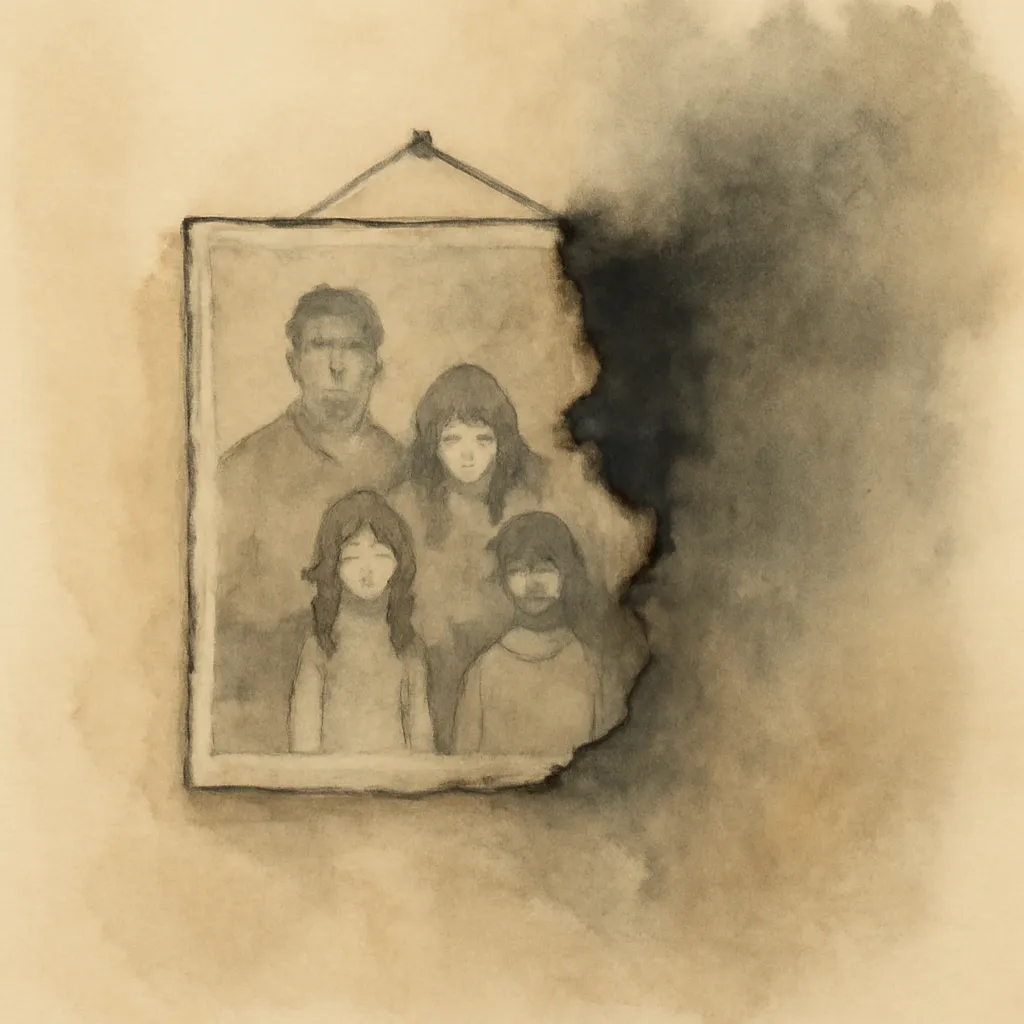
Jacobs poignantly illustrates the trauma that accompanies the separation of families in slavery, emphasizing its devastating impact on both adults and children. The heartbreak of being torn from loved ones is a central theme in her narrative, as she recounts the pain of having her children threatened with sale. Jacobs' reflections on the emotional scars left by such separations reveal the profound sense of loss that enslaved individuals endure. She emphasizes that the trauma is not limited to the moment of separation; it reverberates throughout their lives, affecting their ability to form bonds and trust. This aspect of her story serves as a powerful reminder of the human cost of slavery, compelling readers to confront the emotional and psychological ramifications of such a brutal system. Jacobs calls attention to the need for compassion and understanding in the face of such suffering.
10.A Call to Action
Throughout her narrative, Jacobs issues a powerful call to action, urging readers to confront the realities of slavery and advocate for change. She emphasizes the moral imperative to recognize the humanity of enslaved individuals and to fight against the injustices that allow such a system to persist. Jacobs seeks to awaken the conscience of her audience, encouraging them to empathize with the plight of those in bondage and to take a stand against oppression. Her narrative is not merely a recounting of personal suffering; it is a testament to the resilience and strength of the human spirit in the face of adversity. Jacobs' story serves as a rallying cry for abolitionists and all those who believe in justice and equality. By sharing her experiences, she hopes to inspire others to join the fight for freedom and to dismantle the structures that perpetuate violence and inequality.