1.The Moral Framework of Indian Literature

Müller emphasizes that Indian literature, particularly the Vedas and the Mahabharata, serves as a profound moral compass that guides ethical behavior and societal norms. He argues that these texts are not merely historical artifacts but living documents that provide wisdom on righteousness, justice, and the nature of duty. For instance, characters like Yudhishthira in the Mahabharata exemplify the struggle between personal desire and moral obligation, illustrating the complexities of ethical decision-making. Yudhishthira's adherence to truth, even in dire circumstances, serves as a powerful reminder of the values of integrity and honesty. This moral framework contrasts with Western literature, which often focuses more on individualism. By studying these texts, modern readers can gain insight into a collective sense of morality that values community and duty over personal gain. The lessons drawn from these narratives encourage readers to consider the importance of ethical considerations in their own lives and actions.
2.India as a Laboratory of Knowledge
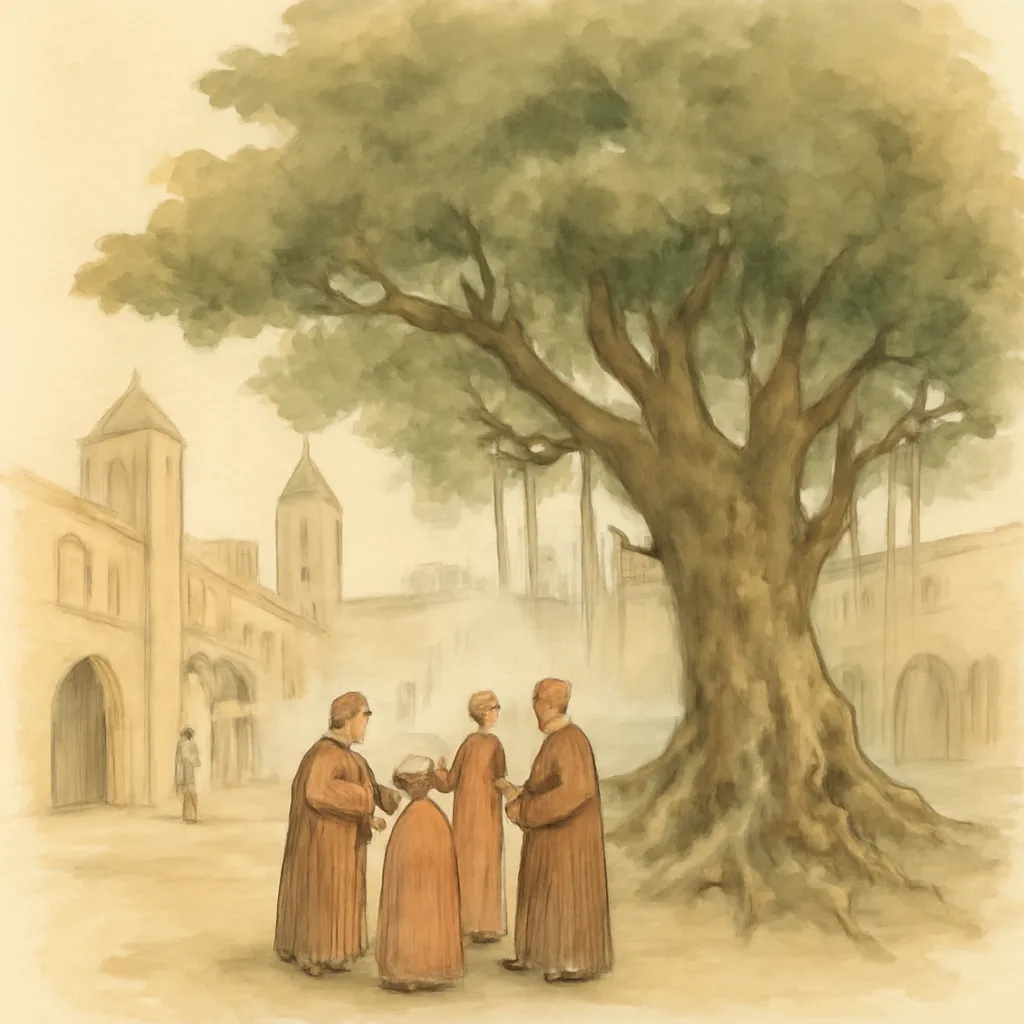
Müller describes India as a 'laboratory for all students,' where the ancient wisdom of the East meets the analytical rigor of the West. He highlights scientific and philosophical advancements made in ancient India, such as mathematics, astronomy, and medicine, which laid the groundwork for modern disciplines. The concept of zero and advancements in algebra are particularly noteworthy, showcasing India's contributions to mathematics. Additionally, the architectural marvels and urban planning of the Indus Valley civilization exemplify a sophisticated understanding of engineering and city design. Moreover, the philosophical debates found in texts like the Upanishads encourage critical thinking about existence, consciousness, and the cosmos. This fusion of spiritual insight and empirical inquiry offers a model for contemporary education that values both intellectual rigor and ethical reflection. By viewing India as a reservoir of knowledge, readers are prompted to appreciate the interconnectedness of various fields of study and the importance of a holistic approach to learning.
3.The Influence of Vedic Thought on World Religions

Müller explores how Vedic thought has influenced various world religions, particularly in concepts of divinity and spirituality. He argues that the idea of a singular, transcendent reality in the Vedas has parallels in monotheistic religions, suggesting an underlying unity among diverse spiritual traditions. For example, the Hindu concept of Brahman as the ultimate reality bears resemblance to the monotheistic views of God in Christianity and Islam. This notion invites readers to consider the shared themes of creation, morality, and the nature of God found across cultures. By examining these connections, Müller encourages a more inclusive understanding of spirituality that transcends religious boundaries, promoting dialogue and respect among different faiths. The exploration of these themes also serves as a reminder of the common human quest for meaning, purpose, and a connection to the divine, which can foster greater empathy and collaboration among diverse peoples.
4.Cultural Richness and Diversity in India

India's cultural landscape is marked by remarkable diversity, which Müller argues is a strength rather than a weakness. He notes that this diversity is reflected in its multitude of languages, customs, and philosophies, each contributing to the rich tapestry of Indian identity. The coexistence of various traditions, such as Hinduism, Buddhism, Jainism, and Sikhism, demonstrates a unique ability to embrace pluralism. Müller references historical accounts that illustrate how this cultural diversity fostered dialogue and understanding among different communities. For instance, the syncretic traditions that emerged in regions where different faiths interacted exemplify how shared spaces can lead to enriched cultural expressions. This cultural richness offers valuable lessons in tolerance and coexistence, suggesting that modern societies could benefit from similar approaches to diversity. By fostering an appreciation for different perspectives, societies can cultivate harmony and understanding, ultimately leading to a more cohesive social fabric.
5.The Role of Memory in Indian Education

Müller highlights the significance of memory in Indian educational practices, particularly among Brahmins, who were known for their exceptional memorization skills. The emphasis on oral tradition and the recitation of texts fostered a deep connection to knowledge that transcended written words. The rigorous training involved in memorizing vast amounts of scripture not only preserved cultural heritage but also instilled a sense of discipline and respect for learning. For instance, the oral transmission of the Vedas required not only memorization but also understanding and interpretation, leading to a profound engagement with the texts. By valuing memory as a tool for education, Müller suggests that contemporary education systems could enrich their approaches by integrating practices that emphasize retention and understanding over rote learning. This shift could lead to a deeper engagement with material and a more profound appreciation for cultural narratives, ultimately benefiting students’ holistic development.
6.Philosophical Depth of Indian Thought
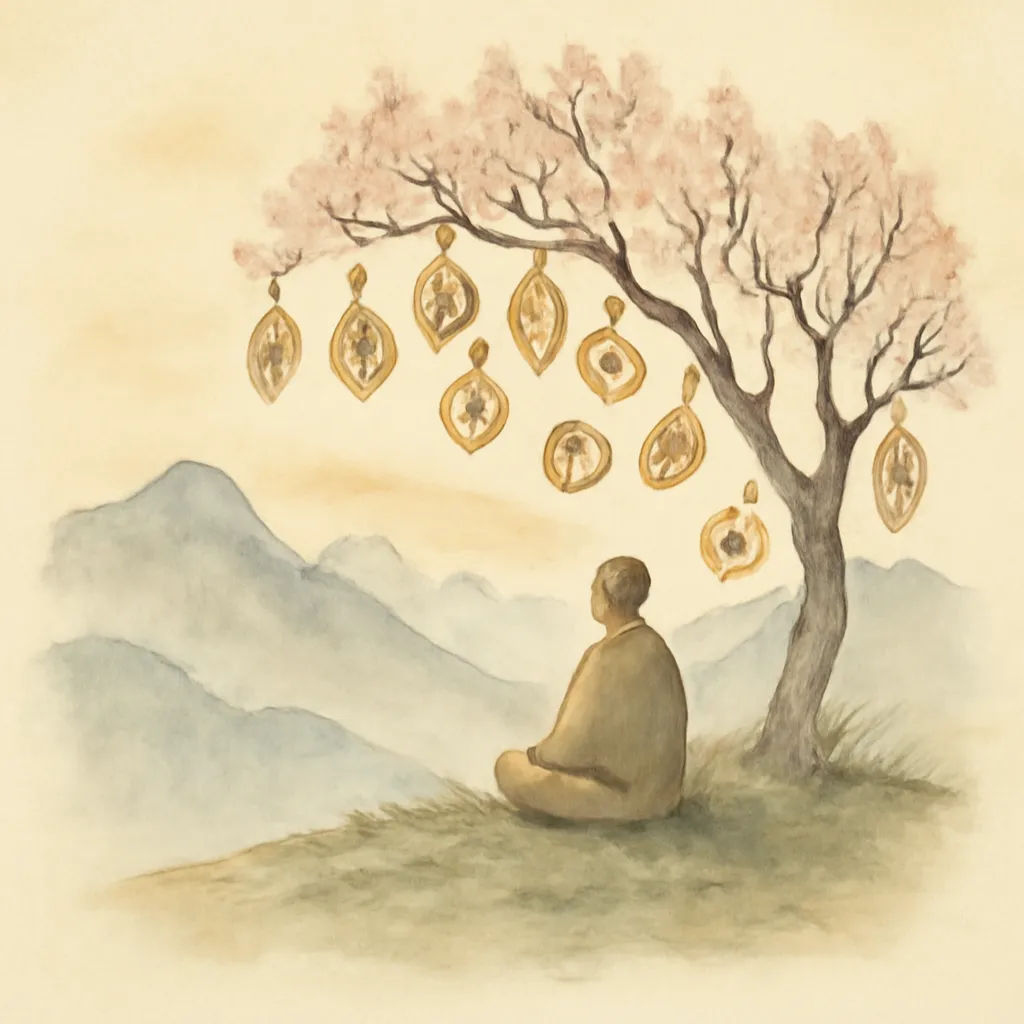
Müller delves into the philosophical depth of Indian thought, particularly through the lens of Vedanta and other schools of philosophy. He emphasizes that Indian philosophy is not merely theoretical but deeply practical, addressing fundamental questions about existence, ethics, and the nature of reality. The dialogues found in the Upanishads provoke critical inquiry into the self and the universe, challenging readers to reflect on their own beliefs and assumptions. Through these texts, concepts such as Atman (the self) and Brahman (the ultimate reality) invite introspection about the nature of consciousness and existence. This philosophical tradition encourages a holistic view of life, integrating spiritual and material aspects, which can inspire modern thinkers to seek balance and harmony in a fragmented world. Müller asserts that engaging with these philosophical ideas can lead to personal growth and a deeper understanding of the interconnectedness of all life.
7.Justice and Morality in Indian Society

Müller examines the concept of justice within Indian society, noting that it is intertwined with moral values and societal obligations. He references historical accounts that illustrate the importance of justice in village communities, where collective well-being often takes precedence over individual rights. The concept of Dharma (moral duty) plays a crucial role in guiding individuals toward actions that uphold social harmony and justice. For example, the stories of legendary rulers in ancient Indian texts highlight their responsibilities to their subjects and the moral dilemmas they faced in upholding justice. This communal approach to justice contrasts sharply with more individualistic Western systems, prompting readers to reconsider their own notions of fairness and equity. By exploring these alternative frameworks, Müller advocates for a more integrated understanding of justice that encompasses moral responsibility and social harmony, suggesting that such perspectives could enhance contemporary legal and ethical discussions.
8.The Legacy of Indian Epic Literature
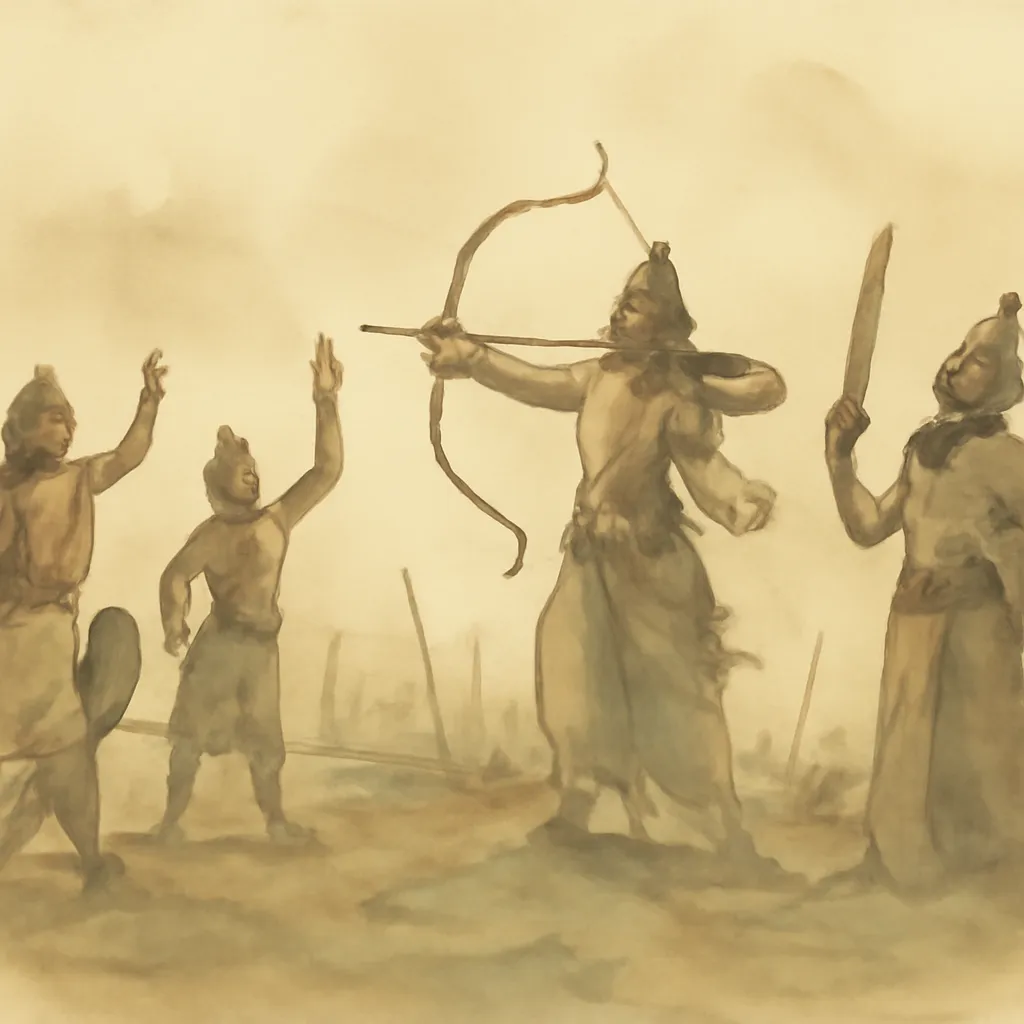
Indian epic literature, particularly works like the Mahabharata and Ramayana, serves as a reservoir of cultural values and historical narratives. Müller discusses how these epics convey lessons about heroism, sacrifice, and the complexities of human nature. Characters such as Rama and Arjuna embody virtues that resonate with universal themes of duty, honor, and moral conflict. The Mahabharata, with its intricate narrative structure and multifaceted characters, invites readers to engage with the moral ambiguities of life. For instance, Arjuna’s initial reluctance to fight in the war is a powerful exploration of the inner conflict between duty and compassion. These narratives not only entertain but also educate, fostering a sense of identity and shared values among readers. By engaging with these epics, modern audiences can draw parallels to their own lives, discovering timeless wisdom that addresses contemporary challenges and inspires personal growth.
9.India's Spiritual Contributions to Global Thought

Müller posits that India’s spiritual contributions, particularly through practices like yoga and meditation, have gained worldwide recognition for their transformative potential. He emphasizes the holistic nature of these practices, which integrate physical, mental, and spiritual well-being. The popularity of yoga in the West, for instance, reflects a growing recognition of the importance of inner peace and mindfulness in an increasingly chaotic world. Through these practices, individuals can cultivate self-awareness and emotional resilience, promoting overall health and harmony. Furthermore, Müller highlights how these spiritual traditions encourage a deep connection to the self and the universe, fostering a sense of purpose and belonging. By exploring these spiritual traditions, Müller encourages readers to consider how such practices can enhance personal development and contribute to a more balanced and fulfilling life, ultimately fostering a greater sense of community and interconnectedness.
10.The Relevance of Ancient Wisdom in Modern Times
Müller argues that the ancient wisdom found in Indian texts remains profoundly relevant in today’s fast-paced, often fragmented world. He highlights the enduring principles of compassion, duty, and interconnectedness that resonate through the ages. These teachings challenge contemporary individuals to reflect on their values and priorities, encouraging a return to fundamental questions about purpose and meaning. By engaging with this ancient wisdom, modern readers can cultivate a deeper understanding of themselves and their relationships with others. Müller posits that the principles of selflessness and service found in Indian literature can guide individuals toward a more ethical and fulfilling life. This engagement with ancient teachings not only enriches our knowledge but also fosters a sense of unity and purpose in our shared human experience, emphasizing that the timeless lessons of the past can illuminate the path forward.