1.The Awakening of India
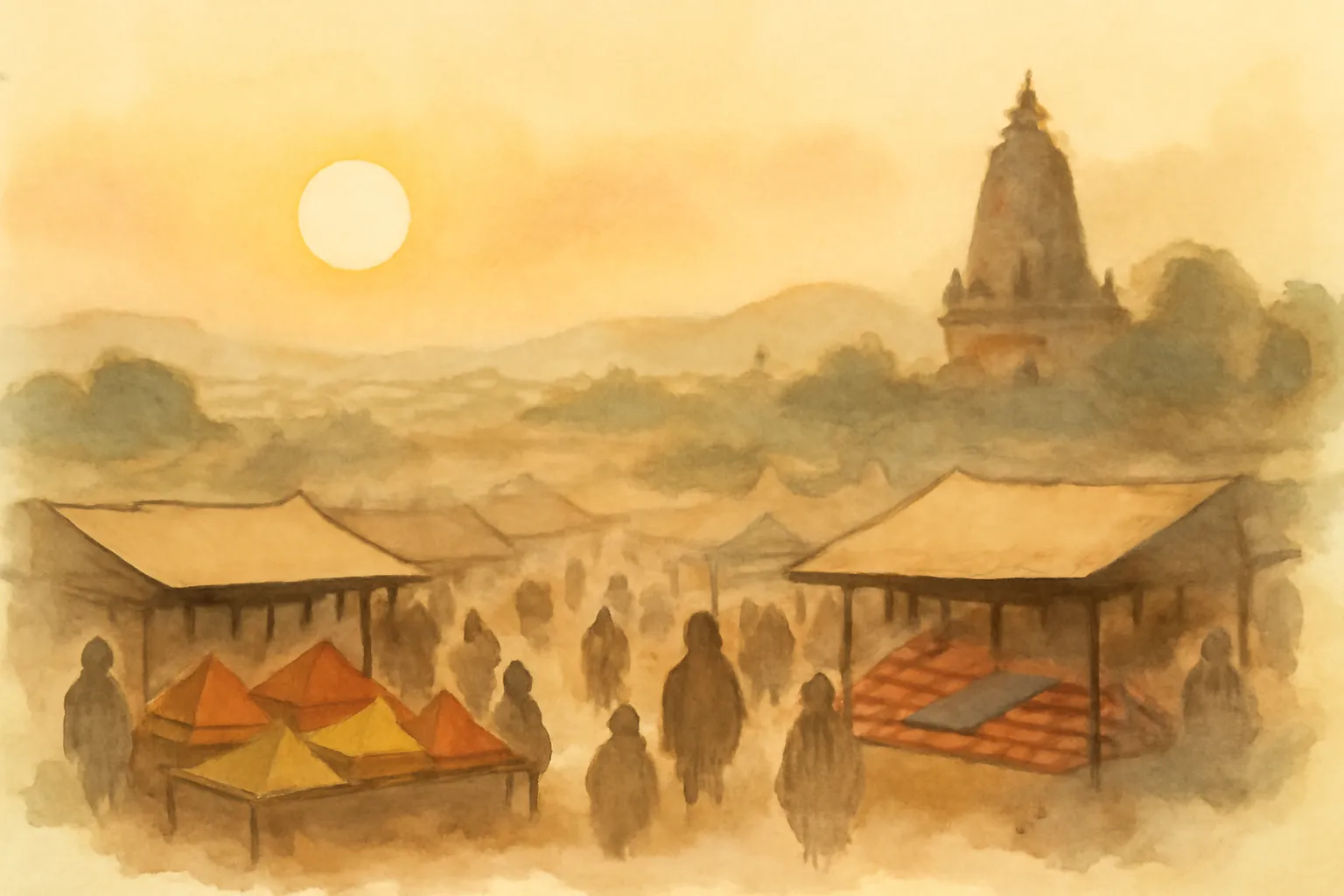
Elwin opens with the metaphor of India waking up, suggesting that the nation is on the cusp of change but requires guidance to navigate its path forward. Just as a child needs reminders for daily tasks, India needs direction in terms of spirituality, sanitation, and productivity. The author emphasizes the responsibility of those in positions of influence, particularly Englishmen, to ensure that India does not fall short of its potential. This awakening is not just about political independence but also about spiritual and moral clarity, as many Indians grapple with the loss of traditional beliefs and the challenge of embracing new ones. Elwin calls for a compassionate partnership in this journey, urging readers to understand India’s unique context rather than imposing foreign values. This analogy establishes the groundwork for the book, framing India not as a passive recipient of change but as an active participant in its own transformation.
2.Misconceptions About Hinduism
Elwin addresses the common misconceptions surrounding Hinduism, often perceived as a monolithic and incomprehensible faith. He argues that Hinduism is complex, characterized by a multitude of beliefs and practices that can seem contradictory. The author recounts his encounters with Hindus who express profound dissatisfaction with their religion, labeling it as 'infernal' in its idolatry and moral ambiguity. Through personal anecdotes, he illustrates how many Hindus themselves struggle with the lack of a coherent moral framework within their spiritual practices. This exploration reveals that, while Hinduism has deep philosophical roots, the everyday experience of many practitioners is marked by confusion and a yearning for clarity that modernity has yet to provide. Elwin's insights into the diverse interpretations of Hinduism challenge readers to recognize the internal conflicts within the religion, encouraging a more nuanced understanding of its followers' struggles.
3.The Nature of Indian Hospitality

Indian hospitality is portrayed as both generous and constrained by the rigid caste system that governs social interactions. Elwin notes that while hospitality is a deeply ingrained cultural value, it often remains confined to one’s caste, limiting the scope of who can be invited to partake in meals or gatherings. He describes lavish feasts given by the wealthy but highlights that these do not always reflect true hospitality, as they are often more about social obligation than genuine welcome. The author contrasts this with the warmth shown towards mothers and family, suggesting that Indian affection runs deep but can be superficial in broader social contexts. Through these observations, Elwin paints a picture of a culture rich in tradition yet bound by its own limitations, encouraging readers to reflect on the nuances of social interactions in India. This complexity in hospitality reveals the tensions between modernity and tradition, as well as between personal relationships and societal structures.
4.Indians and Nature

One of the striking observations Elwin makes is the apparent indifference of many Indians to the beauty of their natural surroundings. He notes that despite the breathtaking landscapes of India, few seem to appreciate or engage with them actively. This detachment from nature is seen in their everyday lives, where scenic beauty is overshadowed by practical concerns. Elwin discusses how education, particularly in drawing, is slowly helping to cultivate a sense of aesthetic appreciation among the younger generation. He illustrates this point with examples of schoolboys who, when exposed to beautiful depictions of flowers, fail to grasp their significance. This disconnect from nature raises questions about the broader cultural values and priorities that shape the Indian experience, suggesting a need for a deeper engagement with the environment. Through this exploration, Elwin encourages readers to consider how cultural education can foster a greater appreciation for the natural world and its beauty.
5.The Challenges of Indian Labor Relations

Elwin's experiences with Indian laborers reveal significant cultural differences in employer-employee relations. He describes a work environment where rudeness towards superiors is commonplace, and disobedience is often met with a casual indifference rather than strict reprimands. This dynamic highlights a broader cultural context where authority is viewed differently than in Western societies. The author recounts specific instances, such as a female worker's reluctance to respond promptly to commands, illustrating a cultural expectation of leisurely compliance. He also addresses the exploitation of laborers by contractors, shedding light on the systemic issues that plague the Indian workforce. Through these observations, Elwin encourages a more nuanced understanding of labor relations in India, emphasizing the need for empathy in addressing these challenges. The cultural context of laborers' behaviors and attitudes sheds light on how deeply rooted social norms affect work ethic and expectations.
6.The Evolving Postal Service
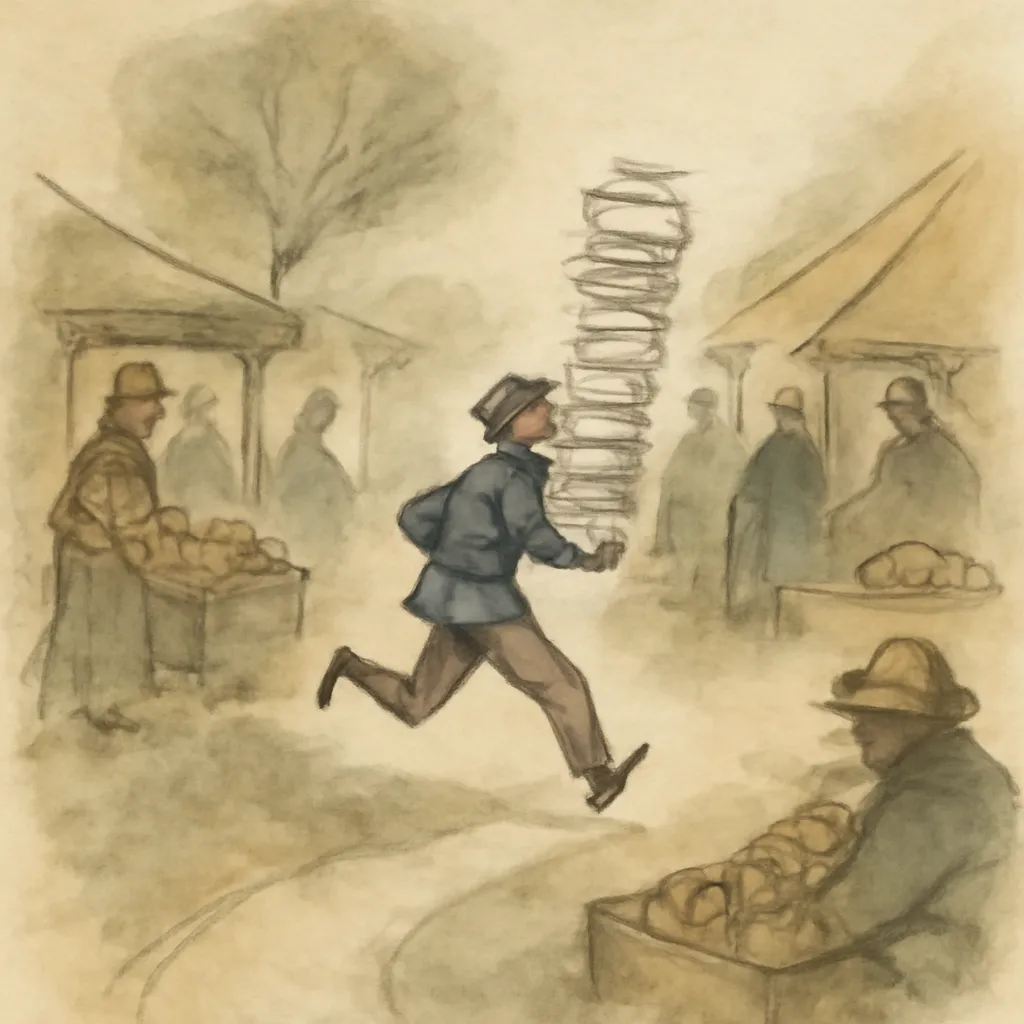
The Indian postal service, as described by Elwin, serves as a microcosm of the country's broader social and economic challenges. He commends the reliability of post-runners, who risk their safety to ensure the delivery of mail, yet highlights the inefficiencies within the official postal system. The author notes the rarity of post offices in rural areas, where residents rely on informal methods to send letters. His anecdotes about illiterate post-runners underscore the resilience and resourcefulness of ordinary Indians, even in the face of systemic flaws. Elwin's reflections on the postal service reveal a complex interplay between tradition and modernity, suggesting that while India is progressing, significant gaps remain in infrastructure and accessibility. This examination of the postal system illustrates the broader themes of communication and connection in a rapidly changing society, emphasizing the importance of reliable infrastructure in fostering social cohesion.
7.The Impact of English Customs
Elwin discusses the inevitable spread of English customs in India, noting that while some may resist this influence, many Indians, particularly Christians, adopt Western dress and practices. He argues that this adoption is not a rejection of Indian identity but rather a reflection of the changing landscape of cultural interactions. The author points out that Indian dress often signifies religious affiliation rather than national identity, complicating the narrative around cultural assimilation. He observes that while some missionaries strive to maintain Eastern customs, the reality is that the tide of Western influence is unstoppable. This cultural exchange raises important questions about identity, belonging, and the future of Indian society as it navigates its colonial legacy. Elwin's insights into the complexities of cultural adaptation encourage readers to consider the implications of globalization on local traditions and identities.
8.Punctuality and Its Cultural Implications
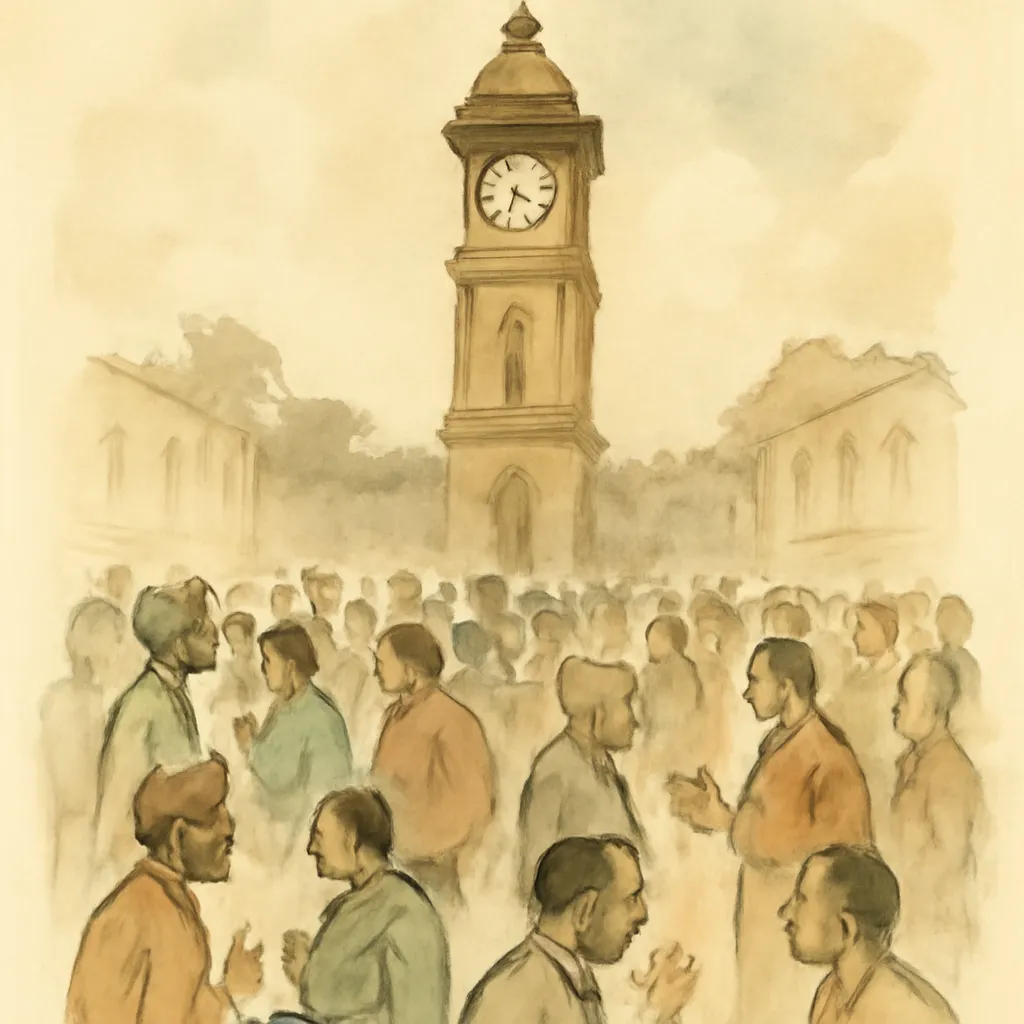
Elwin addresses the widespread issue of unpunctuality among Indians, framing it as a significant barrier to progress. He contrasts the rigid punctuality expected in English society with the more relaxed attitude towards time in India, where delays are often met with casual acceptance. Through personal anecdotes, he illustrates the frustration this causes in various contexts, such as railway operations, where adherence to schedules is crucial. The author suggests that this cultural difference is rooted in deeper philosophical beliefs about time and urgency, reflecting a broader worldview that prioritizes relationships over rigid adherence to schedules. This exploration invites readers to reconsider their assumptions about time and productivity, encouraging a more empathetic understanding of cultural differences. By acknowledging the cultural significance of unpunctuality, Elwin sheds light on how different societies value time and relationships in ways that shape their social interactions.
9.The Reality of Poverty in India
Elwin presents a stark portrayal of poverty in India, distinguishing between the simplicity of rural life and the squalor that often accompanies it. He describes the living conditions of the poor, who often lack basic necessities and live in dire circumstances. The author emphasizes that this poverty is not simply a result of individual failings but is deeply entrenched in systemic issues that limit opportunities for advancement. He contrasts the lives of the wealthy with those of the impoverished, highlighting the vast disparities that exist within Indian society. Through these observations, Elwin calls for a greater awareness of the complexities surrounding poverty in India, urging readers to approach the topic with compassion and a desire for understanding. This examination of poverty serves as a crucial reminder that socioeconomic challenges are often intertwined with cultural and historical contexts that shape individuals' lives.
10.Art and Its Cultural Decline
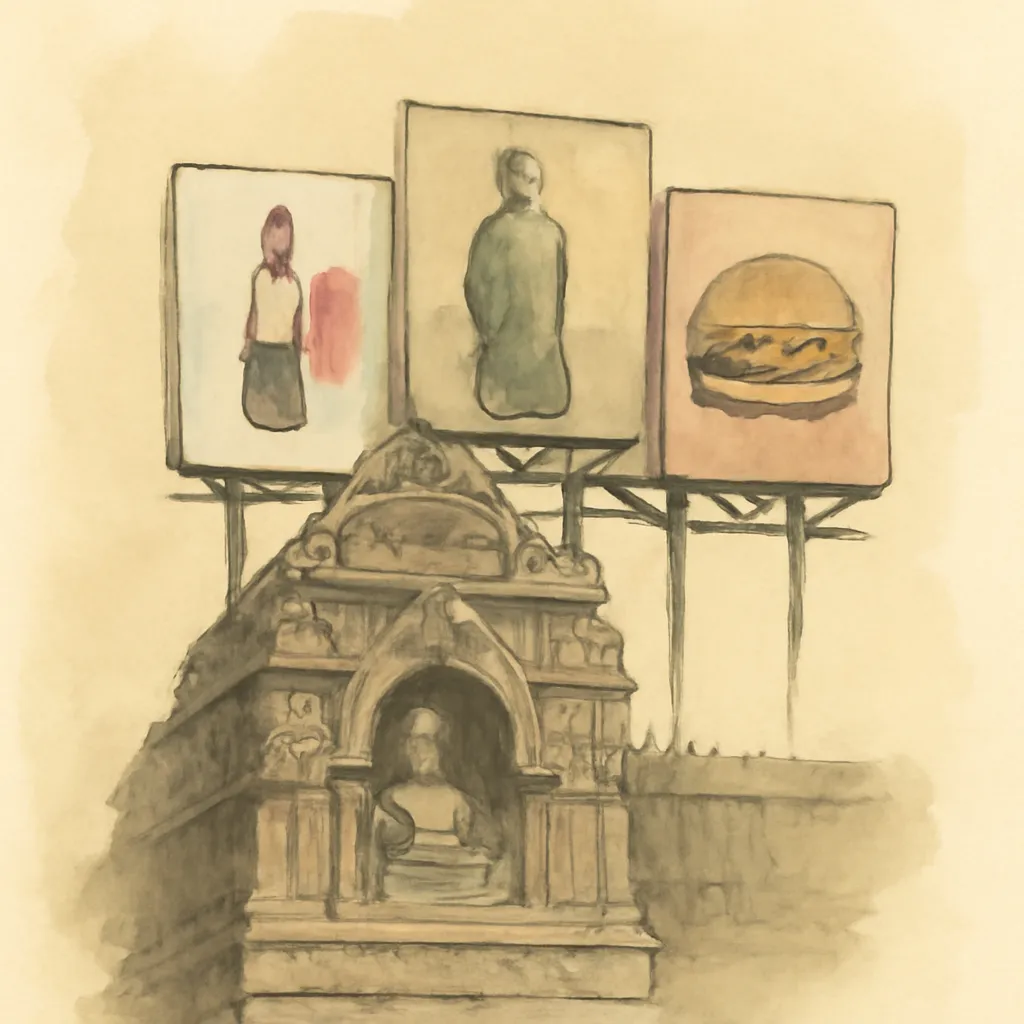
Elwin laments the decline of Indian art due to the intrusion of inferior Western designs, which have overshadowed traditional aesthetics. He contrasts the elegance of ancient Indian architecture and craftsmanship with the often garish and poorly executed styles prevalent in modern constructions. The author illustrates his points by describing the beautiful carvings and proportions of older buildings, which stand in stark contrast to the clumsy designs of contemporary structures. Elwin's critique extends to various forms of art, suggesting that the loss of traditional values and aesthetics reflects a broader cultural crisis. This discussion prompts readers to consider the importance of preserving cultural heritage in the face of globalization and modernization. By highlighting the beauty of traditional Indian art forms, Elwin advocates for a return to cultural roots as a means of fostering national pride and continuity in identity.
11.The Role of Religion in Daily Life
Elwin delves into the pervasive influence of religion in the lives of Indians, revealing how deeply intertwined spirituality is with everyday activities. He discusses the rituals and practices that permeate daily routines, often dictated by religious beliefs. However, he also notes the contradictions present within these practices, where superficial adherence may mask deeper spiritual disconnection. The author explores how religion shapes social interactions, community structures, and personal identities, while also serving as a source of comfort and guidance in challenging times. Through his observations, Elwin emphasizes the importance of understanding religion as a dynamic force that can both unite and divide, urging readers to recognize the complexities inherent in faith as it plays out in the diverse tapestry of Indian society.