1.The Nature of Longing
At the heart of 'India's Love Lyrics' lies a profound exploration of longing. Hope articulates a deep yearning for connection that often feels unattainable. In 'To the Unattainable', she expresses a desire so intense that it transcends the physical realm, wishing that her very blood could quench the thirst of her beloved. This metaphor highlights the desperation and intensity of love, suggesting that true affection often comes with a sense of helplessness. The longing described in her poems is not merely a simple desire; it is an all-consuming fire that speaks to the human condition. By portraying longing as both beautiful and painful, Hope captures the essence of human experience, inviting readers to reflect on their own desires and the often bittersweet nature of love. The poem conveys a sense of urgency and the willingness to sacrifice one's very essence for the beloved, emphasizing how love can evoke profound emotional states that resonate universally.
2.The Intersection of Love and Death
Hope intertwines themes of love and death throughout her poetry, suggesting that love can lead to both ecstasy and despair. In 'Less than the Dust', she contemplates her insignificance in the grand scheme of existence, yet her love remains a powerful force that shapes her identity. The line 'Love's last reward, Death, comes to me to-night' encapsulates the idea that love can be both life-affirming and life-ending. This duality invites readers to consider how deeply intertwined our emotional experiences are with the concept of mortality. Hope's portrayal of love as a force that can lead one to the brink of despair emphasizes its intensity and the inevitable pain that often accompanies deep emotional connections. The acceptance of love's fleeting nature, paired with the shadow of death, instills a sense of urgency and appreciation for the moments shared with loved ones, reminding readers that love, while beautiful, is often tinged with sorrow.
3.Cultural Richness and Landscape
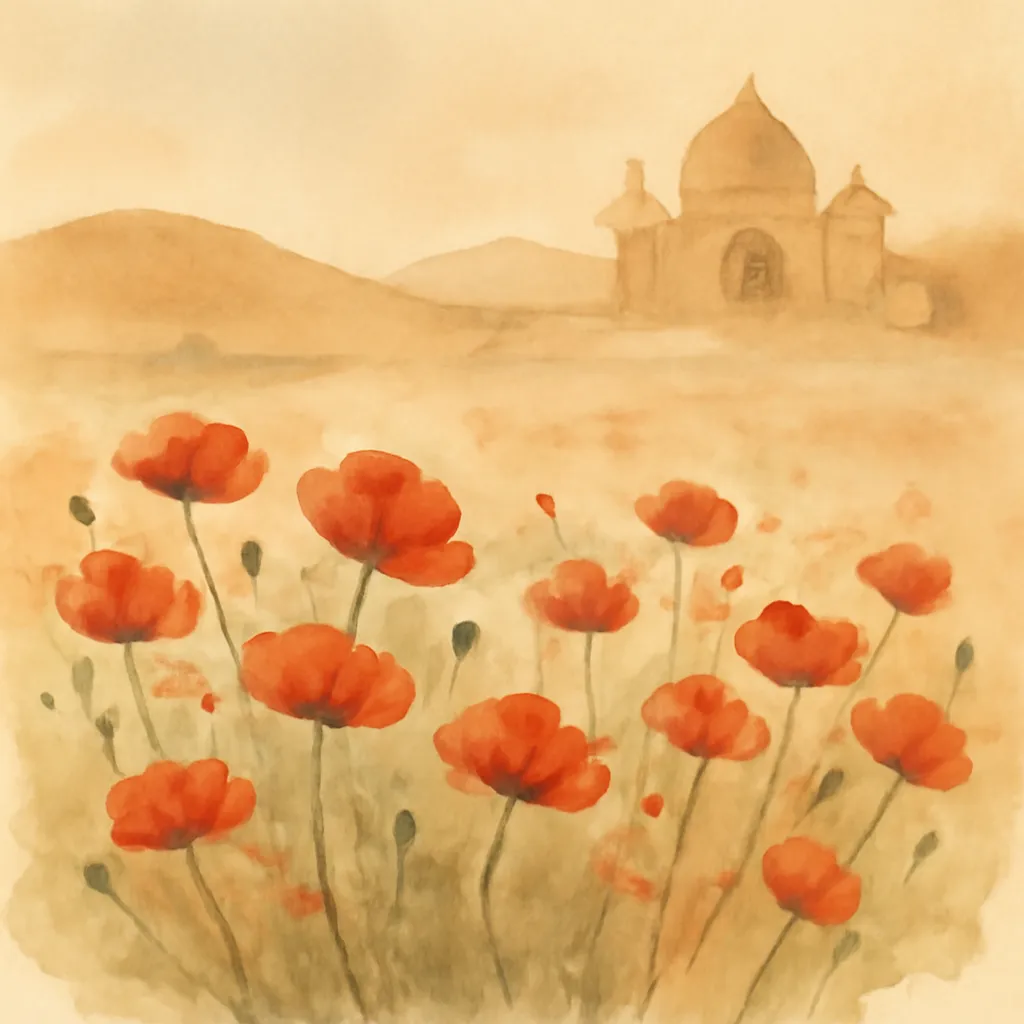
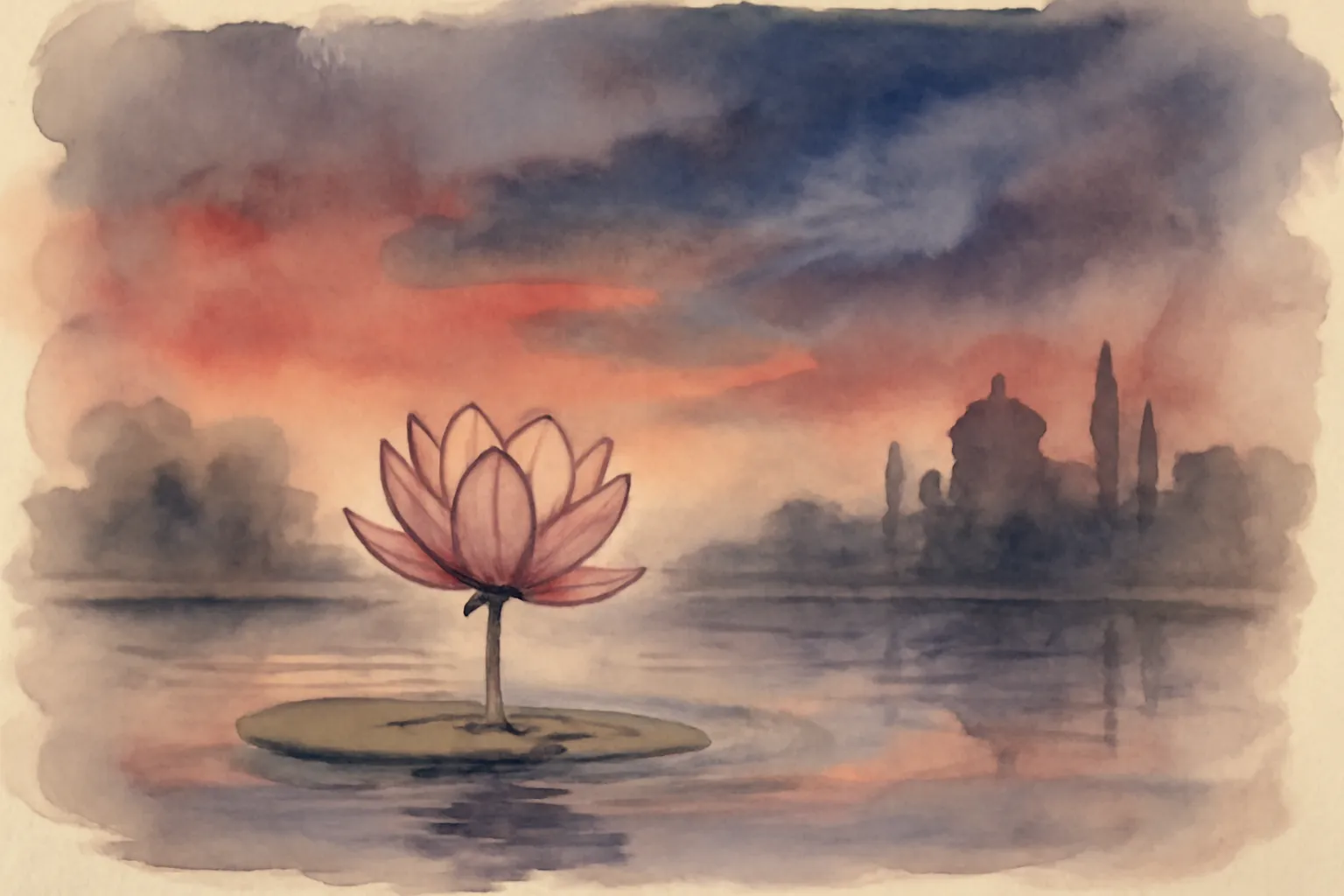
The poems are steeped in the cultural richness of India, where the landscape itself becomes a character in the emotional narrative. Hope's vivid descriptions of the Indian environment—temples, poppy fields, and the desert—serve as metaphors for the emotional states of her characters. In 'In the Early, Pearly Morning', the setting becomes a backdrop for romantic anticipation, where the beauty of nature mirrors the beauty of love. The imagery of bright skies and fragrant flowers evokes a sensory experience, reinforcing the idea that nature reflects the inner emotional landscape of the speaker. This rich cultural tapestry not only grounds her poetry in a specific cultural context but also universalizes the themes of love and longing, allowing readers from diverse backgrounds to connect with the emotions expressed. Hope's ability to weave the natural world into her exploration of love enriches the reader's understanding of how environment and emotion are often intertwined.
4.The Role of Fate
Fate plays a significant role in Hope's exploration of love, often depicted as an indifferent force that determines the outcomes of relationships. The poem 'Memories have I none in keeping' reflects on the inevitability of fate and how it intervenes in the pursuit of happiness. Hope's characters grapple with the idea that their desires may be thwarted by forces beyond their control, leading to a sense of resignation and sorrow. This notion of fate adds a layer of complexity to the love stories portrayed in her poetry, suggesting that while love is a powerful emotion, it is ultimately subject to the whims of destiny. The acceptance of fate's role in love invites readers to reflect on their own lives and the uncontrollable elements that shape their experiences. Hope's exploration of fate prompts consideration of how much agency individuals truly have in matters of the heart, fostering a deeper understanding of the relationship between free will and predestination.
5.The Complexity of Human Emotions
Hope delves into the complexity of human emotions, portraying love as a multifaceted experience that encompasses joy, despair, longing, and regret. In 'Ah! well-beloved, I never told you', the speaker reflects on unexpressed feelings and the pain of missed opportunities. This introspection reveals the depth of emotional turmoil that can accompany love, suggesting that true affection often remains unspoken. Hope's ability to articulate these nuanced feelings resonates with readers, as many can relate to the challenges of expressing love and the fear of vulnerability. The exploration of these complex emotions invites a deeper understanding of the human condition, emphasizing that love is not always straightforward but filled with contradictions and uncertainties. By shining a light on the intricacies of emotional experience, Hope encourages readers to embrace the full spectrum of feelings that accompany love, from the heights of joy to the depths of despair.
6.The Power of Memory
Memory serves as a powerful theme in Hope's poetry, where recollections of love and loss become a source of both solace and pain. In 'Reminiscence of Mahomed Akram', the speaker reflects on how memories are intertwined with sensory experiences, evoking the fragrance of jasmine and lilies. This connection between memory and sensory perception highlights how past loves can linger, shaping one's present emotional landscape. Hope's exploration of memory invites readers to consider how their own experiences of love are colored by nostalgia and longing. The poignancy of remembering a lost love underscores the idea that while time may pass, the emotional impact of those memories can remain vivid and profound. The act of remembering serves not only as a way to honor past relationships but also as a reminder of how love continues to influence our lives, even after it has faded.
7.The Duality of Beauty and Pain
Hope's poetry often reflects the duality of beauty and pain, suggesting that the most exquisite moments of love are often accompanied by profound sorrow. This interplay is evident in the way she describes love as both a source of joy and a cause of suffering. In 'Protest: By Zahir-u-Din', the speaker laments the loneliness of love, capturing the bittersweet nature of desire. The idea that beauty can be fleeting and love can lead to heartache resonates throughout her work, inviting readers to embrace the complexity of their own emotional experiences. This duality serves as a reminder that love, while beautiful, often comes with its own set of challenges and heartaches. By portraying the intricate relationship between joy and sorrow, Hope encourages readers to reflect on the totality of love and the lessons learned from both its pleasures and pains.
8.The Feminine Perspective
Hope's work often presents a feminine perspective on love and desire, exploring the emotional landscape of women in a patriarchal society. Her female characters express longing, vulnerability, and strength, reflecting the complexities of their emotional experiences. In 'Ojira, to Her Lover', the speaker's anticipation and yearning are palpable, showcasing the depth of female desire and the societal constraints that often accompany it. Hope's portrayal of women as both passionate and introspective invites readers to consider the unique challenges women face in expressing love. This focus on the feminine perspective enriches the narrative, adding layers of depth to the exploration of love and relationships. By centering women's experiences, Hope provides a voice to the often-silenced emotions of women, making her work resonate with female readers in particular.
9.Love as a Transformative Force
Hope explores love as a transformative force that shapes individuals and their experiences. In 'Lalila, to the Ferengi Lover', the speaker reflects on the profound impact of love, suggesting that it can lead to personal growth and self-discovery. The idea that love has the power to change one's perspective and identity resonates throughout her poetry, inviting readers to consider how love can alter their own lives. This transformative aspect of love highlights its potential to inspire change and foster deeper connections with others. By portraying love as a catalyst for personal evolution, Hope emphasizes its significance in the human experience. The exploration of how love can lead to enlightenment and a deeper understanding of oneself enriches the thematic depth of her poetry.
10.The Search for Connection
Hope's poetry often reflects a deep yearning for connection, both with others and with oneself. The theme of searching for meaningful relationships resonates throughout her work, as characters grapple with feelings of isolation and longing. In 'Alas! alas! this wasted Night', the speaker laments the absence of a beloved, illustrating the profound emotional toll of separation. This search for connection is a universal human experience, inviting readers to reflect on their own relationships and the importance of intimacy. Hope's exploration of this theme underscores the significance of connection in navigating the complexities of love and desire. Through her poignant portrayals of longing, she emphasizes that genuine relationships are essential to the human experience, making her work universally relatable.