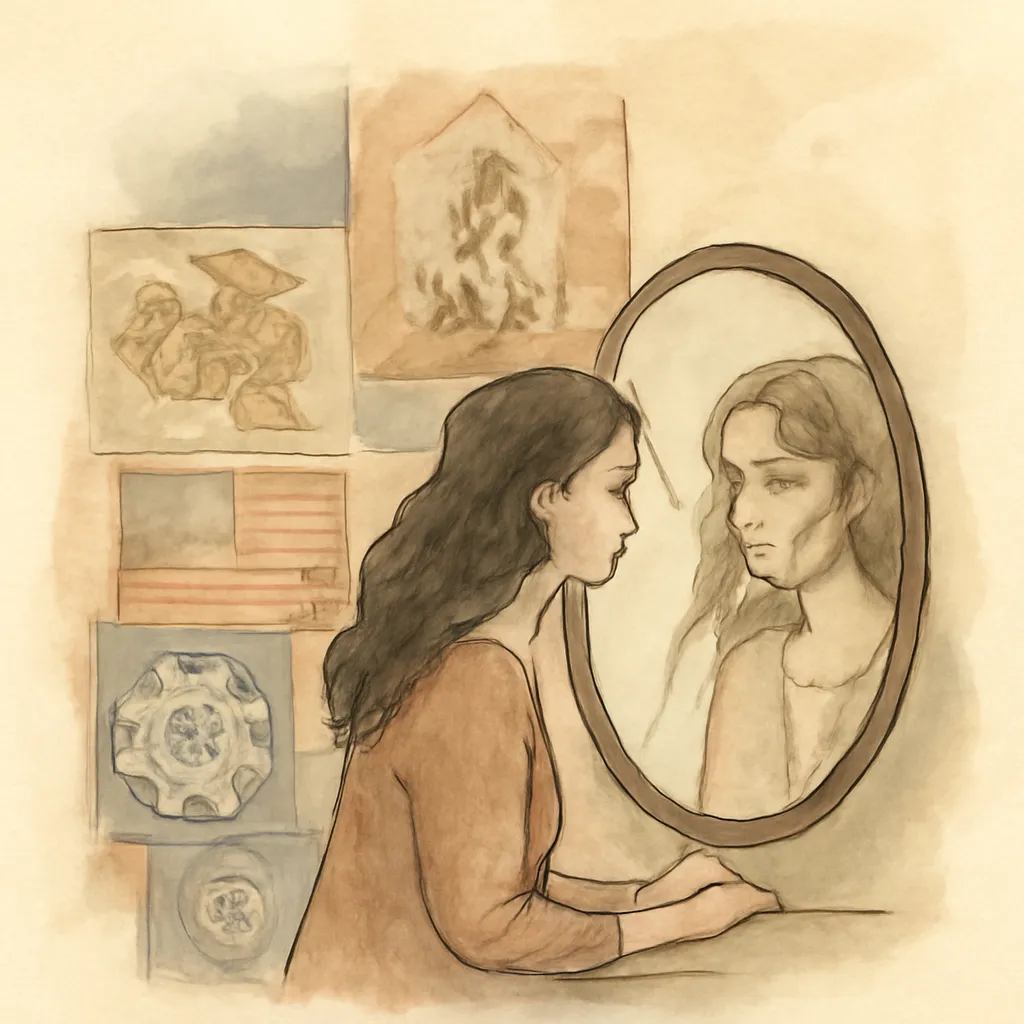
1.The Complexity of Identity
Lahiri’s stories probe the layered identities of her characters, who often straddle two cultures—Indian and American. Through everyday moments and subtle interactions, she reveals how cultural heritage, language, and memory shape self-understanding. Characters are frequently caught between the expectations of their origins and the realities of their adopted homes, leading to both internal and interpersonal conflict. This duality is not presented as a simple struggle but as a nuanced, ongoing negotiation that defines much of their emotional lives.
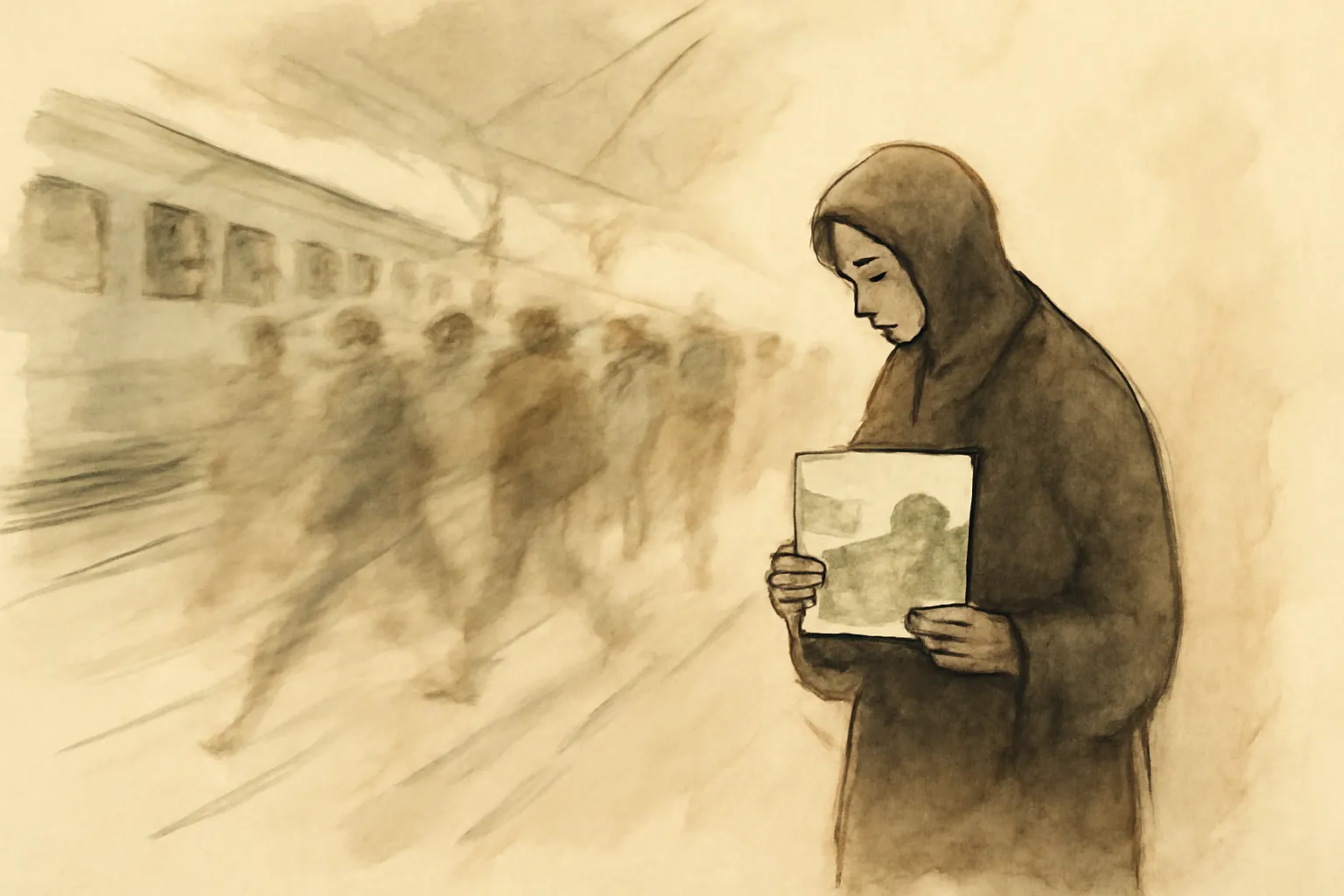
2.Displacement and Belonging
A recurring theme is the sense of being an outsider—geographically, emotionally, or both. Whether it’s immigrants adjusting to a new country or those left behind in India, Lahiri’s characters experience longing for connection and a place to call home. The stories illustrate how displacement can be both physical and psychological, manifesting in loneliness, nostalgia, and the small rituals that anchor people to their roots.
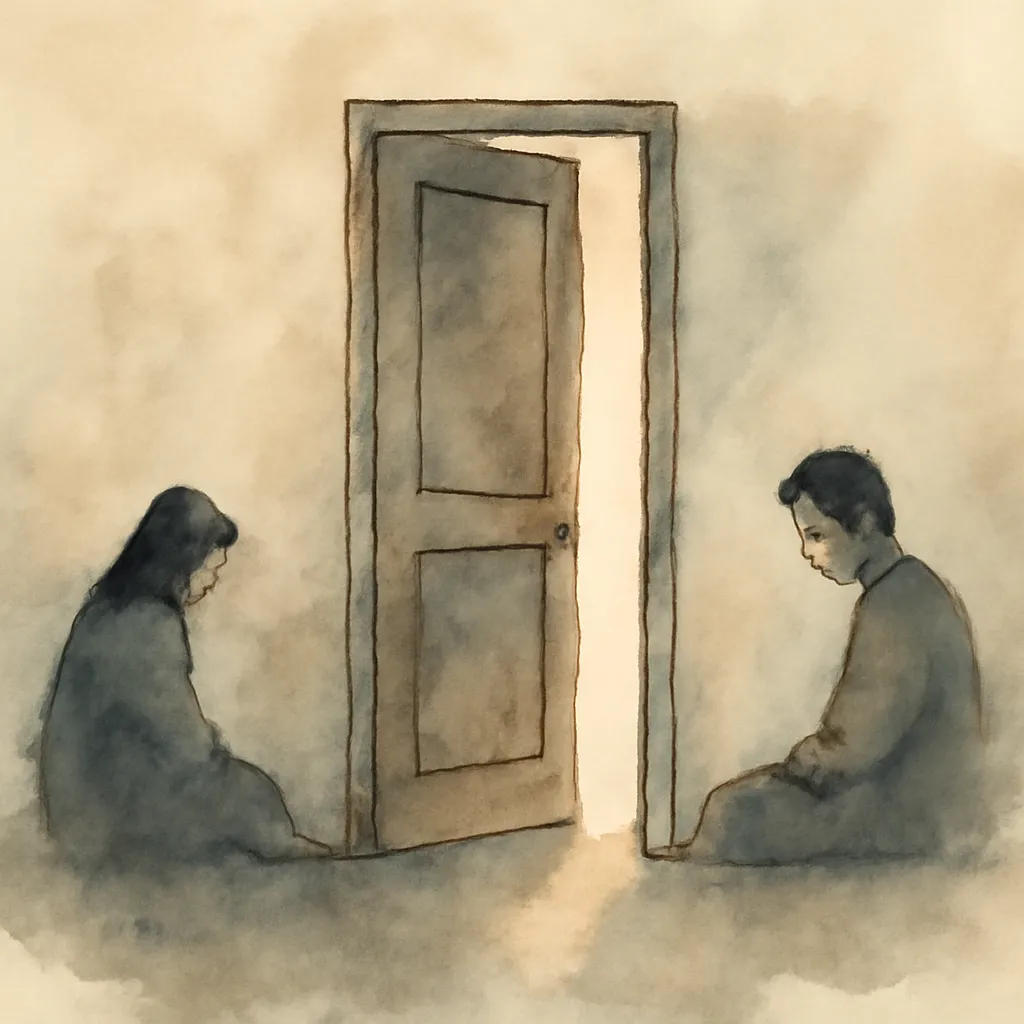
3.Communication and Its Limits
Lahiri is fascinated by the ways people try—and often fail—to communicate. Misunderstandings, secrets, and unspoken feelings drive much of the tension in these stories. The title story, for example, centers on a literal interpreter, but throughout the collection, all characters are in some way interpreters of their own or others’ maladies. Lahiri suggests that true understanding is elusive, even among those closest to us.
4.The Fragility of Relationships
Marriage, family, and friendship are depicted as both sources of comfort and sites of vulnerability. Lahiri’s couples and families are often marked by silence, grief, or unmet expectations. Yet, moments of tenderness and honesty also emerge, revealing how relationships can be both fragile and resilient. The stories avoid melodrama, instead focusing on the quiet, everyday moments that shape intimacy and estrangement.
5.The Weight of the Past
Memory and history exert a powerful influence on Lahiri’s characters. Whether it’s the trauma of political upheaval, the pain of personal loss, or the nostalgia for a homeland, the past is ever-present. Characters must navigate how much to hold on to and what to let go, as they build new lives while carrying old wounds.
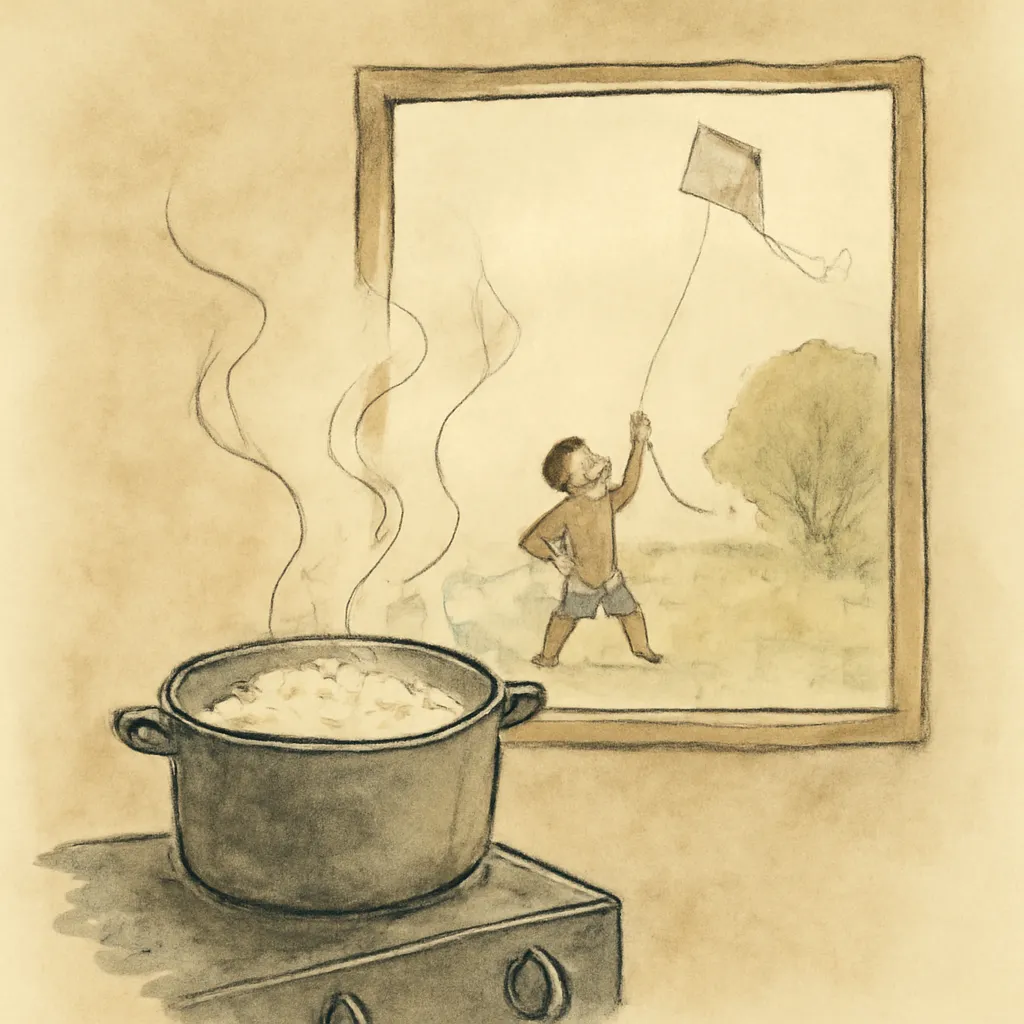
6.Small Moments, Universal Truths
Lahiri’s gift lies in her ability to find the universal in the particular. Through detailed observations of daily life—preparing a meal, sharing a secret, enduring a power outage—she uncovers profound truths about love, grief, and hope. The stories are quietly dramatic, their power accumulating in the spaces between words.