East Indian Americans · Social life and customs · East Indian Americans in fiction
Interpreter of Maladies by Jhumpa Lahiri — Summary, Key Ideas & Quotes
1999211 pages✦ 3-min Big ideas★ 3.9 (42)
Rate it
Title: Interpreter of Maladies. - Boston : Houghton Mifflin. "Interpreter of Maladies" is a collection of nine short stories by Jhumpa Lahiri, exploring the lives of Indian and Indian-American characters who are grappling with issues of identity, displacement, and the complexities of human relationships. Here’s a brief summary of each story in the collection: "A Temporary Matter": A couple, Shoba and Shukumar, reconnect during nightly power outages, revealing secrets and grappling with the stillbirth of their child, ultimately leading to a heartbreaking revelation. "When Mr. Pirzada Came to Dine": A young girl, Lilia, learns about the political turmoil in East Pakistan (now Bangladesh) through the eyes of Mr. Pirzada, a family friend who comes to dinner every evening while his own family is trapped in the conflict. "Interpreter of Maladies": Mr. Kapasi, a tour guide in India, develops a brief emotional connection with Mrs. Das, an Indian-American tourist, as they share personal stories during a day trip. The story ends with a poignant realization about their respective lives. "A Real Durwan": Boori Ma, a sweeper in a Calcutta apartment building, faces the consequences of the residents' sudden desire for improvement and modernization, leading to her unjust expulsion. "Sexy": Miranda, a young American woman, has an affair with a married Indian man and learns about the complexities and consequences of love and infidelity through her interactions with a young boy named Rohin. "Mrs. Sen's": An American boy named Eliot forms a bond with his Indian babysitter, Mrs. Sen, who struggles with her isolation and longing for her home country while adapting to life in the United States. "This Blessed House": Newlyweds Twinkle and Sanjeev navigate their cultural differences and relationship dynamics as they discover Christian paraphernalia in their new home, leading to tension and a deeper understanding of each other. "The Treatment of Bibi Haldar": Bibi Haldar, a woman suffering from a mysterious ailment, is ostracized by her community. After a transformative event, she finds a new purpose and gains independence. "The Third and Final Continent": An Indian immigrant recounts his journey from India to England to America, his experiences adapting to new cultures, and his evolving relationship with his wife, Mala, reflecting on their shared history and the concept of home. Lahiri's stories poignantly capture the immigrant experience, the clash of cultures, and the nuanced emotions that come with navigating life between different worlds.
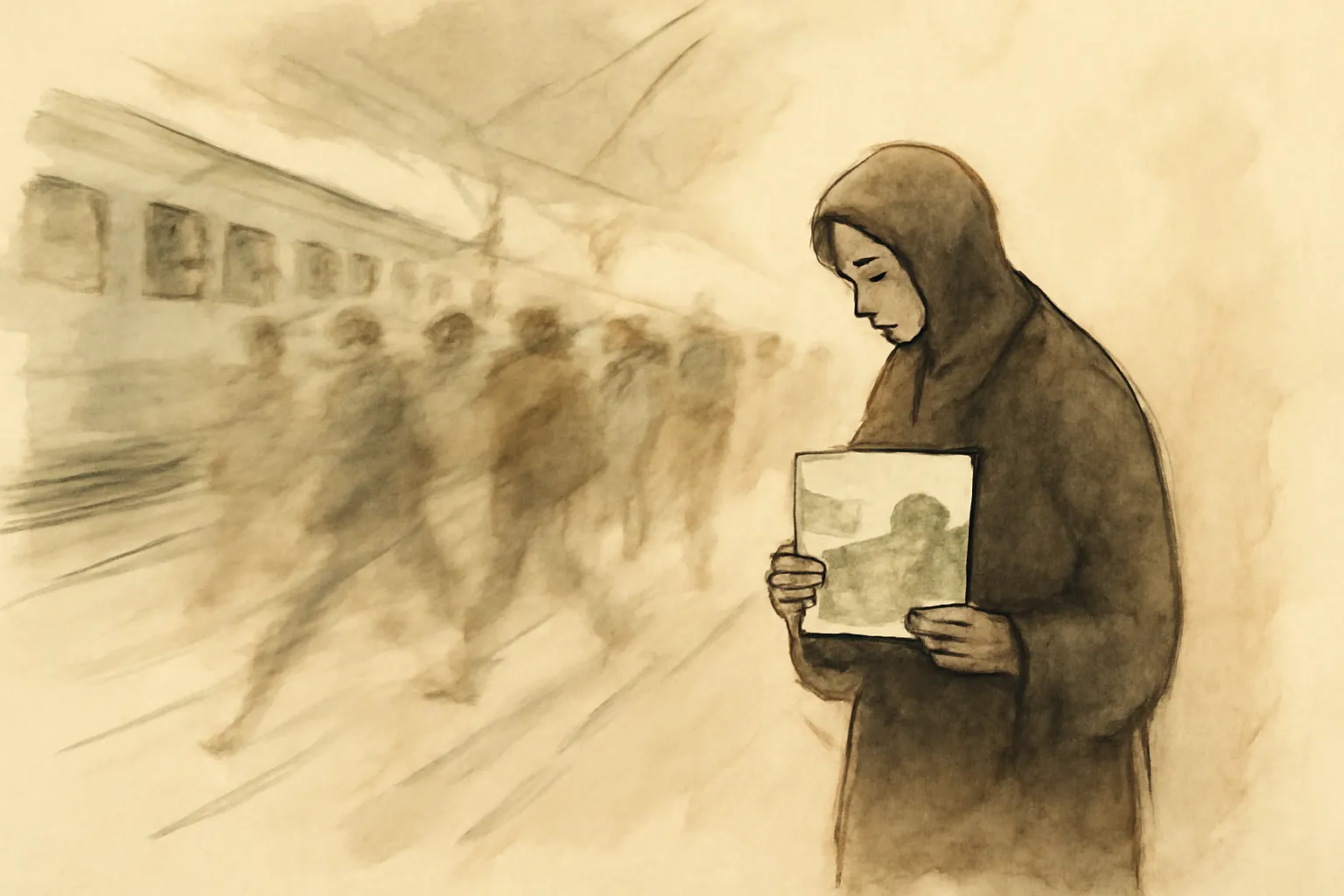
Lahiri’s stories probe the layered identities of her characters, who often straddle two cultures—Indian and American. Through everyday moments and subtle interactions, she reveals how cultural heritage, language, and memory shape self-understanding. Characters are frequently caught between the expectations of their origins and the realities of their adopted homes, leading to both internal and interpersonal conflict. This duality is not presented as a simple struggle but as a nuanced, ongoing negotiation that defines much of their emotional lives.
A recurring theme is the sense of being an outsider—geographically, emotionally, or both. Whether it’s immigrants adjusting to a new country or those left behind in India, Lahiri’s characters experience longing for connection and a place to call home. The stories illustrate how displacement can be both physical and psychological, manifesting in loneliness, nostalgia, and the small rituals that anchor people to their roots.
“Still, there are times I am bewildered by each mile I have traveled, each meal I have eaten, each person I have known, each room in which I have slept.”
“The more I come to know of her, the more I realize I have never truly known my wife, at all.”