1.The Arrival of the Mysterious Stranger
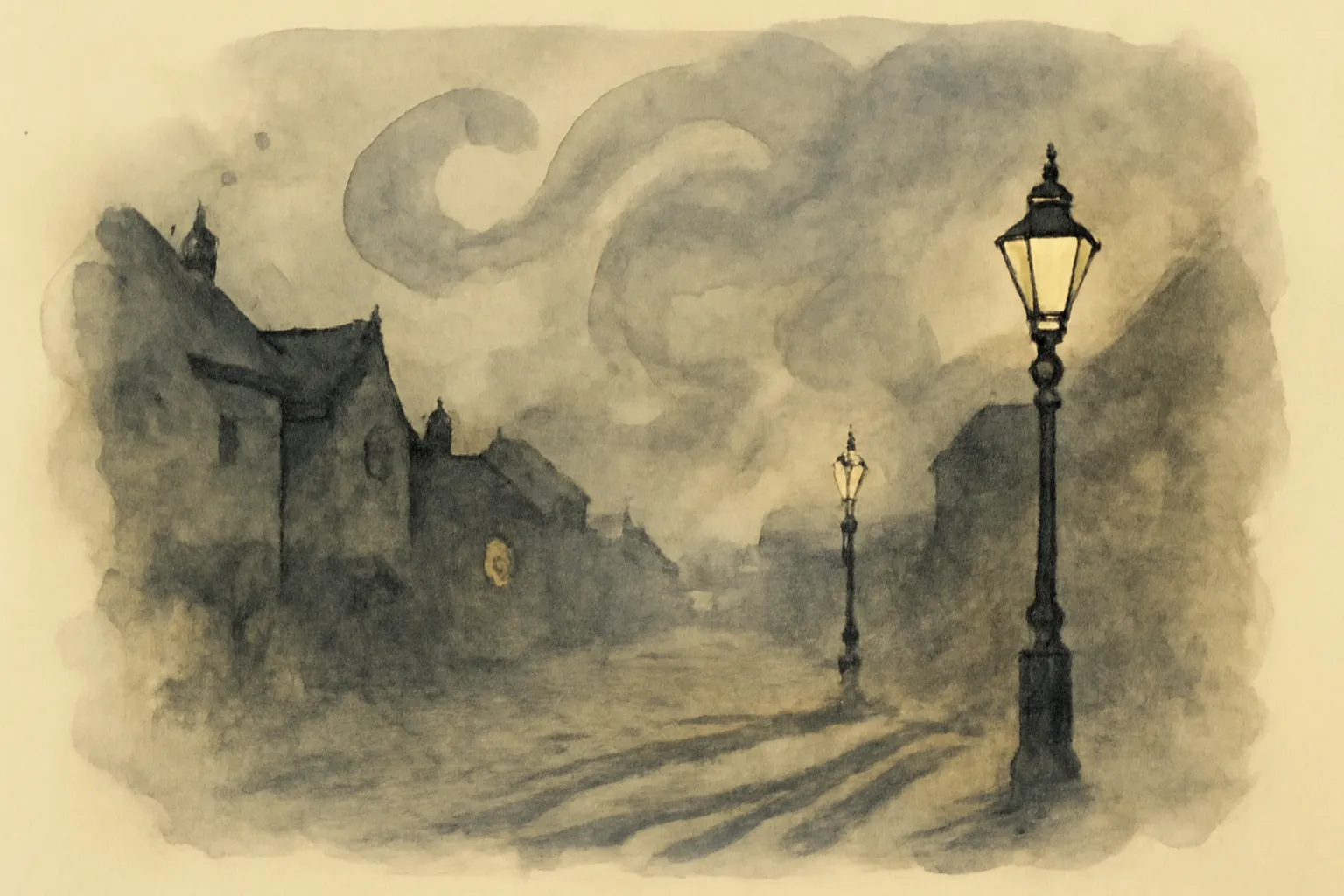
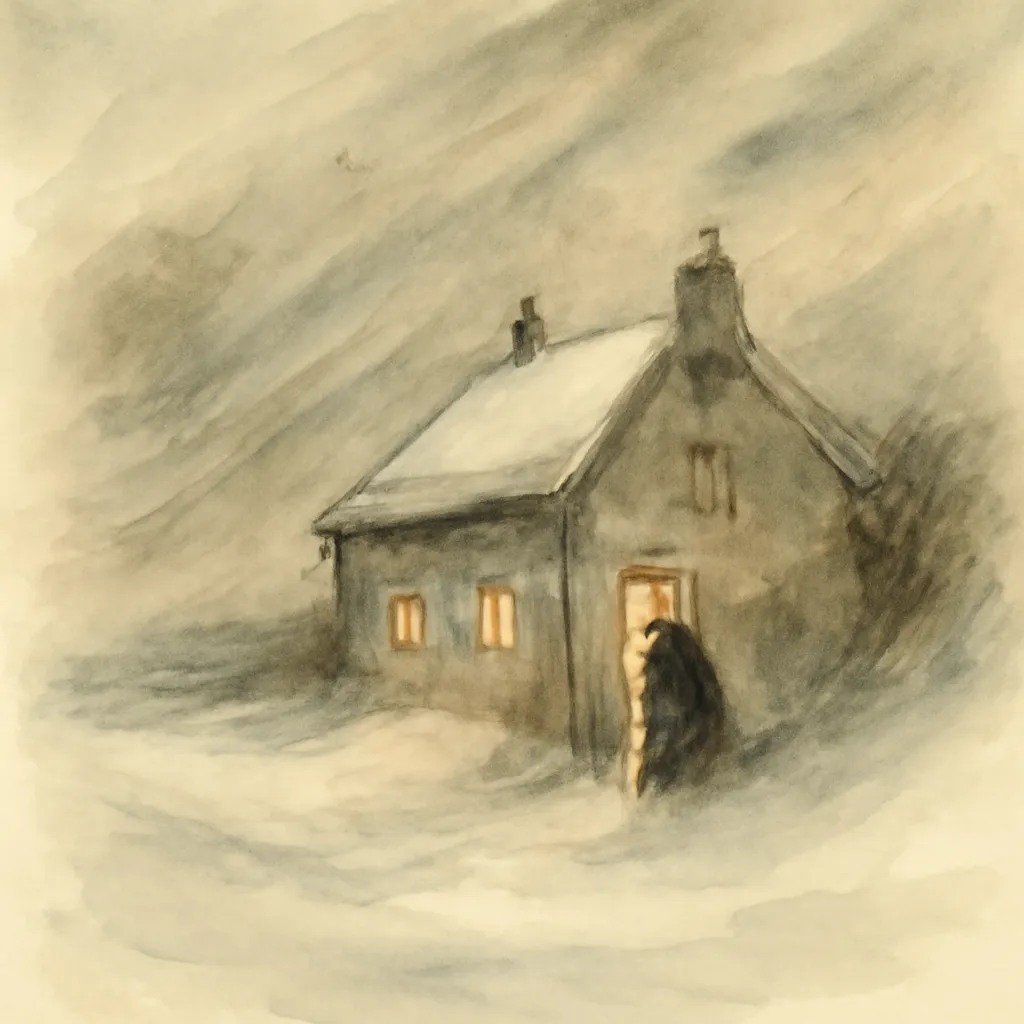
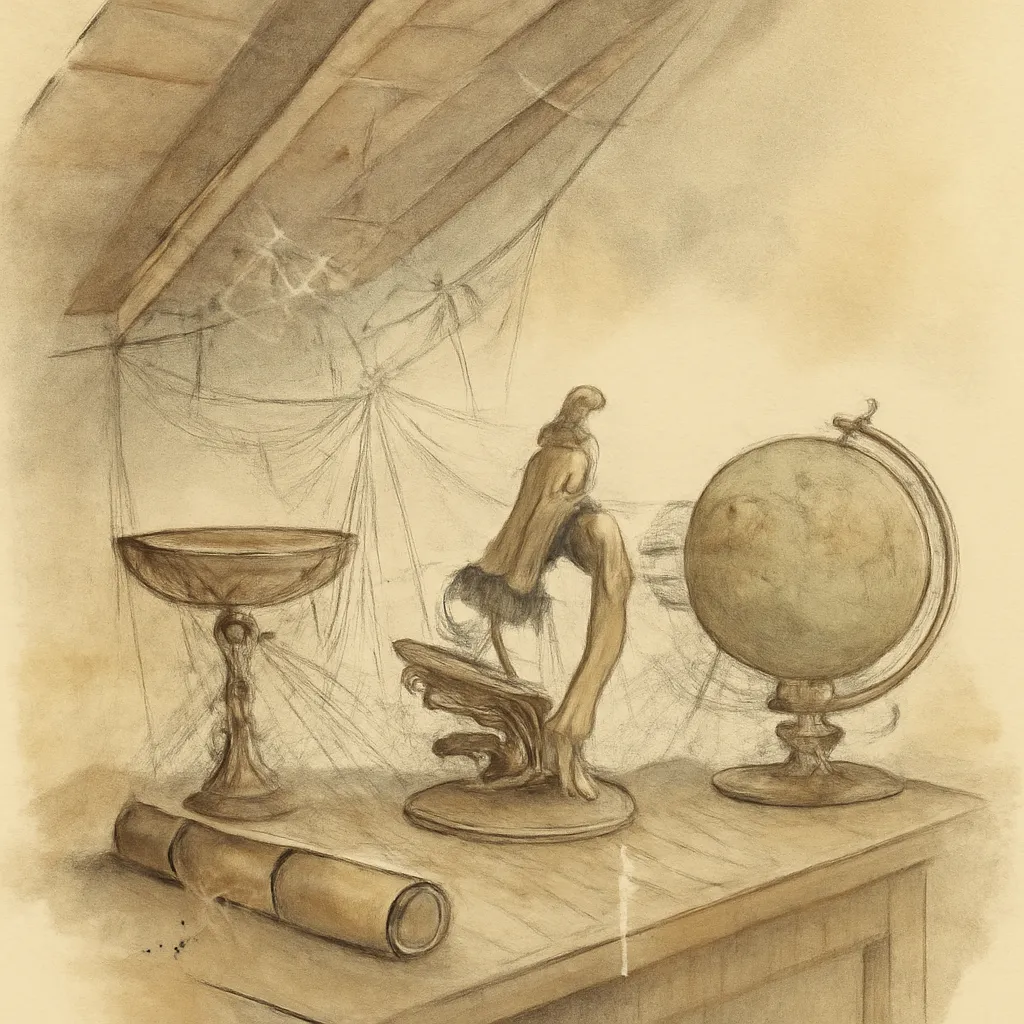
The story begins with the arrival of a cloaked stranger in the small village of Iping during a snowstorm. This stranger, later revealed to be Griffin, is initially treated with curiosity and hospitality by the locals, particularly Mrs. Hall, who runs the 'Coach and Horses' inn. However, his peculiar behavior and refusal to remove his bandages and clothing raise suspicions. The scene sets the tone for the novel, highlighting themes of isolation and the human tendency to fear what is not understood. Griffin's initial interactions with the villagers create an atmosphere of tension and intrigue, foreshadowing the chaos his presence will eventually unleash.
2.The Nature of Invisibility
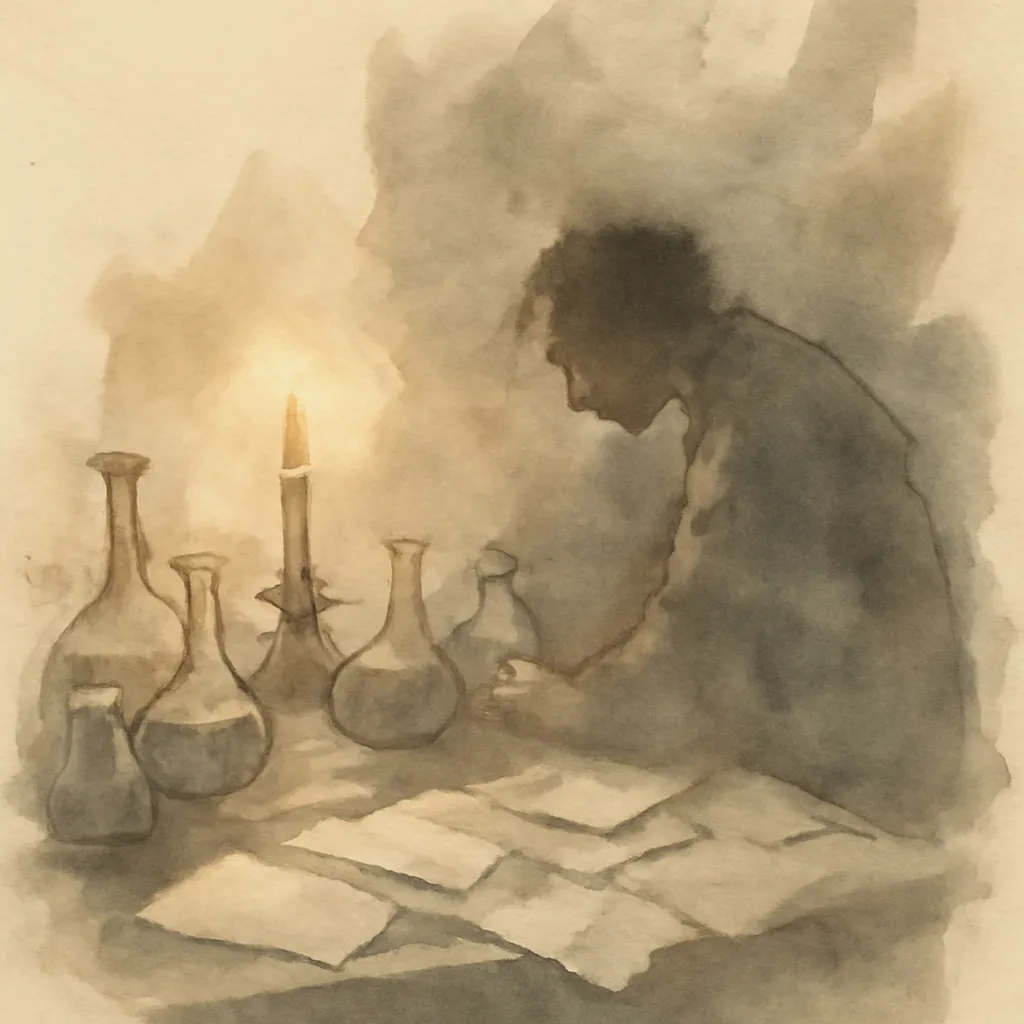
Griffin's journey into invisibility is not merely a physical transformation but a metaphorical one that explores the consequences of absolute power. As he delves deeper into his experiments, the reader witnesses how invisibility alienates him from humanity. This transformation reflects a broader commentary on the dangers of scientific ambition unchecked by ethical considerations. Wells emphasizes that invisibility, while offering freedom from societal constraints, ultimately leads to Griffin's moral decay and isolation. The novel suggests that the pursuit of knowledge can lead to a loss of humanity, as Griffin becomes increasingly detached from the world around him.
3.The Burglary and Its Aftermath
A pivotal moment occurs when Griffin commits a burglary at the vicarage, which highlights his descent into criminality fueled by desperation. The act of theft not only serves as a plot device but also symbolizes Griffin's moral decline as he resorts to violence to sustain his experiments. This incident marks a turning point in the narrative, as the villagers' perception of Griffin shifts from curiosity to fear and hostility. The burglary illustrates the theme of societal breakdown in the face of individual madness, as the community grapples with the implications of Griffin's actions. It serves as a reminder of the potential for chaos when one individual’s desires go unchecked.
4.The Invisible Man's True Nature
As Griffin's story unfolds, it becomes evident that his invisibility is a double-edged sword. While it grants him the ability to escape societal norms, it also reveals his inherent flaws. Griffin's growing paranoia and violent tendencies showcase the darker aspects of his character, suggesting that the power of invisibility amplifies his worst traits rather than liberating him. This aspect of his personality raises questions about the true nature of humanity—whether it is the circumstances or the individual that dictates moral behavior. Wells uses Griffin's transformation to explore the fragility of civility, illustrating how quickly one can descend into savagery when stripped of societal constraints.
5.Isolation as a Catalyst for Madness
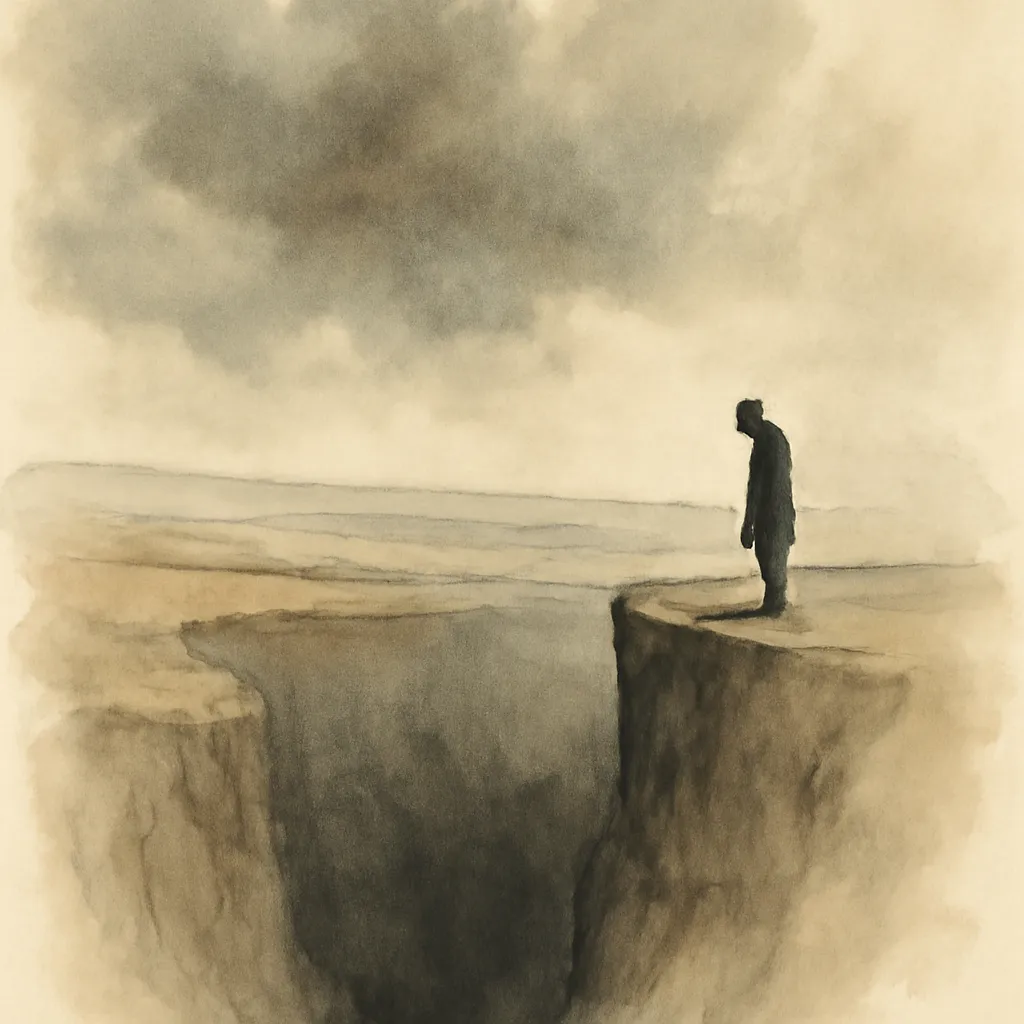
Griffin’s increasing isolation becomes a critical theme in the novel. As he distances himself from the villagers and society at large, his mental state deteriorates. Wells poignantly illustrates how loneliness exacerbates Griffin’s paranoia and leads to violent outbursts. This theme resonates with the reader, as it reflects a universal truth about the human condition: isolation can warp perception and drive individuals to madness. Griffin's tragic fate serves as a cautionary tale about the importance of community and the dangers of alienation. The narrative invites readers to consider the psychological implications of being unseen and unheard in a world that often prioritizes visibility.
6.The Role of Science in Society
Wells critiques the role of science and its ethical implications through Griffin's experiments. The narrative poses significant questions about the responsibility of scientists to consider the societal consequences of their discoveries. Griffin's ambition blinds him to the moral ramifications of his work, ultimately leading to his downfall. Wells suggests that the pursuit of knowledge must be tempered with ethical considerations, and that unchecked ambition can result in catastrophic outcomes. This theme remains relevant today, as contemporary society grapples with the ethical dilemmas posed by advancements in technology and science. The novel serves as a reminder of the delicate balance between scientific progress and moral responsibility.
7.The Impact of Fear and Paranoia
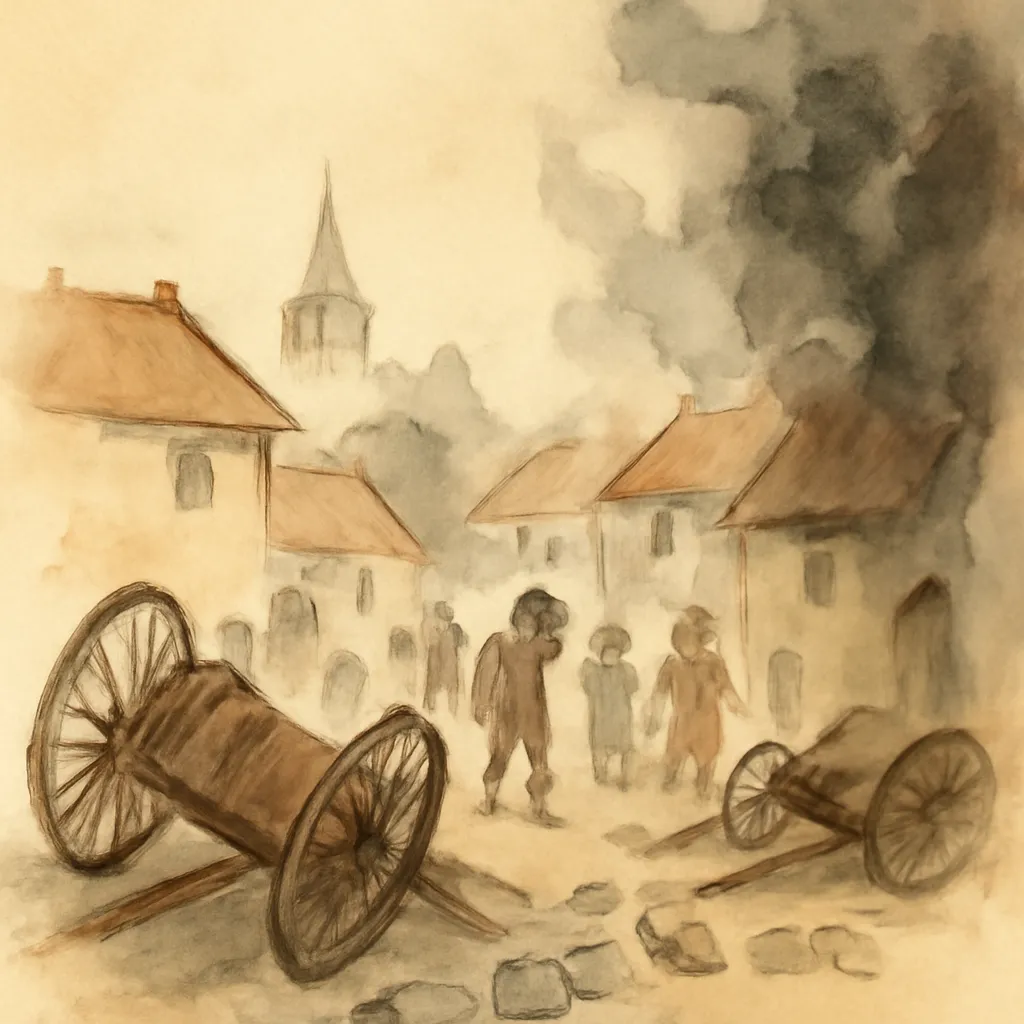
As Griffin wreaks havoc in Iping, the villagers' fear escalates, illustrating how paranoia can spread and affect a community. The invisible threat forces the villagers to confront their own vulnerabilities and the fragility of their social order. Wells uses this fear to explore the theme of mob mentality, as the community unites against a common enemy—Griffin. This collective fear leads to irrational behavior and violence, underscoring the dangers of allowing fear to dictate actions. The narrative highlights how fear can distort perceptions and lead to the breakdown of societal norms, ultimately resulting in chaos and destruction.
8.Dr. Kemp: The Voice of Reason
Dr. Kemp, a former acquaintance of Griffin, emerges as a crucial character who embodies reason and morality amidst the chaos. He attempts to understand Griffin's plight and seeks to find a solution to the madness that has enveloped Iping. Kemp’s character offers a contrasting perspective to Griffin's reckless ambition, emphasizing the importance of rational thought and empathy. Through Kemp, Wells suggests that understanding and compassion are essential in addressing the consequences of unchecked ambition. The relationship between Kemp and Griffin serves as a microcosm of the broader struggle between reason and madness in the narrative.
9.The Climax: A Battle of Wits
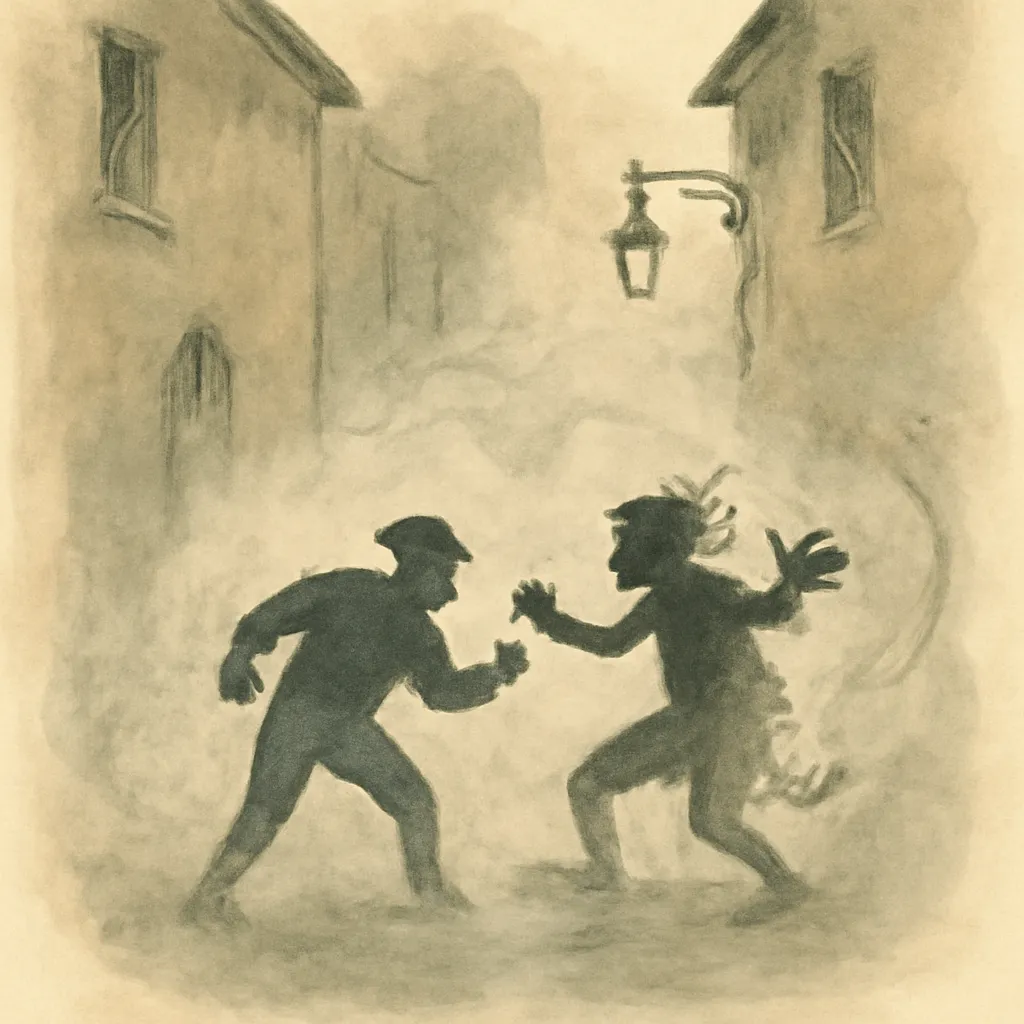
The tension reaches its peak as Kemp and Griffin confront each other, culminating in a battle of wits. Kemp's attempts to reason with Griffin highlight the futility of trying to contain a man consumed by his own delusions of grandeur. This confrontation underscores the tragic inevitability of Griffin's fate, as he is unable to escape the consequences of his actions. The climax serves as a poignant reminder of the destructive nature of unchecked ambition and the human capacity for self-destruction. Wells crafts a narrative that reflects the timeless struggle between individual desires and the moral obligations we hold to ourselves and others.
10.The Tragic Downfall
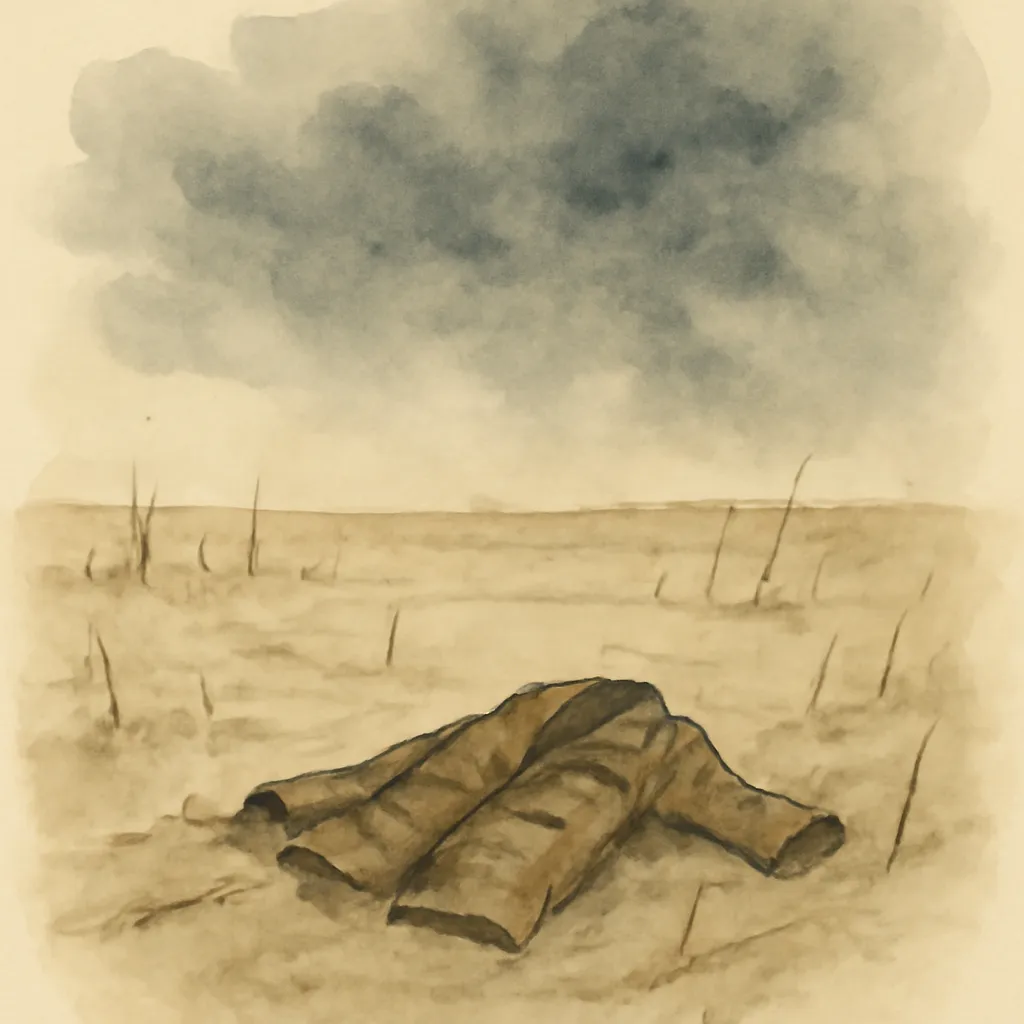
Griffin's eventual demise serves as a somber conclusion to the narrative, illustrating the ultimate consequences of his hubris and isolation. As he is hunted down by the villagers, Griffin's tragic fate evokes a sense of pity, despite his violent actions. Wells masterfully portrays the complexities of Griffin's character, leaving readers to grapple with their own feelings of empathy and revulsion. The resolution of the story emphasizes the importance of community, understanding, and the dangers of allowing ambition to overshadow humanity. Griffin's downfall serves as a cautionary tale about the perils of isolation and the dark side of human nature, urging readers to reflect on their own values and choices.