1.The Weight of Expectations

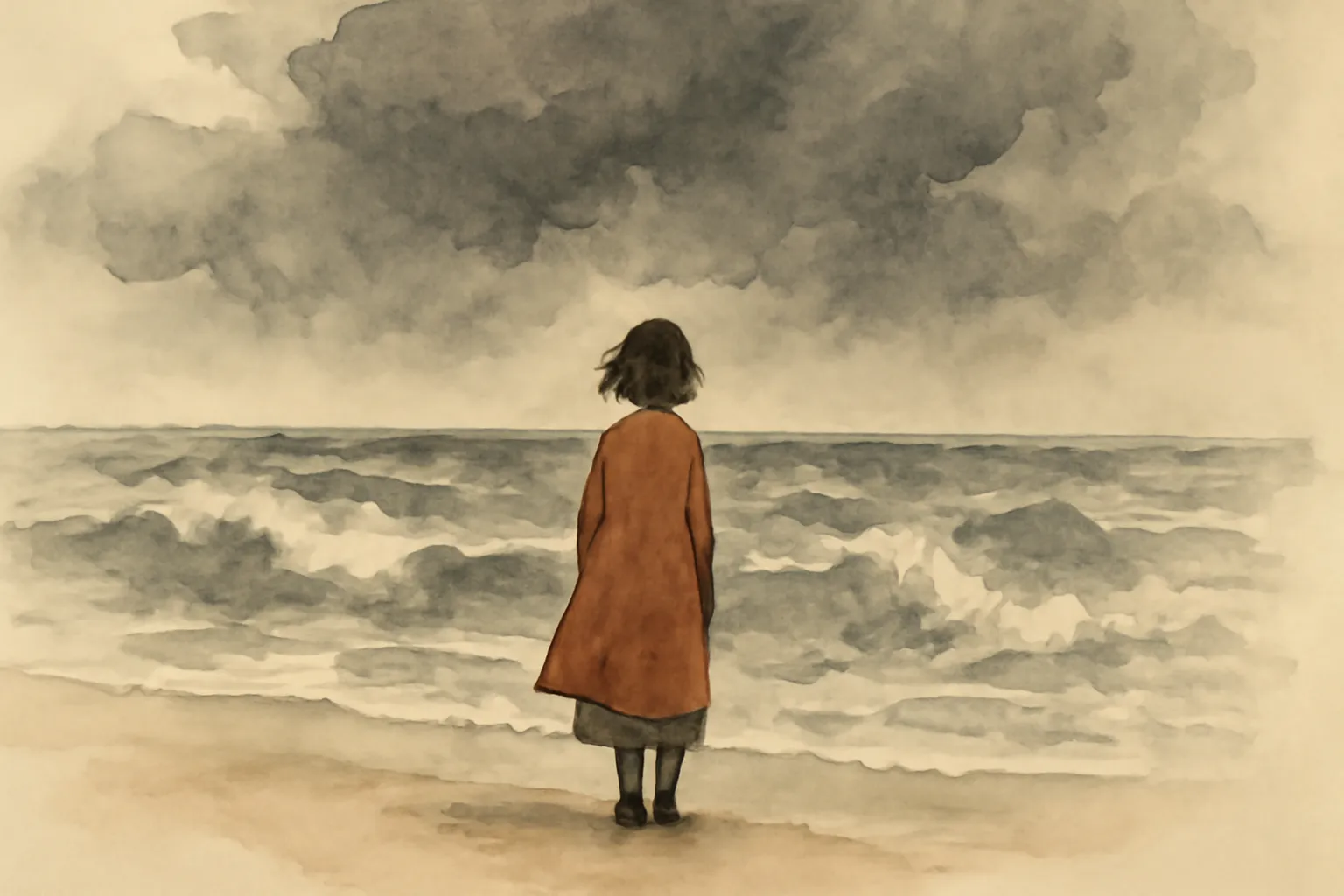
From the very beginning, 'Irene Iddesleigh' establishes the heavy burden of societal expectations that Irene faces. As she strolls along the beach, she reflects on the nature of sympathy and how it can often be a source of pain rather than comfort. This notion encapsulates the idea that societal pressures can suffocate individual desires. The grandeur of Dunfern Mansion symbolizes not only wealth but also the stifling constraints of tradition. Sir John Dunfern, as the heir to this estate, embodies the expectations of a bachelor who must eventually marry to preserve his lineage. Irene's internal conflict arises from her longing for personal freedom and her struggle against the roles assigned to her by society. The manor's locked rooms serve as metaphors for Irene’s own confinement, barriers against her dreams that remain hidden behind the veneer of respectability. This theme of expectation highlights the limitations placed on women in the 19th century, a reflection of the societal norms that dictate their worth based on marital status and family connections.
2.The Allure of Romance

Romance serves as a double-edged sword in the narrative, enticing characters like Sir John and Irene into a web of affection and longing. Sir John's visits to Dilworth Castle, where Irene resides, mark a turning point in their relationship, transforming a mere acquaintance into a profound emotional connection. The enchanting atmosphere of the castle, coupled with Irene's beauty and charm, creates an intoxicating allure for Sir John. However, this romance is clouded by the looming specter of societal norms and expectations. As Sir John grapples with his bachelorhood and the pressure to marry, the reader witnesses how love can be both a source of joy and a catalyst for despair, especially when it clashes with the demands of family and tradition. The romance is amplified by the contrast between the cozy domesticity of the castle and the oppressive grandeur of Dunfern Mansion. Sir John’s affection for Irene flourishes within the castle, while the confines of his own estate represent the very burdens he aims to escape through love. The tension between romantic idealism and harsh reality forms a compelling dynamic, underscoring the challenges that love must navigate within societal confines.
3.The Complexity of Love

The novel intricately explores the multifaceted nature of love, particularly through Irene's relationships with both Sir John and Oscar Otwell. While Sir John represents the conventional path of marriage and societal acceptance, Oscar embodies the passionate and forbidden love that Irene yearns for. This tension is palpable as Irene reflects on her feelings for Oscar, whom she loved as a tutor and a confidant. The contrast between the two men highlights the struggle between duty and desire, as Irene must navigate her emotions in a society that often prioritizes status over genuine affection. The complexity of love is further illustrated when Irene's affection for Oscar stirs feelings of jealousy and resentment in Sir John, leading to misunderstandings that ripple through their interactions. Each character's love is layered with past experiences and future aspirations, resulting in a rich tapestry of emotions that readers can connect with. The novel demonstrates that love is not merely a singular experience but a complex interplay of emotions, desires, and societal pressures that can elevate or devastate one's life.
4.The Illusion of Freedom

Irene's desire for freedom is a recurring theme throughout the novel, yet it is often thwarted by the very structures meant to protect her. As she prepares for her marriage to Sir John, she grapples with feelings of entrapment and disillusionment. The line 'Only seven days more shall see my own darling Os' reveals her longing for a different life, one where her choices are not dictated by societal expectations. This yearning for freedom contrasts sharply with her reality, where she feels bound to a man she does not love. Her dreams of liberation are symbolized by her childhood memories of the lake and the summer-house where she once found solace. These memories serve as a stark reminder of the life of independence she craves but cannot attain. The irony of her situation underscores the notion that true freedom is often an illusion, especially for women in her position, who are forced to navigate a world dominated by male authority and societal norms. This conflict between desire and reality deepens the tragic undertones of Irene's story, as her quest for autonomy becomes increasingly elusive.
5.The Role of Gossip
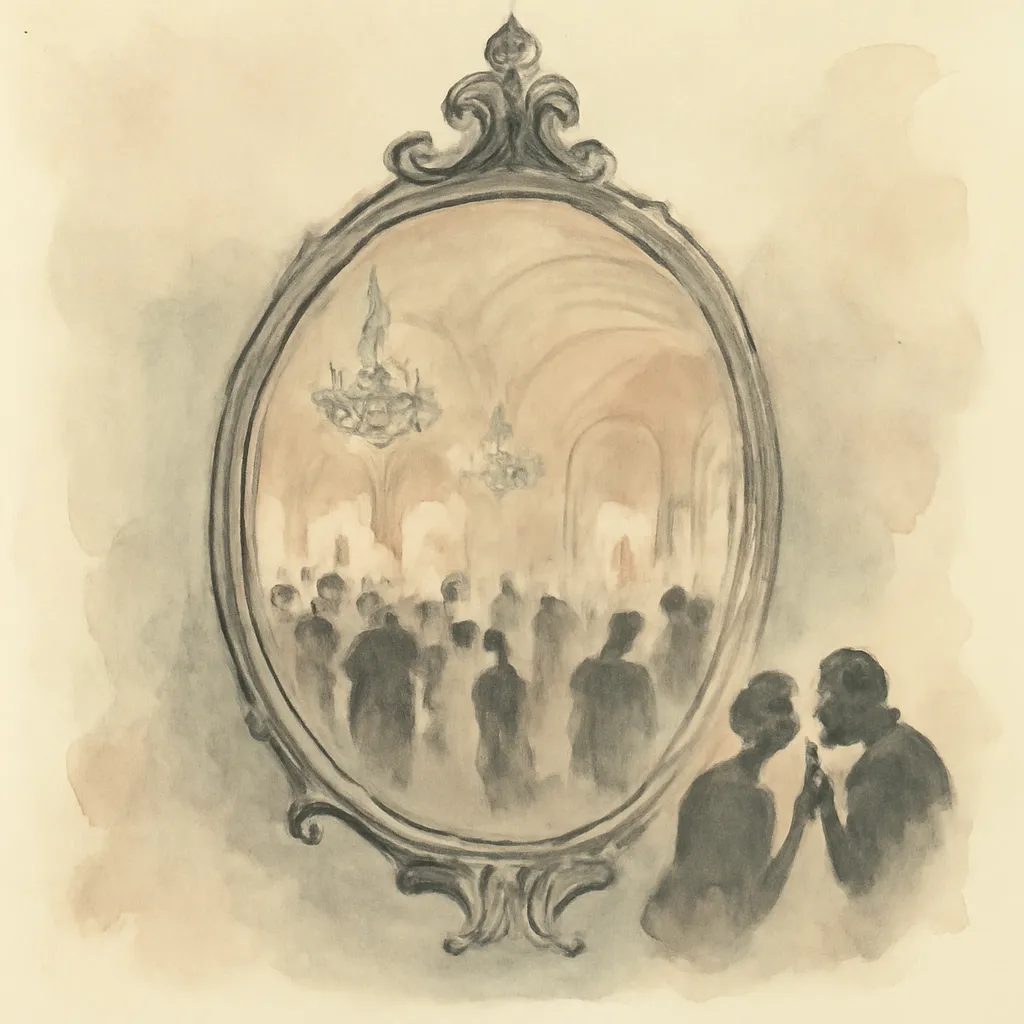
Gossip plays a significant role in shaping the characters' lives in 'Irene Iddesleigh.' The mansion's grandeur is juxtaposed with the whispers and rumors that circulate among its inhabitants. The locked rooms within Dunfern Mansion symbolize the secrets and hidden truths that lie beneath its opulent surface. Gossip not only shapes public perception but also influences personal relationships, as characters must confront the judgments and assumptions of those around them. Irene's struggle against the weight of gossip illustrates the broader societal tendency to scrutinize and judge individuals based on their choices and circumstances. The pervasive nature of gossip becomes a reflection of the characters' deepest fears and insecurities, particularly as they navigate their relationships. This theme resonates throughout the narrative, highlighting how the fear of public opinion can stifle personal freedom and happiness. Characters like Lady Dilworth and Rachel Hyde become conduits for gossip, wielding power over others through their words and judgments. Ultimately, the novel suggests that in a world driven by gossip, the truth can easily become obscured, leaving characters to grapple with the consequences of both their actions and the perceptions of others.
6.Betrayal and Its Consequences

Betrayal emerges as a central theme in the story, particularly in the context of Irene's relationships. As she navigates her feelings for both Sir John and Oscar, the potential for betrayal looms large. Sir John's discovery of Irene's past correspondence with Oscar serves as a pivotal moment in the narrative, shattering the illusion of their romantic bliss. His reaction to the evidence of her lingering affection for another man reveals the fragility of trust in relationships. The consequences of betrayal ripple through the characters' lives, leading to heartbreak and disillusionment. This exploration of betrayal underscores the complexities of love and loyalty, as characters grapple with the repercussions of their actions and the choices they make. The novel illustrates that betrayal can manifest in various forms, from emotional infidelity to societal pressures that drive individuals apart. The fallout from these betrayals reveals the vulnerabilities of each character, highlighting the delicate balance between love and betrayal that often defines their interactions.
7.The Search for Identity

Irene's journey is also a quest for identity, as she grapples with her past and the societal roles imposed upon her. The mystery surrounding her parentage adds an intriguing layer to her character, as she seeks to understand her place in a world that often defines individuals by their lineage. As she reflects on her childhood and the love she felt for Oscar, Irene confronts the reality of her circumstances. This search for identity is not only personal but also societal, as she navigates the expectations placed upon her as a woman in a patriarchal society. The struggle to forge her own identity amid the constraints of her environment is a powerful theme that resonates throughout the narrative. Irene’s internal conflicts reveal her desire to break free from the identities assigned to her and to assert her individuality. This quest for identity becomes a driving force in her life, propelling her to question the norms and expectations that seek to define her. The novel ultimately posits that the journey toward self-discovery is fraught with challenges yet essential for personal fulfillment.
8.The Tragedy of Isolation

Isolation manifests as a tragic consequence of the characters' choices and circumstances. Irene's marriage to Sir John becomes a source of emotional isolation, as she finds herself trapped in a life devoid of love and passion. The once-vibrant atmosphere of Dilworth Castle transforms into a prison of her own making, where her dreams and desires are suffocated. This theme of isolation is further emphasized by Irene's inability to communicate her true feelings to those around her, leading to misunderstandings and heartache. The tragedy of isolation serves as a poignant reminder of the human need for connection and the devastating effects of emotional distance. The novel illustrates how even in the presence of others, one can feel profoundly alone, unable to bridge the gap between self and society. Irene’s isolation deepens after her marriage as she grapples with the expectations of being a dutiful wife while harboring unfulfilled desires. This isolation not only affects her mental well-being but also impacts her relationships, creating a cycle of loneliness that is difficult to escape.
9.The Power of Resilience

Despite the overwhelming challenges and heartbreak, 'Irene Iddesleigh' ultimately highlights the power of resilience in the face of adversity. Irene's journey is marked by her ability to endure and navigate the complexities of her circumstances, even as she grapples with feelings of despair and entrapment. Her determination to seek happiness, despite the obstacles in her path, reflects a broader message about the strength of the human spirit. As she confronts the consequences of her choices, Irene's resilience becomes a testament to her character and her unwavering desire for a life filled with love and fulfillment. This theme of resilience resonates deeply, reminding readers of the importance of perseverance in the pursuit of one's dreams. Irene's journey illustrates that while the path may be fraught with difficulties, the human capacity to adapt and strive for a better future is a fundamental aspect of the human experience. This resilience is also mirrored in Sir John's character, as he too grapples with the weight of expectations and the pursuit of personal happiness, illustrating that the struggle for fulfillment is a universal theme.
10.The Legacy of Choices

The novel culminates in a powerful exploration of the legacy left by choices made throughout life. As Irene's story unfolds, the impact of her decisions reverberates through her relationships and ultimately shapes her destiny. The tragic outcome of her marriage to Sir John and her unresolved feelings for Oscar serve as stark reminders of the weight of choices. The legacy of these decisions extends beyond the individual, affecting future generations and the way they navigate their own lives. This theme underscores the idea that choices are not made in isolation; they have far-reaching consequences that can alter the course of history. The legacy of choices serves as a cautionary tale, urging readers to consider the implications of their actions and the paths they choose to follow. The narrative invites reflection on how personal choices can ripple through time, influencing not only the individuals involved but also the lives of those who come after them. This exploration of legacy positions the characters' journeys within a broader context of human experience, emphasizing the interconnectedness of lives and the ripple effects of individual decisions.