1.The Mechanics of Totalitarian Takeover
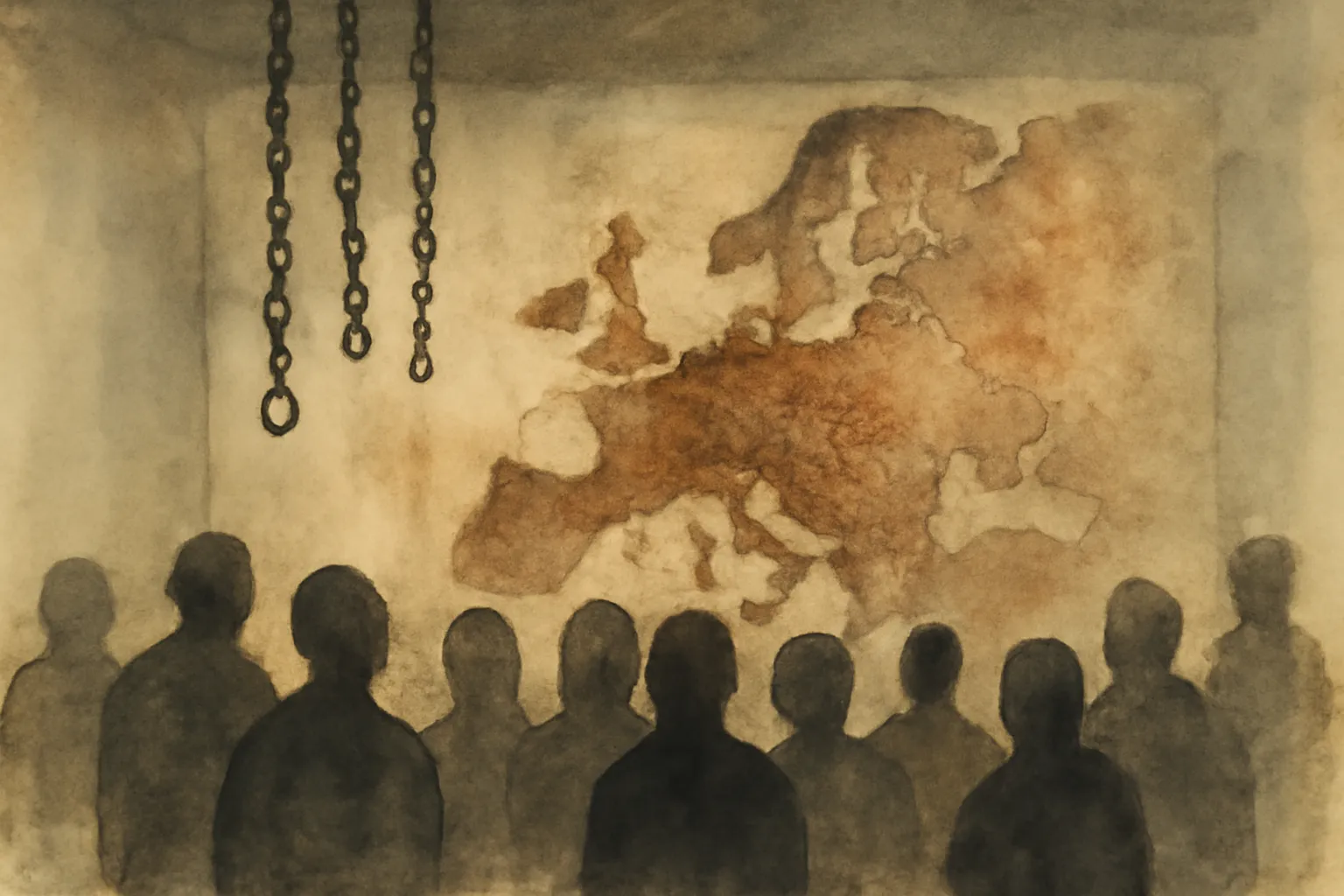
Applebaum meticulously details the step-by-step process by which the Soviet Union established control over Eastern European countries. This was not a sudden, monolithic imposition, but a calculated, multi-pronged campaign involving propaganda, manipulation of local institutions, infiltration of security services, and the systematic elimination of opposition. The book demonstrates how the Soviets adapted their tactics to local conditions, exploiting postwar chaos and uncertainty to gradually close off alternatives to communist rule.
2.Transformation of Civil Society
One of the book’s central themes is the deliberate destruction of civil society—churches, youth groups, charities, and independent organizations—that might have offered alternative sources of identity or resistance. Applebaum shows how the communist regimes sought not just to control politics, but to reshape society from the ground up, making individuals dependent on the state and suspicious of each other. This atomization was key to maintaining power.
3.The Role of Fear and Surveillance
Fear permeates the narrative, as Applebaum illustrates the omnipresence of secret police, informers, and arbitrary arrests. The threat of violence and constant surveillance created a climate of mistrust, where people were forced to weigh every word and gesture. The book explores how this atmosphere warped relationships, undermined solidarity, and induced a kind of moral paralysis in society.
4.Everyday Life Under Communism
Beyond political repression, Applebaum gives rich detail on the everyday experiences of ordinary people: shortages, censorship, and the drabness of life under a system that demanded conformity. Yet, she also highlights moments of adaptation, small resistances, and the ways people carved out spaces of meaning despite the regime’s efforts to control every aspect of existence.
5.The Limits of Indoctrination
Despite the regime’s efforts to impose a new ‘Soviet’ identity, Applebaum argues that genuine ideological conversion was rare. Many people outwardly conformed while privately maintaining skepticism or hostility. The book explores how propaganda and forced participation often bred cynicism rather than true belief, revealing the fragility and ultimately unsustainable nature of the system.
6.The Long Shadow of the Iron Curtain
Applebaum concludes by reflecting on the enduring psychological and social legacies of this period. The trauma, suspicion, and habits of mind shaped by these years did not disappear with the fall of communism, but continued to influence post-communist societies. Understanding this legacy is crucial for grasping the region’s contemporary challenges.