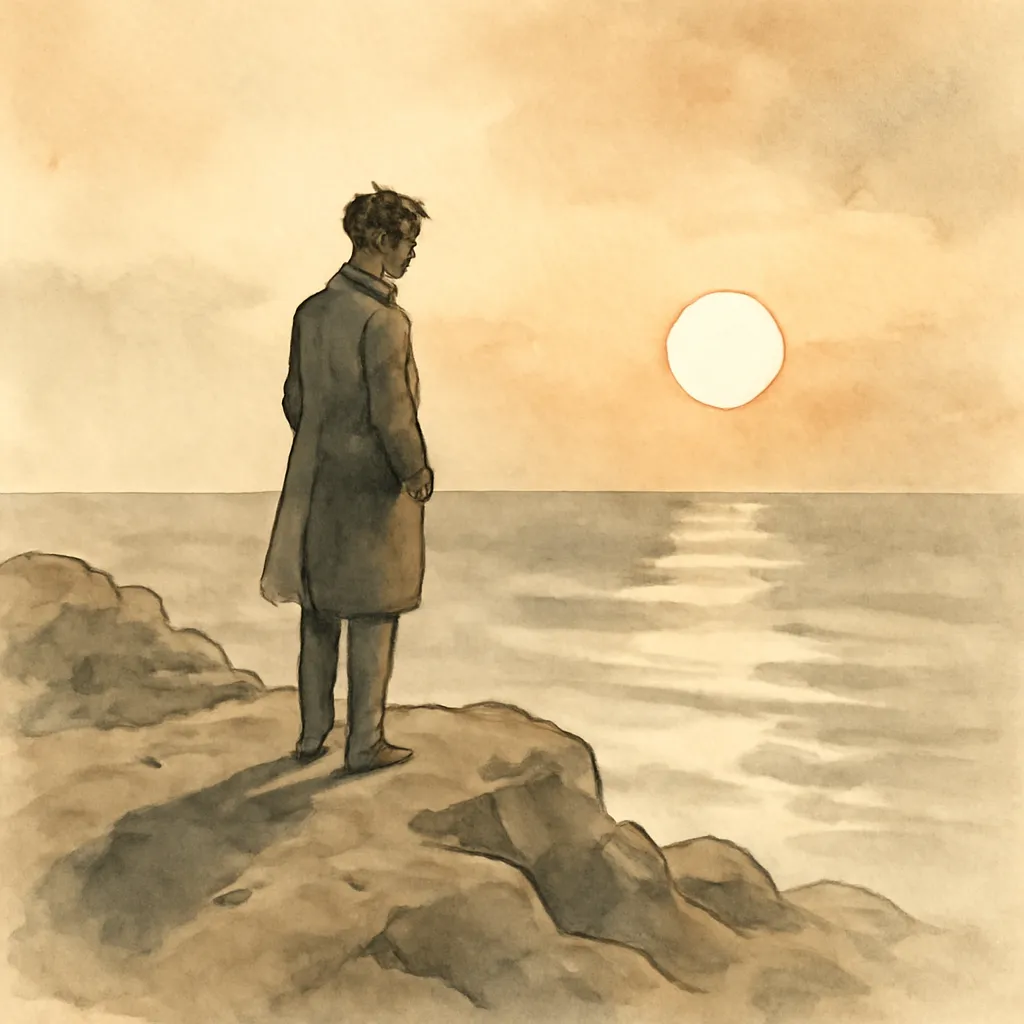
1.The Shipwreck and Its Aftermath
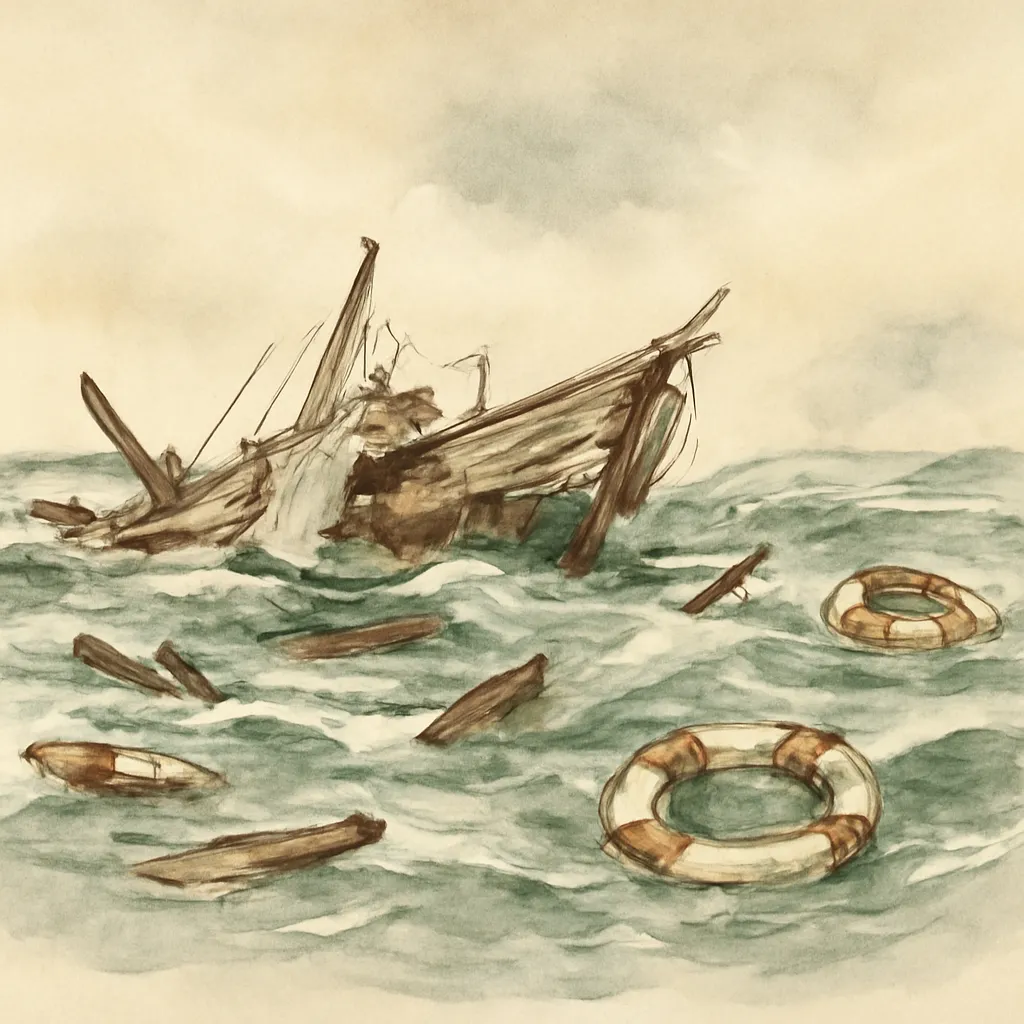
Edward Prendick's harrowing experience begins with the sinking of the Lady Vain, where he, along with two other men, survives a desperate struggle for survival at sea. After days of drifting and deprivation, he is rescued by a trader's ship, the Ipecacuanha, only to find himself in the company of an enigmatic and unsettling crew. This initial setting establishes themes of survival and human vulnerability, setting the stage for the moral quandaries he will face on the island. The shipwreck symbolizes the fragility of civilization, hinting at the descent into primal instincts that Prendick will soon witness. His physical and mental exhaustion foreshadows the challenges he will encounter, as he transitions from a passive survivor to an active participant in a strange and morally ambiguous world.
2.Doctor Moreau's Experiments
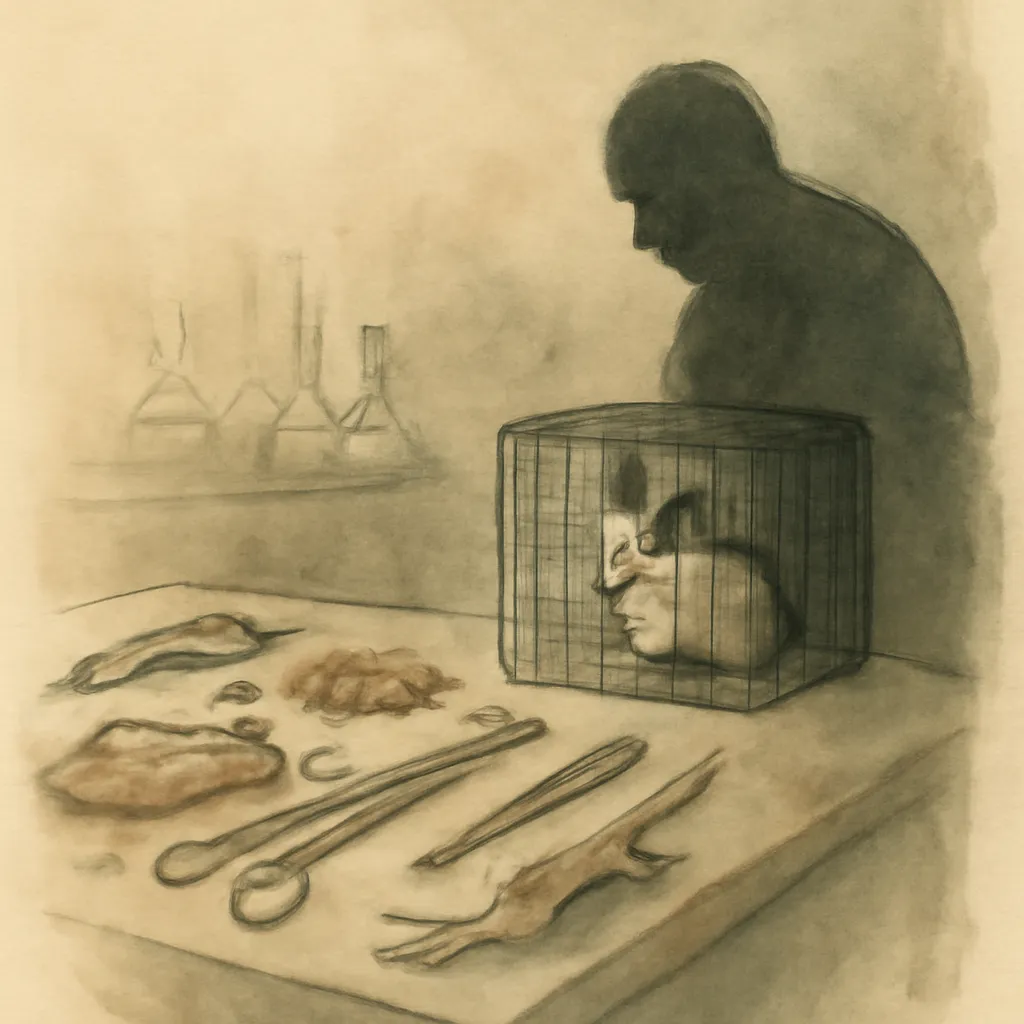
Upon arriving at the island, Prendick discovers that Doctor Moreau, a discredited scientist, is conducting horrific vivisection experiments on animals, attempting to transform them into human-like beings. Moreau's work raises critical ethical questions about the limits of scientific exploration and the moral implications of manipulating life. The creatures he creates, known as the Beast Folk, are a blend of human and animal traits, reflecting the grotesque outcomes of Moreau's ambition to defy natural order. This experimentation serves as a metaphor for the dangers of unchecked scientific authority, where the quest for knowledge can lead to inhumane practices. The stark contrast between Moreau's aspirations and the reality of his creations compels readers to consider the responsibility that comes with scientific advancement.
3.The Beast Folk: A Reflection of Humanity
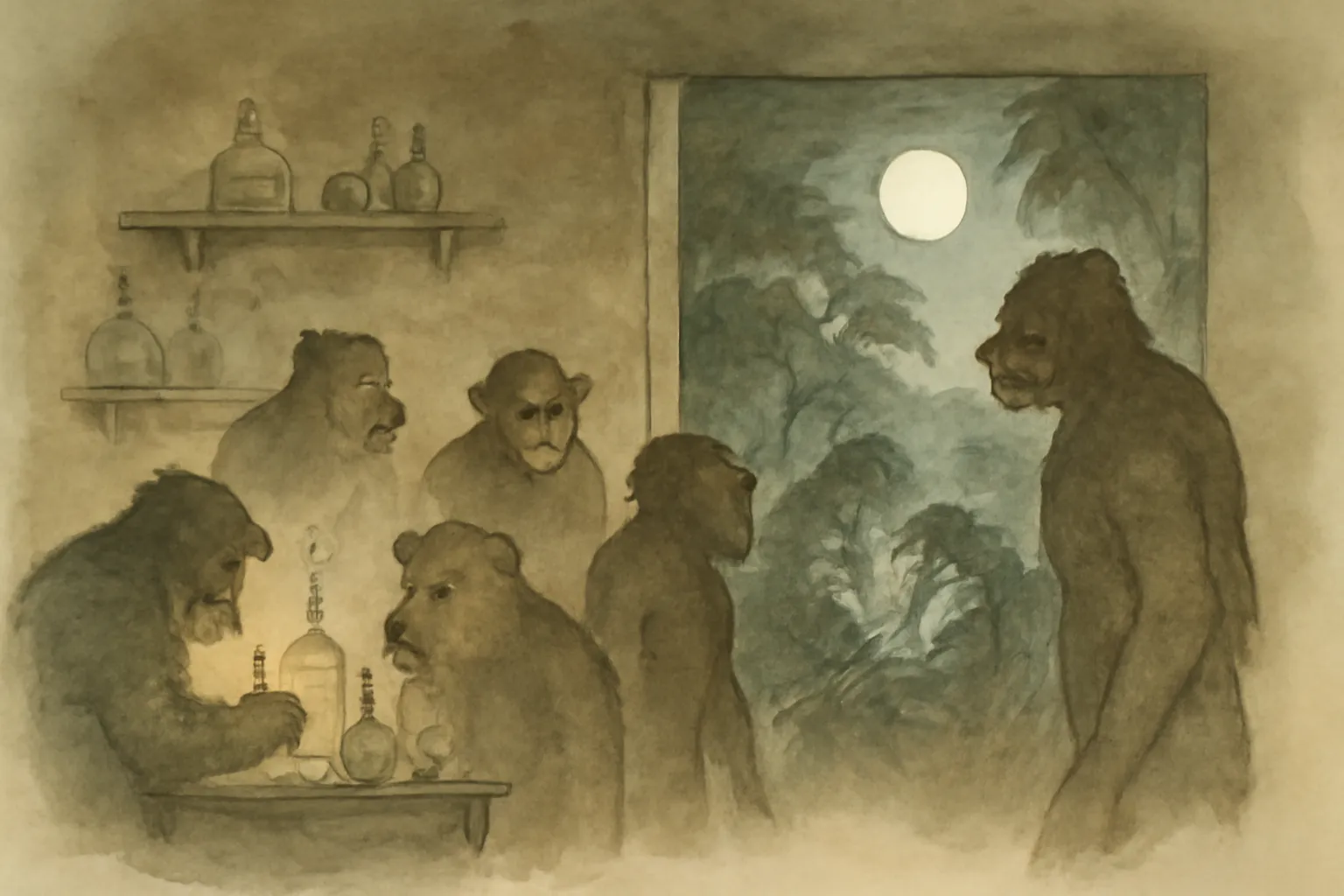
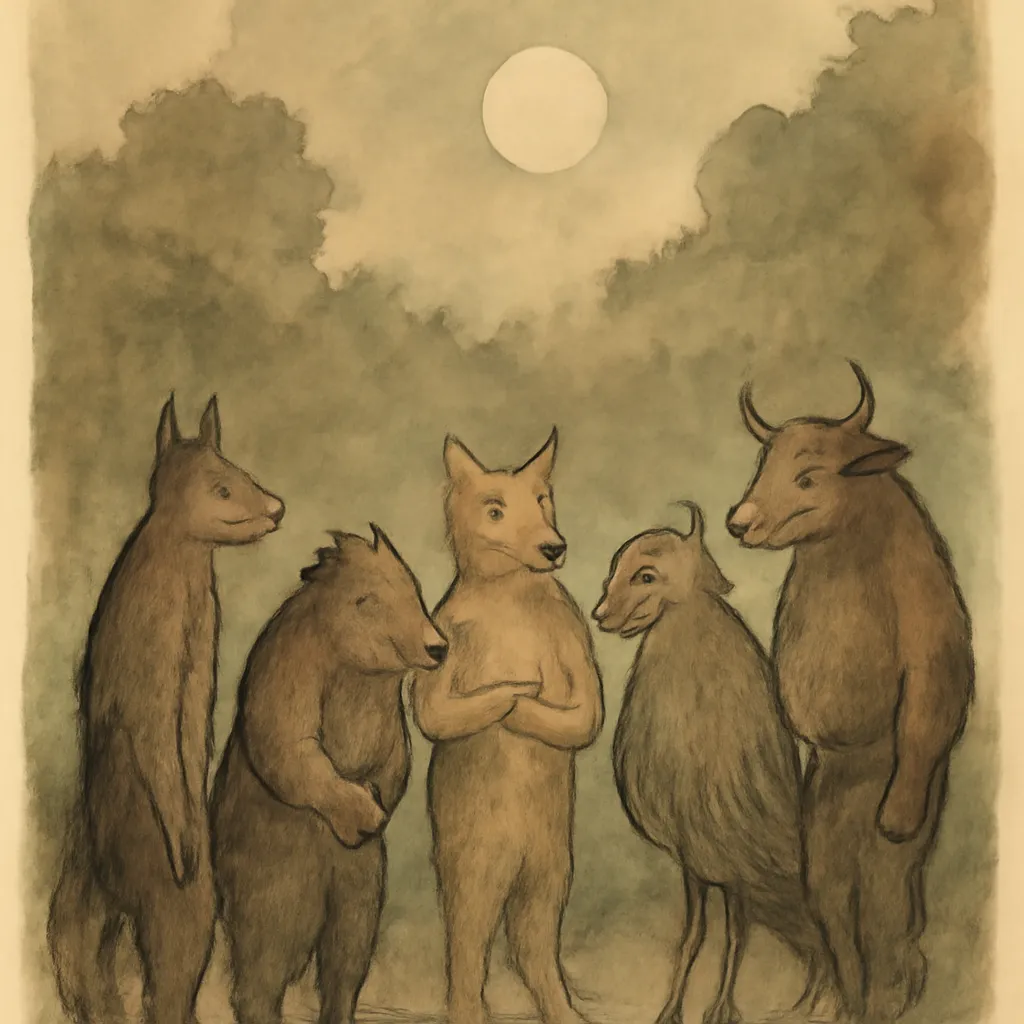
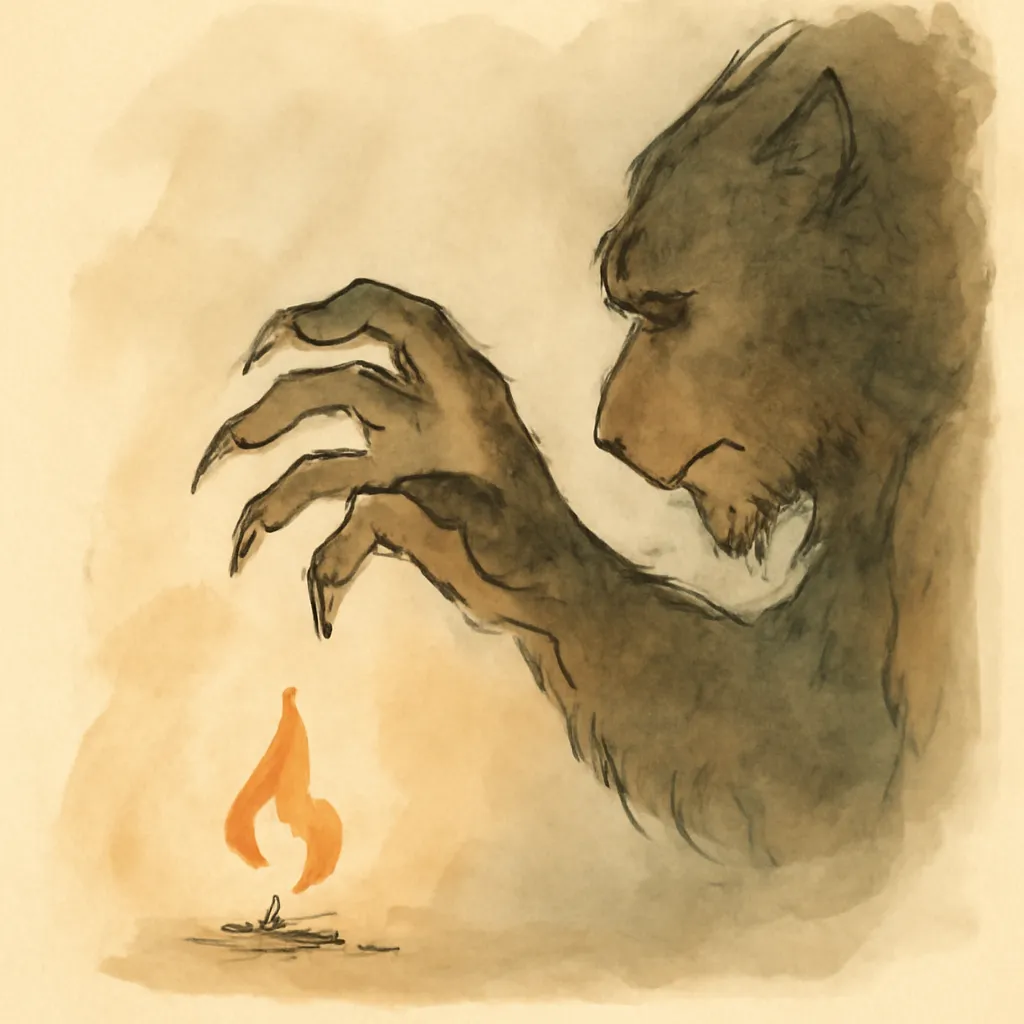
The Beast Folk, who are both pitiable and terrifying, embody the consequences of Moreau's experiments. They struggle with their animal instincts while attempting to adhere to the 'Law' instilled in them by Moreau, which dictates their behavior and suppresses their primal urges. This duality illustrates the conflict between civilization and savagery, forcing Prendick to confront what it truly means to be human. As he interacts with these creatures, he sees their struggles and fears, which mirror his own anxieties about identity and morality. The Beast Folk's existence challenges the notion of superiority often held by humans, suggesting that the line between man and beast is thinner than one might believe. Their tragic plight serves as a critique of societal norms and the arbitrary nature of what defines a 'civilized' being.
4.The Law of the Beast Folk
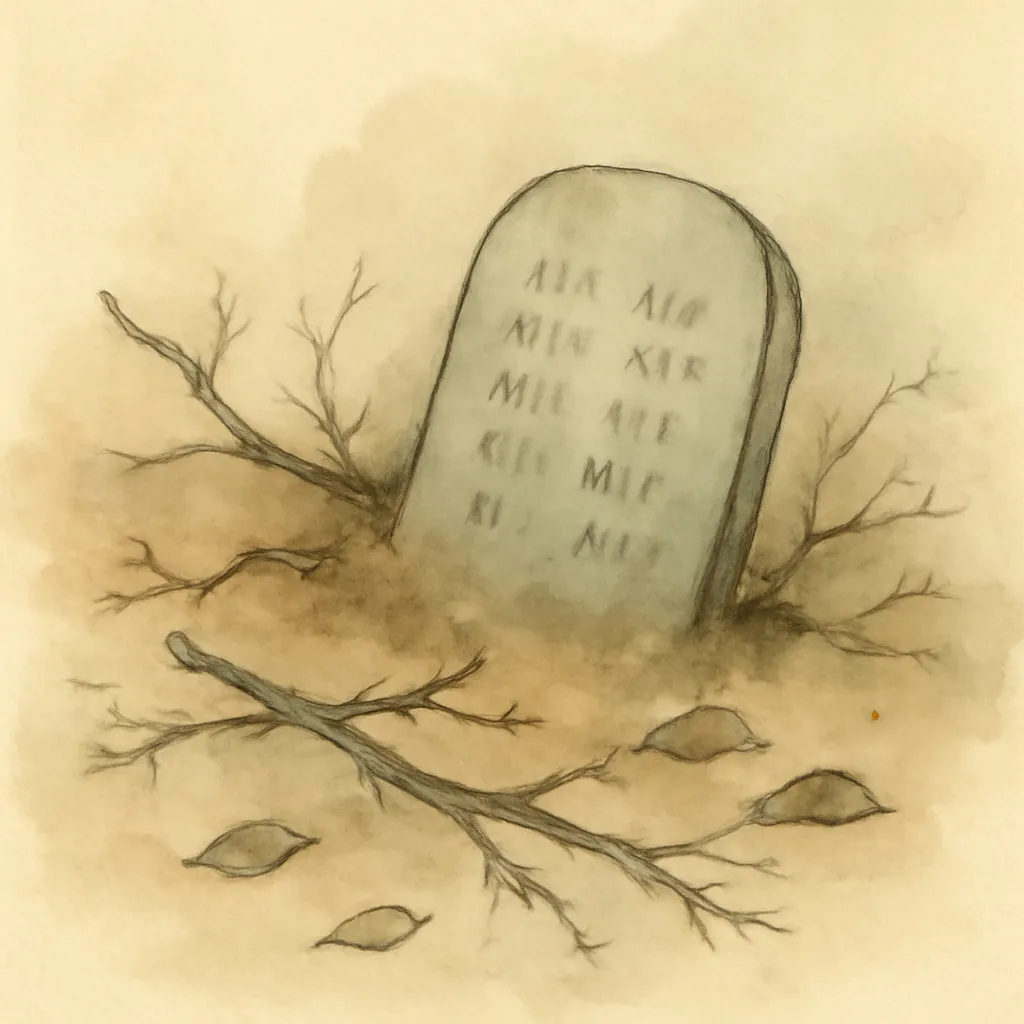
Moreau establishes a set of laws for the Beast Folk, which they are compelled to repeat and follow. However, as the story unfolds, it becomes clear that these laws are fragile constructs, easily broken by the latent animal instincts within the creatures. The recitation of the Law highlights the tension between the desire for order and the chaos of instinctual behavior. This dynamic illustrates the struggle between societal expectations and inherent nature, prompting readers to reflect on the complexities of moral and ethical frameworks. The Beast Folk's eventual rebellion against the Law underscores the limitations of artificial constructs in controlling behavior, suggesting that true humanity cannot be manufactured or imposed from outside. This rebellion serves as a powerful commentary on the nature of freedom and the inevitability of primal instincts.
5.Prendick's Moral Awakening
As Prendick witnesses the horrors of Moreau's experiments and the suffering of the Beast Folk, he undergoes a profound moral awakening. His initial horror gradually transforms into empathy as he realizes that these creatures, despite their grotesque forms, possess emotions and desires akin to those of humans. This awakening forces Prendick to confront his own prejudices and assumptions about humanity and animality. The narrative challenges readers to reconsider the nature of compassion and the ethical obligations humans have toward other sentient beings. Prendick's evolution from a passive observer to an active participant in the lives of the Beast Folk illustrates the transformative power of empathy, urging readers to recognize the shared experiences of suffering across species. His journey reflects the broader philosophical questions about the essence of humanity and the responsibilities that come with it.
6.The Role of Fear and Power
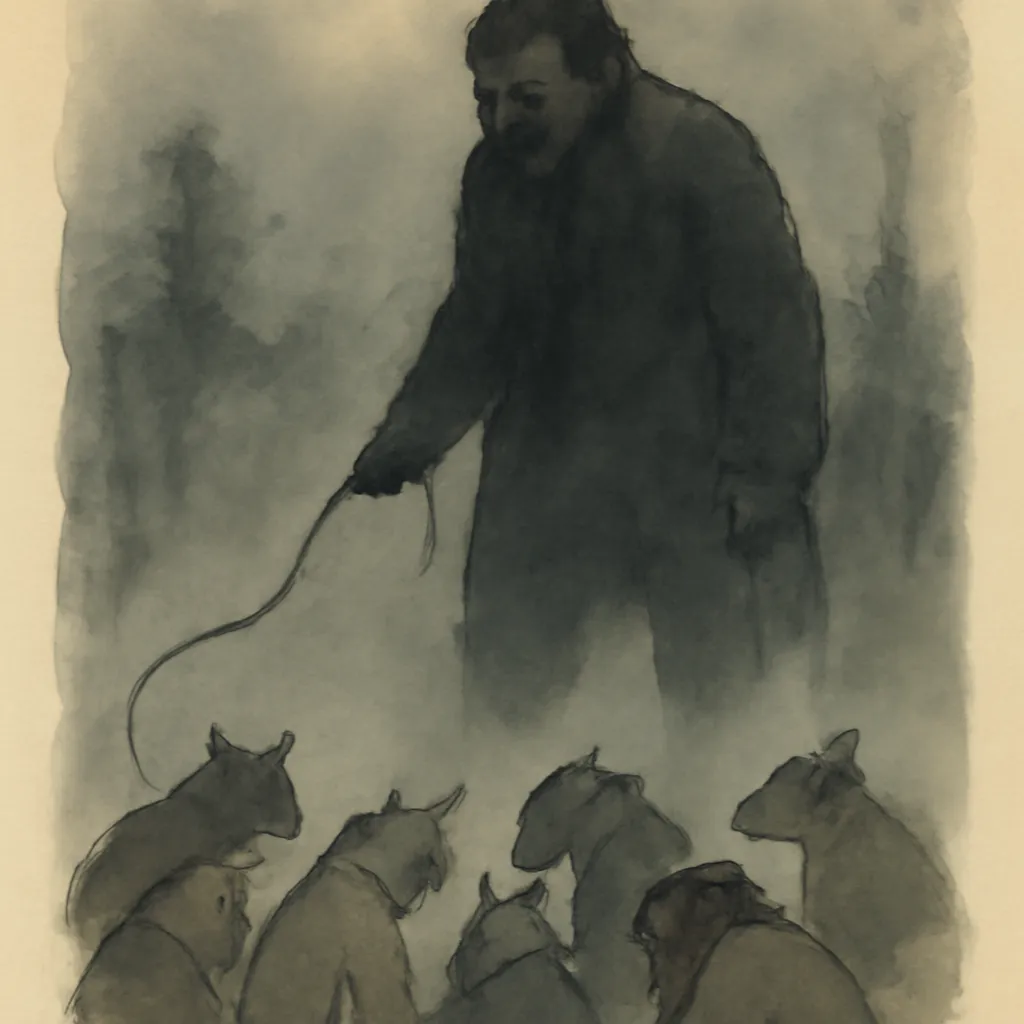
Fear plays a central role in the dynamics between Moreau, Prendick, and the Beast Folk. Moreau's authority over the creatures is maintained through a combination of scientific power and intimidation, creating an environment of oppression. Conversely, Prendick's fear of the Beast Folk and their potential violence reflects his struggle to navigate a world where the familiar rules of civilization no longer apply. This interplay of fear and power raises significant questions about the nature of authority and its impact on behavior. As Prendick's fears evolve, he begins to understand that true power lies not in domination but in understanding and compassion. The shifting power dynamics throughout the narrative highlight the precariousness of human relationships and the ethical implications of wielding power over others, whether they are human or animal.
7.The Collapse of Order
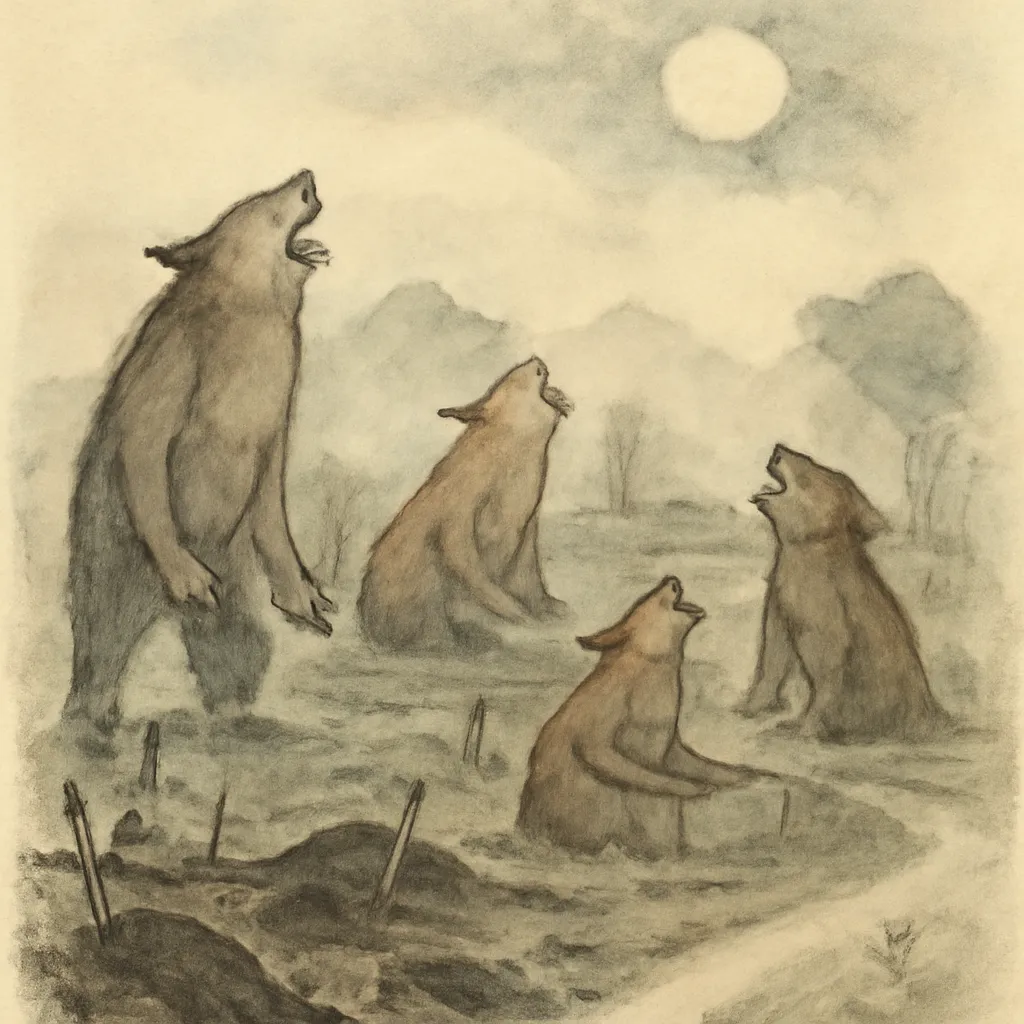
The fragile order established by Moreau begins to unravel as the Beast Folk grapple with their identities and instincts. The tension between their animal nature and the imposed Law leads to chaos, culminating in a violent rebellion against Moreau. This collapse of order serves as a powerful metaphor for the dangers of suppressing inherent instincts and the consequences of attempting to control nature. As the Beast Folk break free from their constraints, the narrative reflects on the inevitability of chaos when the natural order is disrupted. This descent into chaos forces Prendick to confront his own fears and the moral implications of Moreau's experiments. The disintegration of the established order raises critical questions about the sustainability of artificial constructs in the face of primal instincts, ultimately suggesting that true harmony can only be achieved through acceptance of one's nature.
8.The Ethics of Scientific Experimentation
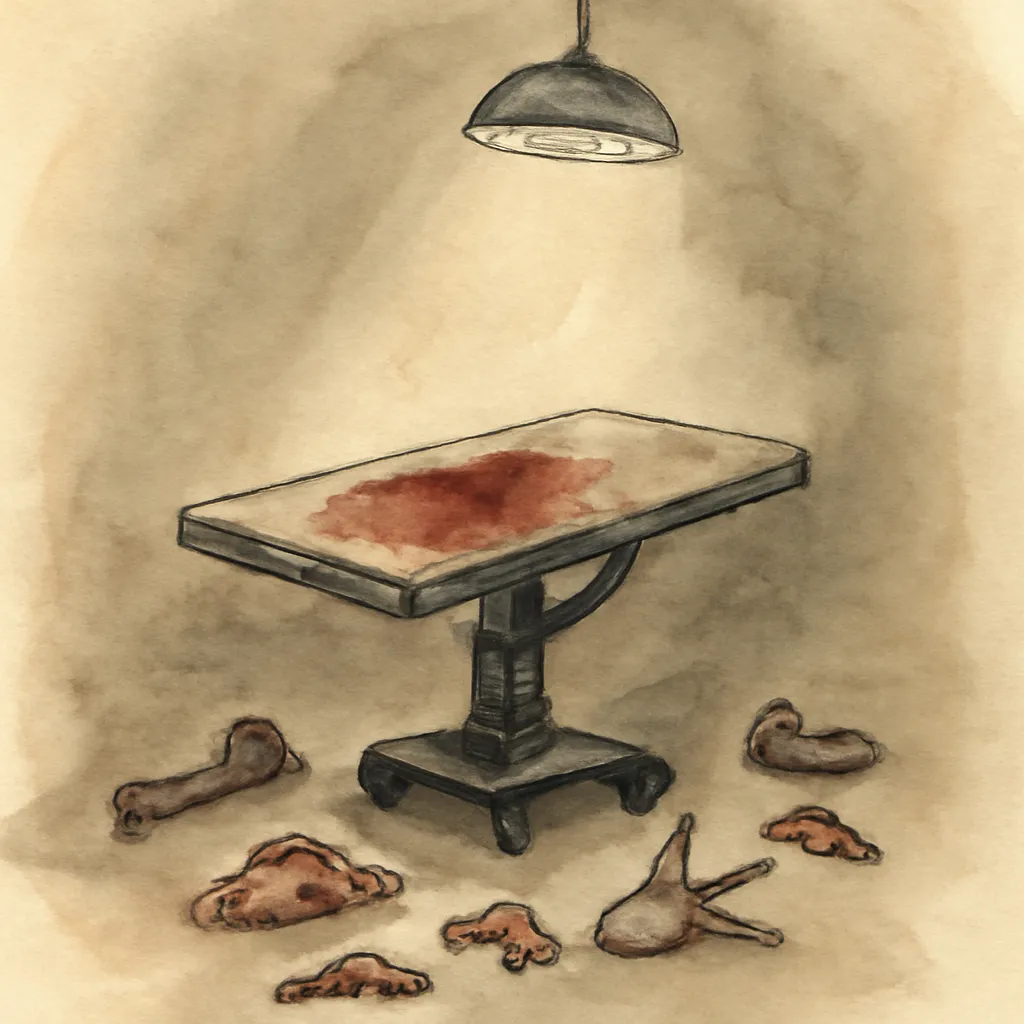
Wells' narrative serves as a cautionary tale about the ethics of scientific experimentation, particularly in the realm of genetic manipulation and vivisection. The horrors inflicted upon the Beast Folk raise profound questions about the morality of using living beings as subjects for experimentation. Moreau’s relentless pursuit of knowledge, regardless of the cost to his subjects, exemplifies the dangers of prioritizing scientific advancement over ethical considerations. This theme resonates with contemporary debates surrounding genetic engineering and animal rights, urging readers to reflect on the moral implications of scientific progress. The narrative challenges the notion of progress as inherently positive, highlighting the need for ethical frameworks that prioritize the dignity and welfare of all living beings. The ethical dilemmas presented in the story remain relevant today, prompting ongoing discussions about the responsibilities of scientists and the potential consequences of their actions.
9.Isolation and the Search for Meaning
Prendick's isolation on the island parallels his internal struggle to find meaning in a world that seems devoid of morality. Surrounded by the grotesque results of Moreau's experiments, he grapples with his own identity and the nature of humanity. This isolation forces him to confront profound existential questions about the essence of life and the search for purpose. The island becomes a microcosm of societal breakdown, reflecting the chaos and moral ambiguity that can arise when civilization's structures falter. Prendick's journey serves as a metaphor for the universal human experience of searching for meaning in a chaotic world. His eventual departure from the island symbolizes a return to the complexities of human society, where the quest for meaning continues amid moral uncertainties. This theme resonates deeply with readers, prompting reflection on their own searches for purpose and the ethical dilemmas they face in their lives.
10.The Return to Civilization
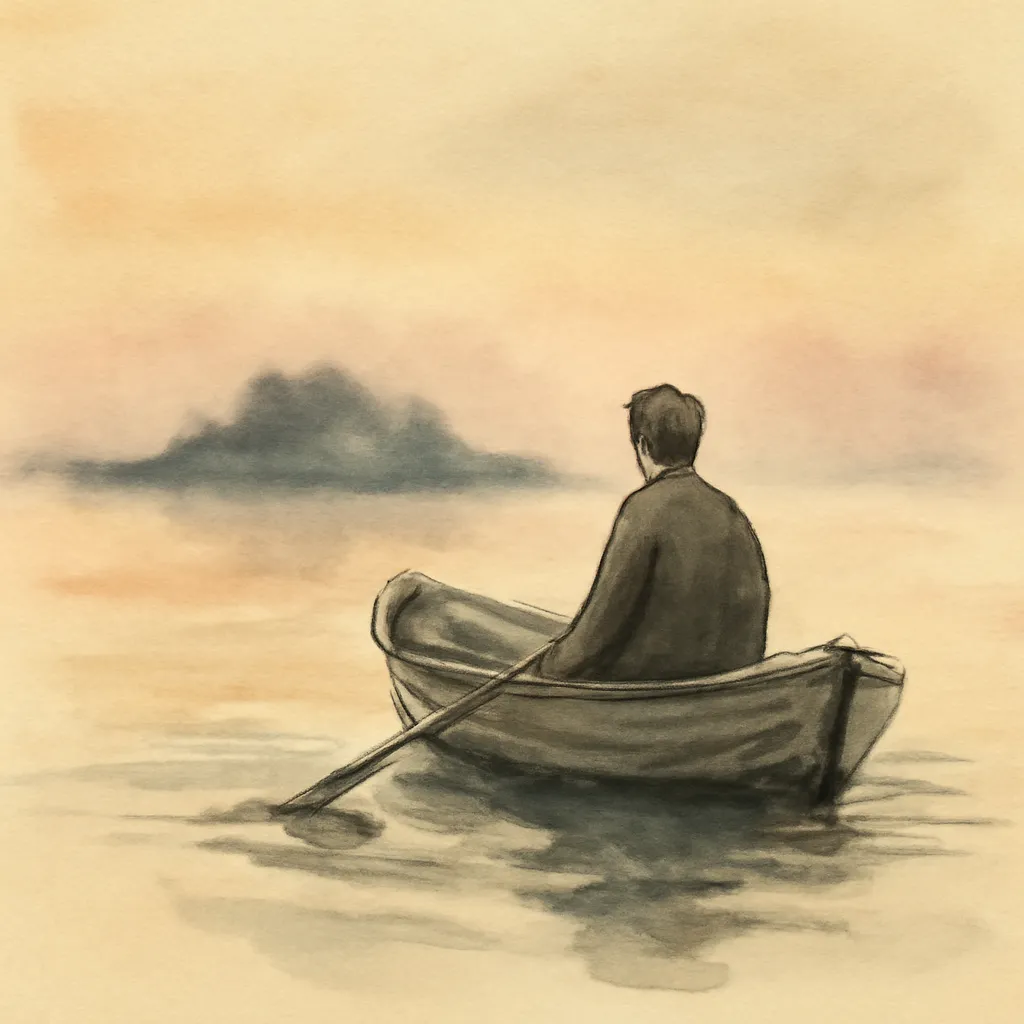
At the end of his harrowing journey, Prendick is rescued and returned to civilization, yet he finds himself forever changed by his experiences on the island. The stark contrast between the horrors he witnessed and the mundane reality of human society leaves him feeling alienated and disillusioned. His inability to reintegrate into society highlights the lasting impact of trauma and the complexities of human nature. The narrative concludes with a sense of unresolved tension, as Prendick grapples with the fear that humanity itself may harbor a beastly nature beneath its civilized facade. This ambivalence raises critical questions about the nature of civilization and the inherent darkness that lies within. Wells' exploration of these themes invites readers to reflect on their own understanding of humanity and the potential for savagery that exists within us all. The ending serves as a poignant reminder that the journey toward understanding oneself is fraught with challenges, and the search for meaning continues long after the physical journey has ended.