1.Clash of Cultures and Values
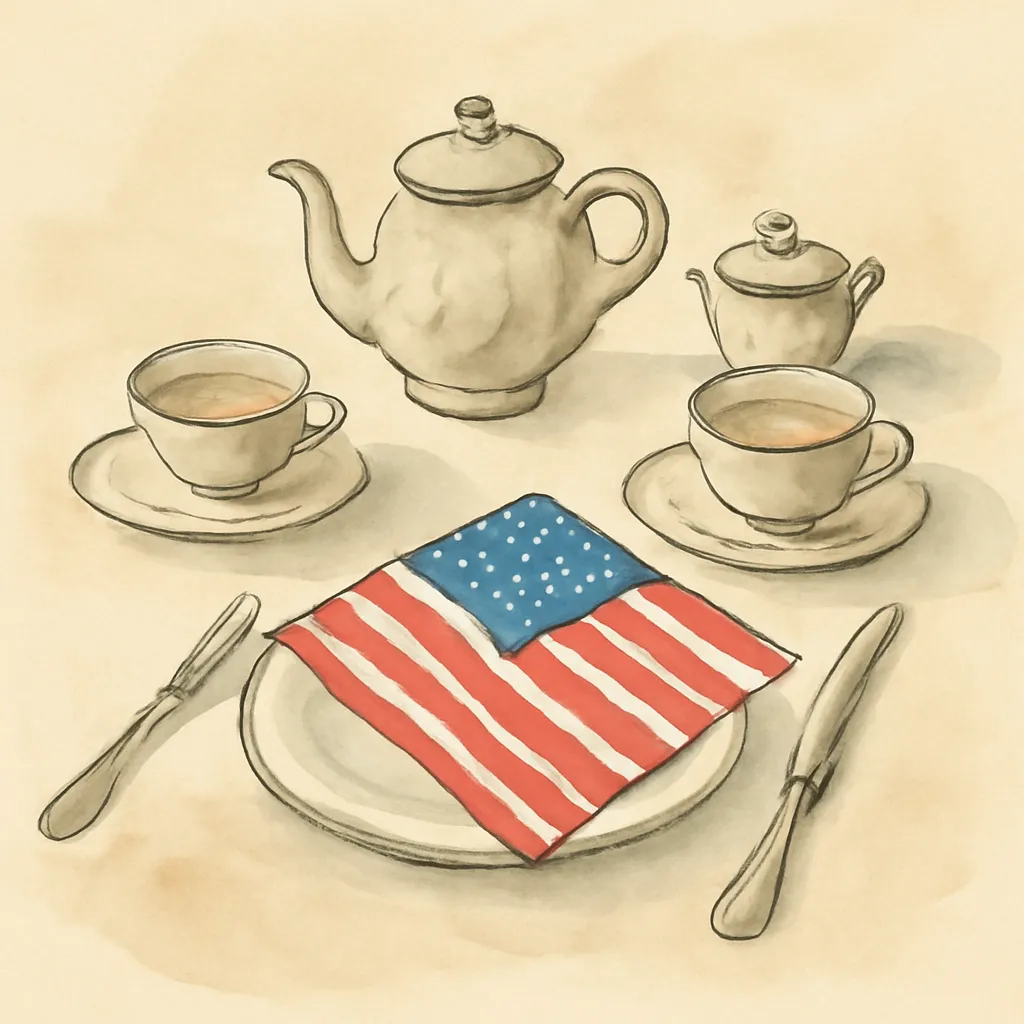
At the heart of the novel is the tension between American independence and British aristocratic tradition. Lillian Bowman, an outspoken American heiress, embodies a spirit of self-determination that unsettles the rigid, rule-bound world of Marcus, Lord Westcliff. Their dynamic explores how cultural differences can both challenge and enrich relationships, and how true connection often requires compromise and empathy. Kleypas uses their friction to probe deeper questions about identity, belonging, and what it means to truly accept another person.
2.Power and Vulnerability in Romance
The romance between Lillian and Marcus is charged with a constant push and pull of dominance and surrender. Marcus, used to control and authority, finds himself destabilized by Lillian's unpredictability and candor. Meanwhile, Lillian must learn to trust and reveal her own vulnerabilities. Their evolving relationship illustrates how love can be both a battleground and a sanctuary, requiring both partners to risk emotional exposure and relinquish some control.
3.Defiance of Social Expectations
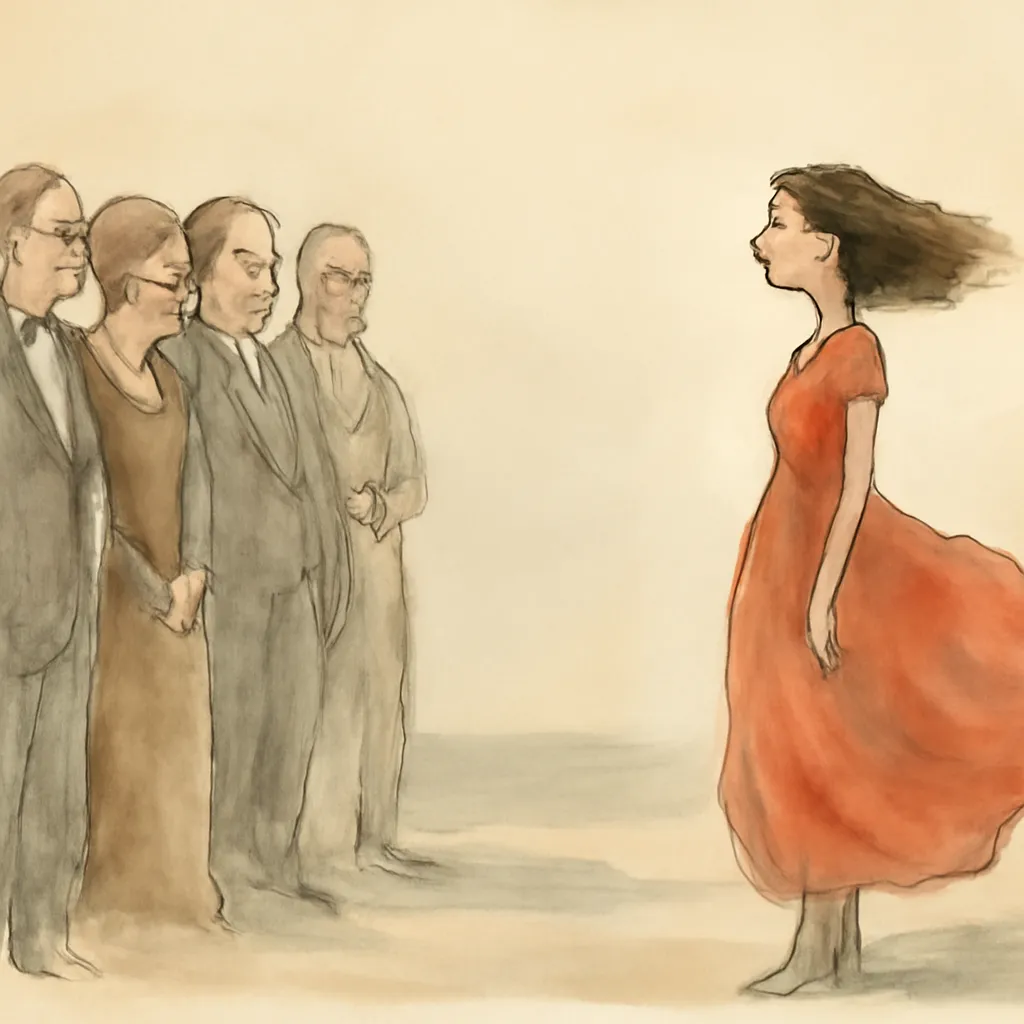
Kleypas foregrounds the limitations placed on women—and outsiders—in Victorian society. Lillian’s struggle to fit in, and her refusal to be tamed, highlights the arbitrary nature of social hierarchies and the courage it takes to resist them. The story critiques the notion of 'suitability' in marriage, suggesting that happiness is found not in following convention, but in forging one’s own path.
4.The Transformative Power of Desire
Desire in 'It Happened One Autumn' is not just physical but transformative. Both protagonists are forced to confront aspects of themselves they would rather ignore. Their attraction compels them to grow, to question their assumptions, and to reconsider what they truly want from life. Kleypas treats passion as a catalyst for self-discovery and change, not merely as a source of drama.
5.Female Friendship and Solidarity
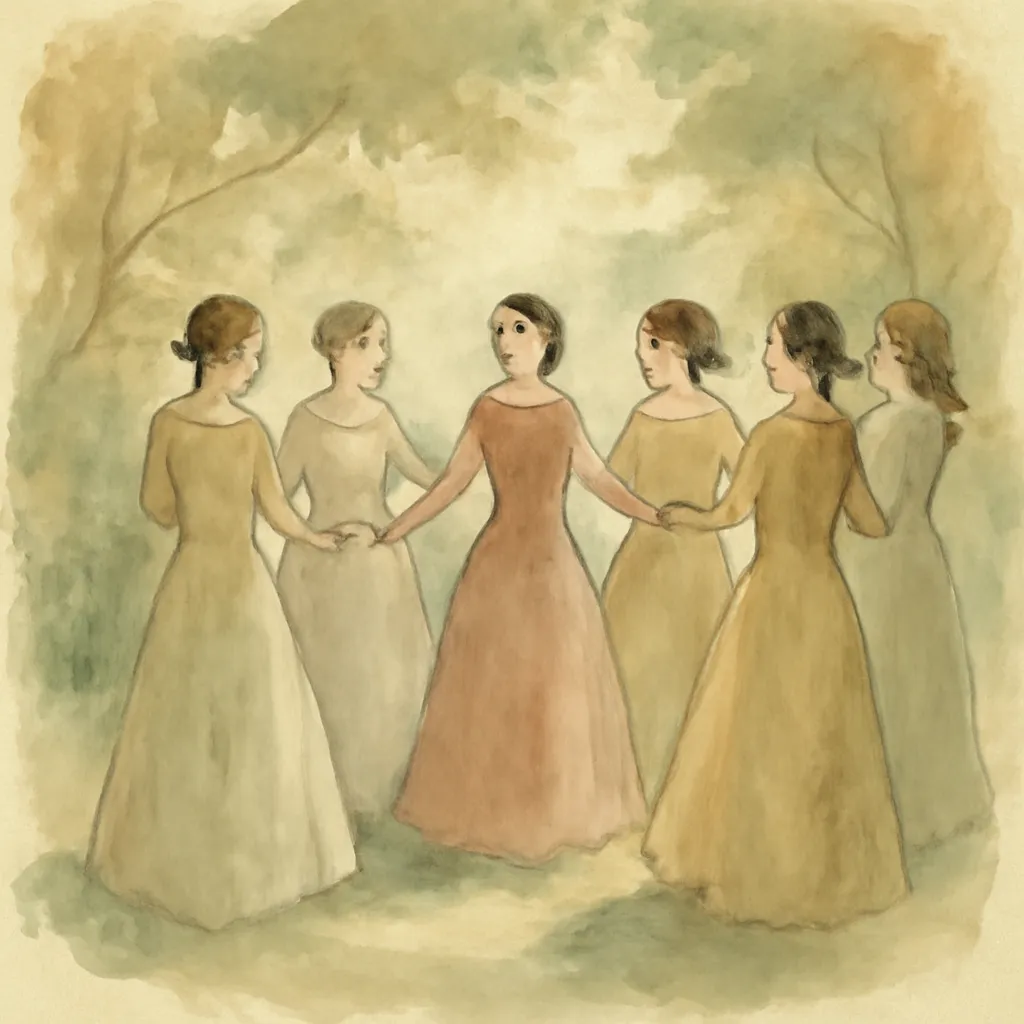
The Wallflowers—a group of women supporting each other through the marriage market—provide a vital counterpoint to the central romance. Their camaraderie demonstrates the importance of female solidarity in a world that often pits women against each other. The subplot reminds readers that love stories are not just about couples, but also about the friendships that sustain us.
6.Humor and Emotional Honesty
Kleypas infuses the novel with sharp wit and moments of levity, balancing the angst of forbidden attraction with genuine humor. The characters’ willingness to speak frankly—sometimes to their own detriment—creates a sense of authenticity and relatability. This blend of humor and honesty makes the emotional stakes feel real and earned.