1.The Preexistence of Christ

Talmage emphasizes that Jesus Christ existed with the Father prior to His earthly birth. This preexistence is crucial to understanding His divine authority and mission. According to scripture, Christ was foreordained to be the Savior of mankind, chosen among all spirit beings in a primordial council. This belief is supported by accounts from John the Revelator, who describes a heavenly conflict where Christ, identified as Michael, led the forces of good against Satan. The outcome of this celestial battle established Christ’s role as the Redeemer, setting the stage for His earthly ministry. Talmage elaborates that this preexistence underlines not only His divinity but also the intentionality behind His coming to earth, portraying Him as a being of eternal significance rather than merely a historical figure. This understanding of Christ’s preexistence fosters a deeper appreciation of His role in the grand narrative of salvation, positioning Him as central to God’s plan from the very beginning.
2.The Need for a Redeemer
The necessity of a Redeemer arises from the inherent flaws and failings of humanity. Talmage explains that God granted His children the gift of agency, allowing them to choose between good and evil. However, this freedom also meant that many would stray and fall into sin, necessitating a plan for redemption. The fall of Adam introduced death and separation from God, rendering humanity in need of salvation. Talmage emphasizes that God, in His infinite wisdom, foresaw the failures of His children and prepared a means for their return through Jesus Christ. The doctrine of redemption is pivotal, illustrating that Jesus’s suffering and sacrifice are essential for overcoming sin and death, thus highlighting the depth of divine love and mercy in providing a path back to Him. Talmage argues that without the Atonement, the inherent consequences of sin would lead to eternal separation from God, making the role of the Redeemer indispensable in God’s plan for His children.
3.The Prophetic Birth of the Messiah
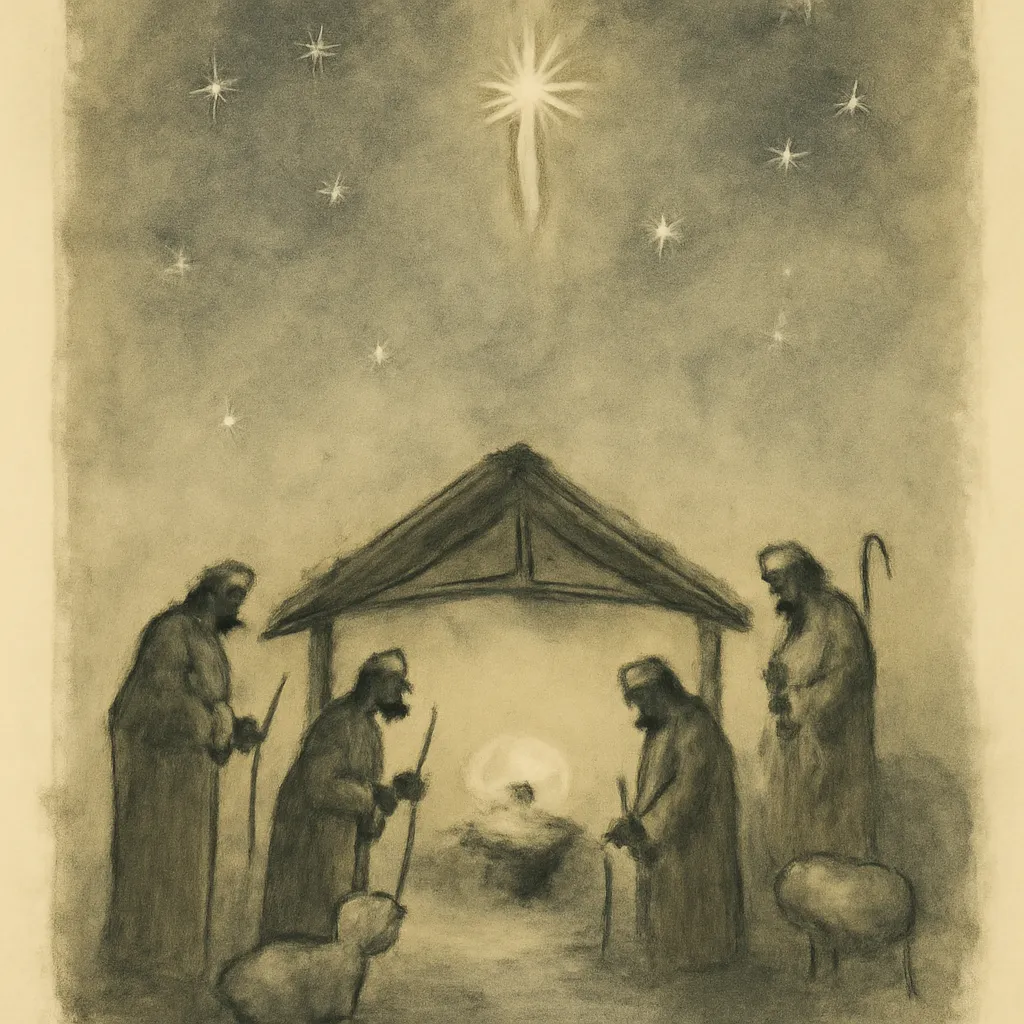
The birth of Jesus in Bethlehem was not a random occurrence but rather the fulfillment of centuries of prophecy. Talmage details how the Jews had long awaited a Messiah, with numerous prophecies pointing to His lineage from David and His birthplace. The narrative of Mary and Joseph traveling to Bethlehem due to a Roman decree underscores the divine orchestration of events leading to Christ's birth. Talmage highlights that even the circumstances surrounding His birth, such as being laid in a manger, reflect the humility and simplicity that characterized His life. This prophetic fulfillment serves to reinforce the belief in Christ as the promised Savior, providing a strong foundation for faith among believers. Talmage notes that the anticipation of a Messiah was deeply ingrained in Jewish culture, and the specific prophecies surrounding Jesus’s birth validated His identity, inviting people to recognize Him as the fulfillment of their hopes and aspirations.
4.The Significance of the Meridian of Time
Talmage introduces the concept of the 'meridian of time' to describe the pivotal moment of Christ's birth, marking a significant division in human history. This term signifies that Jesus's life and mission culminated the ages of prophecy and inaugurated a new era. The chronological division established by His advent emphasizes His central role in God's plan for humanity. Talmage notes that the years before Christ (B. C.) and the years after Christ (A. D.) are universally recognized, demonstrating how His birth reshaped human understanding of time itself. This reorganization of history around Christ's life illustrates His unparalleled influence on civilization, culture, and religion. Talmage argues that viewing Christ’s life as the fulcrum of history encourages a deeper contemplation of His impact, urging individuals to recognize the significance of living in a time that revolves around His teachings and example.
5.The Role of John the Baptist

John the Baptist emerges as a vital figure in the narrative of Christ's ministry, serving as the forerunner who prepared the way for the Messiah. Talmage details John's unique birth and mission, emphasizing his prophetic role in heralding Christ's coming. The accounts of John's ministry, including his call for repentance and baptism, are pivotal in establishing the foundation for Jesus's teachings. His declaration, 'Behold the Lamb of God, which taketh away the sin of the world,' encapsulates his testimony of Jesus as the Redeemer. John’s baptism was not merely a ritual; it was a transformative act that signified the need for repentance and the preparation of hearts for Christ’s message. Talmage highlights that John’s ministry not only validated Christ’s authority but also set the stage for the public acknowledgment of Jesus’s divine mission, illustrating the interconnectedness of their roles in God’s plan and the necessity of repentance in the process of redemption.
6.Christ's Earthly Ministry
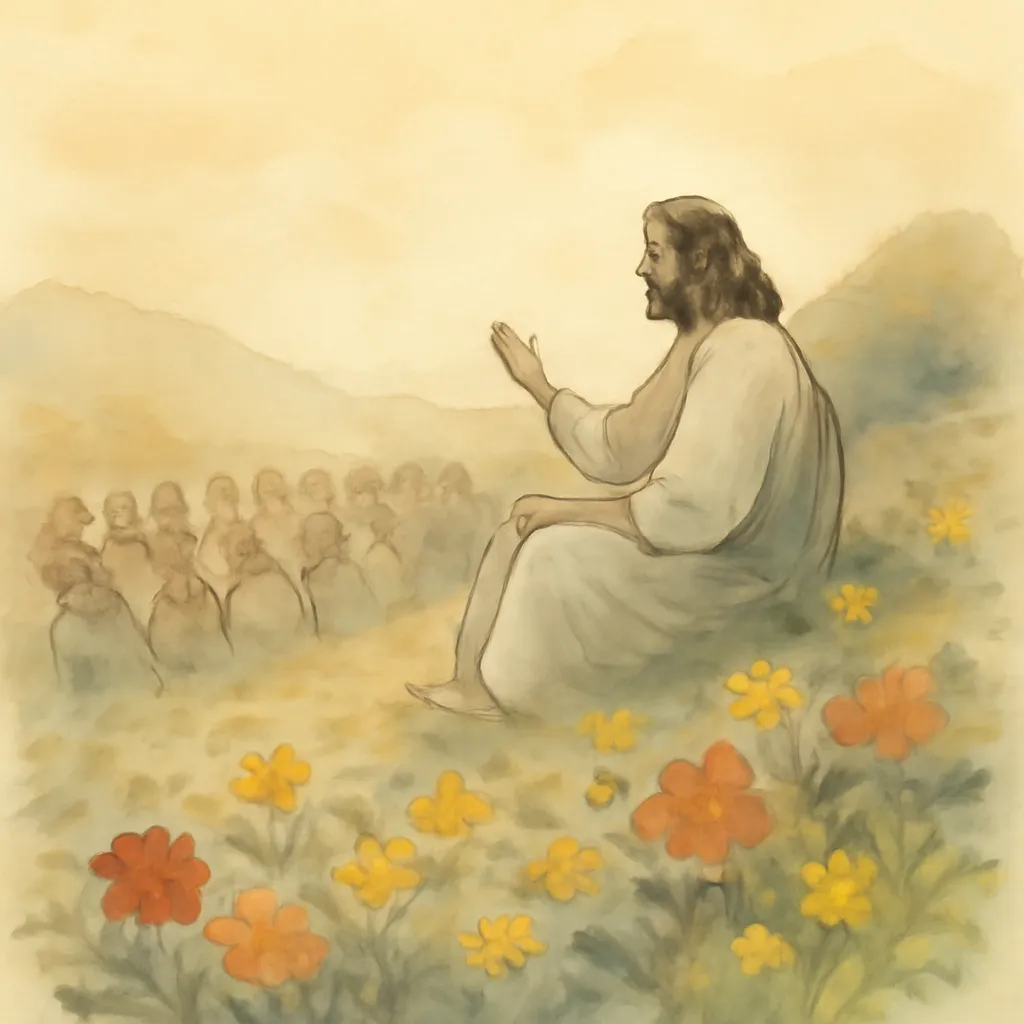
Talmage provides an in-depth exploration of Jesus's earthly ministry, marked by teachings, miracles, and profound interactions with individuals and communities. He emphasizes that Christ's approach was characterized by compassion and authority, as He preached the gospel of the Kingdom of God. Through parables and sermons, such as the Sermon on the Mount, Jesus conveyed essential truths about the nature of God and the principles of His kingdom. Talmage highlights the significance of Christ's miracles, not merely as acts of power but as demonstrations of His divine nature and compassion for humanity. Each miracle, from healing the sick to raising the dead, served to affirm His identity as the Son of God and to illustrate the transformative impact of faith. Talmage notes that these acts were not random occurrences; they were purposeful manifestations of God's love and power, meant to inspire belief and draw people closer to the divine.
7.The Teachings of the Sermon on the Mount
The Sermon on the Mount stands as one of the most significant discourses delivered by Jesus, encapsulating His core teachings on ethics and morality. Talmage explores the Beatitudes, which outline the characteristics and blessings of those who embody Christlike attributes. These teachings challenge conventional values, emphasizing humility, mercy, and purity of heart as pathways to true happiness and fulfillment. Talmage notes that Christ's instructions on love, forgiveness, and the pursuit of righteousness form the bedrock of Christian ethics. The Sermon on the Mount is not just a collection of teachings but a transformative guide for living a life aligned with divine principles, urging followers to reflect the nature of God in their daily interactions. Talmage argues that these teachings serve as a blueprint for achieving a Christlike character, emphasizing the need for internal transformation that results in external action.
8.The Nature of Christ's Authority
Throughout His ministry, Jesus demonstrated a unique authority that set Him apart from the religious leaders of His time. Talmage emphasizes that Christ spoke and acted with the authority of God, rather than relying on human credentials or traditions. His teachings were direct and compelling, often beginning with 'I say unto you,' which contrasted sharply with the rabbinical practice of citing previous authorities. This inherent authority was evident in His ability to perform miracles, forgive sins, and teach with unmatched clarity. Talmage illustrates that this divine authority is foundational to understanding Christ's role as the Messiah, as it signifies His divine nature and His mission to redeem humanity. The authority of Christ challenges individuals to respond not merely as observers but as active participants in His teachings, fostering a deeper commitment to living according to His will.
9.The Rejection of Jesus
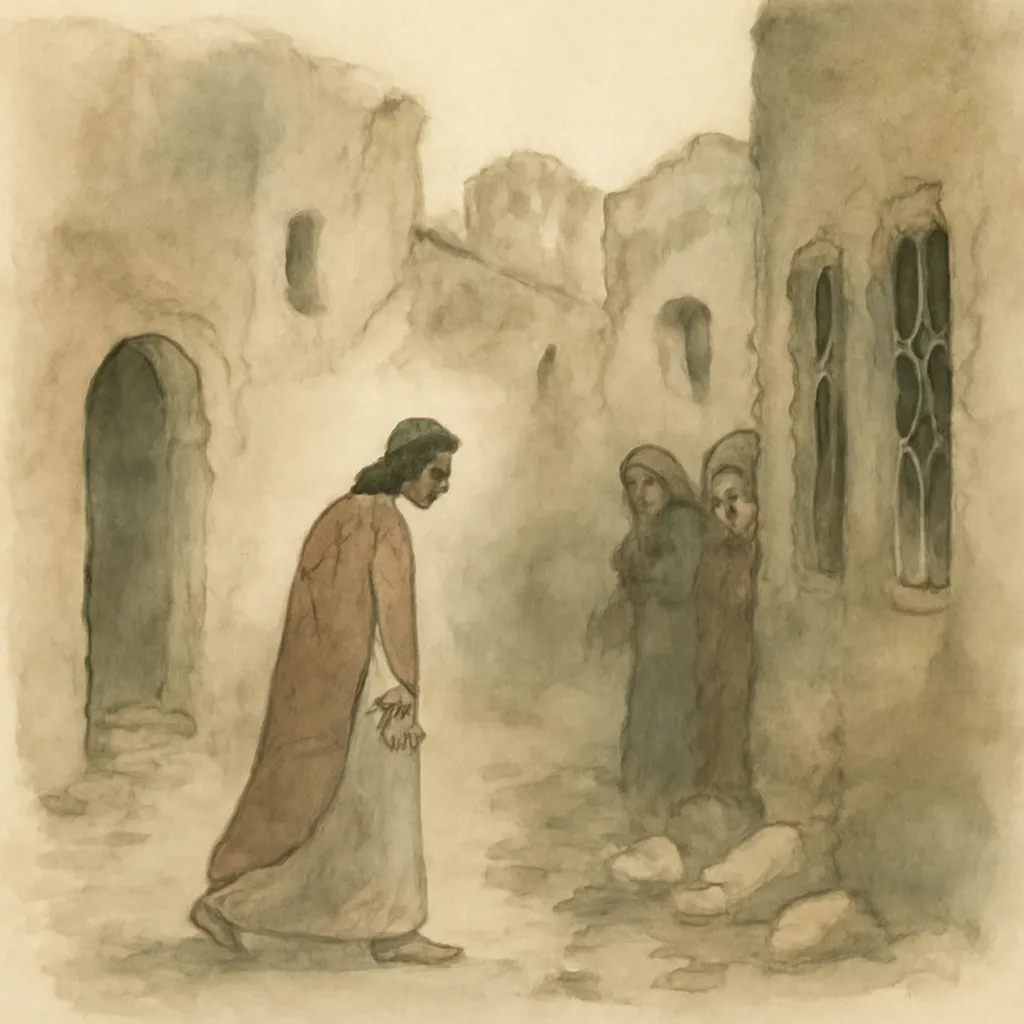
Despite His teachings and miracles, Jesus faced significant opposition and rejection from many, particularly among the religious elite. Talmage discusses the growing hostility towards Christ, especially during His final years in ministry. The rejection by His own community in Nazareth serves as a poignant example of how familiarity can breed contempt. Talmage highlights that this rejection was not merely a social phenomenon but fulfilled prophetic scripture, illustrating the challenges faced by the Messiah. The increasing animosity culminated in the events leading to His crucifixion, emphasizing the profound sacrifices He made for humanity, even in the face of disbelief and hostility. This rejection underscores a central theme in the narrative of Christ's life: that true discipleship often involves facing opposition and misunderstanding, reflecting the trials that believers may encounter in their own journeys of faith.
10.The Significance of the Atonement
The Atonement of Jesus Christ is central to Talmage's exploration of His mission, representing the ultimate act of love and sacrifice. Talmage explains that through His suffering, death, and resurrection, Christ overcame sin and death, providing a pathway for redemption. This act is not only a historical event but a profound theological foundation for Christian belief. The Atonement embodies the principles of justice and mercy, allowing for the forgiveness of sins while upholding divine law. Talmage emphasizes that understanding the Atonement is crucial for grasping the fullness of Christ's mission, as it offers hope and salvation to all who seek it, reaffirming the loving nature of God. This doctrine encourages believers to cultivate a relationship with Christ, recognizing that through Him, they can find healing and reconciliation with the Father.