1.The Garden as a Living Entity
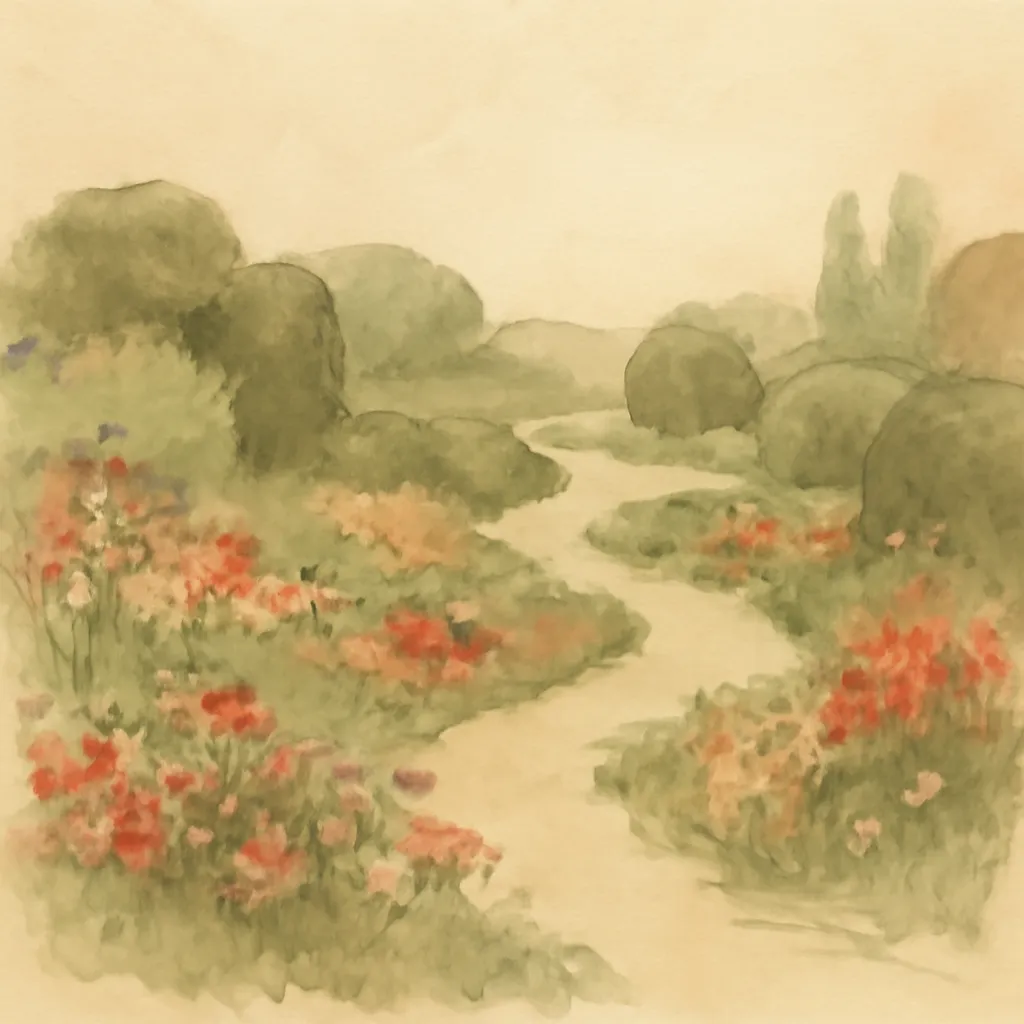
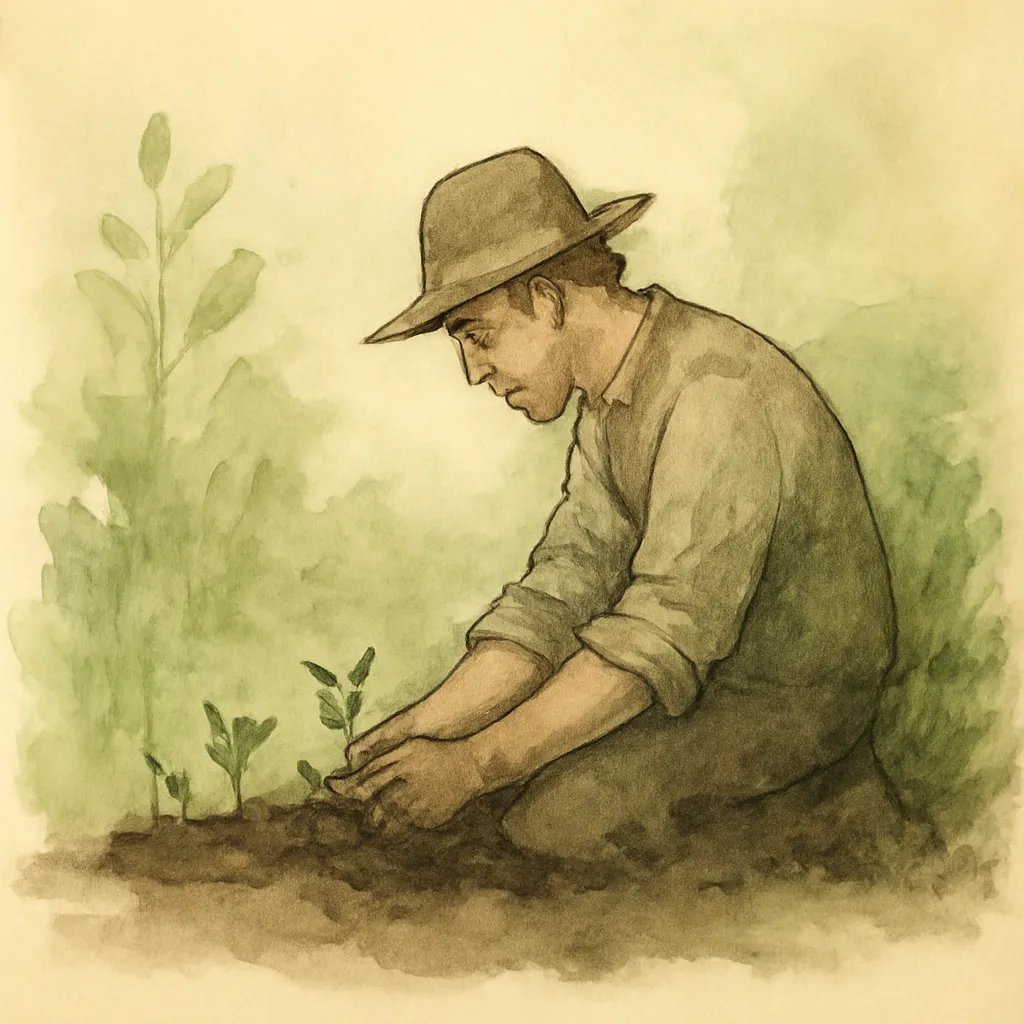
John Gayther’s garden is portrayed not just as a collection of plants and flowers but as a vibrant, living entity with its own character and history. The garden extends far and wide, filled with box hedges, grape-arbors, and a variety of fruit trees, embodying the aristocratic heritage of the family it serves. This setting reflects the principles of growth and nurturing, mirroring the human experiences of the characters within. John Gayther, although a relatively new caretaker, has become deeply intertwined with the garden’s essence, demonstrating how a place can foster a sense of belonging and identity. The garden’s prosperity is a testament to the care it receives, emphasizing the reciprocal relationship between the land and its caretaker. This idea suggests that just as gardens require attention and love to flourish, so do our relationships and personal endeavors, encouraging readers to reflect on their own responsibilities toward their environments and connections.
2.Storytelling as a Form of Connection

Throughout the narrative, storytelling emerges as a vital thread that connects the characters and enriches their lives. The Daughter of the House frequently seeks out John Gayther to share her stories, illustrating the importance of narrative in human experience. These stories serve not only as entertainment but also as a means of self-expression and exploration of identity. John, who initially sees himself as a mere gardener, becomes a vessel for these tales, showcasing the idea that every individual has a story worth telling. The act of storytelling fosters intimacy, as it allows characters to reveal their innermost thoughts and feelings. This dynamic underscores the significance of communication in building relationships and understanding one another, suggesting that sharing our stories can bridge gaps and forge connections that might otherwise remain unacknowledged. Additionally, the stories told in the garden often reflect the characters' aspirations and fears, making them poignant explorations of the human condition.
3.The Role of Nature in Personal Growth
The garden symbolizes the journey of personal growth and transformation for both John Gayther and the other characters. As they tend to the plants, they also cultivate their own character and virtues. For example, John’s meticulous care for the garden reflects his patience, dedication, and resilience—qualities that resonate with his interactions with the Mistress of the House and her daughter. The seasonal changes within the garden parallel the characters' emotional states and developments, demonstrating how nature serves as a mirror to human experience. The garden’s abundance during certain seasons and its dormancy during others prompt reflections on the cycles of life, highlighting that growth often requires time, effort, and resilience. This theme encourages readers to consider their own journeys of growth and the natural processes that shape their lives, suggesting that self-improvement is often intertwined with our environments.
4.The Interplay of Control and Freedom
The relationship between the Mistress of the House and John Gayther illustrates a nuanced interplay of control and freedom. The Mistress, with her strong will and unconventional gardening methods, often disrupts John’s structured approach to tending the garden. While John respects her autonomy, he also struggles with the unpredictability her methods introduce. This tension reflects broader themes of individuality versus societal expectations, particularly for women in the context of the story. The Mistress’s willingness to act boldly in her gardening choices symbolizes a desire for freedom and self-expression, challenging traditional roles. John’s acceptance of her methods, despite their differences, highlights the importance of collaboration and compromise in relationships. This dynamic prompts readers to reflect on their own lives, considering how they navigate the balance between control and freedom in their pursuits while recognizing the value of diverse perspectives in communal settings. The garden becomes a space where both control and freedom can coexist harmoniously.
5.Embracing Imperfection
The garden, while beautiful, is not without its imperfections—overgrown areas, unexpected weeds, and plants that struggle to thrive. John Gayther’s acceptance of these imperfections teaches a valuable lesson about embracing the flaws in both nature and ourselves. He understands that a garden, much like life, is a blend of successes and failures, and that these elements contribute to its unique charm. This perspective encourages a mindset that values growth over perfection, suggesting that the journey is often more meaningful than the end result. The characters’ interactions with the garden mirror their acceptance of their own shortcomings and the imperfections of those around them. This theme invites readers to cultivate a sense of gratitude for the messy, unpredictable nature of life, recognizing that beauty often lies in the flaws. John’s experiences in the garden encourage reflections on personal growth, resilience, and the acceptance of life’s inherent uncertainties.
6.The Influence of Visitors on the Garden’s Narrative
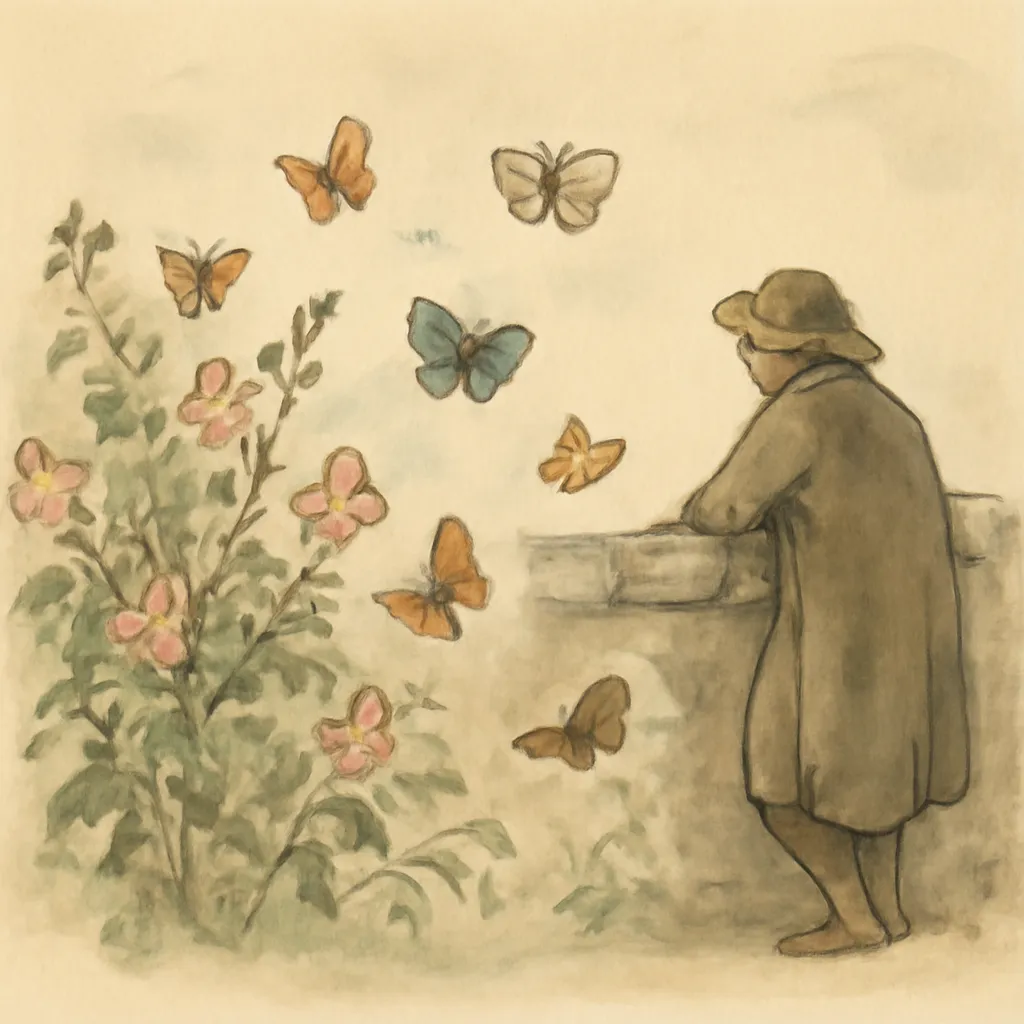
The arrival of various visitors, including the Frenchman and Euphemia, introduces new dynamics and perspectives into the garden’s narrative. Each visitor brings their own stories, desires, and conflicts, enriching the tapestry of interactions among the main characters. These encounters highlight the garden as a space of convergence, where diverse experiences and ideas can flourish. John’s initial apprehension towards the Frenchman illustrates the discomfort that can arise from unfamiliarity, yet it also serves as a catalyst for growth and understanding. The visitors’ differing attitudes toward the garden challenge John and the family to reevaluate their own relationships with the space. This theme emphasizes the importance of openness to new experiences and the transformative power of diverse perspectives in shaping our understanding of ourselves and the world. The interactions between the regular inhabitants of the garden and the visitors reveal the complexities of human relationships and the impact of external influences on personal growth.
7.The Role of Nature in Storytelling
In 'John Gayther's Garden,' the natural world plays a pivotal role in shaping the stories that unfold. The garden not only serves as a backdrop but also as an active participant in the narrative, influencing the characters' thoughts and actions. The beauty and tranquility of the garden inspire creativity and reflection, prompting characters to share their stories and engage in dialogue. For instance, the lush surroundings amplify the emotional weight of the tales being told, creating a harmonious relationship between nature and narrative. The intermingling of the garden’s blooms and the unfolding stories suggests that our environments can shape our narratives, provoking deeper insights into the human experience. This interplay encourages readers to consider how their own surroundings impact their thoughts, creativity, and the stories they tell, highlighting the profound connection between nature and storytelling.
8.The Garden as a Refuge
The garden functions as a sanctuary for the characters, providing solace and a space for introspection. For John Gayther, it is not only a place of work but also a refuge from the complexities of life. The act of gardening offers him a sense of purpose and fulfillment, allowing him to escape the pressures of societal expectations. Similarly, the Daughter of the House finds joy and inspiration in the garden, retreating there to share her stories and explore her creativity. This theme underscores the importance of having a personal space where one can connect with nature and oneself. The garden’s ability to provide comfort and clarity serves as a reminder of the restorative power of nature in our lives. This sanctuary is not just a backdrop for the characters’ stories; it is a vital part of their emotional well-being, reminding readers of the necessity to cultivate spaces that nurture their souls.
9.The Cycle of Seasons and Life
The cyclical nature of the seasons in the garden mirrors the cycles of life experienced by the characters. As they navigate their personal journeys, the changing seasons serve as a reminder of the impermanence of both beauty and struggle. John Gayther’s reflections on the garden’s growth and dormancy prompt philosophical musings on the nature of existence. The arrival of spring symbolizes renewal and hope, while the quiet of winter evokes contemplation and rest. This rhythm of life encourages characters to embrace the present moment, understanding that each season has its own significance and lessons to impart. The interplay of seasons invites readers to reflect on their own life cycles, recognizing that growth often requires patience and acceptance of the inevitable changes that come with time. Just as the garden undergoes transformations throughout the year, so too do the characters evolve in response to their experiences and the passage of time.