1.The Call to Adventure
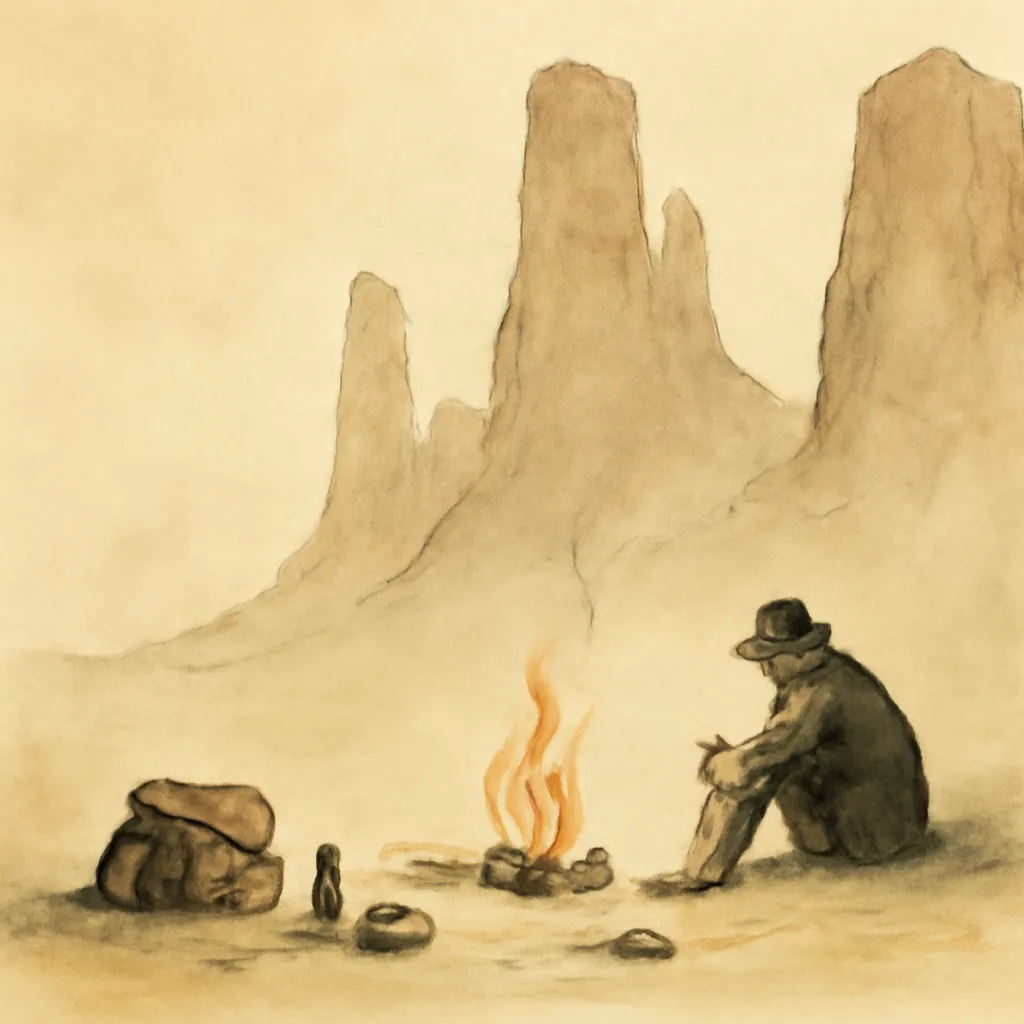
The story begins with Professor Otto Lidenbrock's discovery of a cryptic Runic manuscript that hints at a passage to the Earth's center. His obsession with the manuscript ignites a passionate quest for knowledge, showcasing the theme of curiosity as a driving force behind exploration. Lidenbrock's character embodies the archetype of the relentless scientist, willing to risk everything for the sake of discovery. His enthusiasm is infectious, drawing his nephew Axel into the venture, despite Axel's initial reluctance. This dynamic introduces readers to the age-old battle between caution and the thirst for knowledge, setting the stage for the thrilling journey that awaits.
2.The Importance of Companionship
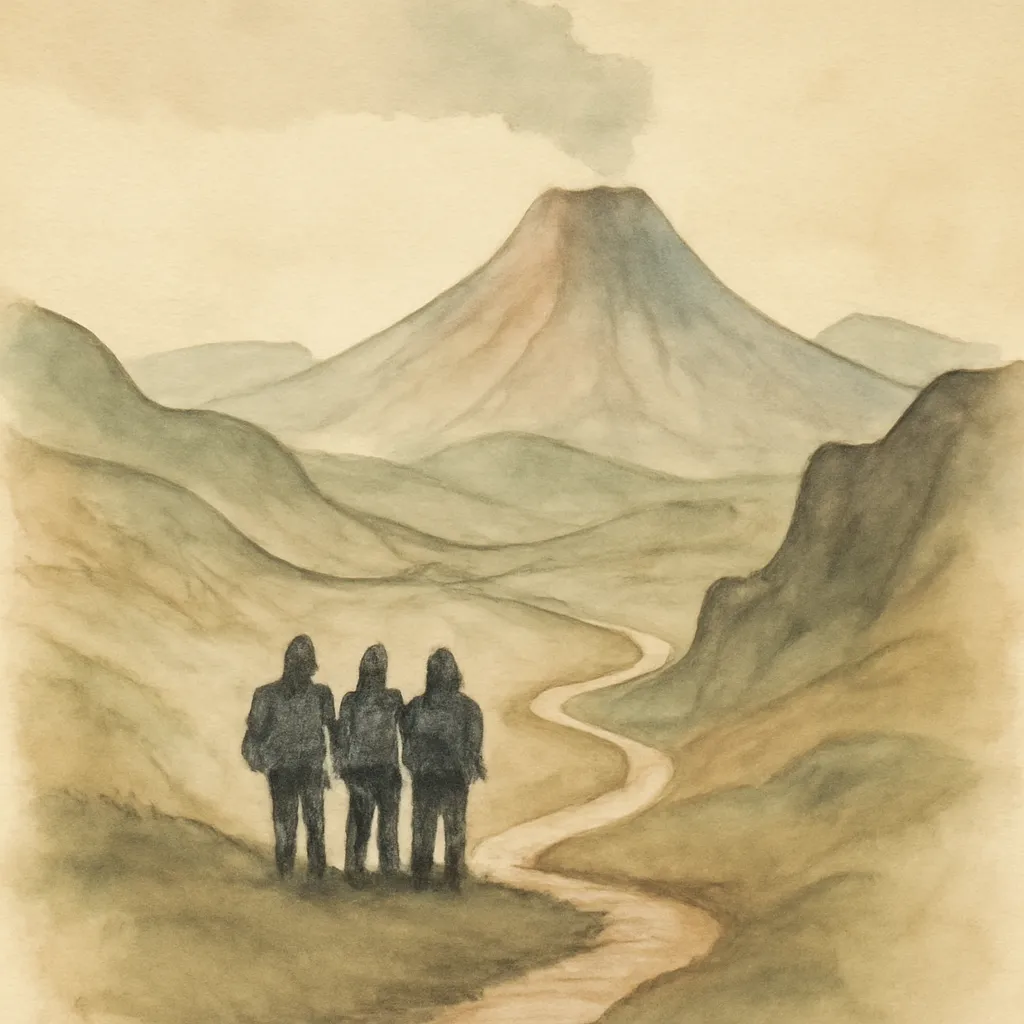
As the expedition unfolds, the significance of companionship becomes evident. Axel's initial skepticism contrasts with his uncle's fervor, highlighting how differing perspectives can enrich a shared journey. Hans, the stoic Icelandic guide, adds depth to the trio, embodying practicality and calmness amidst the chaos of their adventure. This trio dynamic showcases the interplay of personalities, illustrating that successful exploration often hinges on collaboration and mutual support. Their interactions reveal the importance of trust and loyalty, which are crucial as they face both physical and psychological challenges in the depths of the Earth.
3.The Descent into the Unknown
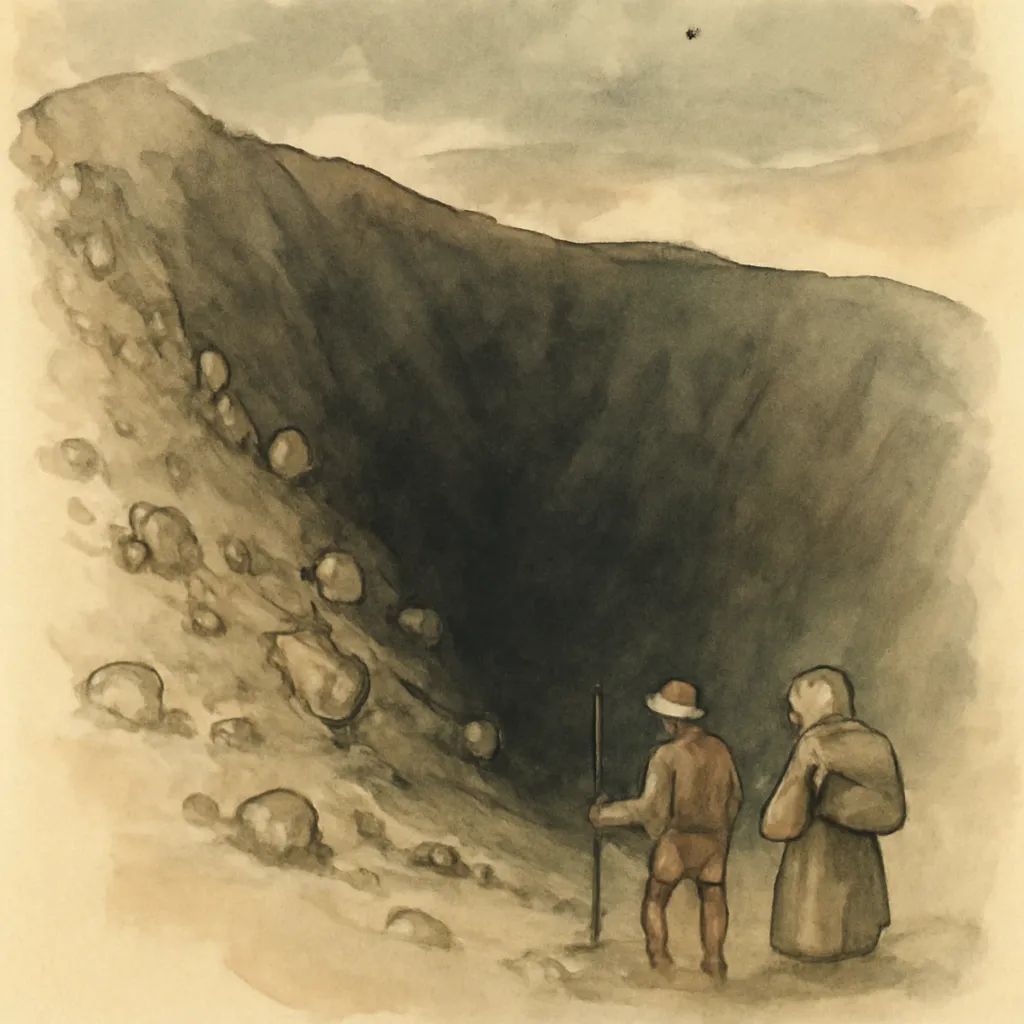
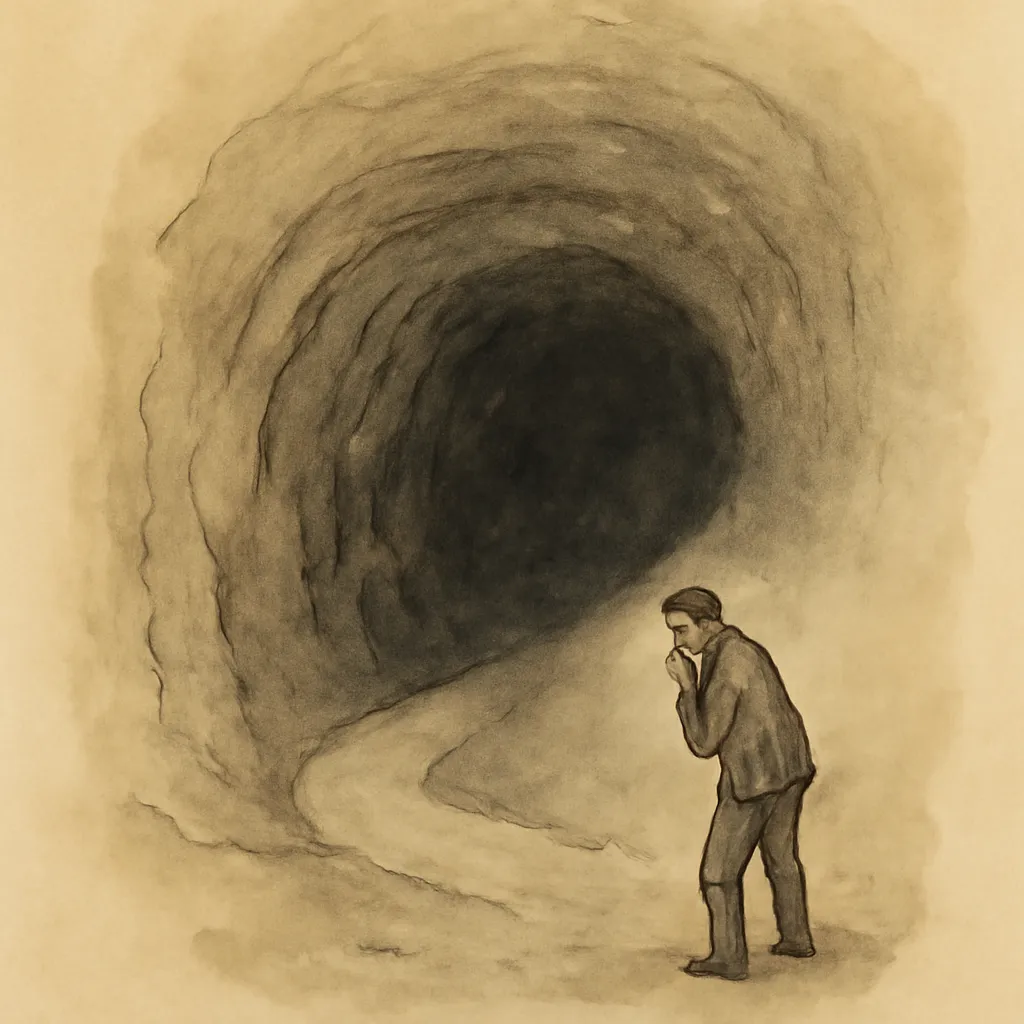
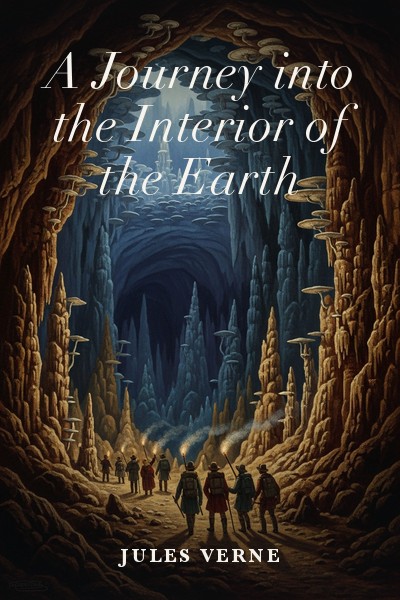
The journey begins in earnest as the team descends into the crater of Mount Sneffels, a pivotal moment that symbolizes the transition from the familiar world above to the uncharted territory below. Verne masterfully crafts the tension of this descent, using vivid imagery to evoke the awe and fear that accompany such an undertaking. The physical challenges they encounter—narrow tunnels, treacherous paths, and the oppressive weight of the Earth above—serve as metaphors for the psychological barriers faced when confronting the unknown. This descent into the Earth parallels the metaphorical descent into the depths of human knowledge and understanding, emphasizing the theme that true discovery often requires venturing into uncomfortable and uncertain spaces.
4.Nature as a Character
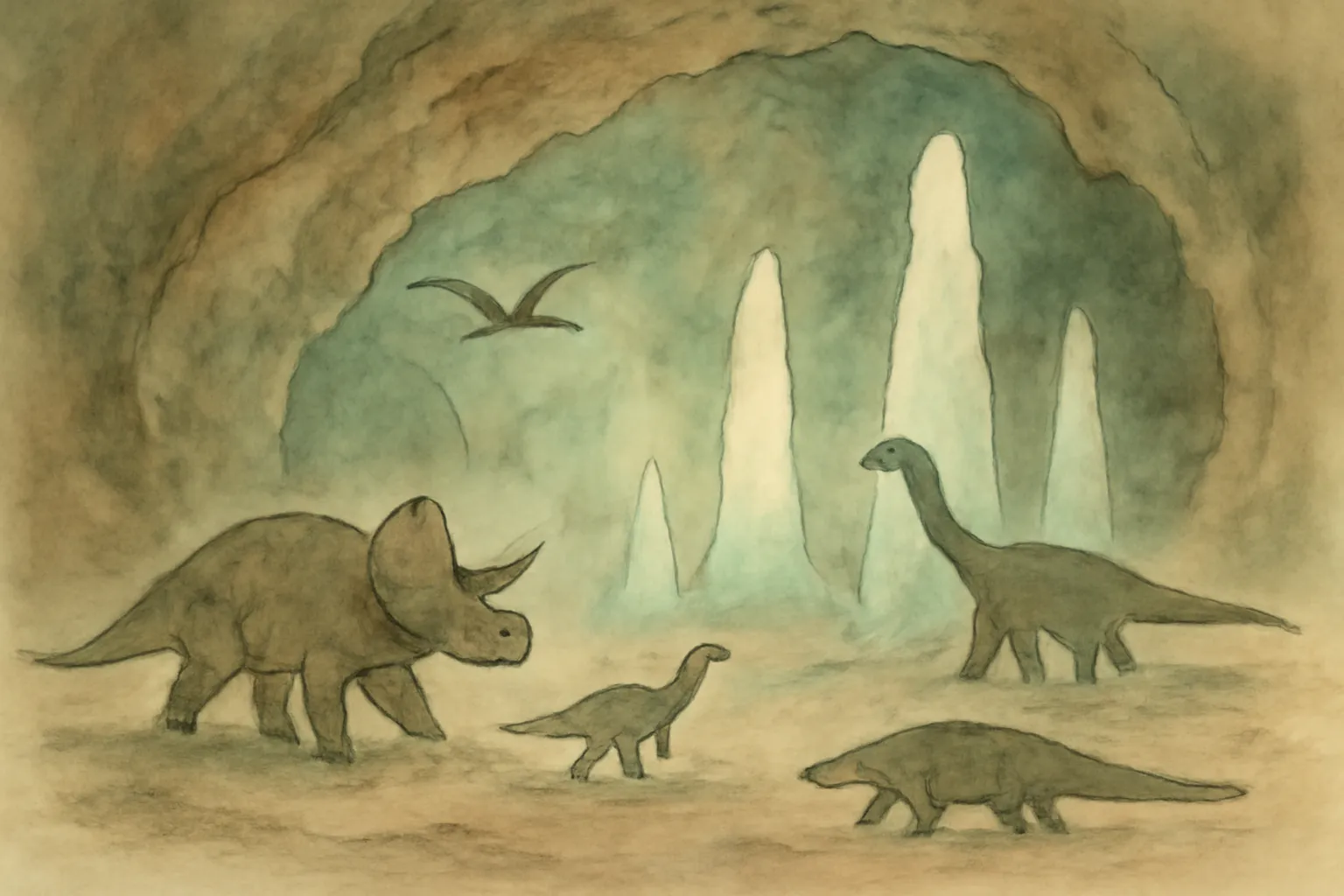
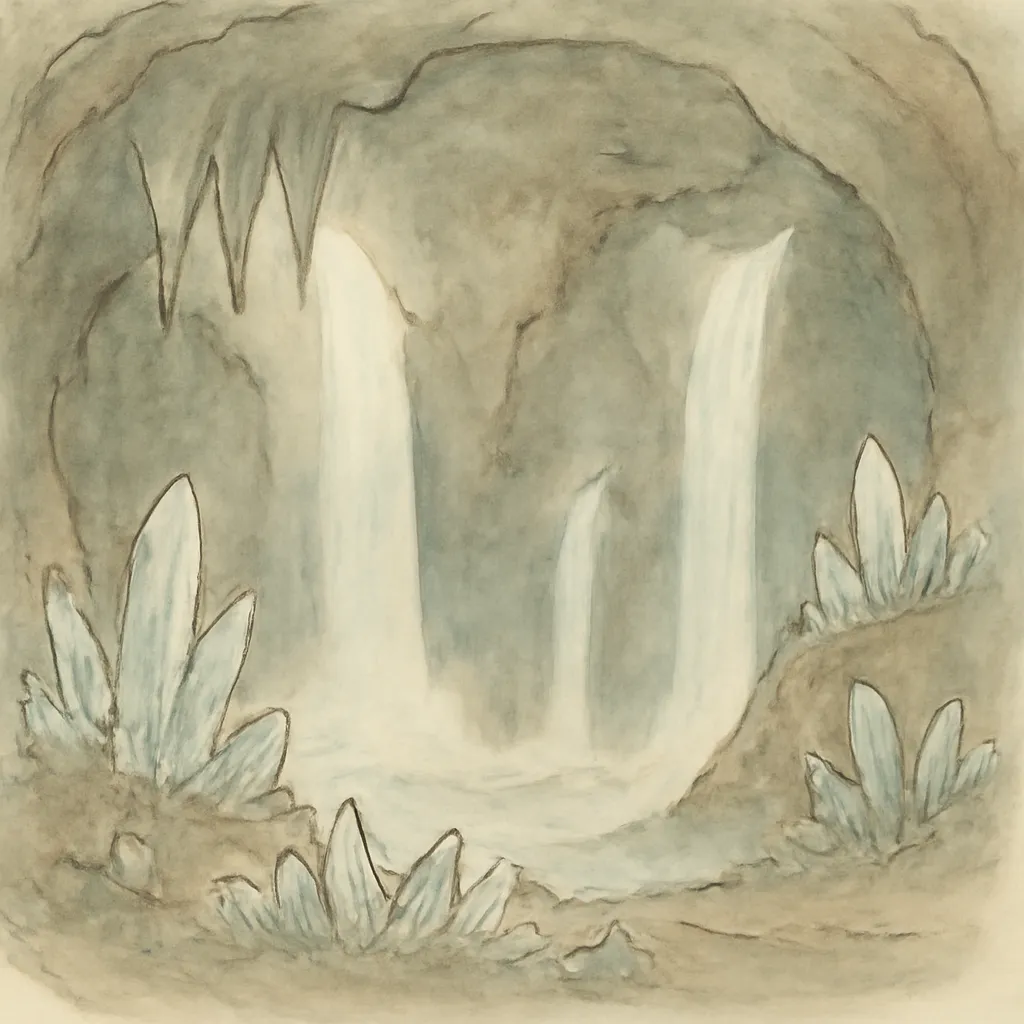
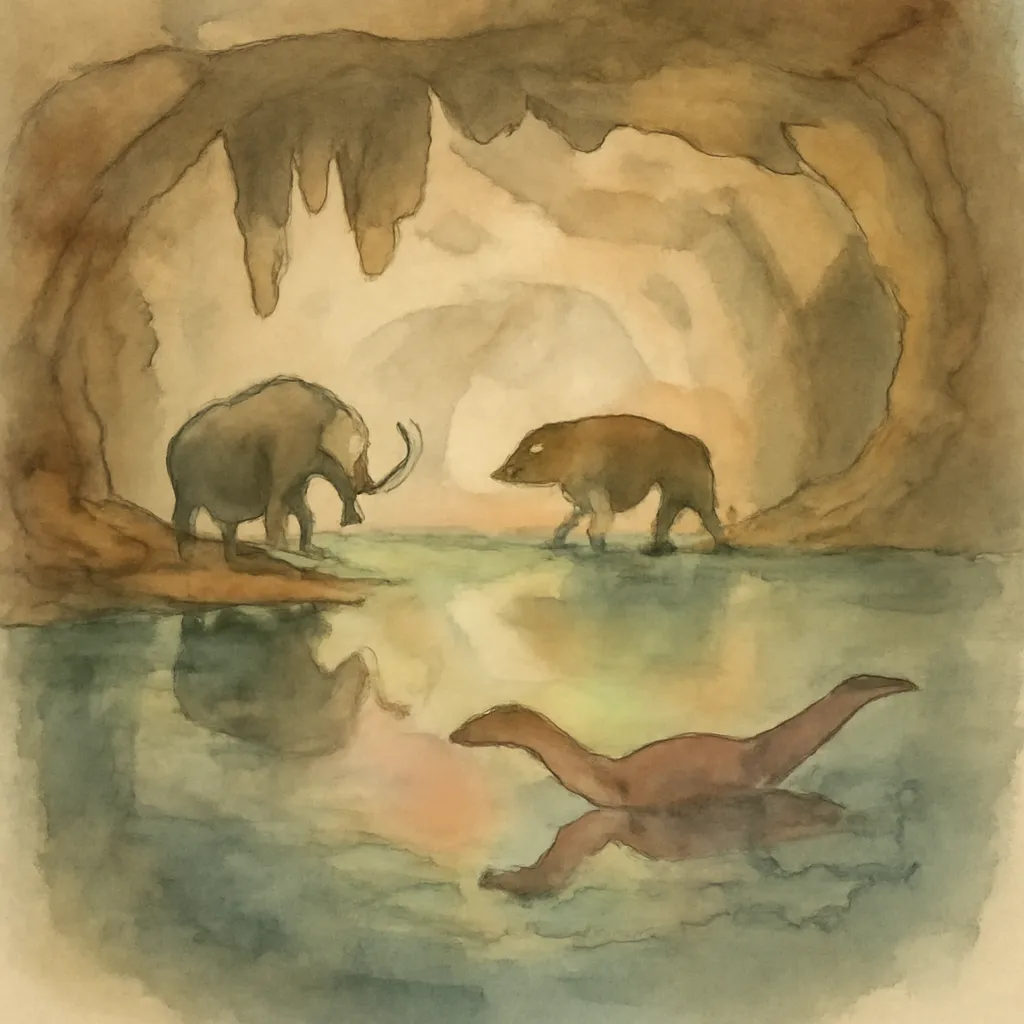
Throughout their journey, nature is portrayed not just as a backdrop but as a powerful character with its own moods and motivations. The subterranean world is filled with wonders, from glowing minerals to vast caverns, each revealing the Earth's hidden beauty. Verne's detailed descriptions transform the landscape into an enchanting realm that captivates both the characters and the readers. This portrayal invites reflection on humanity's relationship with nature—how exploration can lead to both awe and fear. The team’s encounters with geological phenomena and prehistoric creatures further emphasize the power and mystery of the natural world, reminding us that there are still many secrets waiting to be uncovered beneath the Earth's surface.
5.The Struggles of Survival
As the expedition progresses, the harsh realities of survival in the depths of the Earth become increasingly evident. The team faces dwindling supplies, physical exhaustion, and the psychological toll of isolation and fear. Verne captures the tension between the thrill of discovery and the harshness of nature, illustrating how even the most daring explorers must contend with their own limitations. The struggle for water becomes a poignant symbol of desperation, highlighting the fragility of life in the face of overwhelming odds. This theme underscores the resilience of the human spirit, as the characters must adapt and persevere despite the dire circumstances they encounter.
6.The Intersection of Science and Imagination
Verne's narrative deftly weaves together scientific inquiry and imaginative exploration. The characters employ scientific methods to navigate their environment, reflecting the era's burgeoning interest in geology and paleontology. Yet, the story also embraces the fantastical elements of adventure, allowing readers to marvel at the wonders of a hidden world. This intersection raises questions about the nature of knowledge and belief—how scientific evidence can coexist with imaginative possibilities. Verne invites readers to contemplate the boundaries of human understanding and the role of imagination in driving scientific discovery, suggesting that exploration is as much about what we dream as it is about what we observe.
7.Confronting Fear and Doubt
As the expedition delves deeper, fear and doubt begin to plague the characters, particularly Axel. His internal struggles reflect the universal human experience of confronting fear in the face of the unknown. Verne portrays Axel's moments of despair and uncertainty with authenticity, allowing readers to empathize with his plight. This theme resonates with anyone who has faced challenges that seem insurmountable, emphasizing that courage is not the absence of fear but the ability to persevere despite it. The characters' journey becomes a metaphor for personal growth, as they learn to confront their fears and emerge stronger through their trials.
8.The Discovery of Ancient Life
One of the most thrilling aspects of the journey is the discovery of prehistoric creatures and ancient landscapes, which serve as a reminder of the Earth's vast history. Verne's imaginative descriptions of these encounters spark wonder and curiosity about the planet's past. The team’s interactions with these remnants of ancient life underscore the themes of evolution and the passage of time, inviting readers to reflect on humanity's place in the grand tapestry of existence. This exploration of ancient life also emphasizes the importance of preserving the natural world, as the characters witness the remnants of ecosystems long gone. It serves as a call to recognize the fragility of life and the interconnectedness of all living things.
9.The Power of Knowledge
Throughout the narrative, the pursuit of knowledge emerges as a central theme. Professor Lidenbrock's relentless quest for understanding drives the story forward, illustrating how knowledge can be both a source of power and a burden. This theme resonates with the idea that the pursuit of knowledge often comes with risks and challenges. As the characters uncover the mysteries of the Earth, they also confront the limitations of their understanding, revealing that knowledge is a journey rather than a destination. Verne suggests that the quest for knowledge requires humility, adaptability, and a willingness to embrace uncertainty, ultimately enriching the human experience.
10.The Journey's End and its Implications
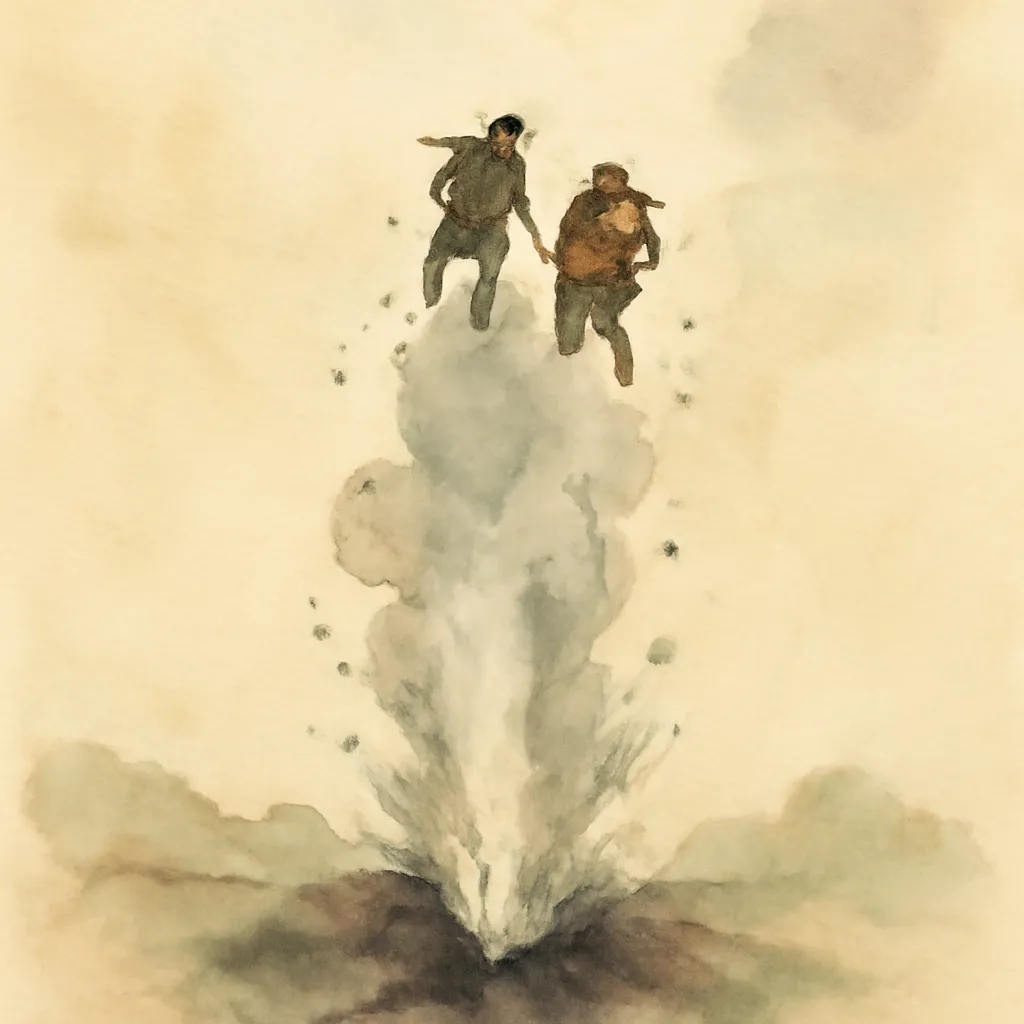
The climax of the expedition culminates in a dramatic escape to the surface, where the characters are propelled back to the world above. This return journey serves as a metaphor for the transformative nature of exploration. The experiences they undergo in the depths of the Earth forever change them, reshaping their perspectives on life and knowledge. The ending raises questions about the implications of their discoveries—how the knowledge gained can impact humanity’s understanding of the Earth and its history. Verne leaves readers with a sense of wonder and curiosity, encouraging them to continue exploring the mysteries of the world around them, both above and below the surface.