1.The Knockerbeck Hotel: A Microcosm of Society

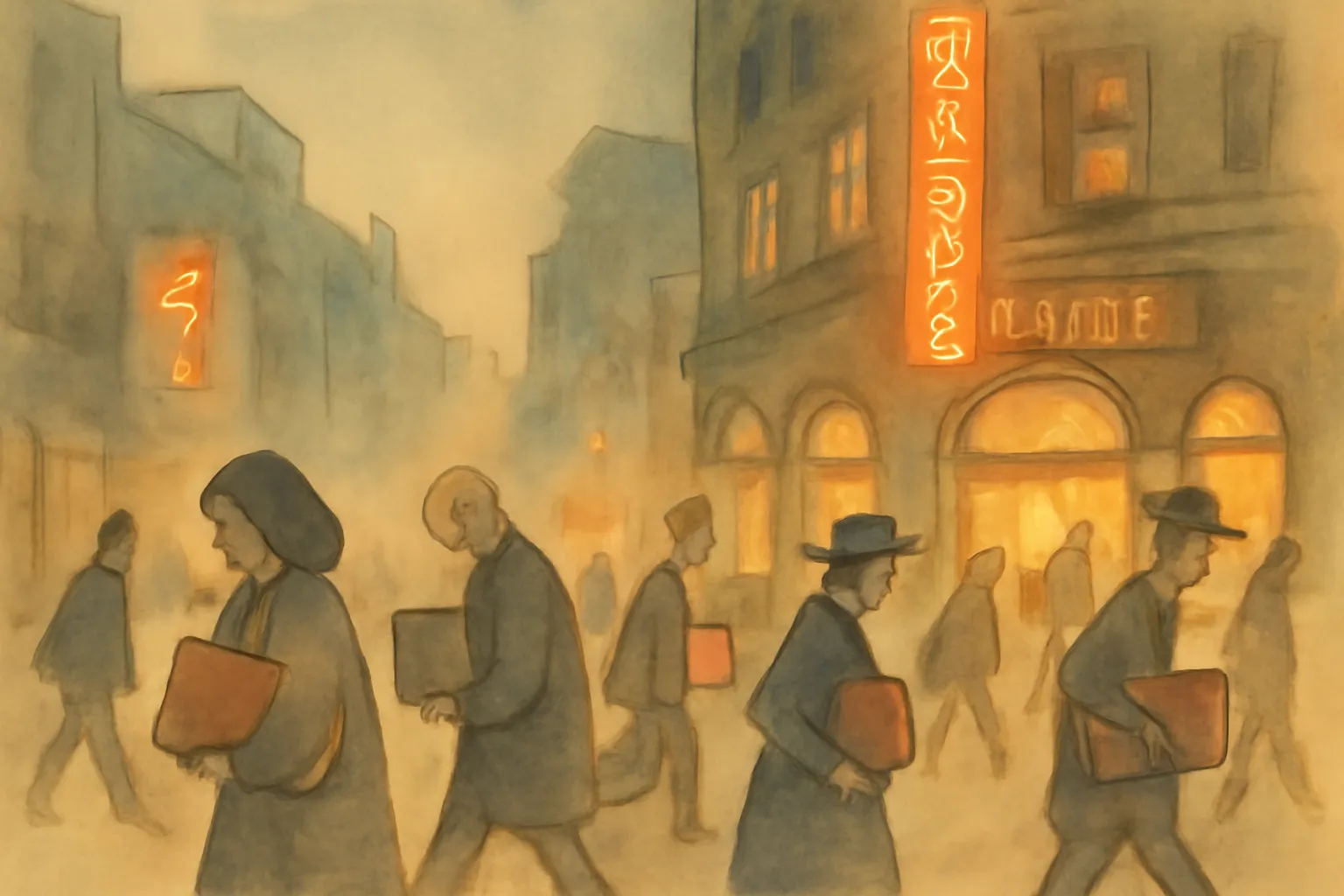
The Knockerbeck Hotel serves as a vibrant microcosm of society, where characters from diverse backgrounds converge. Its opulence, with marble-lined Pompeian rooms and Colonial parlors, reflects the aspirations and dreams of its patrons. Each room tells a story, from the luxurious Oriental room filled with incense to the manicured parlor where Miss Gertrude Sprunt offers her services. The hotel acts as a stage for the unfolding drama of love and ambition, where individuals seek connection in the midst of their chaotic lives. Hurst's detailed descriptions of the hotel's ambiance not only set the scene but also symbolize the social dynamics at play, highlighting the contrasts between wealth and modesty, glamour and mundanity. The hotel becomes a character in itself, influencing the interactions and decisions of those who inhabit its spaces. Characters like Abie Ginsburg and Miss Ruby Cohn navigate their romantic pursuits against this backdrop, illustrating how their surroundings shape their choices and experiences.
2.Miss Gertrude Sprunt: The Oracle of Love

Miss Gertrude Sprunt emerges as a pivotal character, embodying the complexities of modern romance. Her expertise in manicuring transcends mere aesthetics; she becomes an oracle of love, intuitively understanding the desires and needs of her clients. With her keen eye, she can discern the emotional states of those who enter her parlor, catering to their romantic whims and insecurities. Gertrude's interactions with her colleague, Miss Ethyl Mooney, reveal the competitive nature of women in the workforce, where ambition can sometimes overshadow camaraderie. As Gertrude navigates her own romantic entanglements with Mr. Barker, her character illustrates the tension between professional success and personal fulfillment. Hurst crafts Gertrude as a relatable figure, embodying the struggles of many women who strive for independence while yearning for love. The juxtaposition of her professional life and her romantic interests underscores the challenges women face in balancing their ambitions with their desires for connection.
3.The Allure of Mr. Barker: A Man of the World

Mr. Barker represents the archetype of the worldly man, full of charm and confidence. His interactions with Gertrude are marked by a blend of flirtation and genuine interest, showcasing the complexities of romantic attraction. Barker's ability to navigate social scenes with ease captivates Gertrude and others around him. Hurst delves into the nuances of their relationship, highlighting the push and pull of desire and the fear of vulnerability. As Gertrude becomes enchanted by his charisma, she grapples with her own insecurities and the societal expectations of love. Barker serves as a reminder of the allure of adventure and the risks associated with falling for someone who embodies a different lifestyle. Their dynamic brings to light the question of what it means to truly know someone, as Gertrude must confront whether her feelings for Barker are based on the man he truly is or the persona he projects. This duality in their relationship encapsulates the tension between illusion and reality in romance.
4.Abie Ginsburg: The Weight of Family Expectations
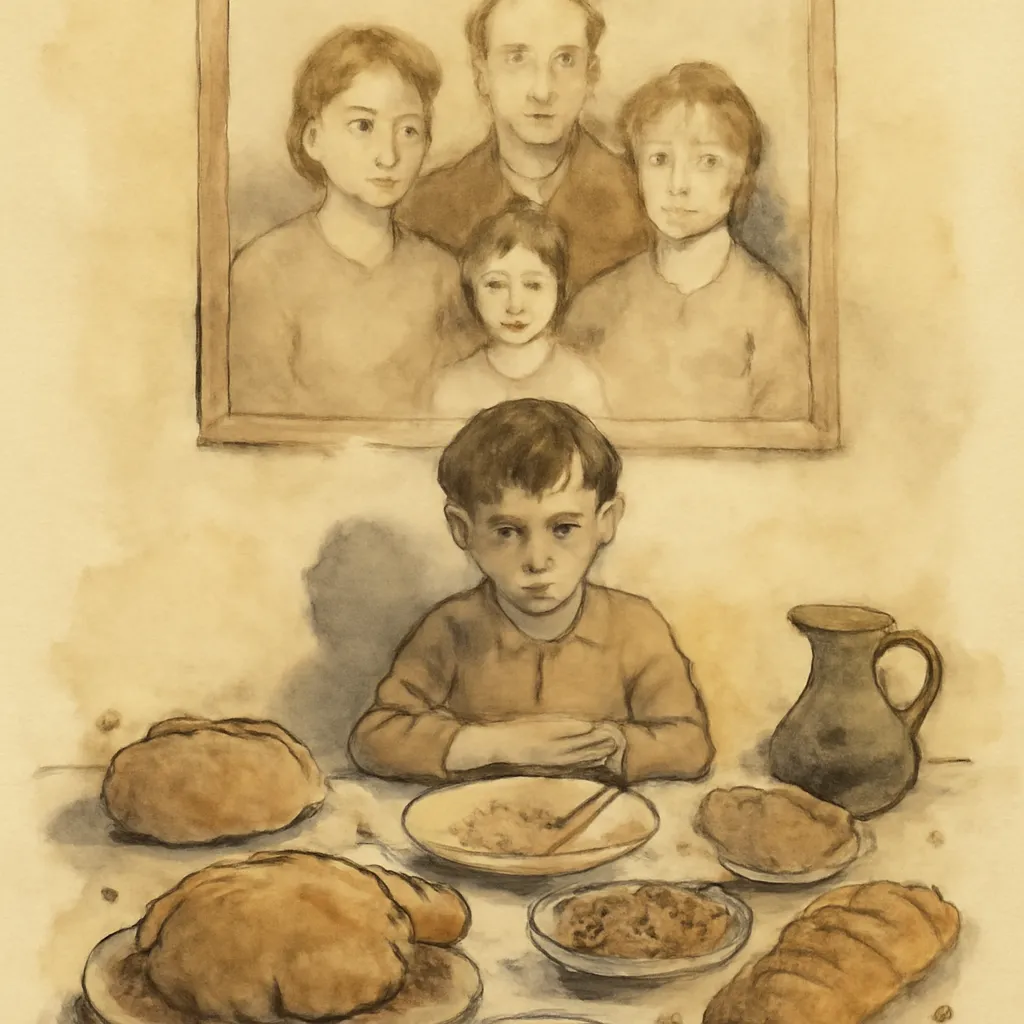
Abie Ginsburg's character offers insight into the struggles of balancing familial obligations with personal desires. His relationship with his mother, Mrs. Ginsburg, highlights the cultural pressures and expectations placed upon him as a son. Abie's desire to forge his own path is often overshadowed by his mother's insistence on traditional values and the importance of family. Hurst captures the essence of this tension through their interactions, revealing the emotional weight that Abie carries. His reluctance to assert his independence reflects the broader theme of the conflict between individual aspirations and family loyalty. As Abie navigates his own romantic interests, particularly with Miss Ruby Cohn, the expectations from his mother loom large, complicating his pursuit of happiness. The novel delves into the nuances of this familial bond, showcasing how love can be both a source of support and a point of contention, ultimately influencing Abie's choices and relationships.
5.The Complexity of Miss Ruby Cohn
Miss Ruby Cohn embodies the spirited and ambitious woman of the era, returning from a vacation with newfound confidence and a zest for life. Her interactions with Abie Ginsburg reveal the nuances of romantic relationships, particularly the dynamic between the two as they navigate their feelings amidst familial pressures. Ruby's charm and vivacity contrast with Abie's more reserved demeanor, creating a compelling interplay between their personalities. Hurst illustrates Ruby's determination to seize opportunities and challenge societal norms, showcasing the evolving role of women in the early twentieth century. As she reintegrates into the world of work and romance, Ruby's character serves as a beacon of hope for those seeking to break free from traditional constraints. Her ambition and desire for a fulfilling life highlight the shifting expectations for women, pushing against the boundaries of what society deems acceptable in love and career.
6.The Ginsburg Family: A Representation of Immigrant Life

The Ginsburg family represents the immigrant experience, grappling with the challenges of assimilation and cultural identity. Mrs. Ginsburg's character is a poignant portrayal of a mother striving to maintain her family's heritage while adapting to a new environment. Her insistence on traditional meals and cultural practices emphasizes the importance of heritage in shaping family identity. Simultaneously, Abie's attempts to assert his independence from these familial expectations reveal the generational divide that often occurs within immigrant families. Hurst captures the essence of this struggle through Mrs. Ginsburg's interactions with her son, highlighting the complexities of navigating dual identities in a new land. The family's dynamics unveil the broader societal challenges faced by immigrants, illustrating the inherent conflicts between preserving cultural traditions and embracing new opportunities. Through their experiences, Hurst sheds light on the rich tapestry of immigrant life, emphasizing the enduring connections to one's roots even amidst change.
7.The Illusion of Romance: A Cautionary Tale

Hurst weaves a cautionary tale about the illusions of romance, illustrating how characters often project their desires onto others. The relationships in 'Just Around the Corner' are fraught with misunderstandings and miscommunications, revealing the complexities of human connection. Characters like Goldie and Harry Trimp exemplify the pitfalls of romantic idealization, where the allure of love can blind individuals to the reality of their situations. Hurst emphasizes the importance of self-awareness and honesty in relationships, urging readers to confront the truths that lie beneath the surface. The novel serves as a reminder that love can be both a source of joy and a catalyst for heartache, underscoring the need for authenticity in romantic pursuits. This theme resonates throughout the narrative, as characters grapple with their perceptions of love versus the actual experiences they encounter, leading to profound lessons about the nature of relationships.
8.The Role of Class and Society in Romance

Hurst adeptly critiques the role of class and societal expectations in shaping the characters' romantic lives. The interactions between characters from different socioeconomic backgrounds highlight the barriers that can arise in relationships. For instance, the tension between Abie and Ruby reflects the disparities in their social standings, creating obstacles to their connection. Hurst uses these dynamics to explore how class influences perceptions of love and desirability, revealing the prejudices that can exist within romantic pursuits. By placing characters in a variety of social contexts, Hurst illustrates the broader societal forces at play, ultimately questioning the validity of romantic ideals when influenced by external judgments. This critique extends beyond individual relationships, presenting a commentary on how societal structures can dictate the course of love and ambition, encouraging readers to consider the implications of class in their own lives.
9.The Resilience of Women in the Face of Adversity
Throughout 'Just Around the Corner', Hurst highlights the resilience of women as they navigate the challenges of love and ambition. Characters like Miss Gertrude Sprunt and Miss Ruby Cohn exemplify the strength and determination of women seeking to carve out their own identities in a patriarchal society. Hurst portrays these women as multifaceted individuals who refuse to be defined solely by their relationships with men. Their journeys reflect the evolving roles of women, showcasing their ability to adapt and thrive despite societal constraints. The novel serves as an empowering testament to the strength of women, emphasizing their agency and the importance of pursuing personal aspirations alongside romantic endeavors. This theme resonates throughout the narrative, as Hurst illustrates the various paths women take toward independence, encouraging readers to recognize and celebrate the resilience found within themselves and others.