1.The Burden of Responsibility
Katie's story begins with her mother's reluctance to let her work in the factory, revealing the societal expectations placed upon young women. Mrs. Robertson's fears stem from her own experiences as a single mother struggling after the death of her husband, which adds emotional weight to her concerns. She grapples with the pain of having to see her daughter enter a world where earning a living is necessary but fraught with risks and hardships. The narrative highlights how Katie's entry into the workforce is not just a personal decision but a familial obligation—her mother’s anxieties echo through the generations, emphasizing the immense pressure young girls face to contribute to their families while managing their own aspirations and identities. Katie's internal conflict between wanting to help her family and her mother's protective instincts serves as a poignant commentary on the struggles many families face during economically challenging times.
2.Early Morning Trials
Katie's first day at the factory starts with the challenge of waking up early, an experience that many young workers can relate to. The cold, dark mornings symbolize the harsh realities of factory life, contrasting sharply with the romanticized notions of work. Katie's reluctance to rise early signifies the loss of childhood innocence, as she must now confront the responsibilities of adulthood. The ritual of morning prayer that she engages in reflects her desire to find purpose in her toil, as she seeks to honor her faith while fulfilling her obligations. This juxtaposition of early morning struggles with spiritual aspirations sets the tone for her journey, illustrating how faith can provide strength in the face of adversity. Furthermore, Katie's experiences shed light on the broader implications of labor—her initial eagerness gives way to the stark reality of routine, marking a significant shift in her understanding of work and its demands.
3.Navigating New Environments
On her first day in the mill, Katie faces the daunting challenge of meeting numerous strangers, which serves as an allegory for her broader experiences in life. The initial feelings of isolation and trepidation are palpable, yet Katie's determination to succeed shines through. The scornful looks from other girls, who contrast her neat appearance with their disarray, symbolize the judgments faced by those who dare to be different. Katie's resilience in the face of scorn reflects her inner strength and serves as an important lesson on self-acceptance and the challenges of fitting into new environments. This moment underscores the theme of resilience, as Katie's commitment to her work allows her to rise above the negativity surrounding her. Her ability to adapt to her new environment speaks to the broader human experience of finding one's place in a challenging world, highlighting the transformative power of perseverance.
4.The Reality of Work
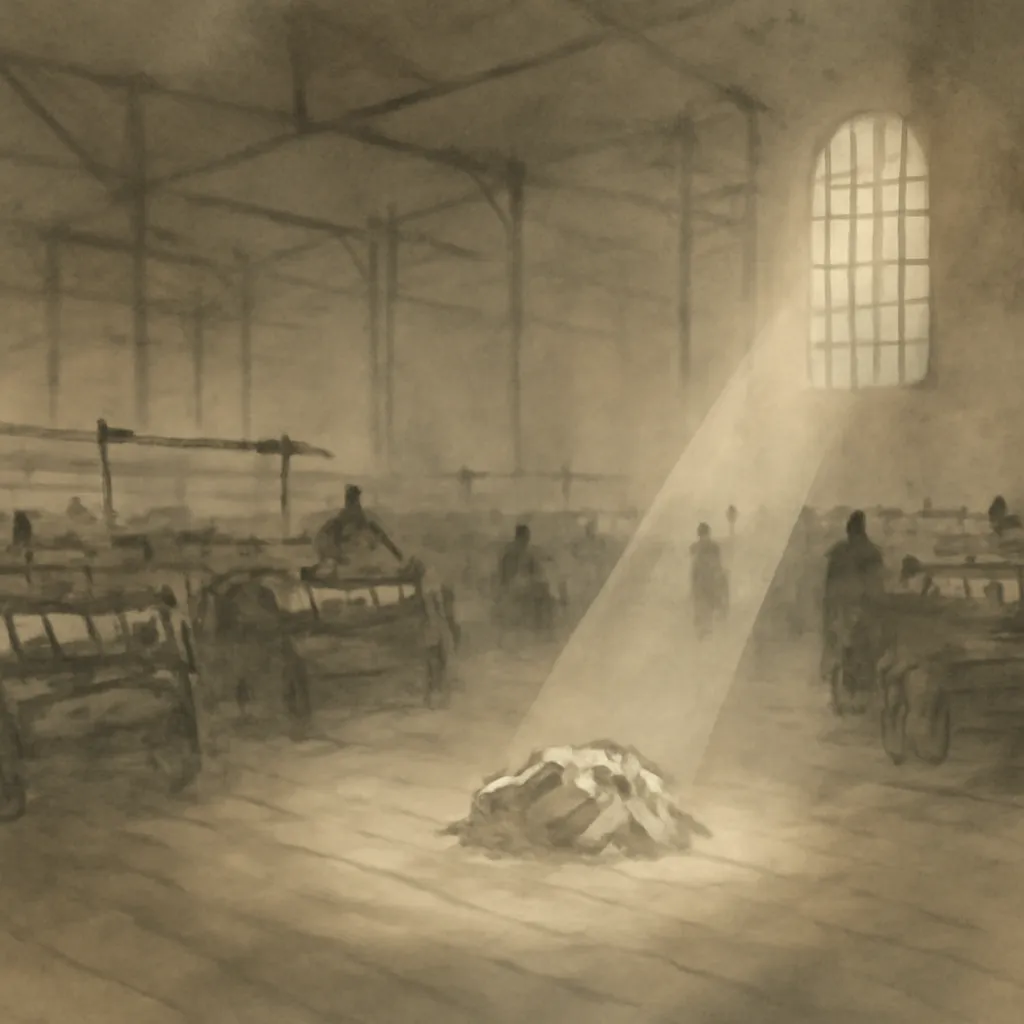
As Katie settles into her role in the rag-room, the narrative details the repetitive and often monotonous nature of factory work. The initial excitement gives way to a sense of drudgery, as the mill transforms from an enchanted palace into a prosaic place of toil. This shift reflects the disillusionment many workers experience, emphasizing that labor is often not as glamorous as it seems. Katie’s work ethic and efficiency earn her recognition, demonstrating how diligence can lead to personal growth and achievement. Her ability to surpass her peers in productivity not only earns her respect but also highlights her desire to prove herself in a male-dominated environment. The contrast between her initial enthusiasm and the reality of work serves as a poignant commentary on the challenges faced by young women in the workforce and raises questions about the true value of their contributions.
5.The Importance of Community
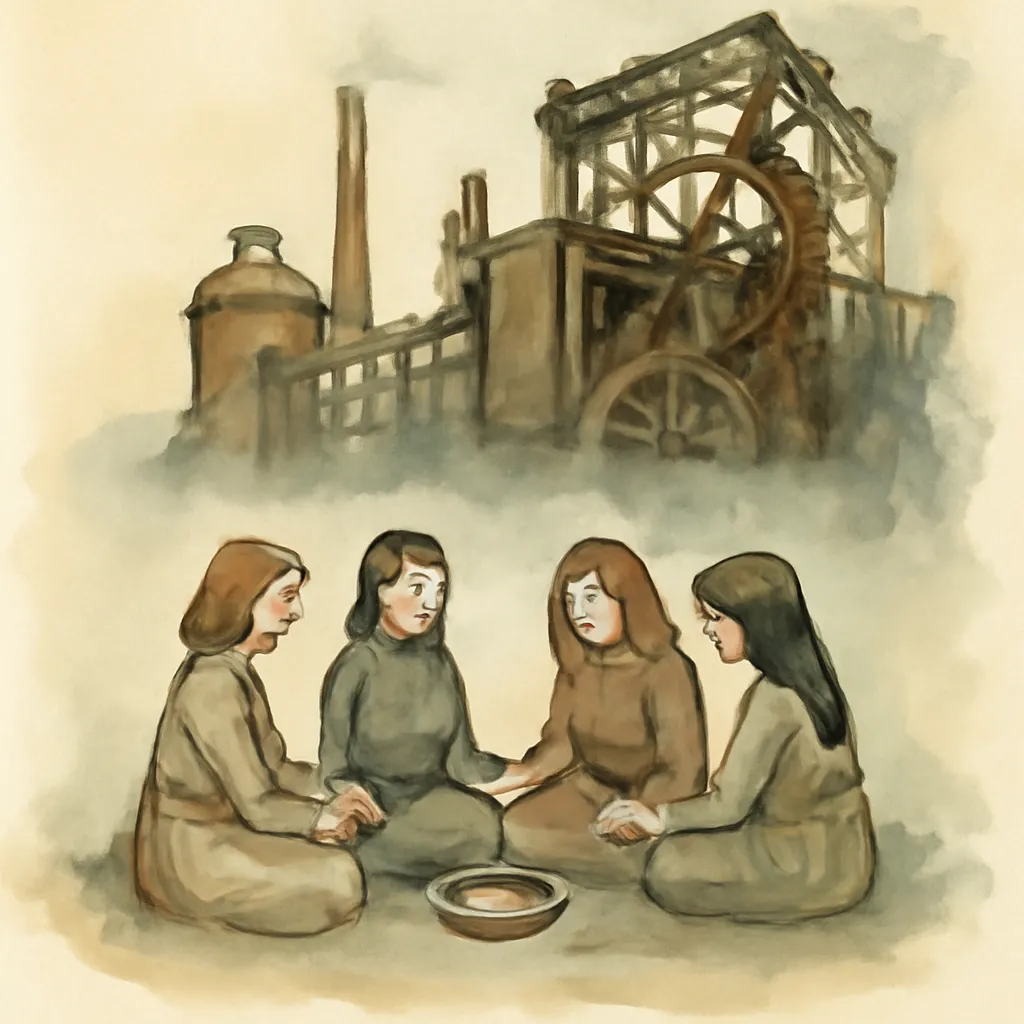
Katie's interactions with her fellow workers reveal the significance of community in navigating the trials of factory life. The camaraderie among the girls, despite their differences, highlights the shared experience of labor and the bonds formed through hardship. This sense of community becomes particularly evident during breaks when the girls engage in lively conversations, providing a reprieve from the monotony of work. The narrative illustrates how these interactions create a support system that fosters resilience, allowing Katie and her peers to find solace and strength in one another. Moreover, Katie's friendships, especially with Tessa and Gretchen, emphasize the power of support systems in overcoming personal challenges. The collective experiences of joy, laughter, and shared burdens underscore the theme that solidarity among women can foster resilience and create a sense of belonging, essential for survival in difficult circumstances.
6.Moral Dilemmas and Integrity

The discovery of the fifty-dollar bill presents Katie with a moral dilemma that tests her integrity. Initially, she grapples with the question of ownership and the ethics of keeping found money, which serves as a pivotal moment in her character development. This internal conflict forces her to confront her values and the implications of her choices. Katie's eventual decision to return the money reflects her commitment to honesty and her desire to live a life aligned with her faith. The episode emphasizes the importance of moral integrity, illustrating how personal choices can shape one's identity and impact the lives of others. Through this experience, Katie learns that true strength lies not only in fortitude but also in the courage to do what is right, even when faced with temptation. This moment serves as an essential lesson about the relationship between character and ethical decision-making, reinforcing the idea that integrity is crucial for personal growth.
7.The Power of Faith
Throughout her experiences, Katie's faith serves as a guiding force that provides her with strength and purpose. Her morning prayers and reflections illustrate her desire to live a life that honors her beliefs, even amid the challenges of factory life. This spiritual dimension adds depth to her character, as she navigates the complexities of work, friendship, and morality. Katie's faith not only sustains her but also influences those around her, as seen in her interactions with Tessa and Gretchen. The narrative underscores the role of spiritual beliefs in shaping one's worldview and the importance of faith in overcoming life's adversities. Katie's reliance on her faith exemplifies how spirituality can empower individuals to face difficulties with courage and grace, ultimately illustrating the transformative power of faith in guiding individuals through challenging circumstances.
8.Confronting Prejudice
Katie's experiences in the mill expose her to the prejudices and judgments of her peers, particularly from Bertie Sanderson. The gossip surrounding her character and the unfounded accusations of theft illustrate the harsh realities of social dynamics among young women. This conflict tests Katie's resilience, challenging her understanding of forgiveness and reconciliation. The narrative emphasizes the need for empathy and compassion in the face of hostility, as Katie learns to navigate the complexities of human relationships. Through her interactions with Bertie, the story explores themes of redemption and the possibility of healing, reinforcing the idea that personal growth often arises from confronting adversity. This confrontation with prejudice serves as a critical moment in Katie's journey, highlighting how the way we respond to judgment can define our character and influence our interactions with others.
9.Growth Through Adversity
As Katie continues her journey, she undergoes significant personal growth, evolving from a timid girl into a confident young woman. Her experiences in the mill, coupled with her moral dilemmas and the challenges of friendship, shape her character and strengthen her resolve. The narrative illustrates how adversity can serve as a catalyst for growth, as Katie learns to assert her independence and embrace her identity. This transformation is further highlighted by her promotion within the factory, symbolizing her hard work and dedication. Katie's journey serves as a testament to the idea that resilience and determination can lead to personal empowerment, even in the face of societal constraints. Moreover, her ability to navigate complex social dynamics and moral dilemmas speaks to her growing maturity and understanding of the world around her, reinforcing the message that true strength lies in one’s character and resilience in overcoming challenges.
10.Empowerment through Education
Katie's aspirations for education become a recurring theme throughout her story, reflecting her desire for self-improvement and independence. Despite the demands of factory work, she continually seeks knowledge and personal growth, showcasing the importance of education as a means of empowerment. The narrative illustrates her commitment to balancing work and study, highlighting the sacrifices she makes to attain her goals. Katie's determination to pursue education reflects a broader commentary on the role of education in enabling young women to break free from societal constraints and achieve their aspirations. Through her journey, the story advocates for the importance of education as a tool for empowerment, encouraging readers to recognize the value of knowledge and learning in shaping their futures.