1.The Call to Adventure
The story begins with a seemingly simple request from Sir Henry Curtis, who seeks to find his brother, George, lost in the unexplored regions of Africa. This call to adventure resonates deeply with Quatermain, who initially hesitates, reflecting on his past experiences with danger and violence. Despite his reluctance, his sense of duty and the allure of the unknown compel him to join the expedition. This theme of the reluctant hero is prevalent throughout the narrative, highlighting how individuals can be drawn into extraordinary circumstances against their better judgment. The initial setup establishes the stakes and sets the tone for the adventure that unfolds, emphasizing the transformative power of quests.
2.Legends and Myths of Solomon's Mines
As the expedition unfolds, the legend of King Solomon's Mines takes center stage, captivating the imaginations of the characters and readers alike. Quatermain recounts tales of the mines, said to be filled with unimaginable wealth, and the dangers faced by those who sought them. This mythological aspect serves as a driving force for the characters, motivating them to brave the harsh and unforgiving landscapes of Africa. The mines symbolize the ultimate treasure, but they also represent the elusive nature of dreams and desires. Haggard weaves a rich tapestry of folklore and adventure, illustrating how myths can inspire real-life journeys, while also cautioning against blind ambition. The interplay between legend and reality becomes a critical element in understanding the motivations of both the explorers and the indigenous people they encounter.
3.The Harsh Reality of Exploration
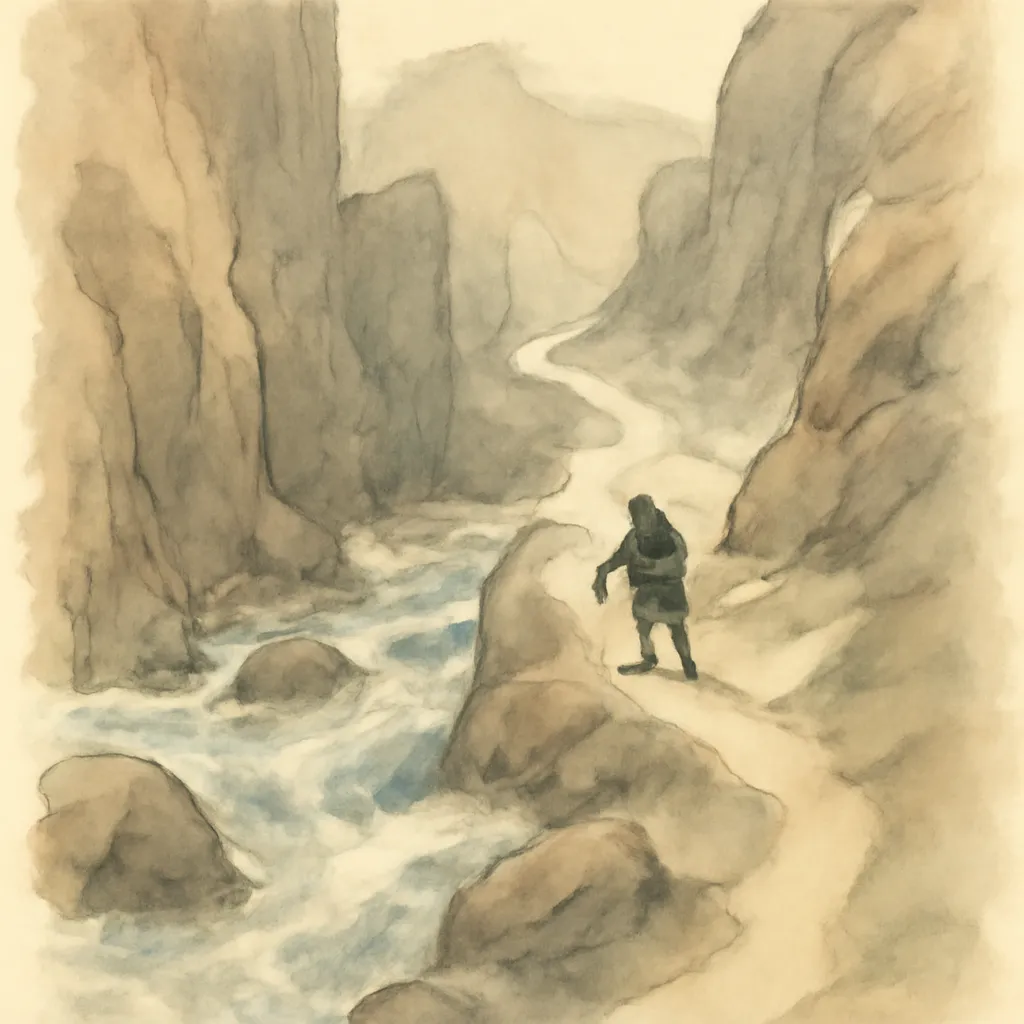
Haggard does not shy away from depicting the brutal realities of the African wilderness. As Quatermain and his companions traverse treacherous terrain and face life-threatening challenges, the narrative underscores the physical and psychological toll of exploration. From encounters with deadly wildlife to the relentless heat and lack of water, the characters are constantly reminded of their vulnerability in the face of nature's might. The author's vivid descriptions create a palpable sense of danger, immersing readers in the harsh conditions that define the expedition. This stark portrayal serves to emphasize the courage required to pursue adventure, while also showcasing the resilience and resourcefulness of the characters as they confront adversity head-on.
4.Cultural Encounters and Conflicts
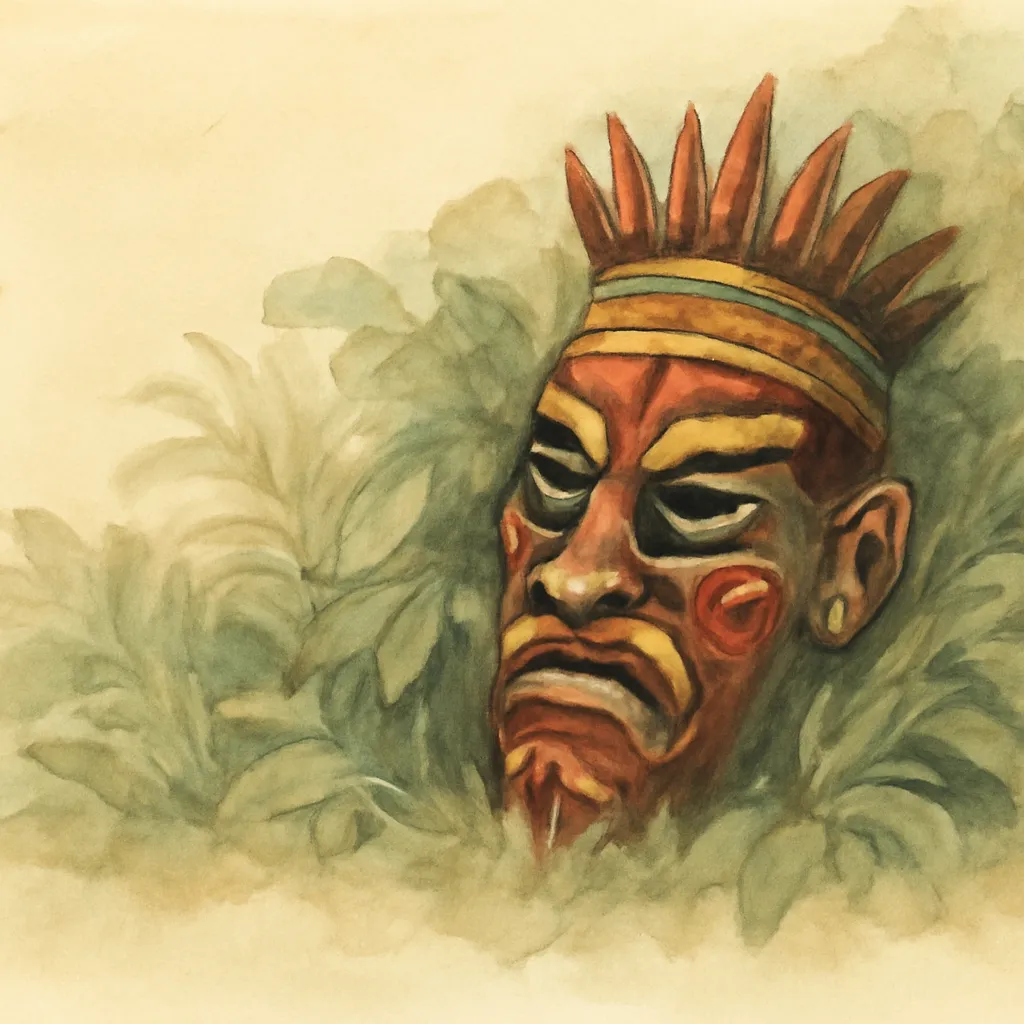
The journey into Kukuanaland introduces Quatermain and his team to the Kukuana people, leading to complex interactions that highlight cultural differences and conflicts. Haggard portrays the Kukuanas as a proud and formidable society, led by the tyrannical King Twala. Through these encounters, the narrative explores themes of colonialism, power dynamics, and the clash between civilizations. Quatermain's perspective as an outsider adds layers of complexity to the interactions, as he grapples with his own biases and the ethical implications of their quest. The depiction of the Kukuanas challenges stereotypes and invites readers to consider the impact of imperialism on indigenous cultures. This exploration of cultural encounters enriches the narrative, adding depth to the characters' motivations and the consequences of their actions.
5.Friendship and Loyalty Amidst Danger
Throughout the perilous journey, the bonds of friendship and loyalty among the characters are tested and strengthened. Quatermain, Curtis, and Good rely on one another for support, showcasing the importance of camaraderie in overcoming challenges. Their diverse backgrounds and skills complement each other, highlighting how collaboration can lead to success in dire situations. The theme of loyalty is particularly poignant as the characters face betrayal and moral dilemmas, forcing them to confront their values and allegiances. Haggard emphasizes that true adventure is not solely about treasure; it is also about the relationships forged in the heat of adversity. This exploration of friendship adds emotional depth to the narrative, making the characters' triumphs and tribulations resonate more profoundly.
6.The Thrill of Battle
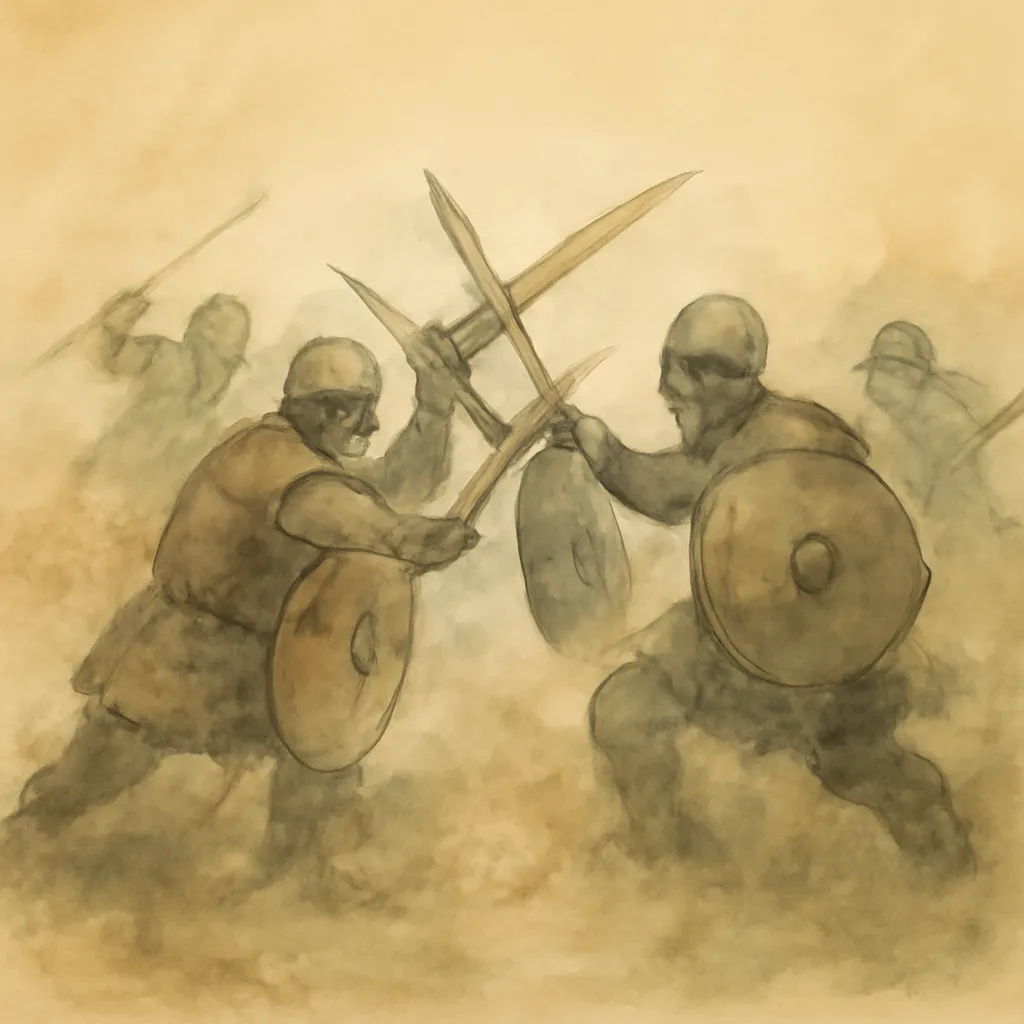
As the expedition progresses, the characters find themselves embroiled in conflicts that culminate in a dramatic battle for survival. Haggard vividly portrays the chaos and intensity of combat, capturing the adrenaline and fear experienced by the characters. The battle against Twala's forces serves as a climactic moment that tests their resolve and skills. The author skillfully balances action with moments of introspection, allowing readers to witness the characters' thoughts and emotions as they navigate the horrors of war. This exploration of battle highlights not only the physical challenges but also the psychological toll of violence, raising questions about the nature of heroism and the cost of ambition. The thrill of battle becomes a lens through which the characters confront their own identities and motivations.
7.The Role of Fate and Destiny
As the characters pursue their quest, they grapple with the concept of fate and destiny, questioning whether their paths are predetermined or shaped by their choices. Quatermain reflects on the serendipity of their encounters and the twists of fortune that guide their journey. The narrative suggests that while ambition and determination are vital, external forces often play a significant role in shaping outcomes. This exploration of fate adds a philosophical dimension to the adventure, prompting readers to consider the interplay between free will and destiny in their own lives. Haggard's portrayal of fate invites contemplation on how much control individuals truly have over their journeys and the consequences of their actions.
8.The Discovery of Solomon's Mines
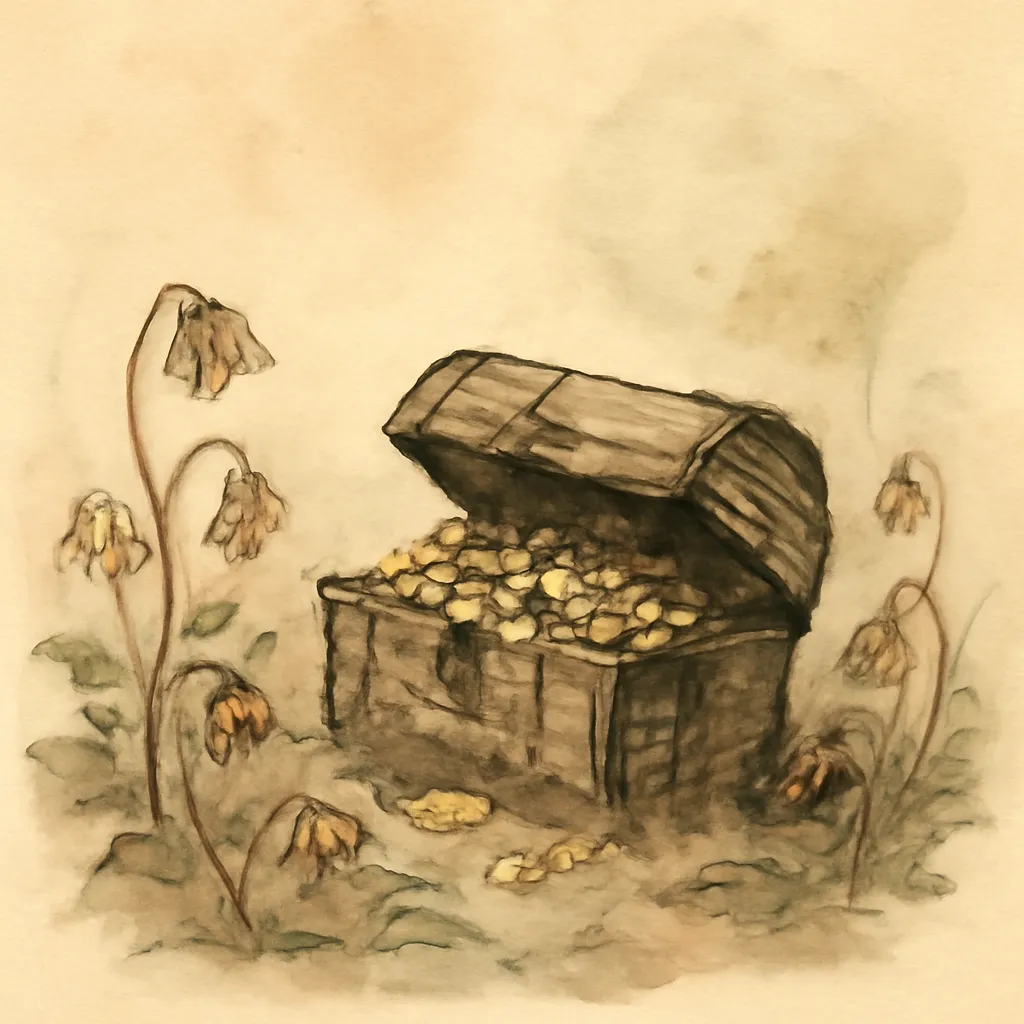
The culmination of the expedition leads to the long-awaited discovery of Solomon's Mines, a moment fraught with anticipation and trepidation. As the characters navigate the intricacies of the mines, they encounter both wonders and horrors, revealing the dual nature of their quest for wealth. The mines symbolize not only material riches but also the darker aspects of ambition, greed, and the consequences of human desire. Haggard masterfully balances the excitement of discovery with the sobering realization that such riches come at a cost. The characters' experiences within the mines serve as a microcosm of the broader themes of the narrative, illustrating the complex relationship between wealth and morality. This moment becomes a turning point, forcing the characters to confront their motivations and the implications of their actions.
9.The Consequences of Greed
As the characters grapple with their newfound wealth, Haggard delves into the consequences of greed and the moral dilemmas that arise from the pursuit of riches. The allure of treasure becomes a double-edged sword, leading to betrayal, loss, and sacrifice. Quatermain and his companions are faced with choices that challenge their values and priorities, forcing them to confront the darker aspects of human ambition. The narrative explores how the promise of wealth can corrupt and distort relationships, leading to tragic outcomes. Haggard's portrayal of greed serves as a cautionary tale, reminding readers that the pursuit of material wealth can come at the expense of integrity and human connection. This exploration of consequences adds depth to the characters' arcs, making their journeys resonate on a personal level.
10.The Journey Home: Reflection and Growth
The return journey from Solomon's Mines provides an opportunity for reflection and growth among the characters. Having faced unimaginable challenges, they emerge changed by their experiences. Quatermain, in particular, contemplates the lessons learned and the impact of their adventure on his outlook on life. The journey home becomes a metaphor for personal growth, as the characters grapple with their identities and the choices they made along the way. Haggard emphasizes the importance of introspection and self-discovery, suggesting that true treasure lies not solely in material wealth but in the wisdom gained through experience. This theme of growth resonates with readers, highlighting the transformative power of adventure and the enduring impact of the journeys we undertake in life.